

Teach English in Turkey
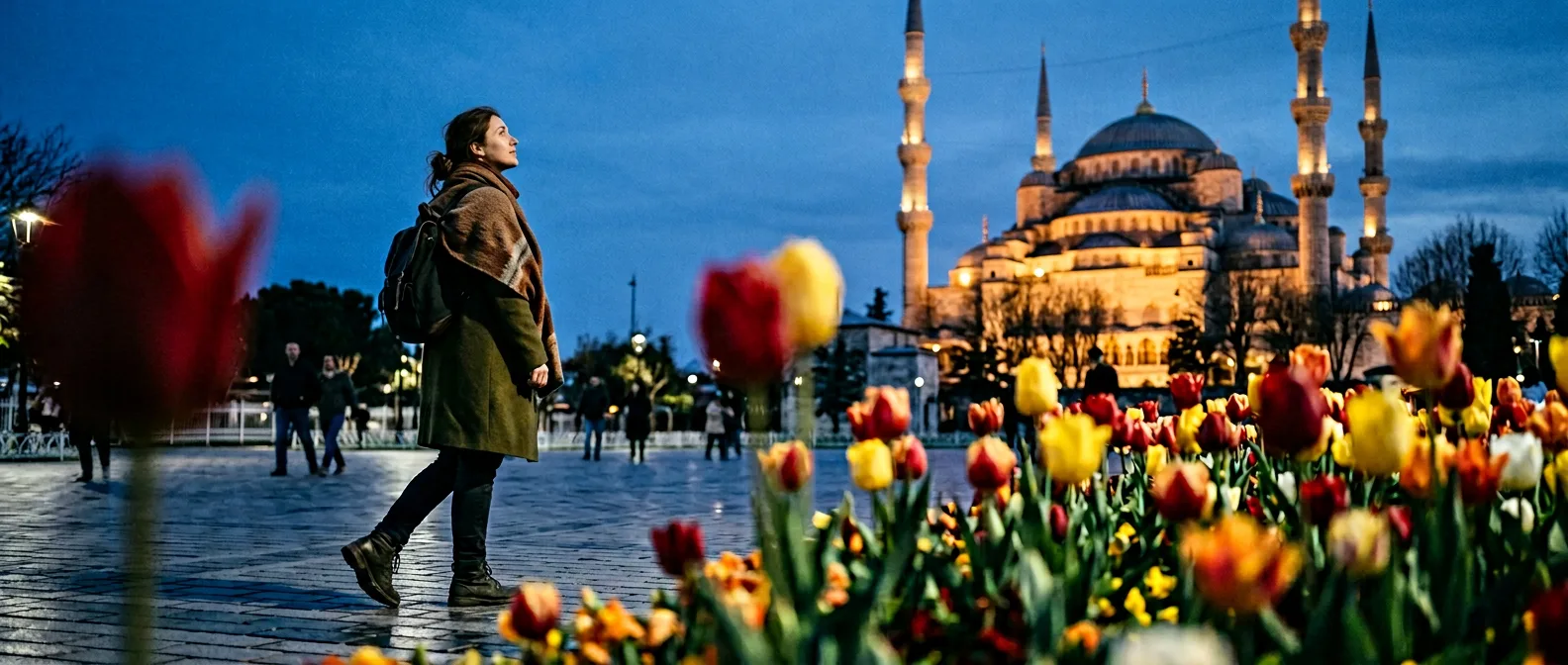
The Bosphorus at sunset with minarets silhouetted against the horizon. Çay arriving in a tulip glass whether you asked or not. Hagia Sophia built in 537 CE still standing above Istanbul’s rooftops. The only country straddling two continents — and one of the most genuinely interesting TEFL destinations in this entire guide.
Why Turkey is one of the most interesting TEFL destinations in Europe and the Middle East
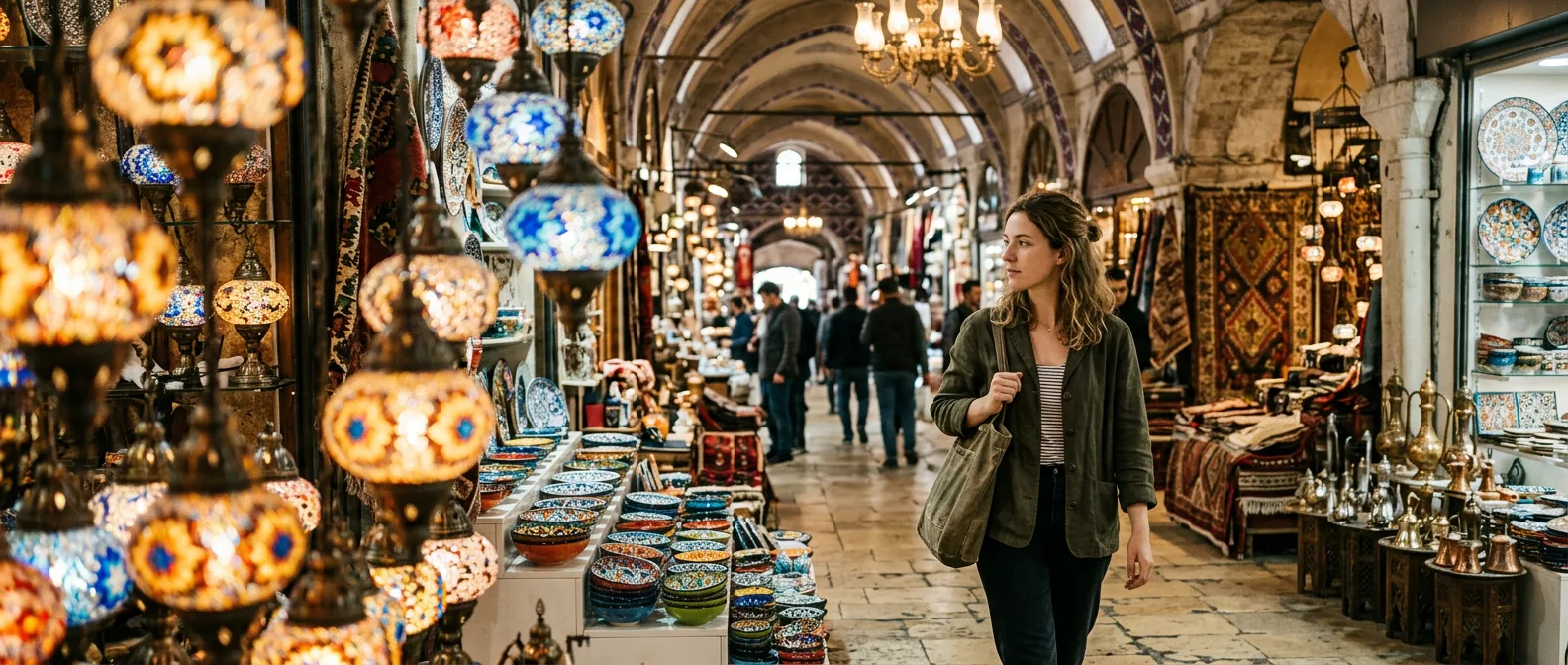
Turkey occupies a genuinely unique position in the world — geographically, culturally, and historically. Istanbul is the only city on two continents. The country’s history encompasses the Byzantine Empire (Istanbul was Constantinople for 1,100 years) and the Ottoman Empire (centred here for 600 years), leaving a physical legacy of architecture and culture that no other TEFL destination in this guide comes close to matching for historical depth. Hagia Sophia was built in 537 CE and is still standing in central Istanbul. The Grand Bazaar has operated continuously since 1455. Cappadocia’s rock formations were carved by early Christian communities in the 4th century. This is a country where a weekend trip covers a thousand years of human history.
For English teachers specifically: Turkey’s English teaching market is large and growing, driven by English’s importance in Turkey’s tourism industry (one of the world’s largest), its growing international business sector, and university students’ need for English proficiency to access international academic content. Istanbul alone has hundreds of language schools, dozens of international schools, and 200+ universities competing for qualified English teachers. The demand is real and consistent.
Turkey is also one of the few countries in this build with no strict native-speaker nationality requirement — teachers with near-native English proficiency from any country can find positions, making Turkey meaningfully more accessible than China, Taiwan, Indonesia, or South Korea for teachers from non-standard nationalities.
The lira reality: what Turkey’s inflation means for teachers
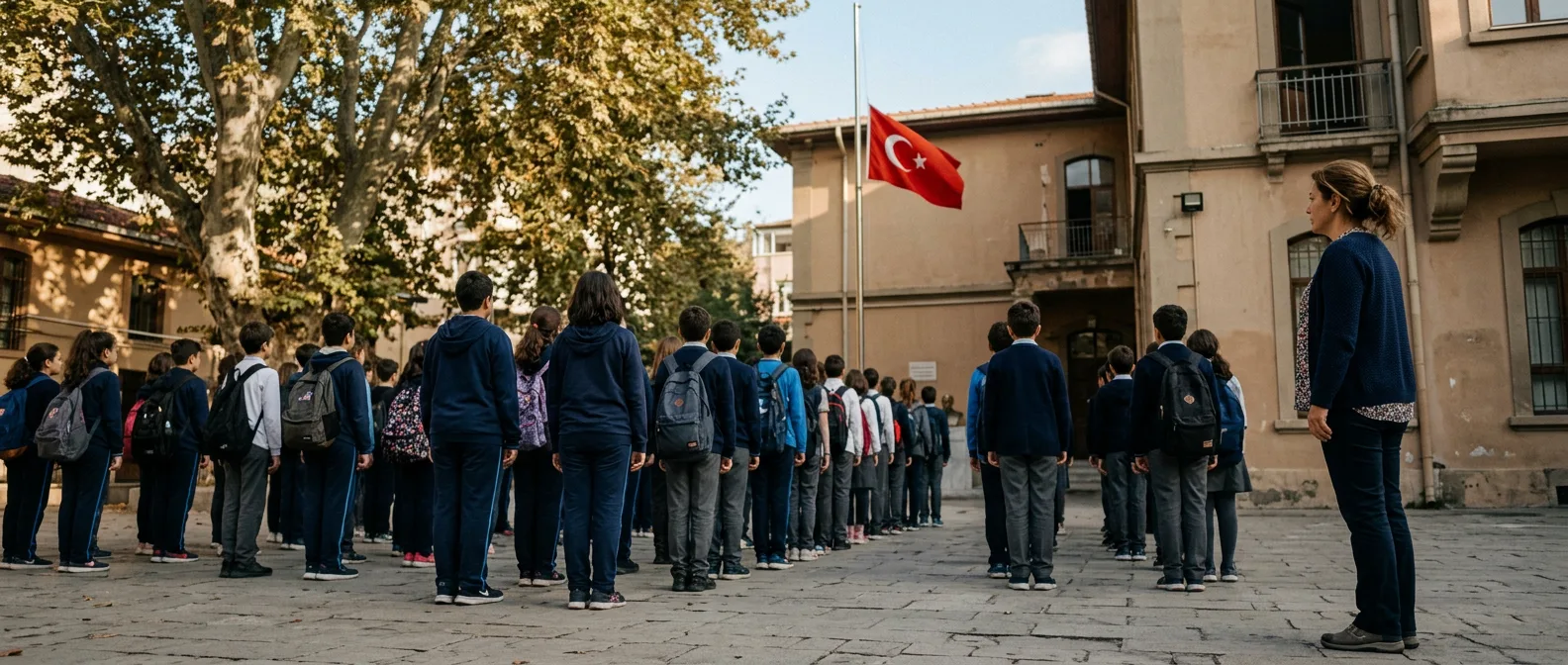
Turkey has experienced high inflation and significant lira depreciation over recent years. This is the single most important financial context for any teacher considering Turkey, and it requires honest treatment rather than optimistic framing.
The headline situation (2026): Annual inflation running at approximately 30–40% (official figure; independent estimates sometimes higher). The Turkish Lira (₺) has depreciated substantially against the USD and EUR over consecutive years. A salary of ₺40,000/month sounds reasonable in April; by December of the same year, that same ₺40,000 may buy meaningfully less in dollar terms if the lira has continued depreciating.
Lira-denominated salary (TRY)
A salary of ₺40,000/month that is worth $1,180 today may be worth $950 in 6 months and $750 in 12 months if lira depreciation continues at historical rates. Teachers on lira-denominated contracts see their real USD purchasing power erode through the contract period. Some schools increase salaries mid-contract to compensate; many do not. This is the main financial risk in Turkey.
USD/EUR-denominated salary
Some international schools and top private schools pay salaries in USD or EUR. These teachers experience Turkey’s inflation as a benefit — their hard-currency salary buys more lira over time as the currency weakens. Istanbul rent, food, and transport — priced in lira — become progressively cheaper in dollar terms. This is why Turkey can be excellent value for teachers with hard-currency salaries.
The single most important question to ask any Turkish employer: “Is the salary denominated in Turkish Lira or USD/EUR?” If lira: ask how the school handles salary adjustments for inflation during the contract period. If USD/EUR: you are effectively insulated from lira risk and Turkey’s purchasing power is genuinely excellent. Some schools pay “lira-equivalent of USD” — meaning the lira amount adjusts to match a fixed dollar salary; this is also protective. Never assume — always ask explicitly and get the answer in writing in your contract.
Turkey’s English teaching job market
Private language schools (dil okulu)
The most numerous English teaching positions. Found throughout Istanbul, Ankara, İzmir, and major Turkish cities — private language academies serving adults seeking business English, IELTS/TOEFL preparation, and conversational English. Evening and weekend schedules typical. Salary ₺27,000–51,000/month. Most accessible entry point. Full job types guide →
Private K-12 schools
Turkey’s domestic private school sector is large and well-developed — schools teaching English as a curriculum subject or using English as the medium of instruction. Aci Schools, Koç School, Enka Schools, MEF Schools, and many others. Salary ₺30,000–70,000 or USD equivalent. Teaching qualifications preferred. More structured than language schools; daytime M–F schedules.
International schools
Istanbul has a significant international school sector serving Turkish and expat students. MEF International School, Robert College (oldest American high school abroad), İstanbul Lisesi, Koç School, Enka International School. Salary $1,500–$5,000+/month (often USD). Require formal teaching licence + experience. Best financial outcomes in Turkey; applications through TES and Search Associates.
Universities
Turkey has 200+ universities, many with English preparatory programmes (hazırlık) and English-medium instruction departments. Foreign lecturer positions available. Salary ₺25,000–45,000/month; academic benefits; research time; generous holidays. Requires denklik (degree equivalency recognition by YÖK) — can take months; good employers assist. Master’s strongly preferred.
State schools
Limited positions for foreign English teachers in Turkish state schools — most English teaching in state schools is by Turkish teachers. Some state schools hire foreign teachers for conversation classes or cultural exchange. Lower salaries; structured national curriculum. Less accessible than private sector but genuine positions exist.
Corporate English
Istanbul’s growing business sector — finance, tech, logistics, tourism — creates Business English demand. Corporate training through language school partnerships or directly with companies. Better rates than classroom teaching. Best for teachers with business sector backgrounds. Istanbul CBD (Levent–Maslak axis on European side) is the primary corporate English market.
Ready to teach English abroad?
Browse TEFL Heaven’s full range of teacher placement programs — from Southeast Asia to Europe and Latin America.
What English teachers earn in Turkey
| Position | Salary | USD approx. | Currency risk |
|---|---|---|---|
| Language school (entry) | ₺27–35K/mo | ~$800–$1,050 | High — lira-denominated |
| Language school (experienced) | ₺35–51K/mo | ~$1,050–$1,530 | High — lira-denominated |
| Private K-12 school | ₺30–70K/mo | ~$900–$2,100 | Varies — ask about currency |
| International school | $1,500–$5,000+/mo | $1,500–$5,000+ | Low — USD-denominated |
| University lecturer | ₺25–45K/mo | ~$750–$1,350 | High — lira-denominated |
| University (specific posting) | ₺71,400 NET | ~$2,100–$2,300 | Medium — verify contract |
Exchange rate: approximately ₺33–40 per USD (highly variable; check current rate before any financial planning). All lira salary figures are subject to real-value erosion through inflation. Ask employers specifically about salary reviews during the contract period.
Requirements to teach English in Turkey
Turkey requires a bachelor’s degree for work permit eligibility. A 120-hour TEFL certificate is the minimum for language school positions, with CELTA valued at private schools and universities. Unlike many Asian markets, Turkey has no strict native-speaker nationality rule — teachers with near-native English proficiency from any country can find positions.
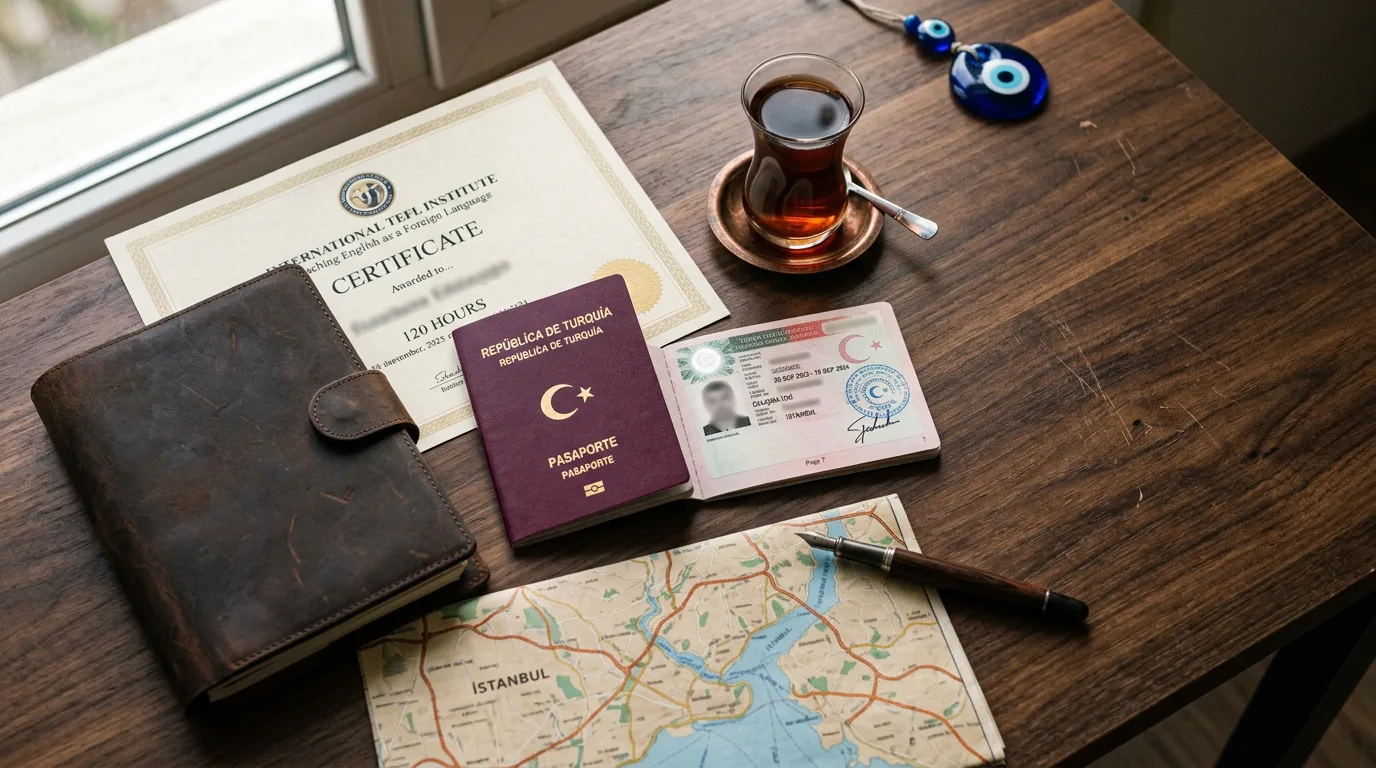
Bachelor’s degree
Required for work permit eligibility. Any discipline qualifies for language school and private school positions. Education/subject degree for international schools. Master’s for universities. Degree must be apostilled and in some cases denklik-certified (Turkish Higher Education Council degree equivalency) for university and some top private school positions.
TEFL / CELTA
120-hour TEFL minimum for language schools. CELTA valued at private schools and universities. Some positions (like the Istanbul university posting cited above) specify ₺71,400 NET and require CELTA or equivalent. More experienced CELTA+ candidates access Turkey’s better-paid positions and those that offer USD-denominated salaries.
No strict native-speaker nationality rule
Unlike mainland China, Taiwan, or Indonesia, Turkey has no formal nationality list for English teaching work permits. Native English speaker preference is strong — particularly at top private and international schools — but teachers from non-traditional nationalities with near-native proficiency and CELTA/advanced qualifications do find positions. This is one of Turkey’s meaningful advantages over many Asian TEFL markets.
Teaching licence & Denklik
Teaching licence required at international schools; preferred at private K-12 schools. Denklik: Turkish Higher Education Council degree equivalency recognition — required for university teaching positions and some private school positions. Process: submit degree documents to YÖK; takes 2–6 months; employer can often assist. Good employers mention denklik support in the job listing (example: “Assistance with TR Denklik” in the SeriousTeachers posting above).
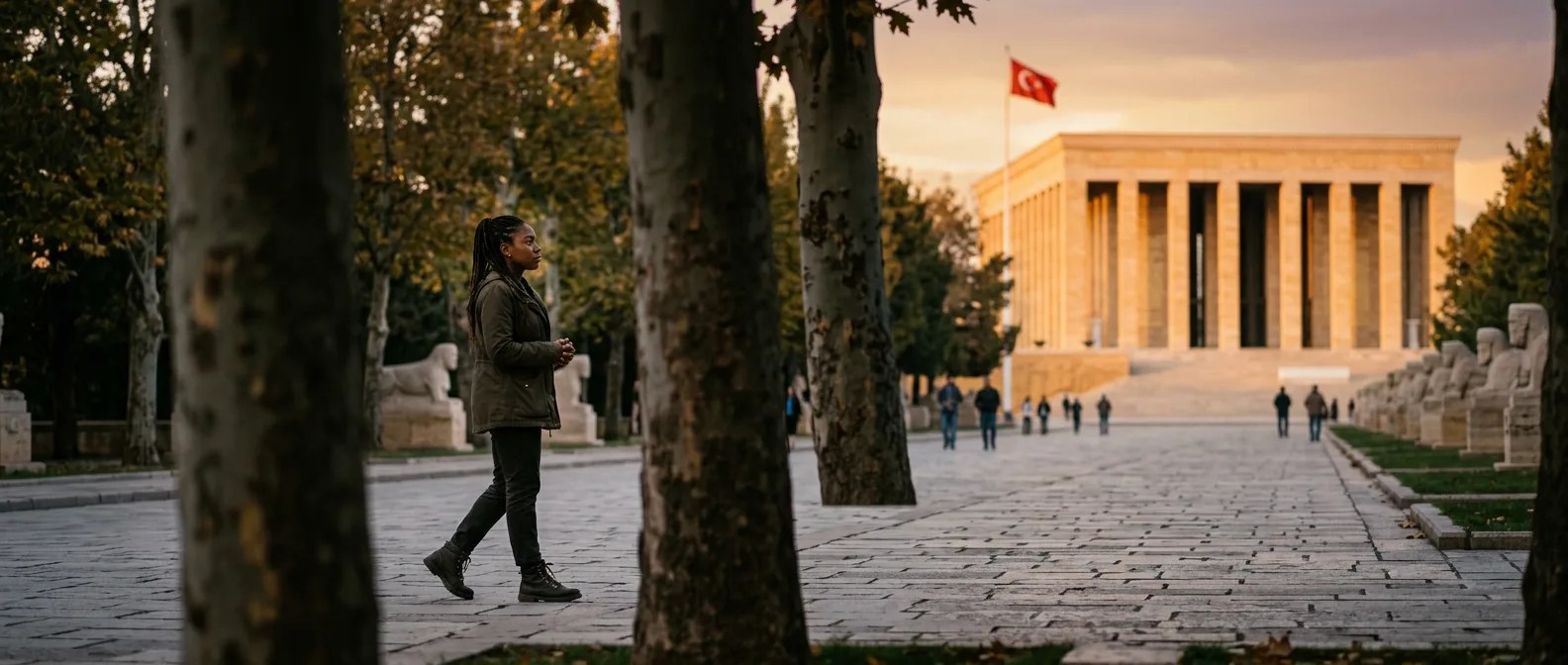
Teaching cities in Turkey


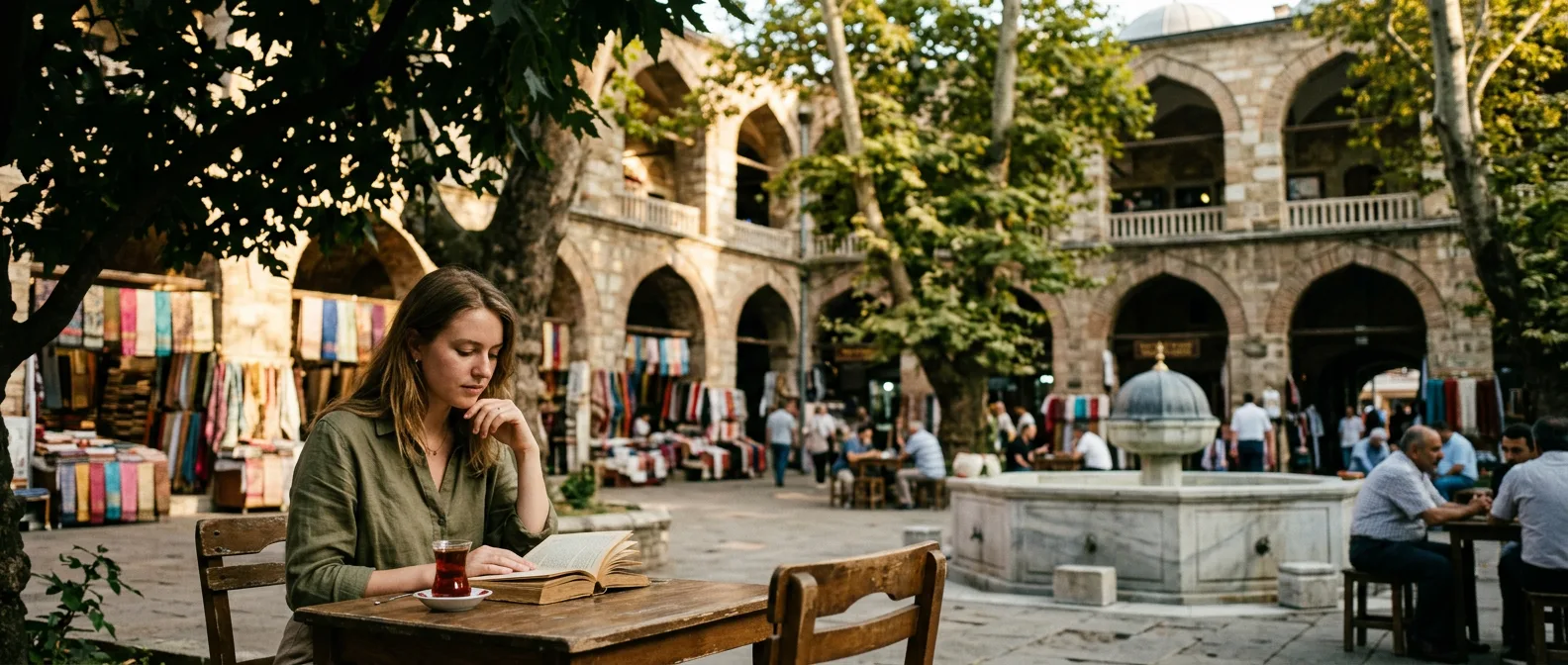

Three school types in Turkey
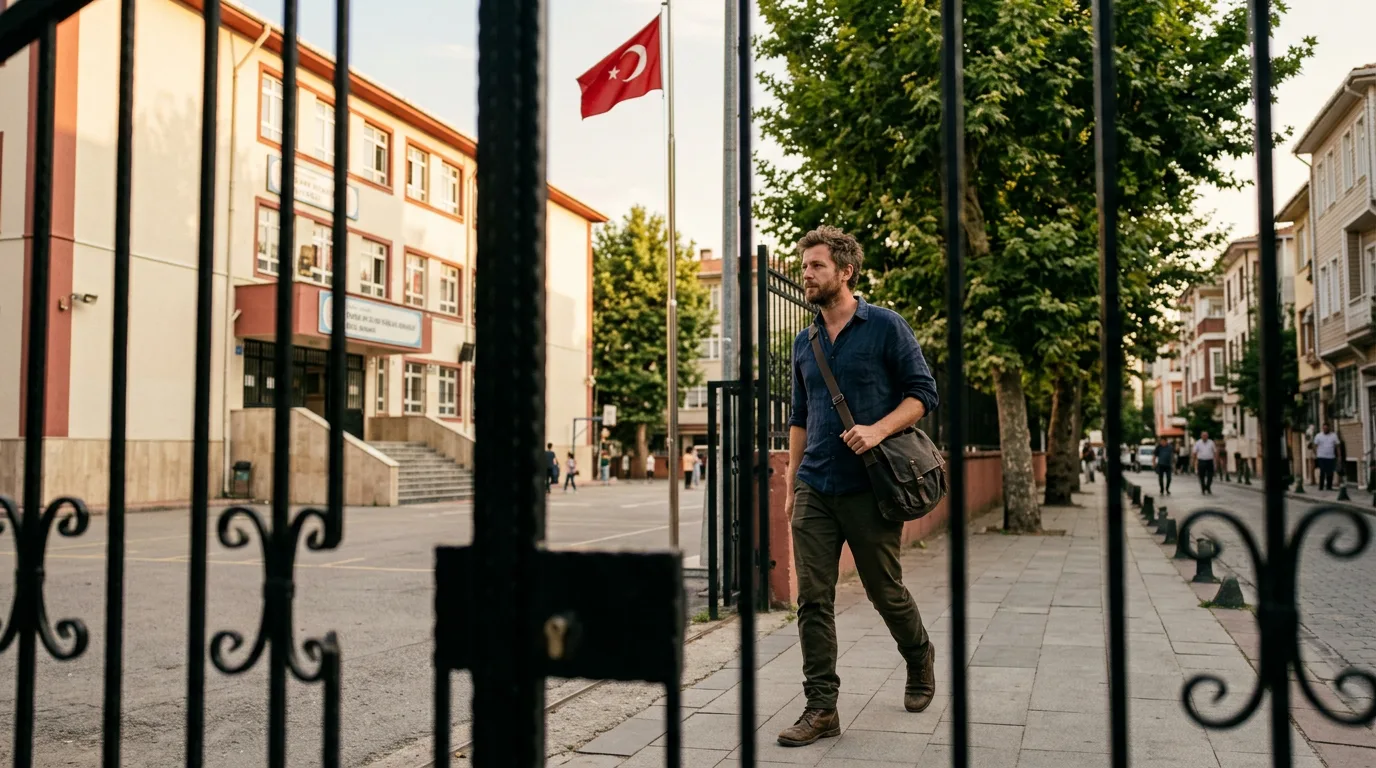


What teaching in Turkey actually feels like
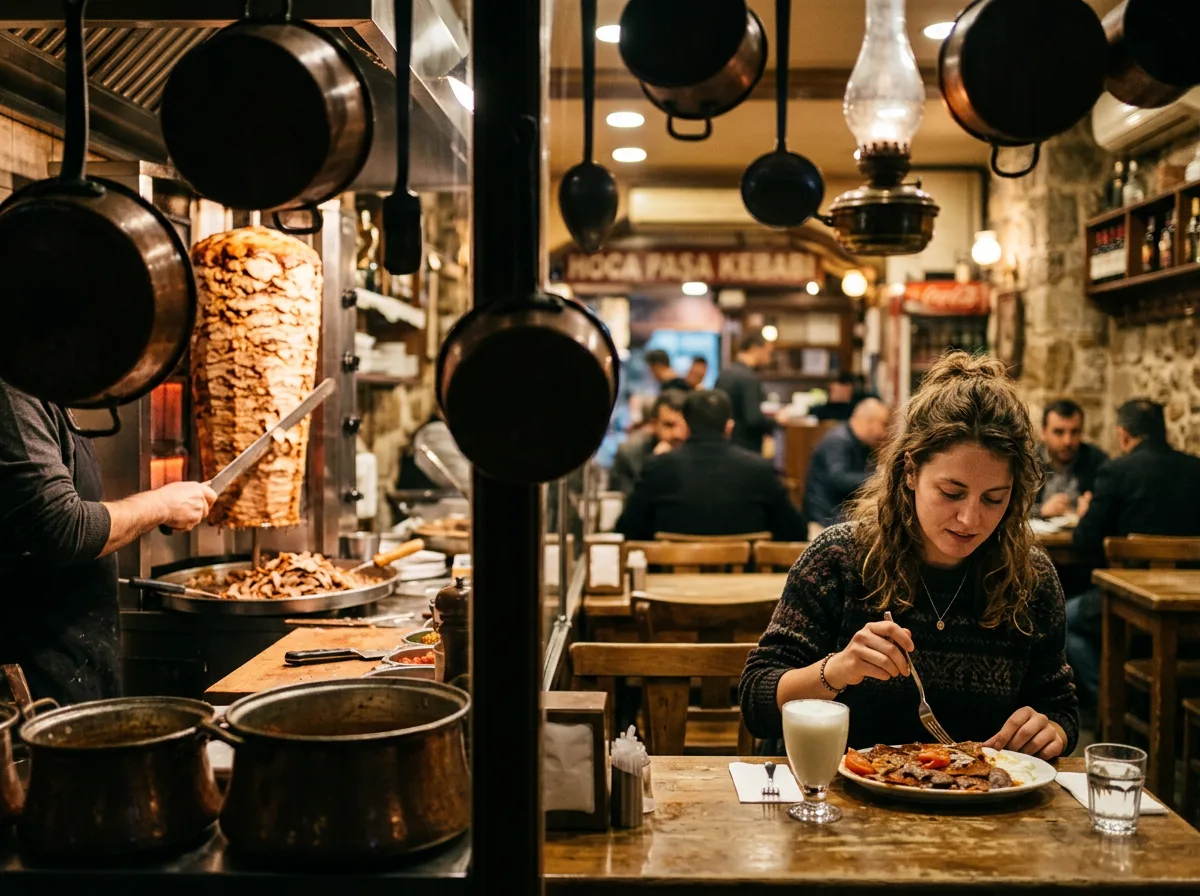



Turkey’s academic calendar
Turkey’s academic year runs September through June. Peak hiring: June–August for September starts; December–January for February starts (rare; some schools hire mid-year). Language schools hire year-round. International schools recruit October–February for the following September. Work permit applications are processed in-country — most teachers enter on a tourist visa and complete work permit applications after arrival and securing employment.
Complete Turkey teaching guides
FAQ: Teaching English in Turkey
Is Turkey safe for English teachers?
In terms of daily life for foreign teachers: yes. Turkey’s major cities have extensive police presence, and foreign English teachers are not targets of crime or political tension. The TEFL Org acknowledges Turkey’s “somewhat fractious political situation over recent years” but confirms the strong teaching market continues. Teachers who have lived in Turkey consistently describe feeling safe in daily life. Exercise the same awareness in Istanbul’s tourist areas (Grand Bazaar, Sultanahmet) that you would in any major tourist zone globally — pickpocketing exists. Political demonstrations occasionally occur but are not relevant to English teaching daily life. Check your government’s current travel advice before departure.
Should I be worried about Turkey’s economic situation as a teacher?
The lira inflation is a genuine concern for teachers on lira-denominated contracts — see the lira reality section above. Teachers on USD/EUR contracts are effectively insulated. For teachers on lira contracts: negotiate salary review clauses (quarterly or semi-annual adjustments tied to inflation); ensure your contract specifies what happens to your salary if the lira depreciates significantly; keep your emergency savings in a hard currency rather than lira. Turkey’s cost of living is genuinely low for dollar/euro earners, which means even a modestly paid lira salary goes further in purchasing power terms than the dollar equivalent suggests. The key is going in with clear eyes about the lira risk rather than being surprised by it mid-contract.
Ready to teach English abroad?
Turkey — where the Bosphorus divides two continents, the Hagia Sophia rises above Istanbul’s skyline, and çay arrives in a tulip glass whether you asked for it or not. TEFL Heaven places teachers across Southeast Asia, Europe, and Latin America — browse our full program range to find your best fit.
TEFL Heaven · Placing teachers abroad since 2007 · 3,000+ teachers placed worldwide