
Teach English in Romania
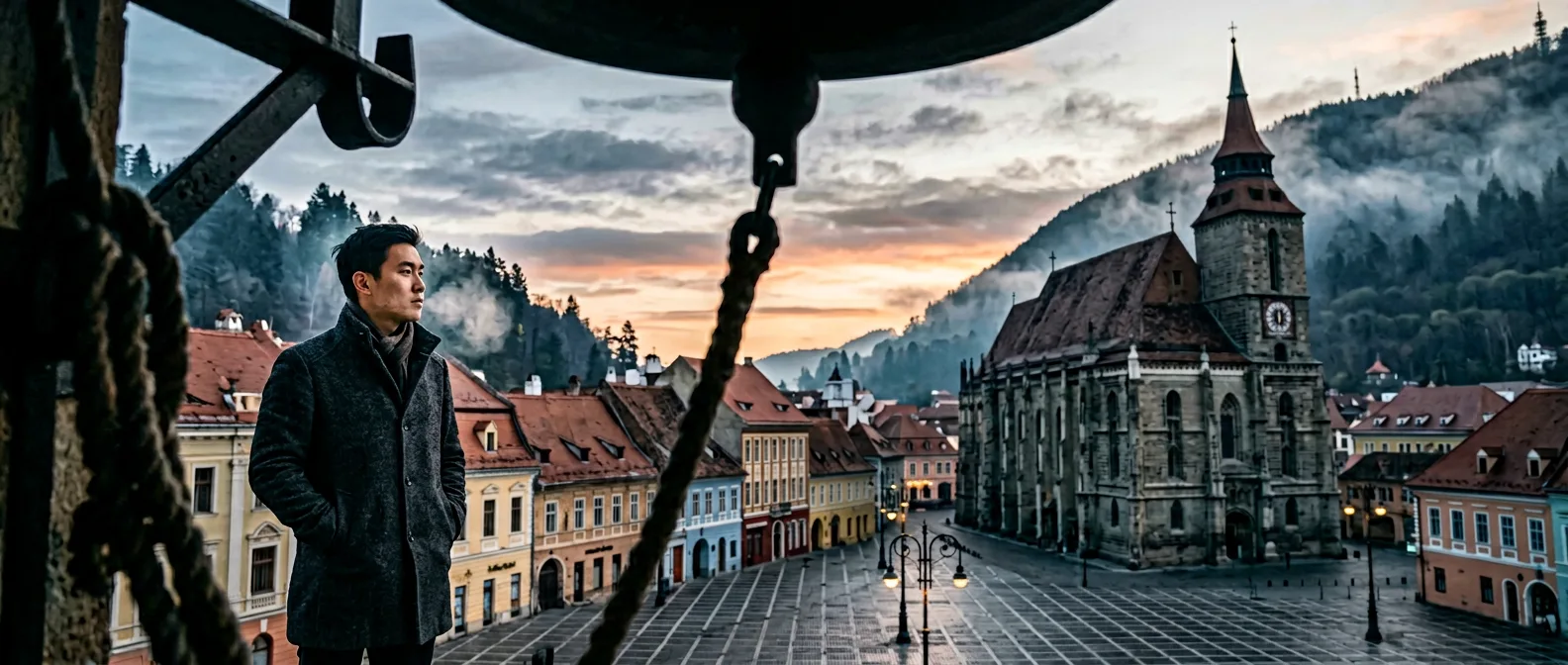
Medieval castles in the Carpathian Mountains. Bucharest’s contradictions — communist palaces next to 19th-century villas. One of the EU’s most affordable capitals. A TEFL market that asks for less to get in than almost anywhere else in Europe. Romania is underrated, deliberately.
Why Romania belongs on every European TEFL shortlist
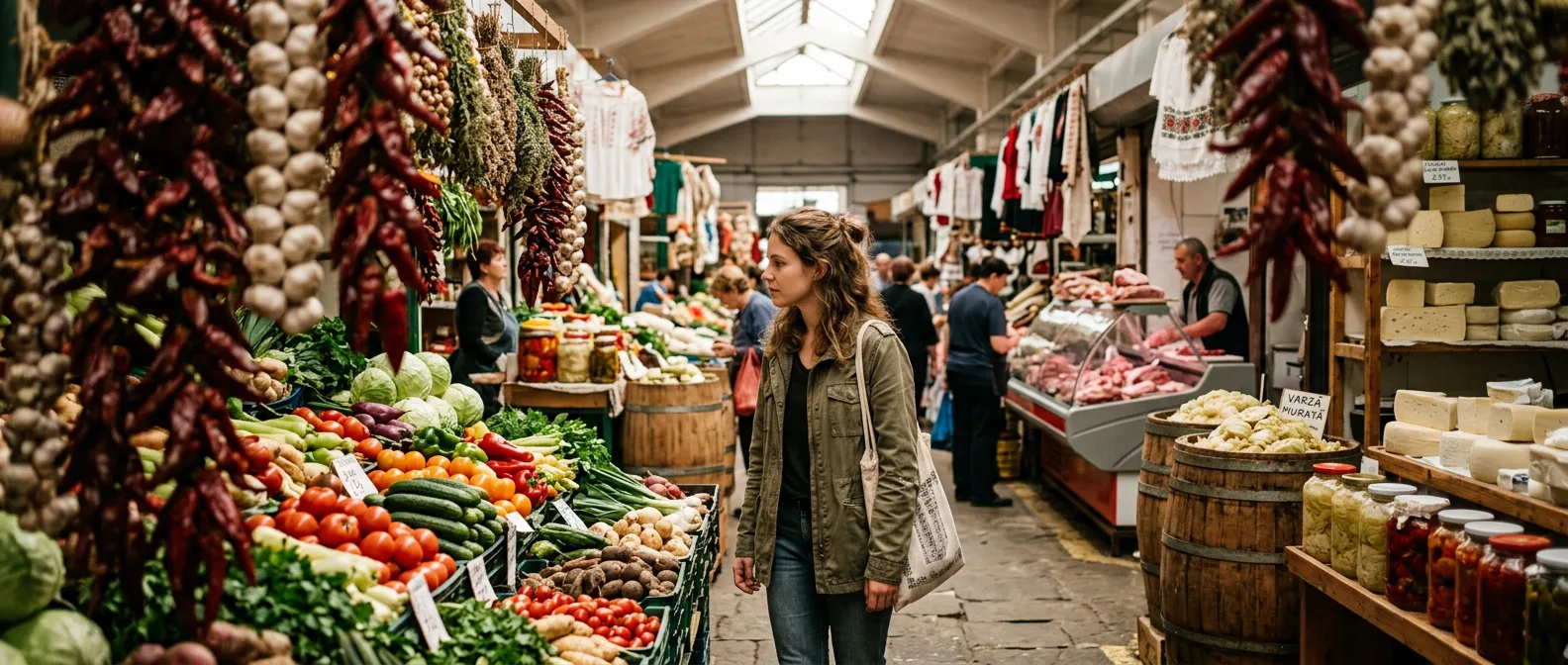
Romania is an EU member since 2007, which means EU citizens have full, unrestricted work rights — no visa, no employer sponsorship, no bureaucratic process beyond the standard registration on arrival. Combined with one of the EU’s lowest costs of living and a TEFL entry bar that doesn’t require a degree at many language schools, Romania is genuinely the most accessible European teaching market in this guide for EU teachers who are early in their careers or who don’t yet have a degree.
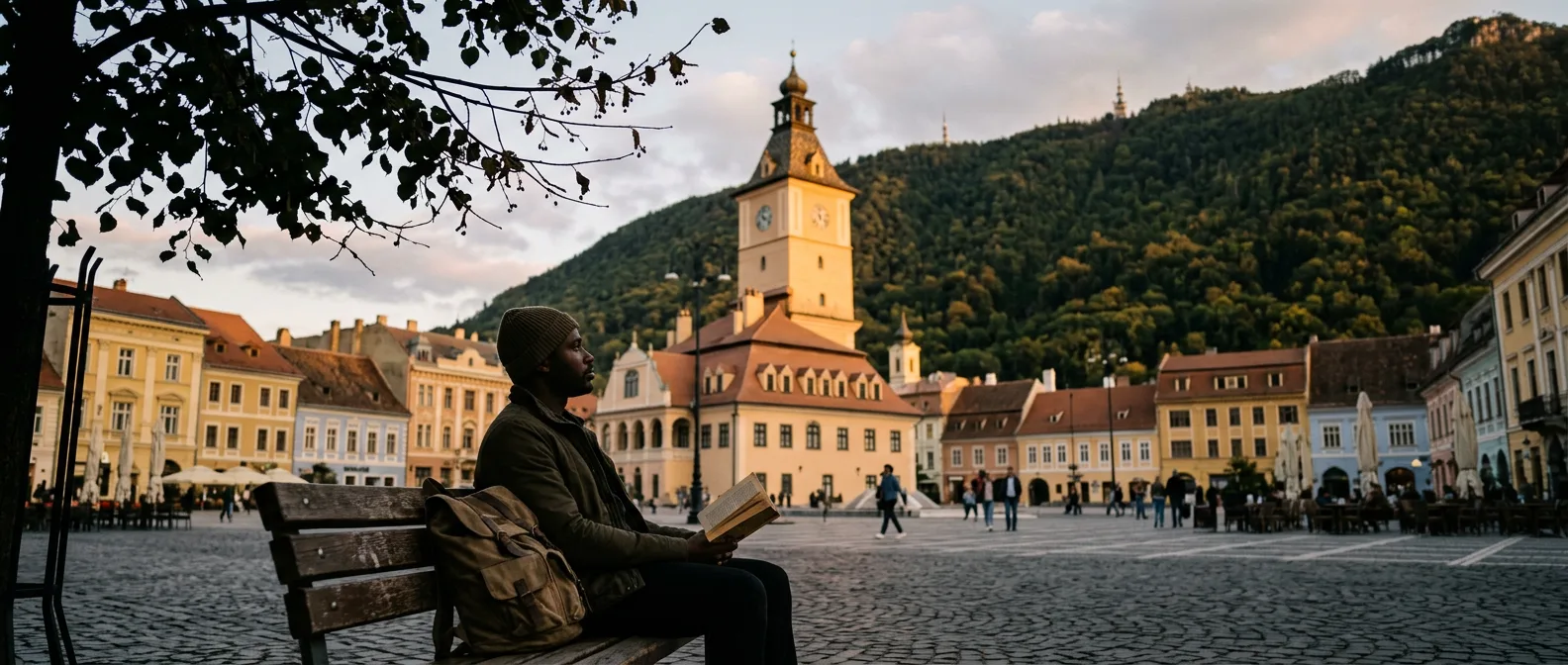
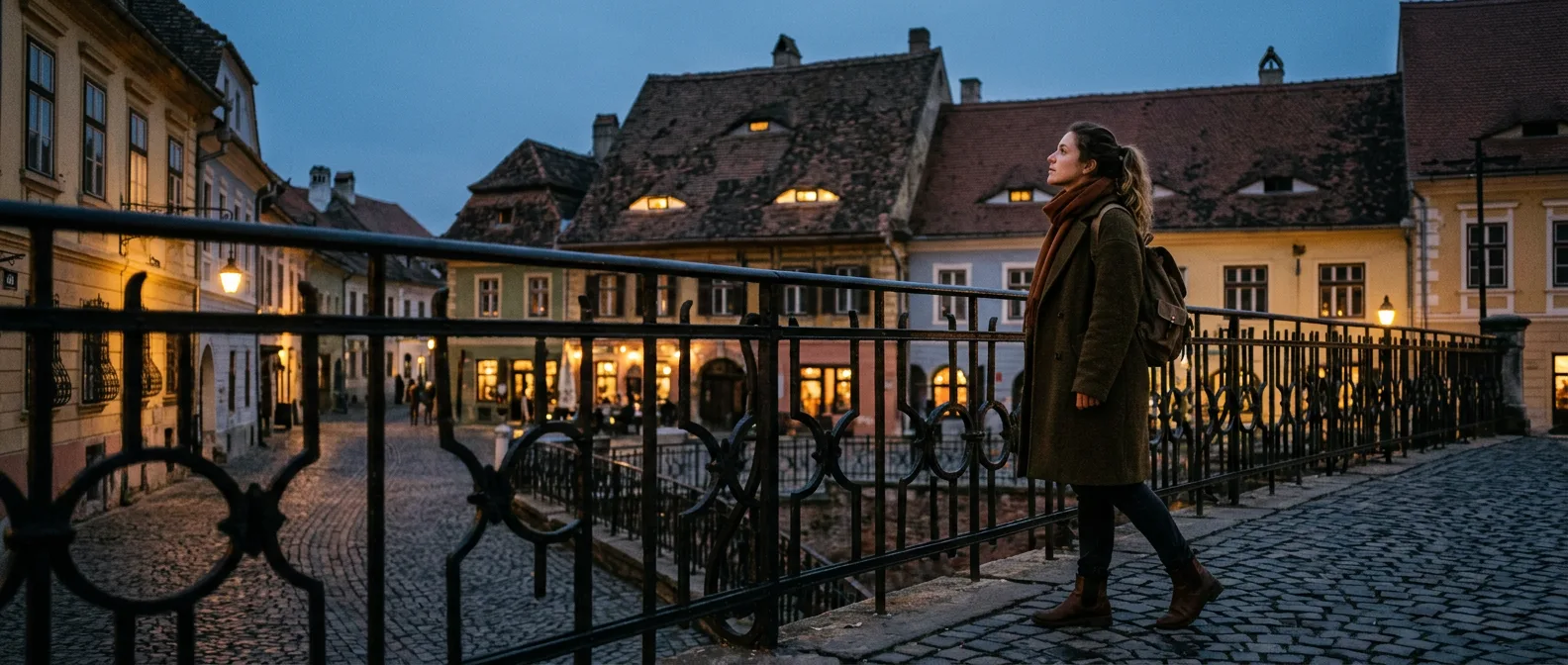
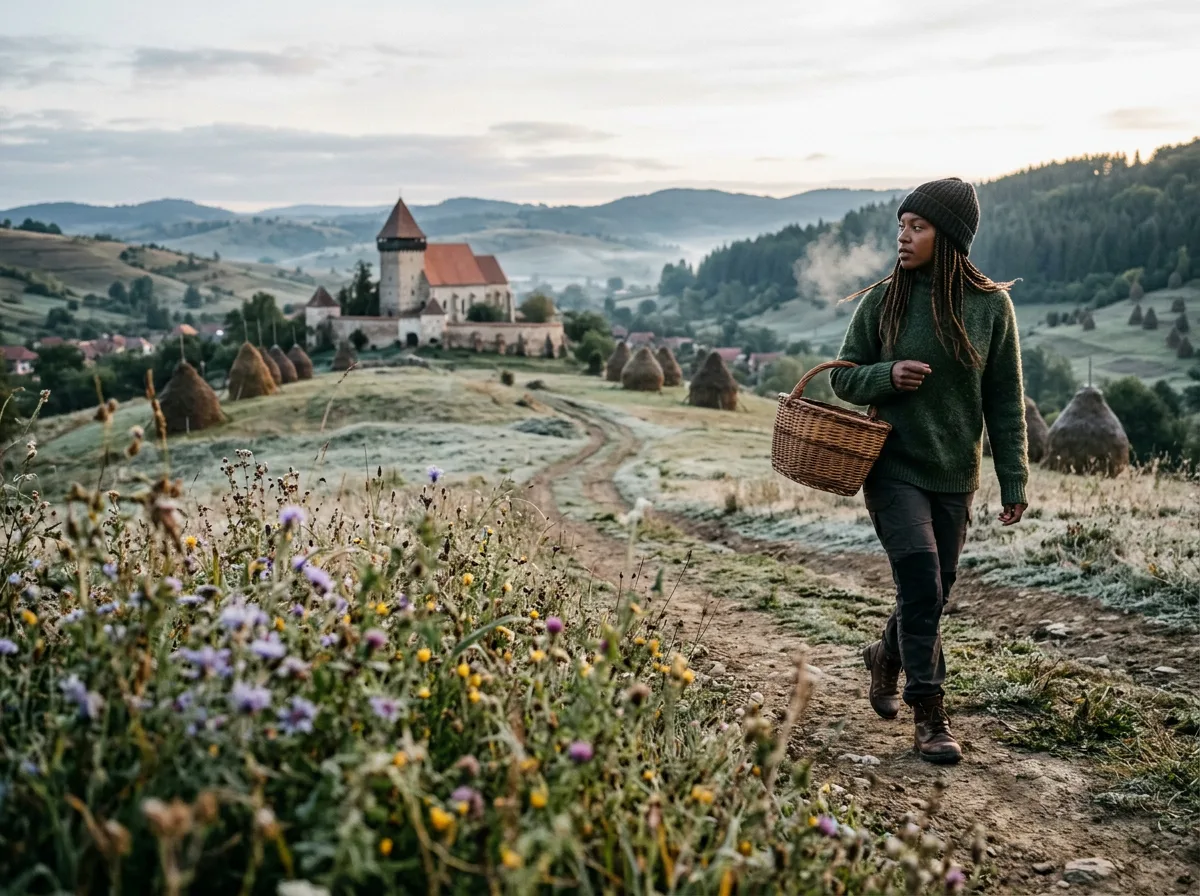
What Romania offers beyond accessibility: the Carpathian Mountains are one of Europe’s last genuinely wild landscapes — brown bears, grey wolves, and Eurasian lynx roam the forests in numbers that exist nowhere else on the continent. Transylvania’s Saxon towns (Sighișoara — a UNESCO World Heritage inhabited citadel; Sibiu — European Capital of Culture 2007; Brașov — a medieval walled city below a mountain that sees real wild bears) are among Eastern Europe’s most beautiful and least overcrowded historic places. Bucharest is a city of genuine energy and considerable historical contradiction — one of Europe’s largest and most controversial buildings (the Palace of the Parliament, Ceaușescu’s megalomaniac monument, the second-largest administrative building in the world) sits alongside 19th-century French-influenced villas and an increasingly vibrant tech and creative scene.
The TEFL Org specifically names Romania among Eastern Europe’s more robust English teaching markets — a recommendation that sits behind this cluster’s inclusion in the build. The market is smaller than Poland, Czechia, or Hungary but it is real, and for the right teacher — particularly EU citizens early in their TEFL careers — it is an excellent choice.
What to know before choosing Romania
The most important financial fact: The TEFL Org states directly that “most teachers will find it hard to afford to live in Romania on the wage of just one full-time job.” This is not a deterrent; it is context. Romanian TEFL positions at language schools pay modestly (€500–1,000/month) and the cost of living is low — but many teachers supplement with private tutoring or online teaching to reach comfortable income levels. Romania is an experience destination for teachers, not a financial accumulation destination. Teachers who choose it for the cultural experience and affordable European living consistently do well; those seeking Korean or UAE-level savings will be disappointed.
Romania’s genuine advantages
- EU membership — full travel rights; Schengen access
- Lowest entry bar in European TEFL — degree often not required
- EU work rights for EU citizens — no visa process
- Lowest cost of living among EU countries covered in this guide
- Transylvania — genuinely beautiful and accessible
- Carpathian wildlife — brown bears, wolves, and lynx
- Warm local hospitality; good student motivation
- Growing tech economy creating corporate English demand
- Excellent internet infrastructure (some of Europe’s fastest speeds)
- English widely spoken by younger Romanians — easy settling in
Honest challenges
- Salaries modest — supplementary income often needed
- Smaller market than Poland, Czechia, or Hungary
- Public school positions limited for foreign teachers
- Non-EU work permit harder than in Asia; some employers won’t attempt it
- Romanian language — not required but daily life harder without it
- Some older infrastructure; public healthcare quality variable
- Bucharest housing costs rising faster than salaries
- Winters in Bucharest are grey; Transylvanian winters are cold
Ready to teach English abroad?
Browse TEFL Heaven’s full range of teacher placement programs — from Southeast Asia to Europe and Latin America.
Romania’s English teaching job market
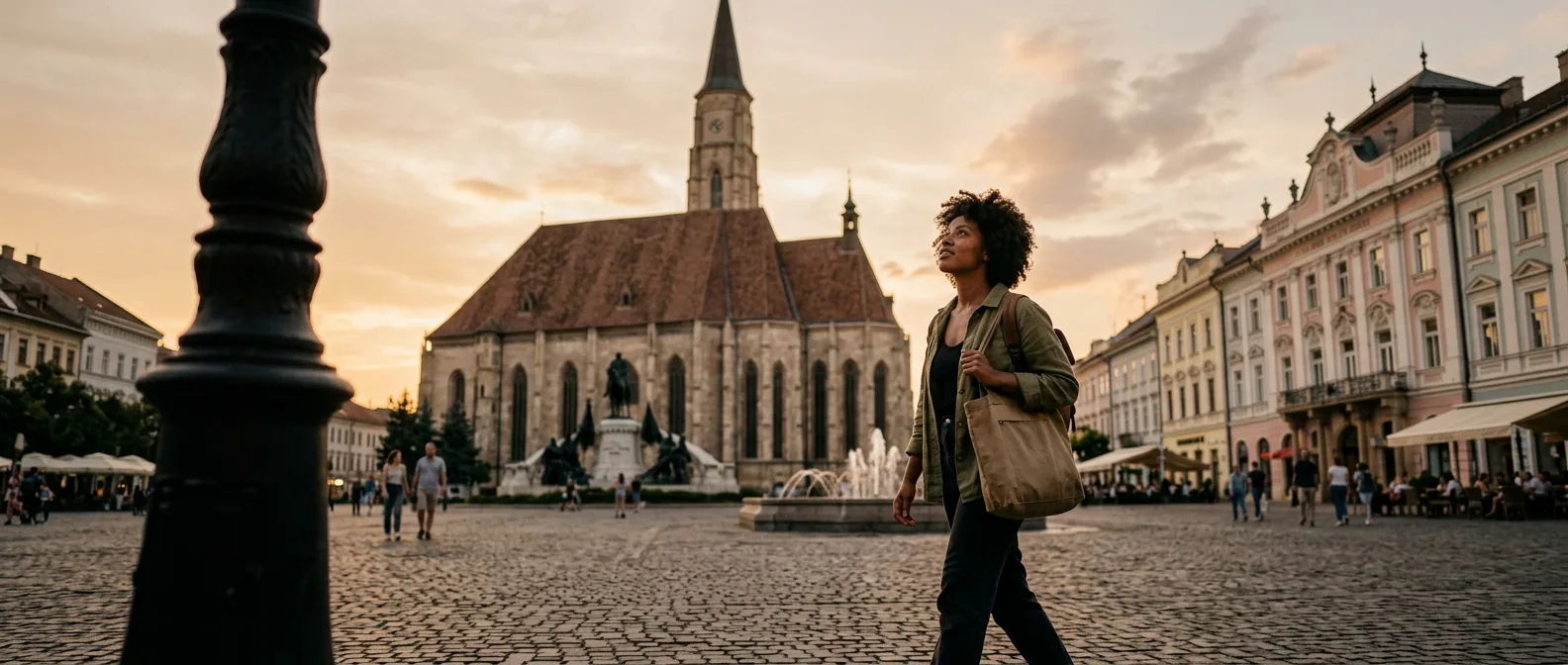
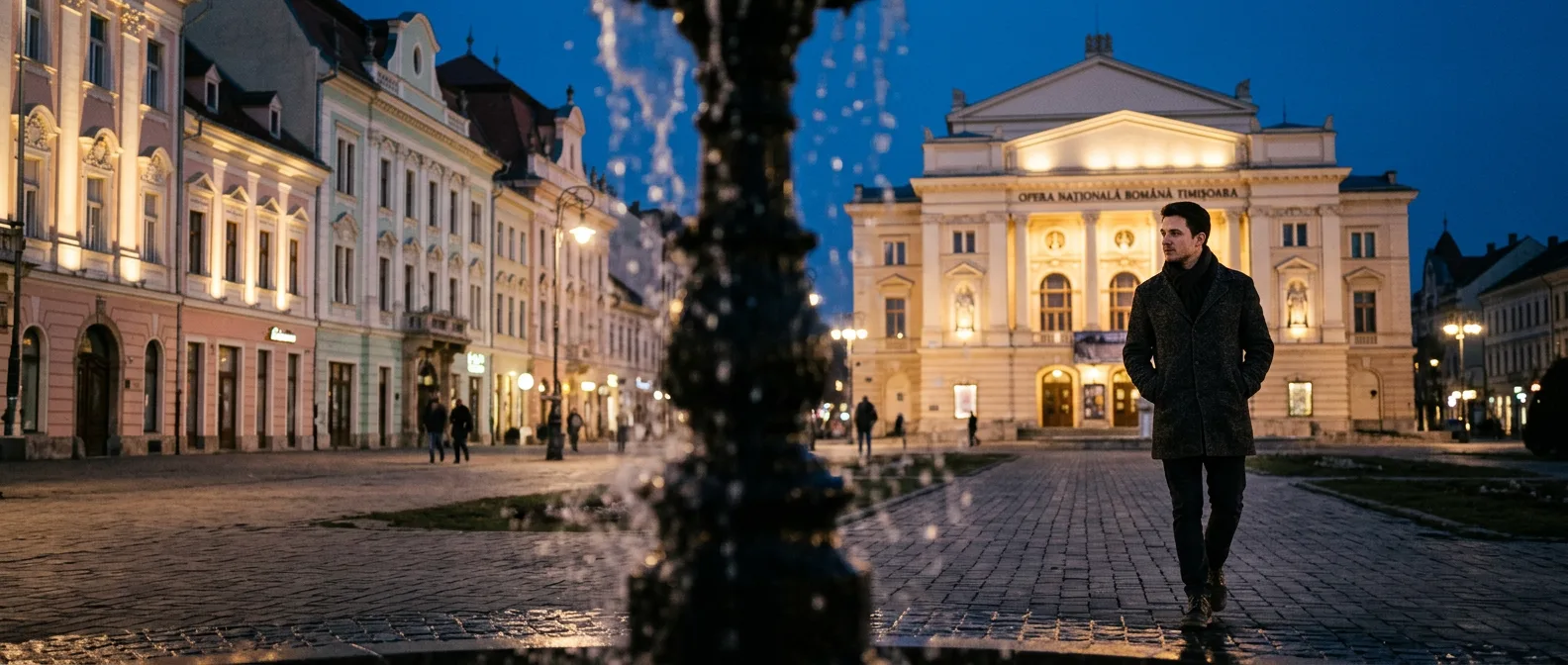
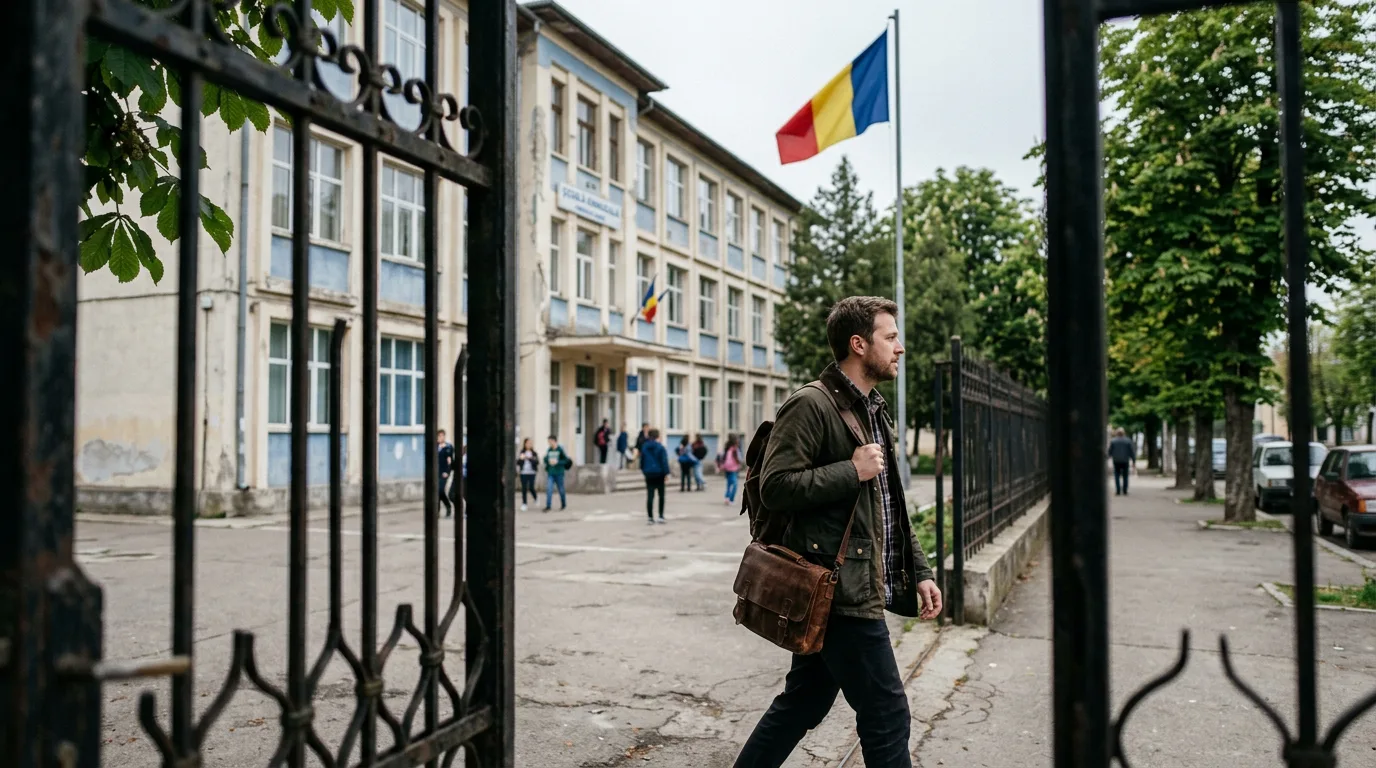
Private language schools and academies are the primary English teaching employers in Romania. Bucharest has the most positions; Cluj-Napoca, Timișoara, and Brașov are the strongest secondary markets. International schools (concentrated in Bucharest) pay significantly better than language schools and require bachelor’s degrees and teaching experience. The British Council Teaching Centre in Bucharest requires CELTA plus two years’ experience. International House Bucharest is another well-regarded employer.
The public school market is largely closed to foreign teachers — Romanian English teachers do a good job teaching English, and public school budgets don’t support the higher wages needed to attract foreign staff. Some positions exist but they are uncommon. Private tutoring supplements language school positions for most teachers — demand exists from university students, business professionals, and exam candidates. Angloville runs volunteer conversation camp programmes in Romania where teachers receive accommodation and meals in exchange for conversation sessions — a good way to get a foot in the door.
Private language schools
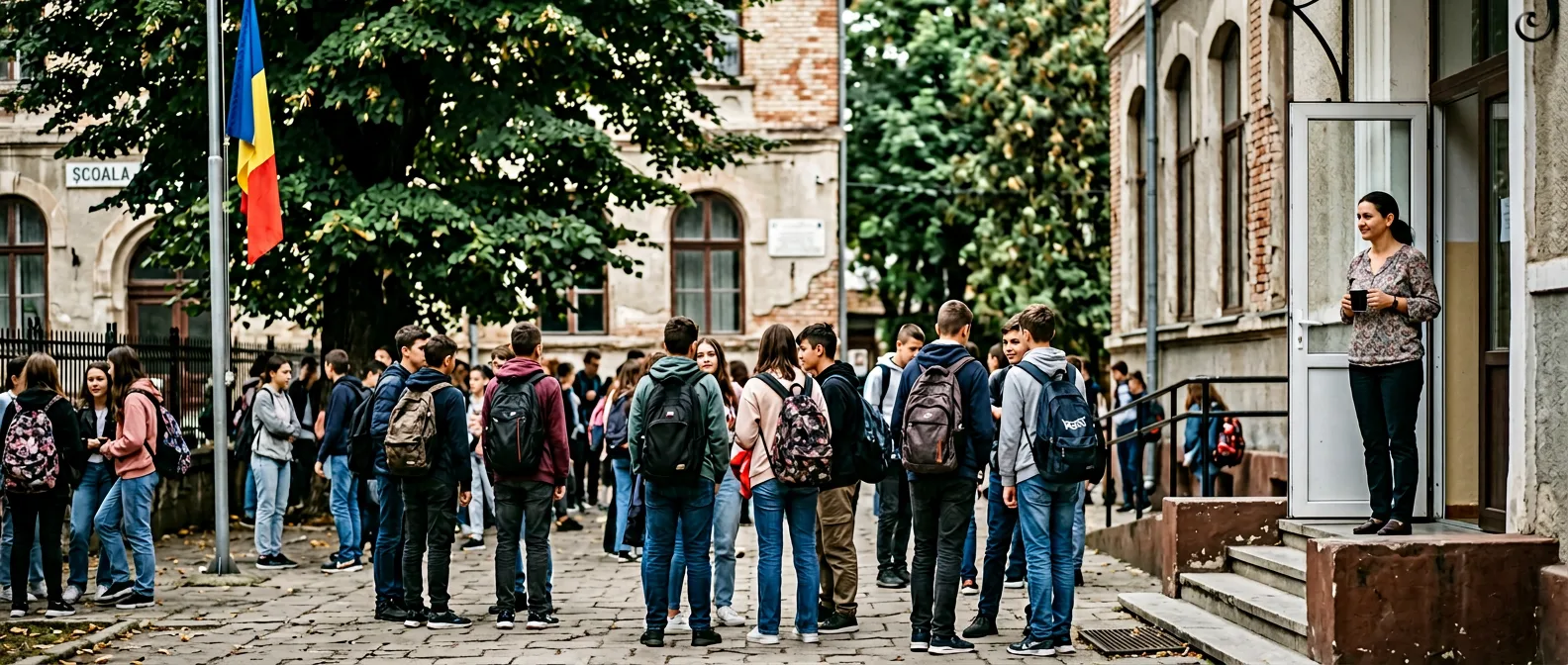
Most numerous employers. Bucharest and major cities. Salary €500–1,000/mo. Some include housing or accommodation. Small classes (6–12 students). TEFL only required at many. Peak hiring January and September.
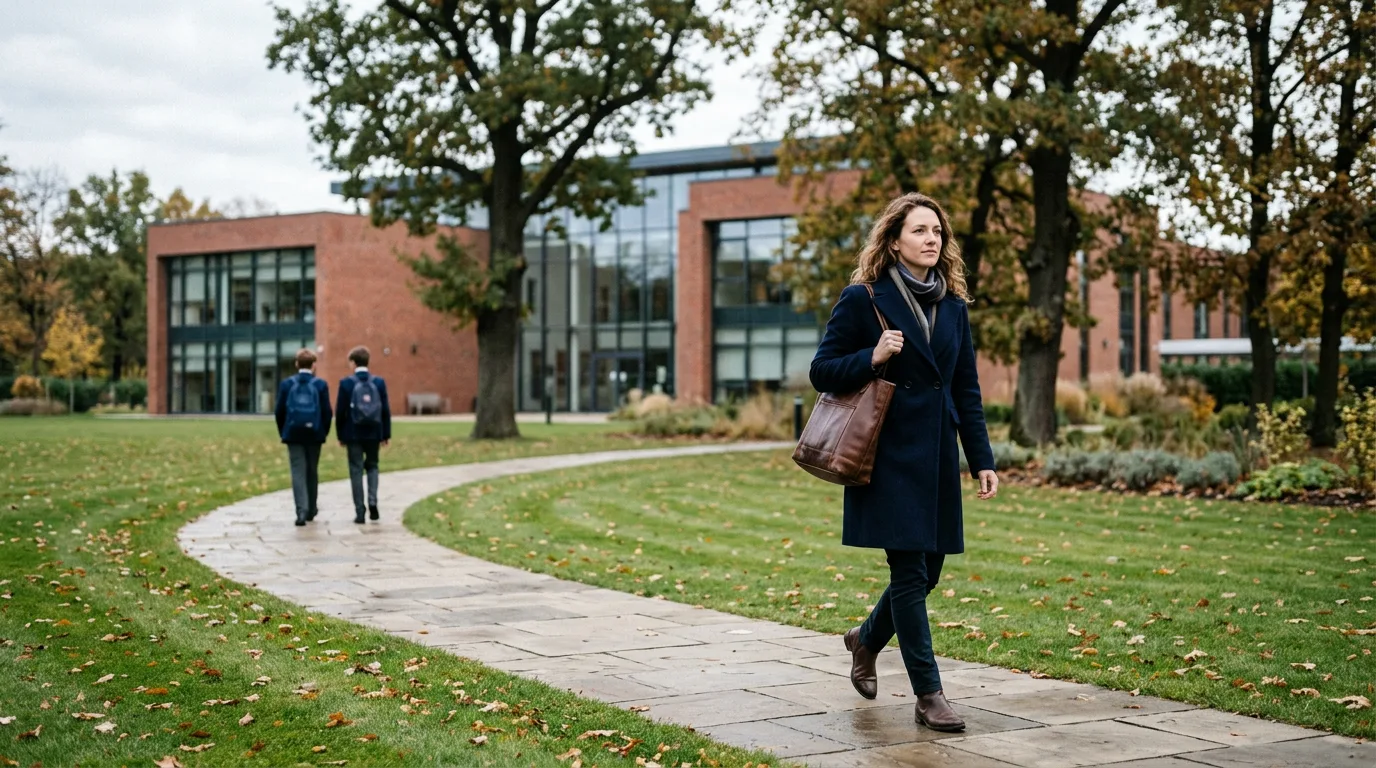
International schools
Concentrated in Bucharest. Salary €1,200–1,800/mo. Require bachelor’s degree and teaching experience. British School of Bucharest, American International School, and others. Best-paid positions in Romania.
Volunteer + camps
Angloville Romania: accommodation + meals in exchange for conversation teaching. Good entry point. Summer English camps throughout Transylvania: accommodation + meals + small payment. Accessible without degree.
Who should choose Romania
| Profile | Romania verdict |
|---|---|
| EU citizen, early TEFL career, no degree yet | Excellent — the most accessible EU teaching market with full work rights |
| Teacher who wants Eastern Europe at lowest cost | Excellent — cheapest EU teaching destination in this guide |
| Teacher seeking Transylvania / Carpathian adventure | Excellent — unique European landscape accessible from any Romanian city |
| Non-EU teacher targeting Eastern Europe | Good — possible but harder; Poland or Czechia may be easier for work permits |
| Teacher prioritising salary or savings | Not recommended — see Turkey, UAE, or Saudi Arabia instead |
| Experienced teacher seeking international school | Good — Bucharest international schools pay reasonably; smaller market |
| Teacher wanting corporate English career | Growing — Bucharest’s tech and finance sector creating Business English demand |
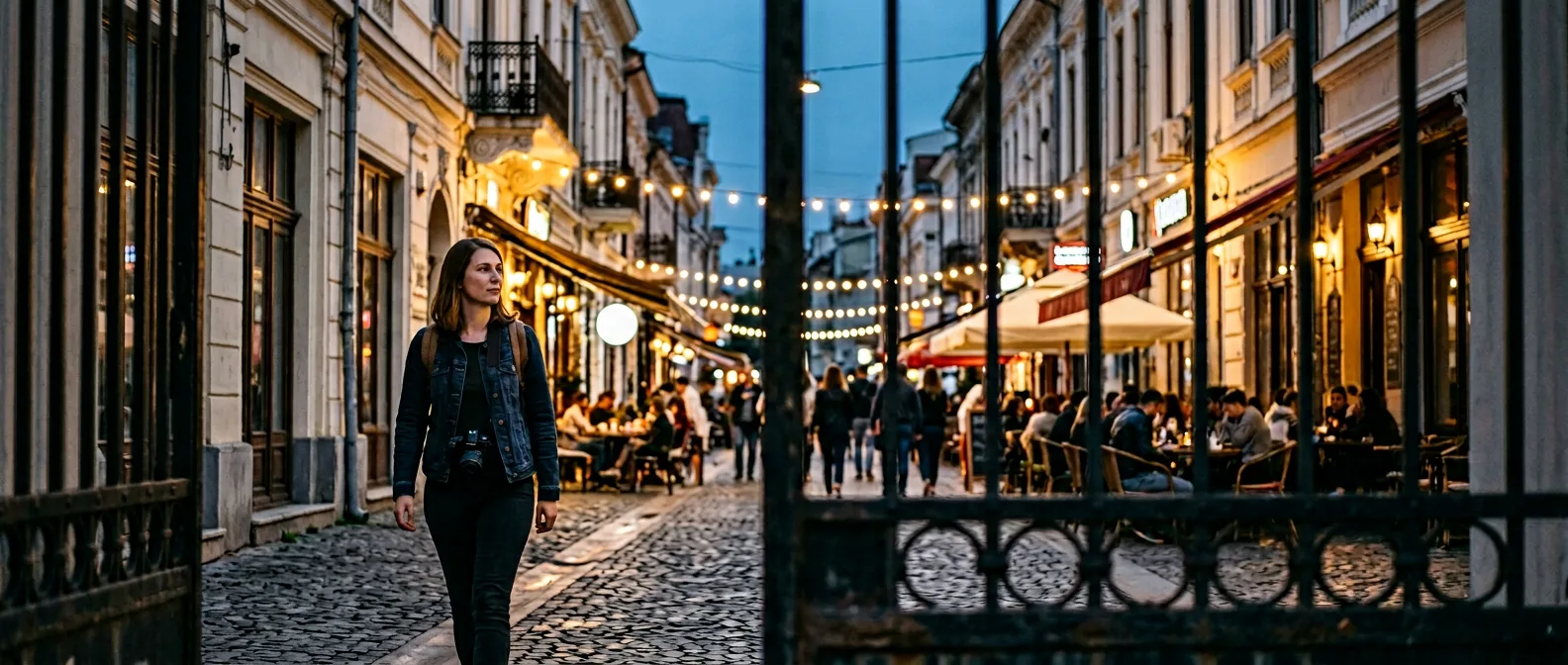
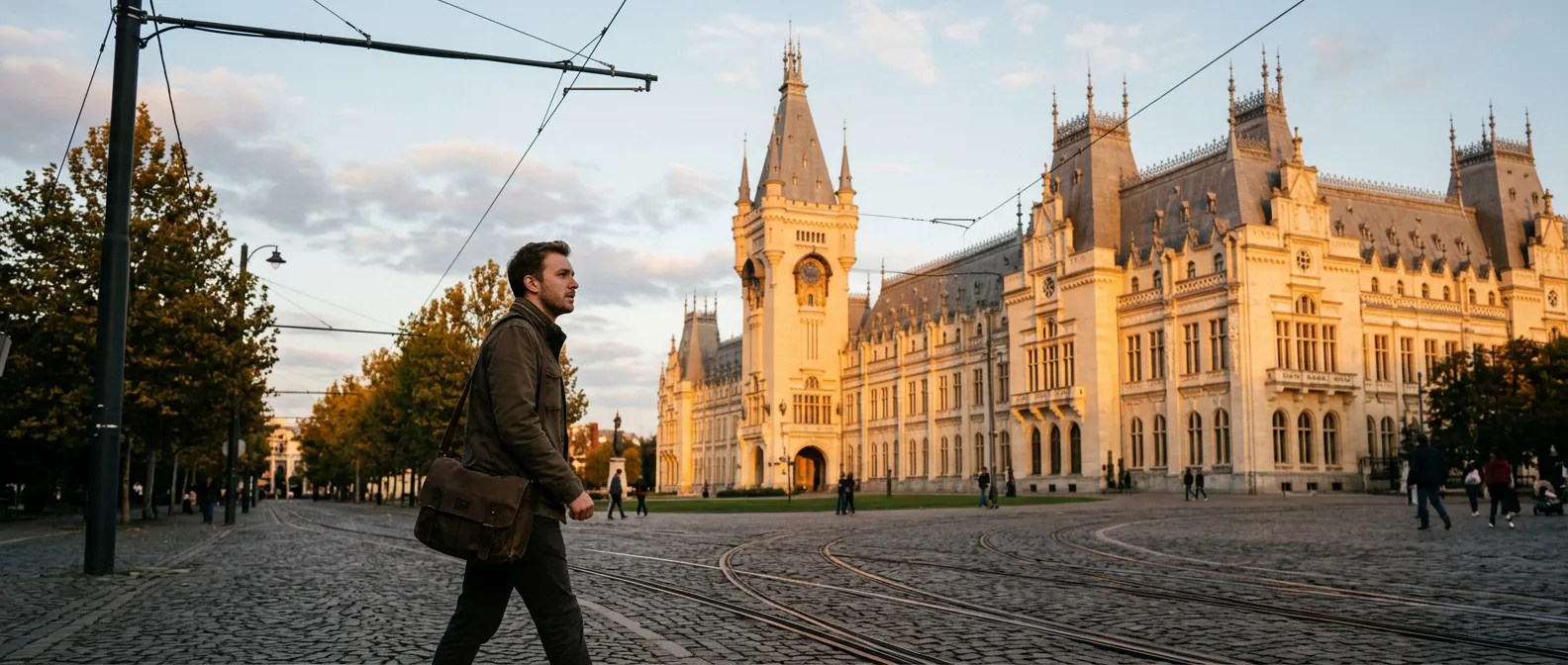
Best cities for English teachers in Romania
Three school types in Romania
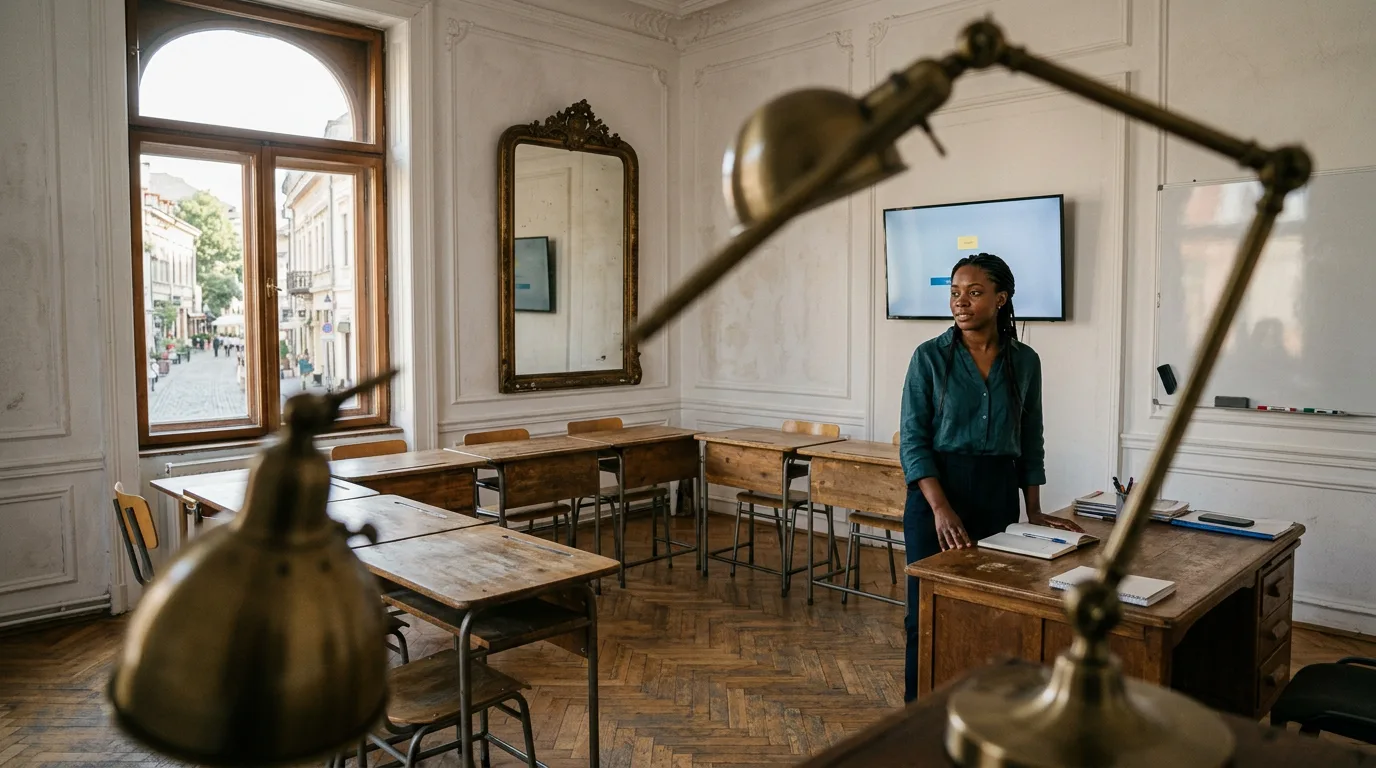
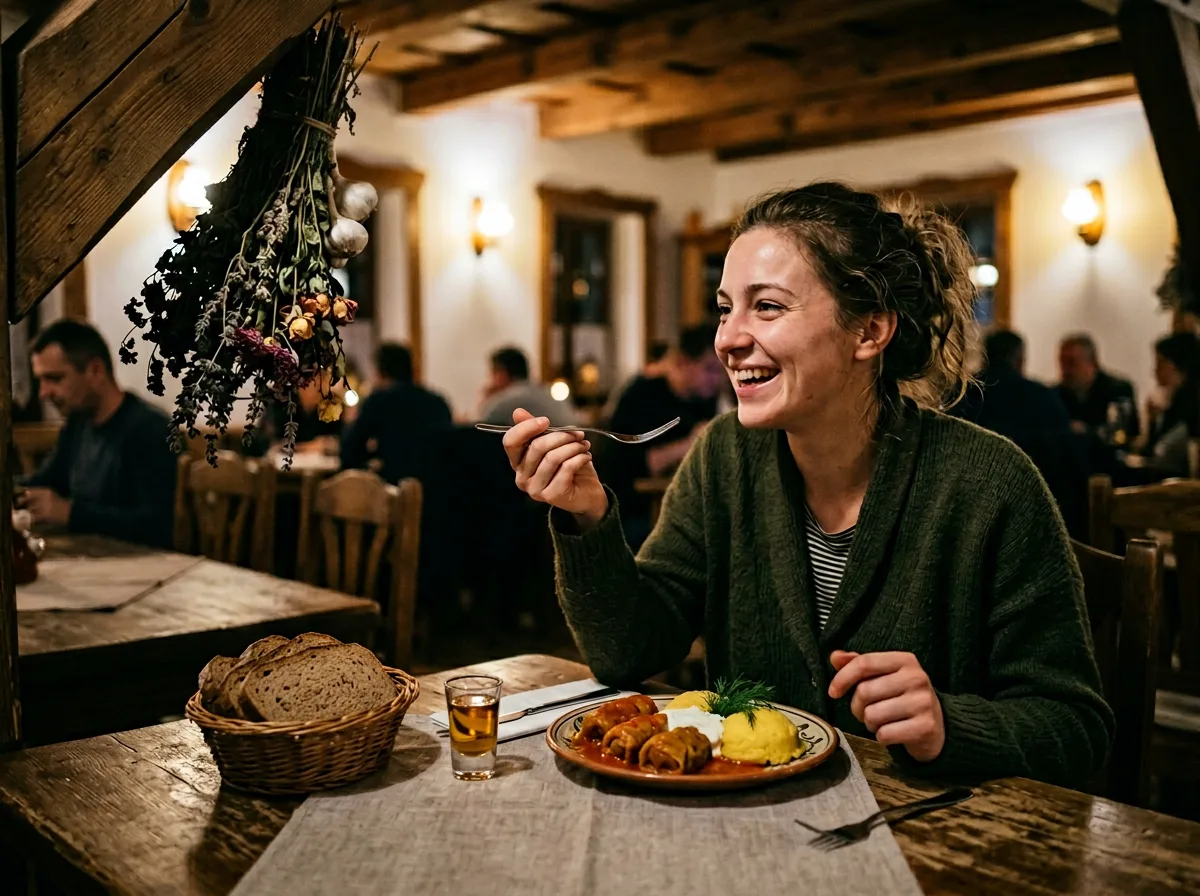
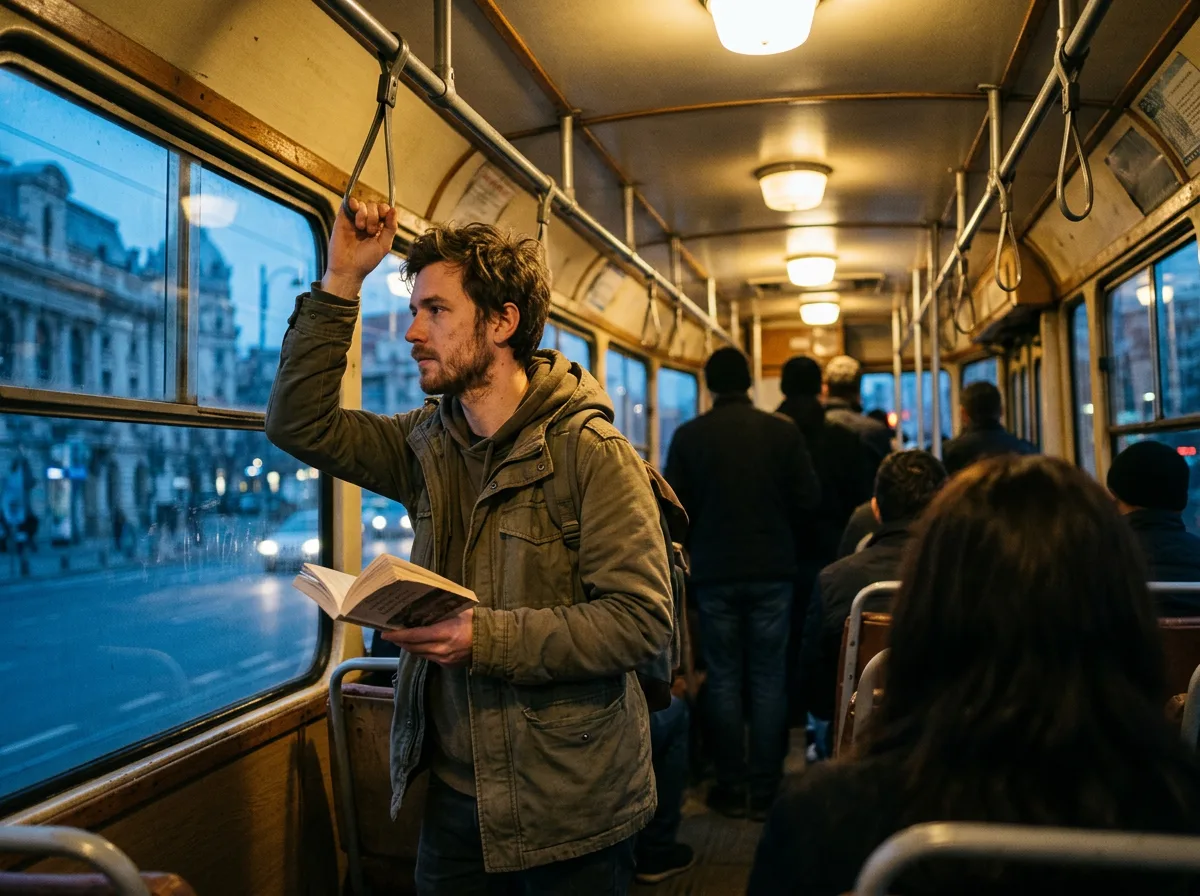
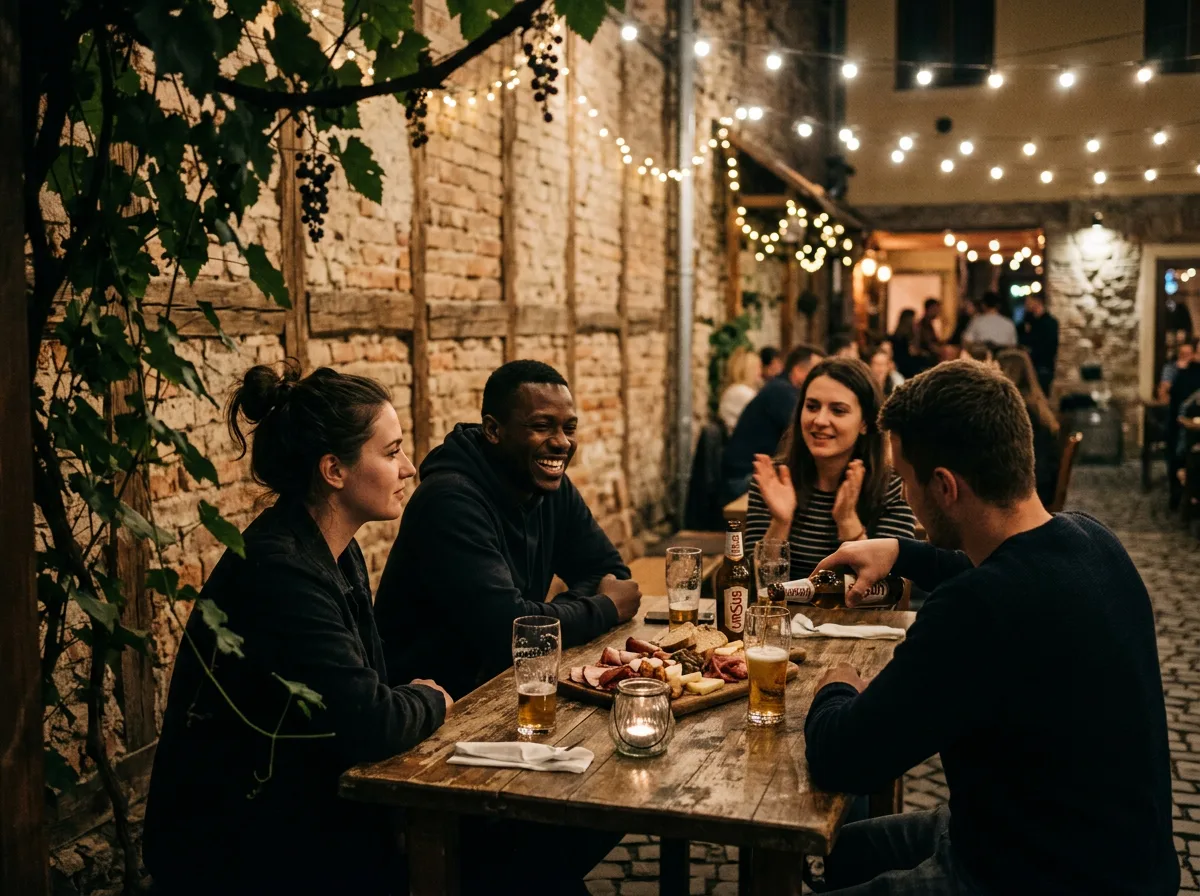
What teaching in Romania actually feels like
What you need to teach in Romania
Romania has one of Europe's lowest formal barriers to TEFL entry. EU citizens have full work rights without visas. Many language schools accept a 120-hour TEFL certificate without requiring a bachelor's degree — making Romania the most accessible European teaching market for early-career teachers.
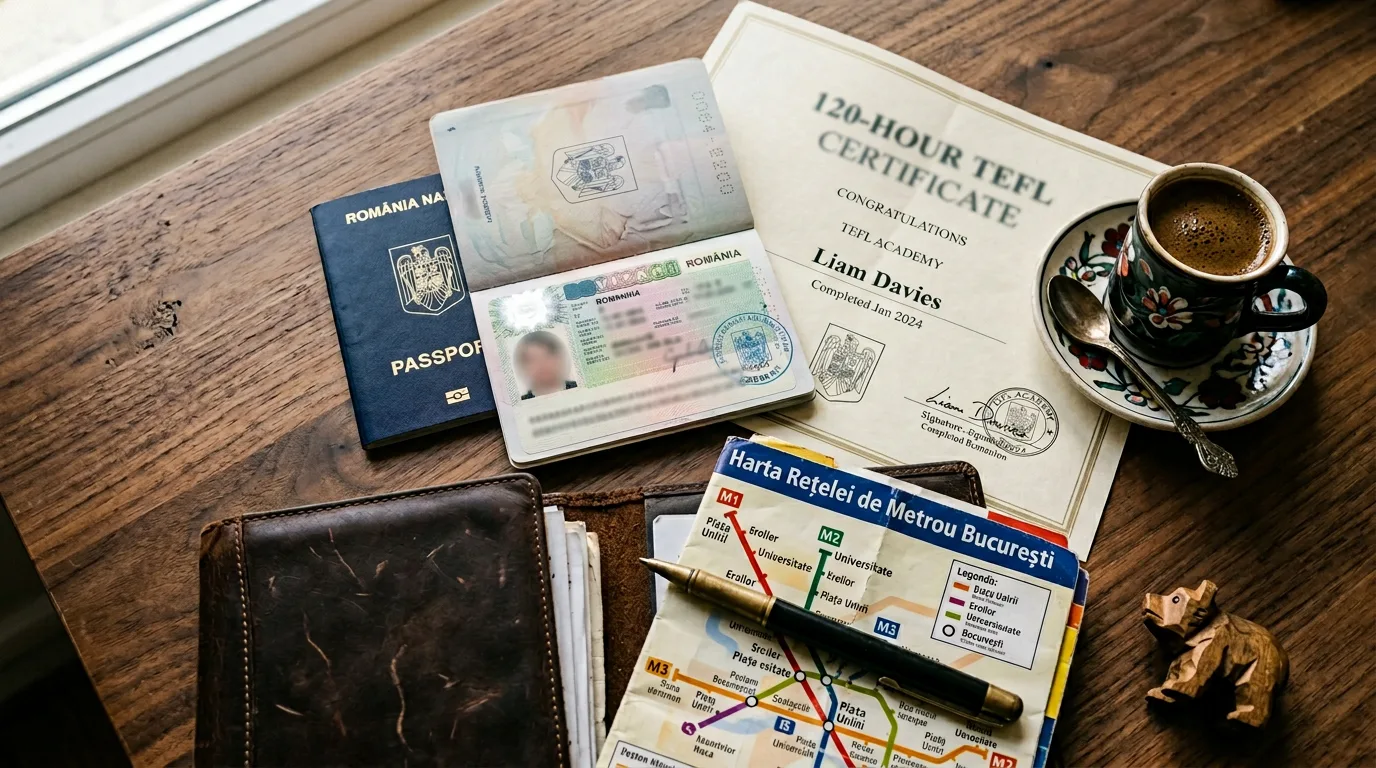
Everything you need to teach in Romania
FAQ: Teaching English in Romania
Do I need a degree to teach English in Romania?
No — Romania is notable among European TEFL markets for not requiring a degree at many language schools. A 120-hour TEFL certificate is often the only formal qualification required for entry-level positions. A degree is preferred at most schools, required at international schools and universities, and expected by British Council Bucharest (which also requires CELTA and 2 years’ experience). For EU citizens without degrees who are new to TEFL, Romania is the most accessible European entry point in this guide.
Is Romania safe for foreign teachers?
Yes. Romania is consistently rated among Eastern Europe’s safest countries. Bucharest is described by Numbeo contributors as “extremely safe, much safer than any city in Western Europe.” Petty crime exists in tourist areas as it does anywhere in Europe. Overall, safety is not a concern that should influence the decision to teach in Romania.
Ready to teach English abroad?
Romania — medieval castles in the Carpathians, one of the EU’s most affordable capitals, and a TEFL market that asks for less and gives back a great deal. TEFL Heaven places teachers across Southeast Asia, Europe, and Latin America — browse our full program range to find your best fit.
TEFL Heaven · Placing teachers abroad since 2007 · 3,000+ teachers placed worldwide