
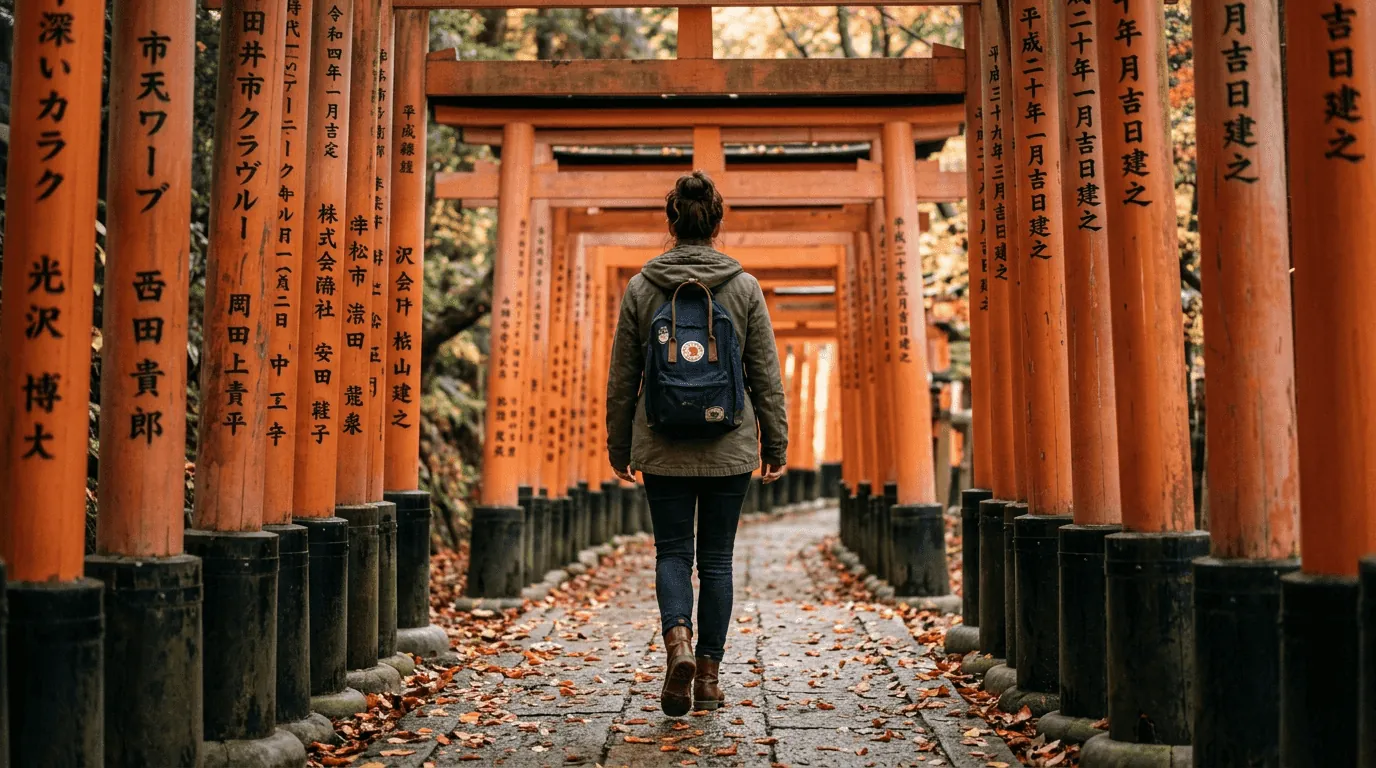
Teach English in Japan
Teach kids ages 4 to 18 with a guaranteed paid placement. ¥215,000–¥250,000 / month ($1,400–$1,900 USD), free in-country support, and one of the most fascinating countries on earth as your daily backdrop.
Still researching? Read the Japan country guide →
Change your life — and others' — through teaching abroad.
Bring meaning and fulfilment by developing your leadership, teaching, and organisation skills. Let others be grateful for your contribution, while you grow in ways you never expected.
"Japan is a teacher's teacher. Once you've taught in Japan, every other classroom feels easier.
The structure is real. Punctuality matters. Lessons start on time, end on time, and the kids work hard. There's a reason Japan keeps producing teachers who stay in the profession for decades — the country teaches you how to teach properly.
Don't expect Tokyo or Osaka. Most placements are in smaller towns where the country actually lives. That's where the magic happens."

What's included in the Japan program
Everything you need to land safely in a paid teaching role at a Japanese school.
120-hour accredited TESOL course
4-week course with a 1-week culture/language orientation, taught in person by our in-country team at a TQUK-approved centre — recognised across Asia.
¥215K–¥250K monthly + savings of $150–$400+
Real first-job salary. Most teachers save $150–$400/month while still covering rent, food, and weekend trips. Expect roughly 10–15% of salary to go on tax, pension and health insurance in year one.
School-provided housing (or help finding it)
Many placements include school housing. Where they don't, we help you find it. Rent typically $350–$550/month.
Instructor or Specialist visa via Certificate of Eligibility
Your school applies for the COE (4–6 weeks, sometimes up to 10). You take it to your nearest Japanese embassy. Full guidance from us throughout.
Week by week, what your TESOL course looks like
Mapped out so you know exactly what you're walking into.
Japan culture & language
Welcome sushi, museum trips, cooking class, castle tour, beginner Japanese, presentations on Japanese life. You meet your cohort and the country.
Methodology & planning
Modern TEFL methodology, classroom management, grammar from the learner's view. Your first lesson plans and micro-lessons.
Live teaching
Specialist modules in young learners and online teaching. Real classroom hours with feedback in the same session.
Final practice + placement
Final observed teaching at a local Japanese school. CV, video and mock interview prep. Job contacts shared. Onward to your placement.
Everything we include in your Japan program
We handle the friction so you can focus on the work.
Real teachers in Japan, real reviews.
 Sara’s video reviewWatch on our reviews page
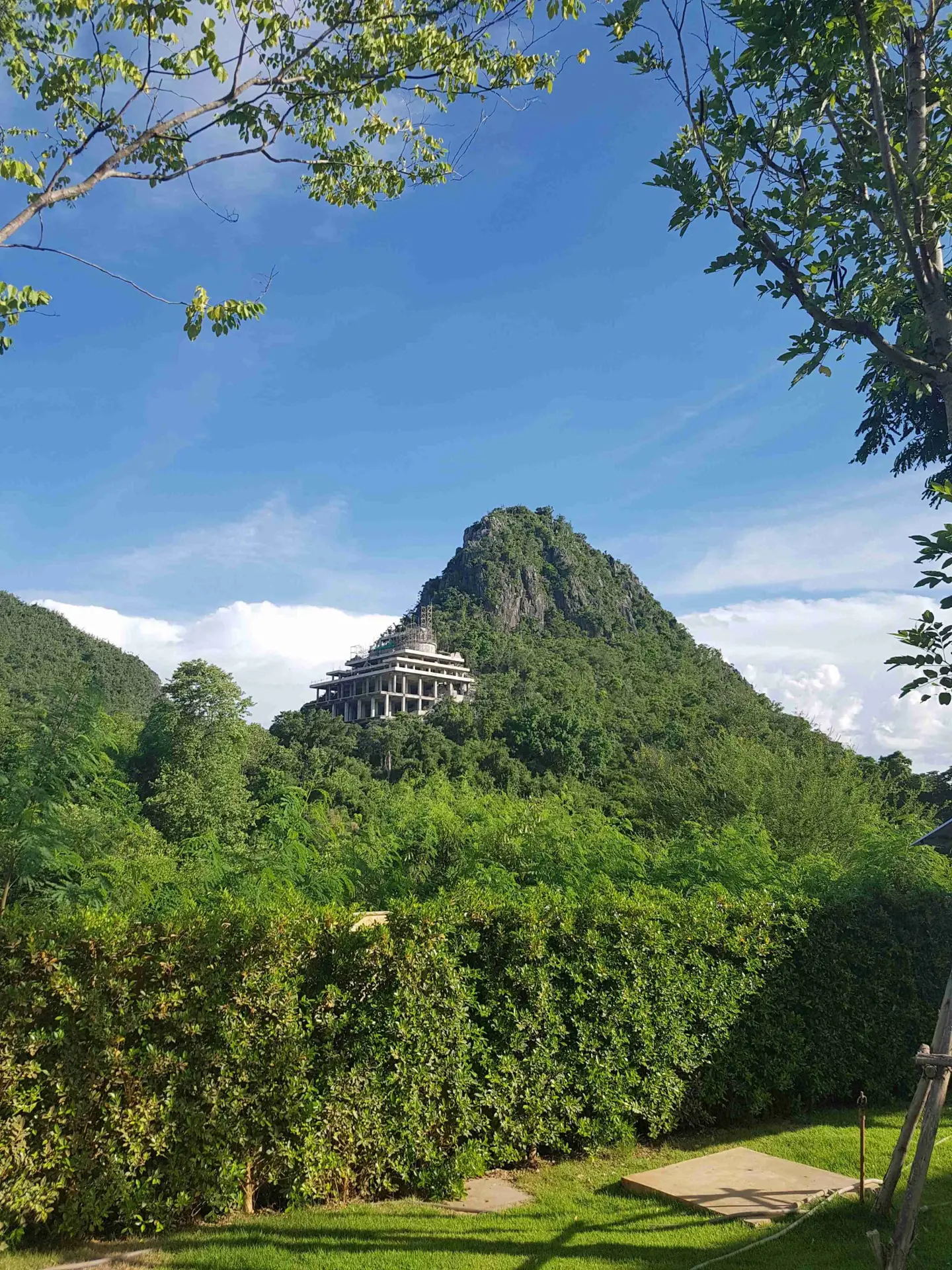 John · ThailandRead the written story
 Jemina’s video reviewWatch on our reviews page
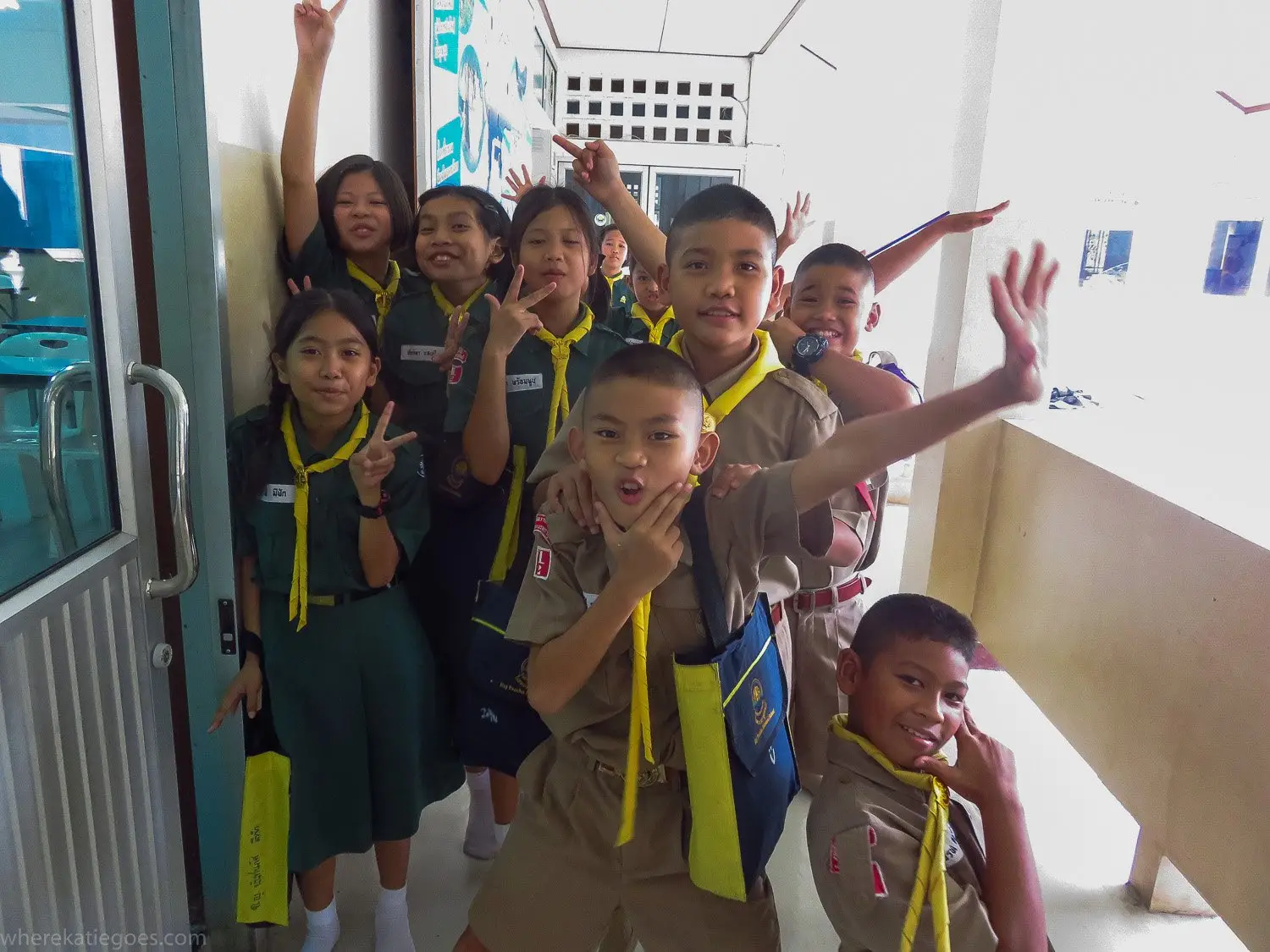 Katie · ThailandRead the written story
 Rachel’s video reviewWatch on our reviews page
 Kristen · ThailandRead the written story
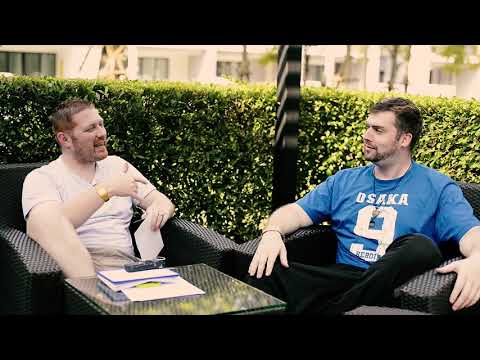 Peter’s video reviewWatch on our reviews page
 Siobhan · ThailandRead the written story
 Kaley’s video reviewWatch on our reviews page
 Stephanie · ThailandRead the written story
 Emily’s video reviewWatch on our reviews page
 Eva · VietnamRead the written story
 Michelle’s video reviewWatch on our reviews page
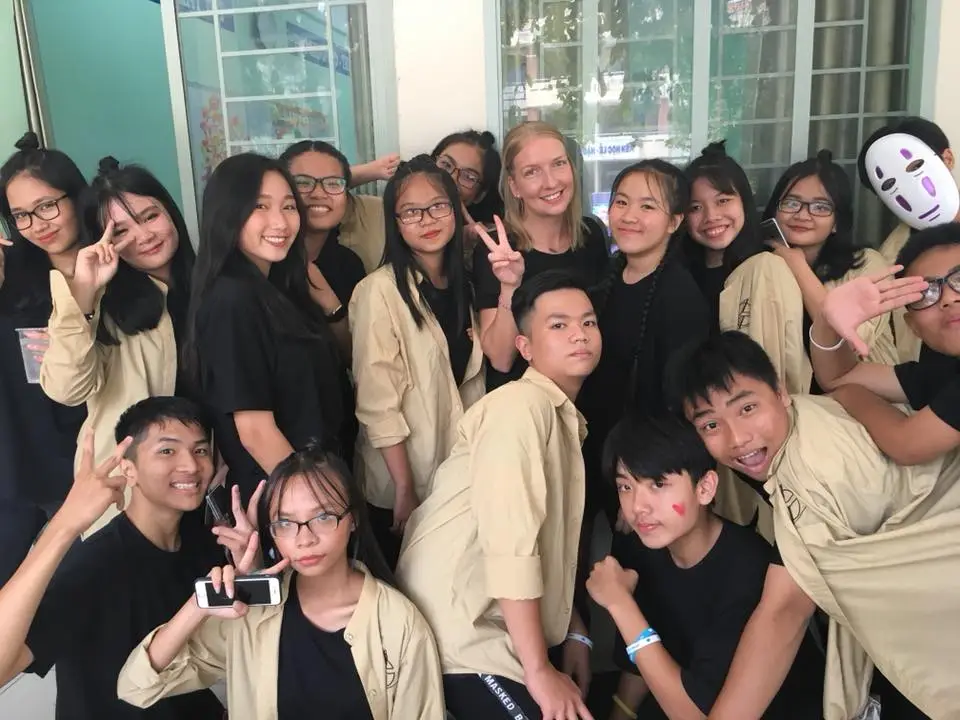 Jamie · VietnamRead the written story
 Christina’s video reviewWatch on our reviews page
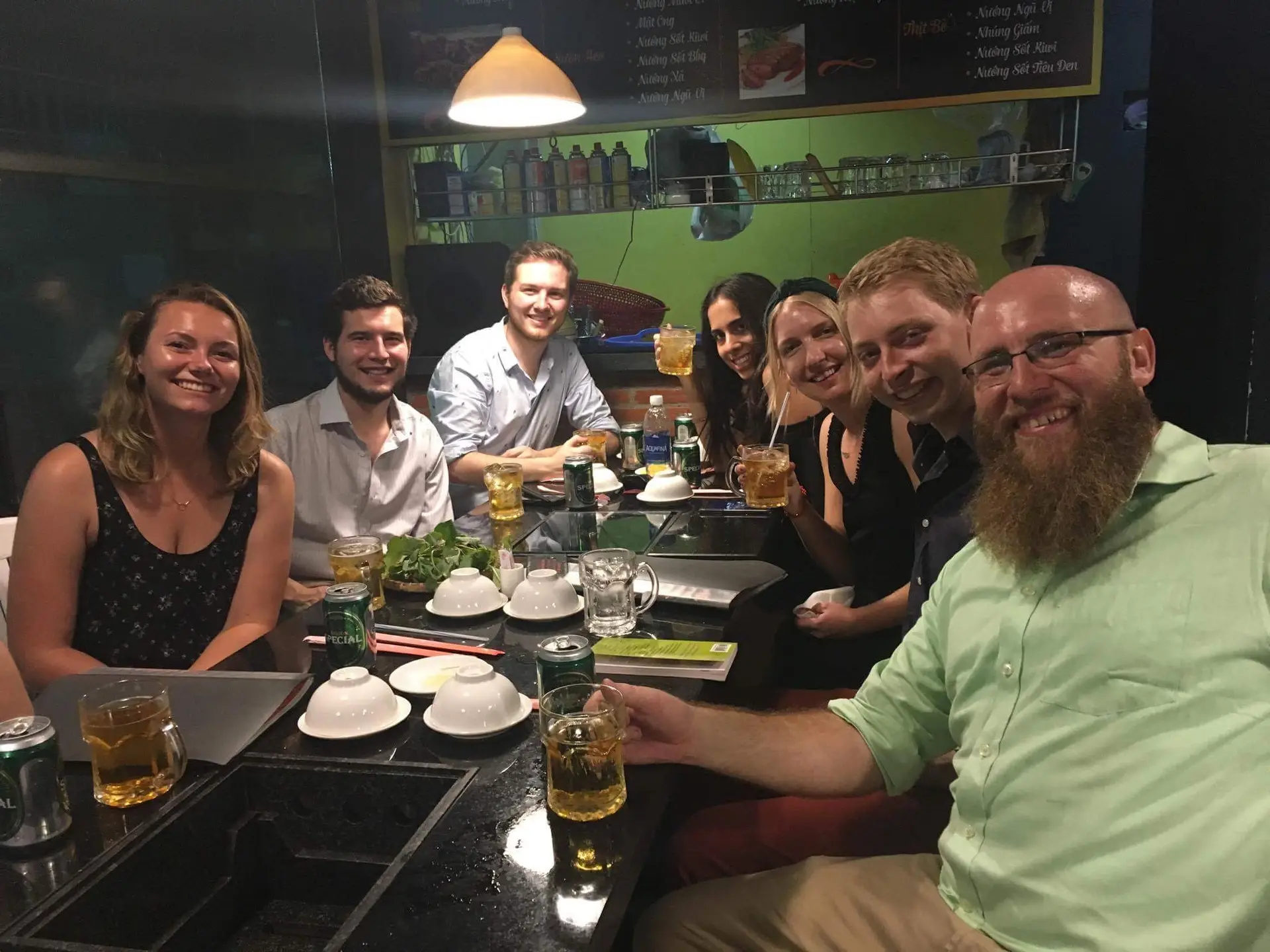 Laura · VietnamRead the written story
100 video reviews and 67 written stories, all on our reviews page.
Sound like your kind of place?
Tell us you're interested and we'll send the full program pack.
Teach abroad. Get paid to create.
You're already going to post photos and stories from your year abroad. Mike will show you how to do it properly — and we'll pay you $200 every time a friend books a program through your personal link. Included free.
A 14-lesson Creator Course
Learn content creation and storytelling properly — our Creator Framework, audience-building, and the viral blueprint. Taught by founder Mike Maitland (Bangkok, since 2007). Included free.
$200 for every booking
Share your personal link with friends, classmates and followers. Every person who books a TEFL Heaven program through it puts $200 USD straight in your pocket — real cash while you teach.
A teacher-creator community
Swap what's landing with the other TEFL Heaven teachers abroad — content ideas, what's working, what flops. Real teachers, not influencers.
This isn't a sales gimmick — it's our way of saying thank you for telling your friends. We've been doing it for our alumni for years; we just made it official.
Why Japan
Japan is the country that takes teaching seriously. Schools are well-organised, kids work hard, and the structure forces you to become a better teacher faster. Don't expect Tokyo or Osaka — most placements are in smaller towns and prefectures, which is where Japan's character actually lives.
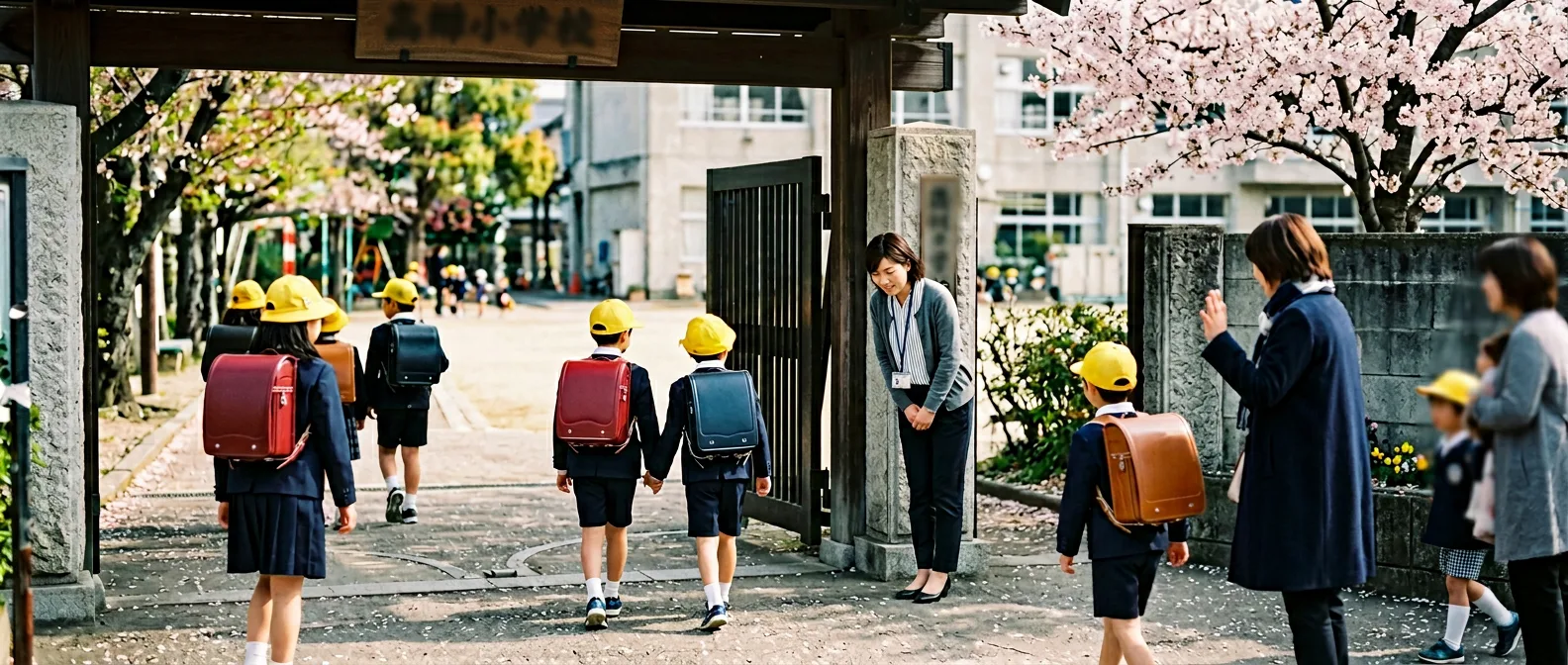
What teaching in Japan is really like
Japan has two main school types: Public schools (Mon–Fri 8:00–17:00, weekends off, ~25–30 kids per class, you team-teach with a Japanese teacher) and Eikaiwa private language schools (open 10:00–22:00, you'll work some weekends, 5–15 kids per class, you teach alone).
You teach kids ages 4 to 18, English only, with some Eikaiwa offering a few adult conversation classes too. The total work week is around 40 hours — about 25–35 of those are teaching.
Japanese classrooms are calm and serious. Discipline is internal — kids don't act up in front of a teacher the way they do in some other markets. It's structured, respectful, and demanding in a quiet way. Many teachers say it changed how they think about the profession entirely.
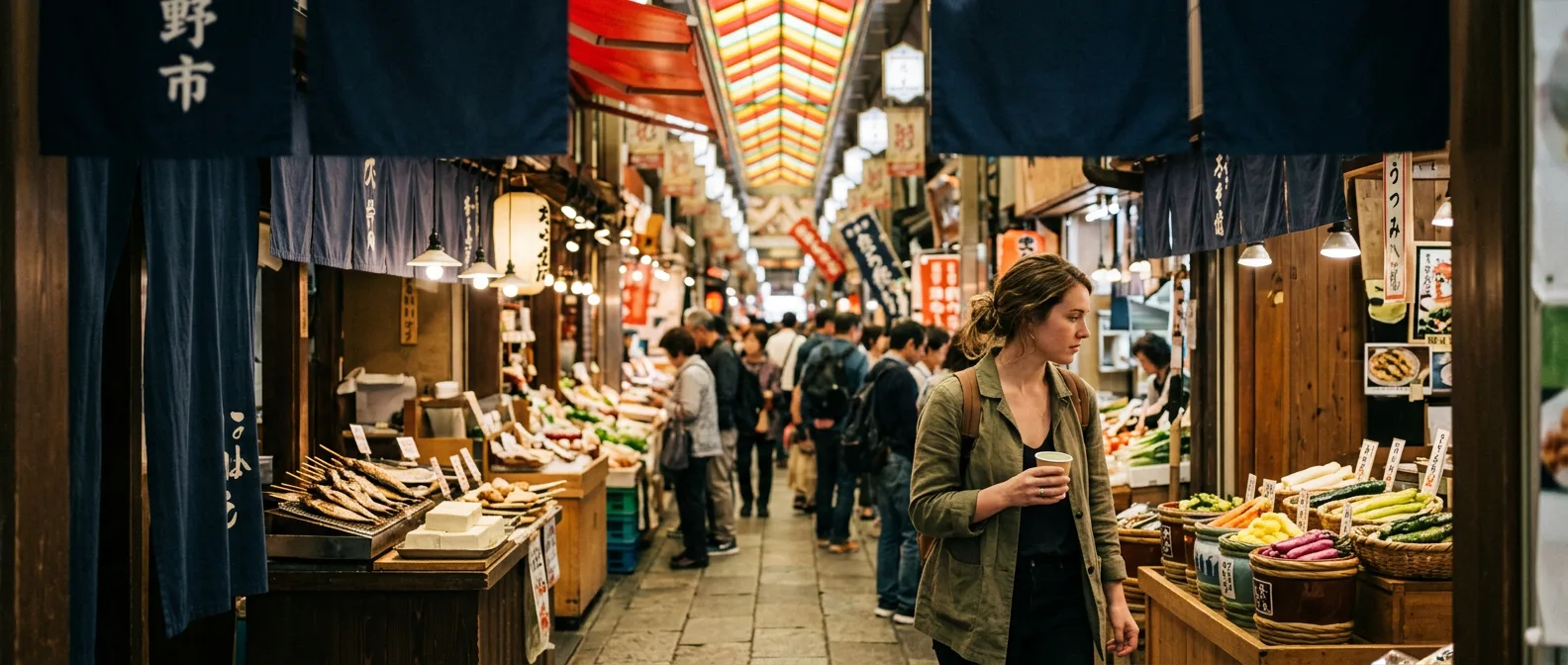
Cities we place teachers in
Placements happen all over Japan. Often smaller towns and regional prefectures — the parts of the country most travellers never see.
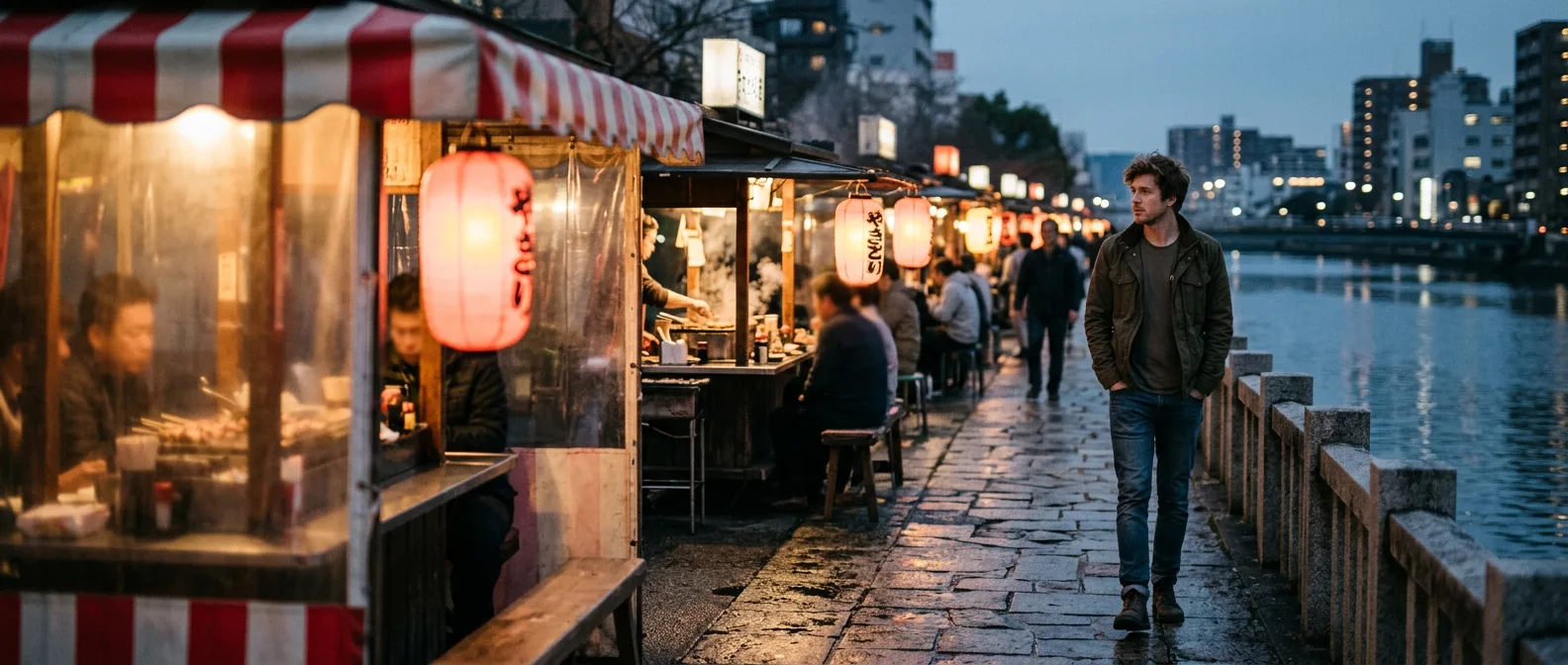 Smaller towns
Regional Japan — Nagano, Tochigi, Shimane, Kagoshima — is where most placements land. Lower rent, school-provided cars, and the real Japanese countryside.
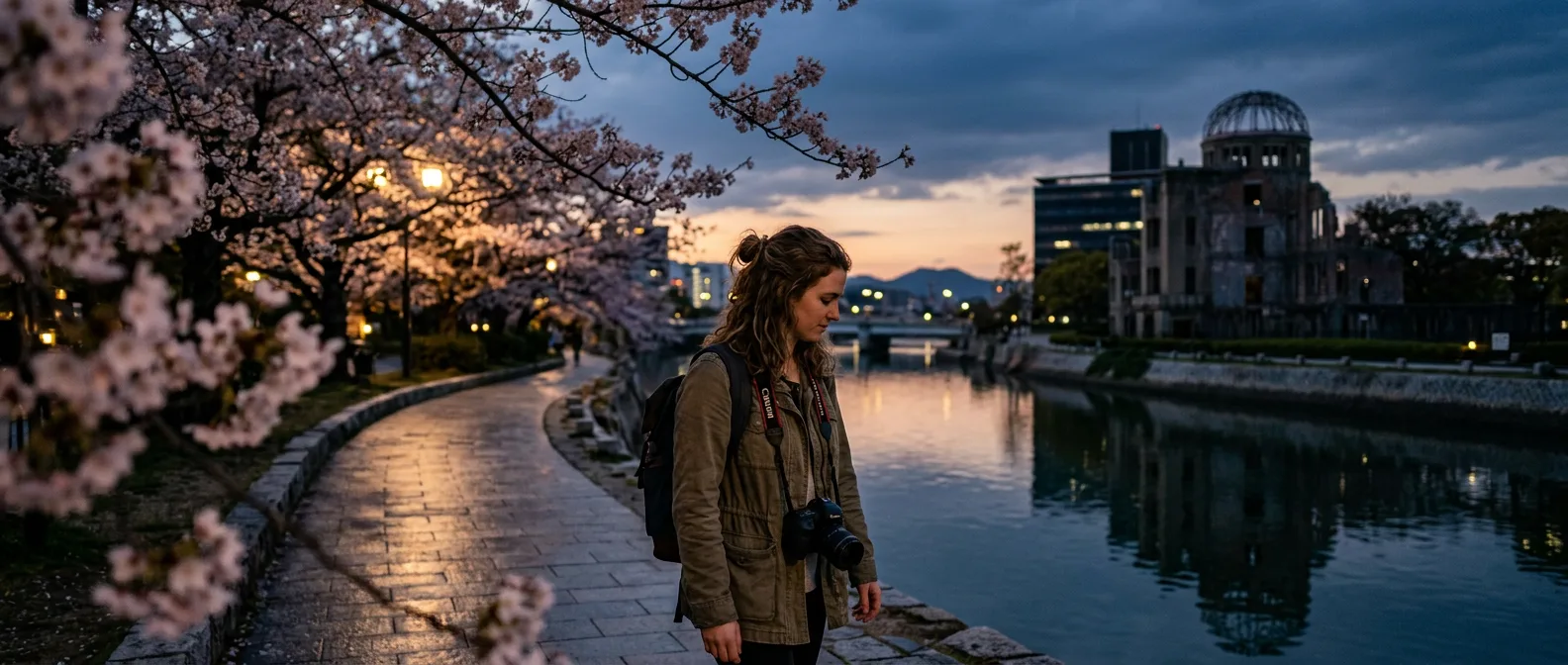 Regional cities
Kanazawa, Hiroshima, Sapporo, Sendai. Big enough for nightlife and a foreigner community, small enough to know.
 Tokyo & Osaka
Possible but rare — Eikaiwa hire there occasionally. Don't sign up to Japan if your only goal is Tokyo. You'll be disappointed.
This could be you in a few months.
We'll walk you through every step — visa, flights, accommodation, and landing your first teaching job.
What it really costs to live in Japan
Honest numbers on what teachers spend and what they save.
School-provided housing is common. Where you find your own, expect 1–2 months' rent up front.
Conbini lunches, ramen, supermarkets. Cooking at home is cheap; eating out is fine on a teacher salary.
Trains and buses are excellent. Public school teachers often get nearly-free car rentals (~¥10,000/mo) with a fuel stipend.
Modest by East Asian standards but reliable. Tax + pension is ~25% in your first year — factor that in.
We tell you this upfront — the ones who plan for it love their first year.
The Certificate of Eligibility takes 4–6 weeks (sometimes up to 10) for your school to process. If your visa isn't ready before the in-class course, you may travel on a tourist visa and do a quick visa trip to South Korea at the end (4–5 days, $500–$800).
We recommend arriving with around $3,500–$4,000 USD for the Placement Program, or $4,500–$6,000 for the In-class TESOL + Placement combo (covers visa trip if needed). Japan's startup cost is the highest of any TEFL Heaven program — but the salary makes it back fast.
First year tax is ~10–15% plus another ~15% for pension/health insurance. You'll see your take-home pay get bigger in year two if you stay.
What life is really like as a teacher in Japan
Japan rewires your sense of what "good" looks like. Trains run on time. Vending machines never lie to you. Convenience stores have better food than half the restaurants in your home country. Once you've lived there for a year, certain inefficiencies elsewhere become hard to forgive.
Weekends are for Mount Fuji, onsen towns, Kyoto's temples, snow trips to Hokkaido, festivals — and the deep slow joy of getting good at one neighbourhood. Most teachers extend. Some never leave.
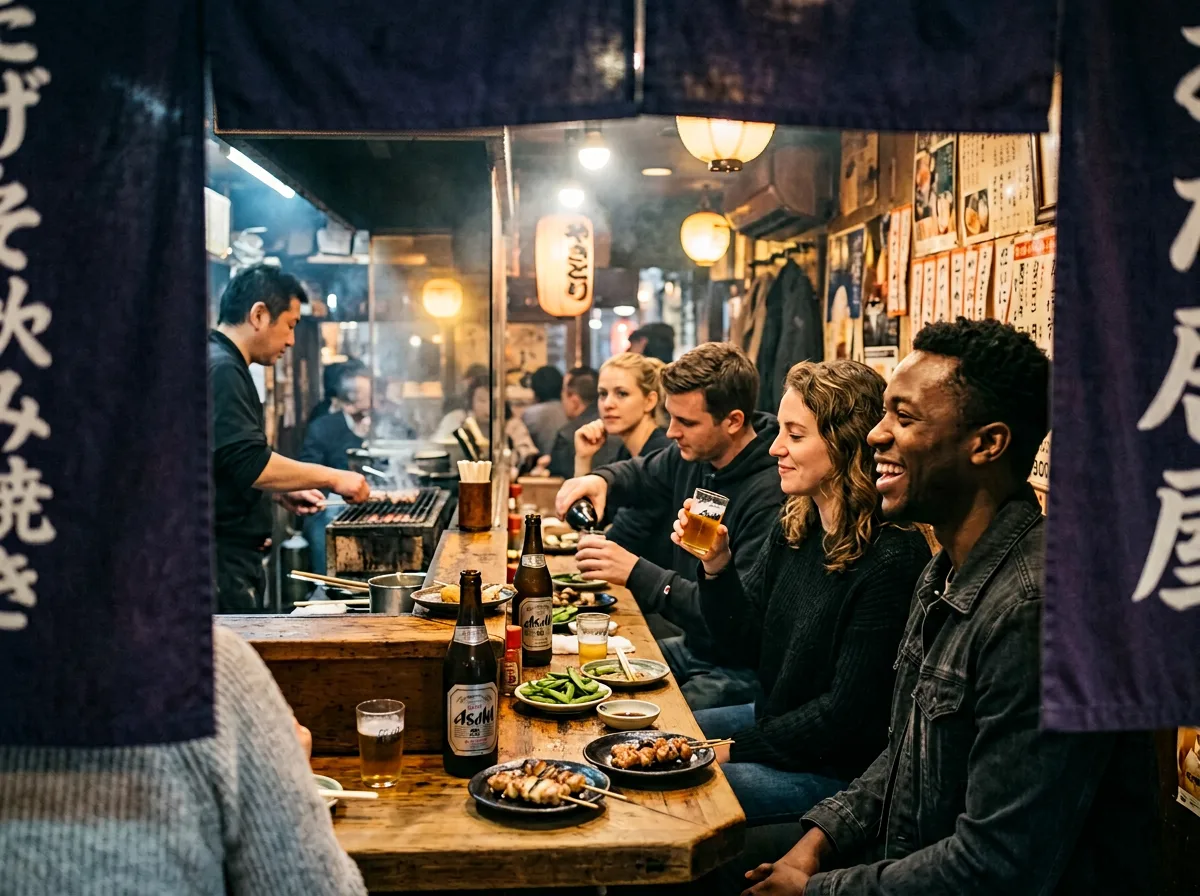
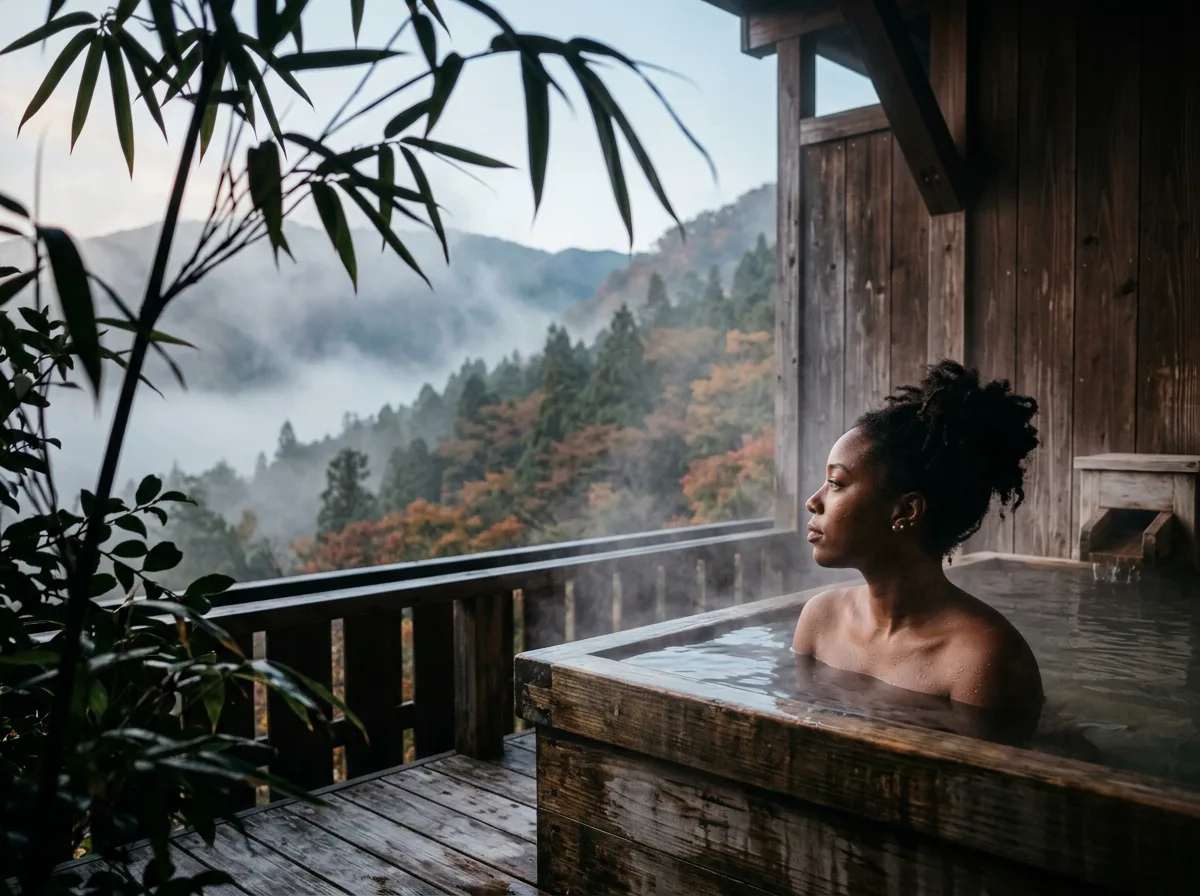
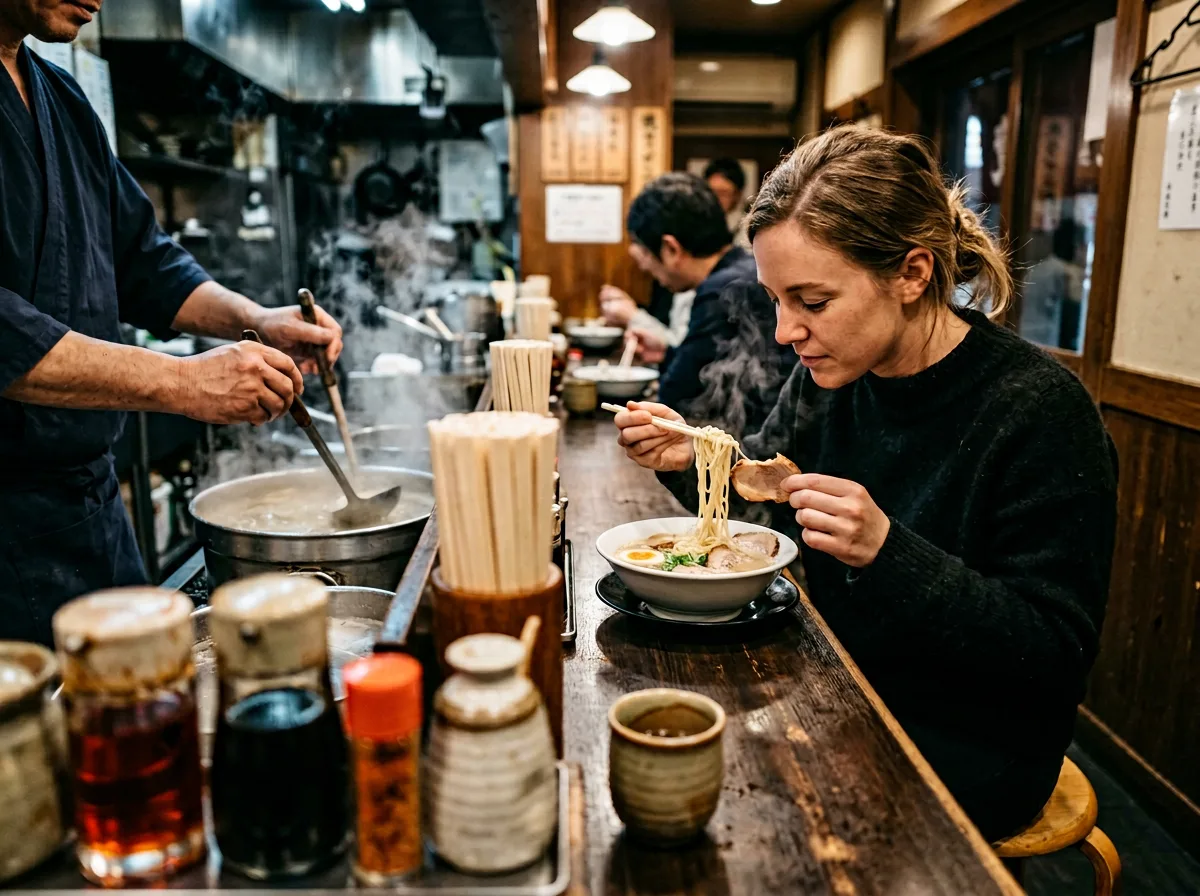
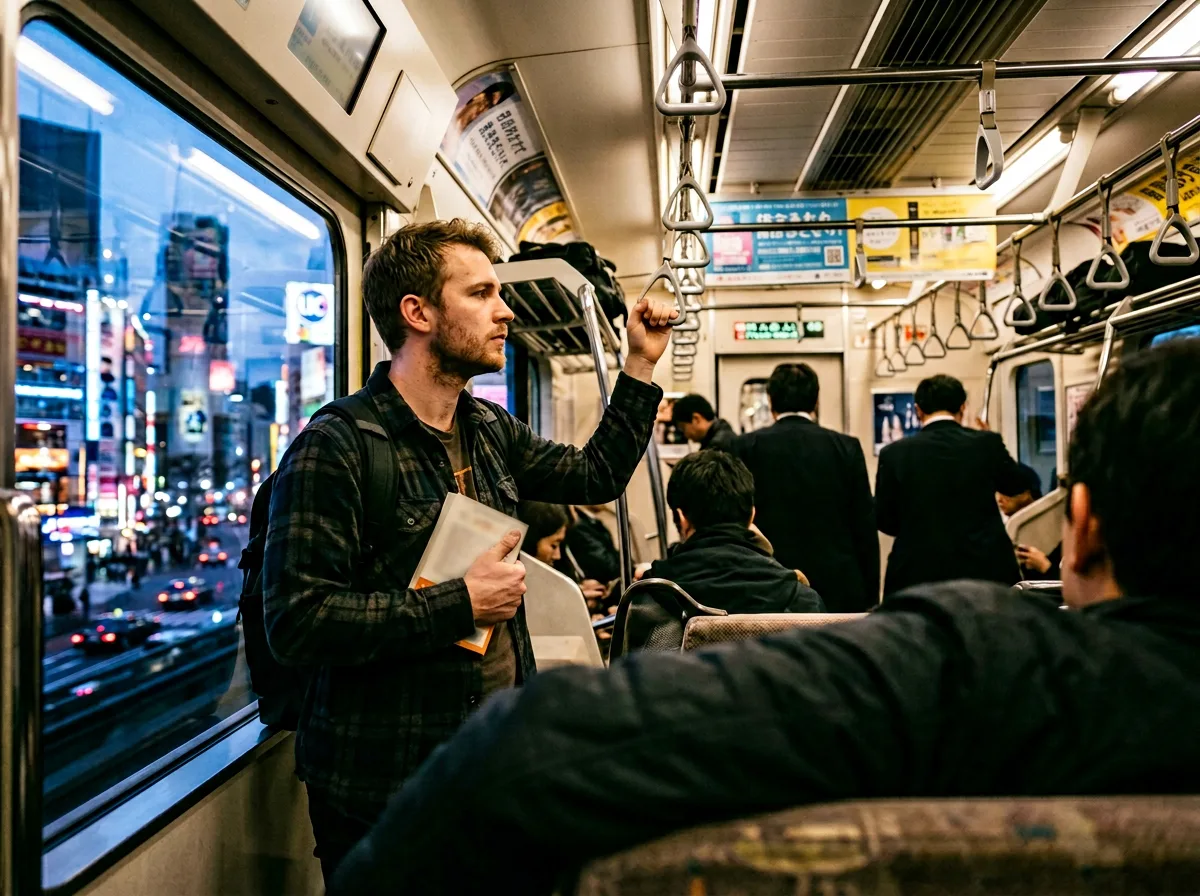
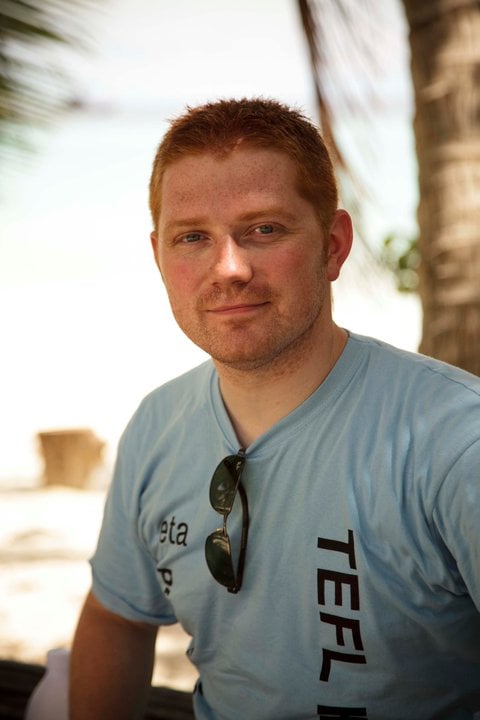
Japan is the country I send teachers to when they want the profession to actually mean something. The schools take it seriously, the kids show up, and the country quietly raises your standard for everything afterwards. It's not the easiest first year. It's often the most rewarding.
"It's 7:50 on a Monday morning. You're cycling to school through a small town in Tochigi, the rice paddies still wet with dew. The kids will line up in the corridor and bow in unison when you arrive. Your team-teach partner has already prepared the day's materials. By 4:30 you're back at your apartment. By 5pm you're in the local soba shop where the owner now knows your order. By December you've been here seven months, your Japanese is half-decent, and home feels like a different planet."
A Monday in month sevenTEFL Heaven vs doing it alone
An honest look at your three options for getting into a Japanese classroom.
- ✕No accredited TEFL certificate
- ✕No live teaching practice
- ✕Find your own school, navigate COE alone
- ✕No employer contacts
- ✕Arrival in Japan = on your own
- ✕Support when things go wrong: none
- ~120-hour online cert
- ✕No live teaching practice
- ✕No visa support
- ✕No job guarantee
- ~Forum access / generic advice
- ✕No in-country team
- ✓120-hour accredited TESOL certificate
- ✓Real classroom teaching practice + mock interview
- ✓Full COE & visa guidance
- ✓Guaranteed paid placement + lifetime job network
- ✓Airport pickup + cohort community from day one
- ✓17 years of in-country experience behind you
What you get that a standalone Japanese school can't give you
The Japan course is delivered by our partners on the ground — vetted across 17 years of placing teachers. Behind it: a family-run global network built since 2007, with placements across Czechia, Spain, Vietnam, Mexico and more.
If Japan is your first teaching year but not your last, we've already placed your next move. And if things go sideways — visa hiccups, contract issues, anything — you've got a team you know, not a reception desk.
Teachers who pick Japan tend to be…
✓ This fits
Serious about teaching. Comfortable with structure, punctuality and quiet classrooms. Want a country that takes the profession seriously. Open to placement in smaller towns. Have a Bachelor's degree (any subject). Willing to invest more upfront for a higher salary year two onward.
✗ Pick a different program
You want sunshine and beaches (Costa Rica or Thailand). You want maximum savings (South Korea pays better with free housing). You can't handle visible-tattoo restrictions. You demand Tokyo or Osaka specifically — those placements exist but they're rare. You want huge classroom energy (Japan is calm).
Upcoming start dates
Japan's TESOL intakes are quarterly. Apply 5–7 months ahead — public schools plan early and the COE takes time. Public school deadlines run 7–12 months out.
Oct 26, 2026 is the next available intake · apply ~3 months ahead
Public school placements need 7–12 months of lead time — book early. In-class TESOL deadline is 3 months before course start.
FAQ
Do I need a degree to teach in Japan?
Yes — Japan requires a Bachelor's degree (any subject) for the work visa. Native English proficiency is also required as a placement-relevant teaching skill. A Bachelor of Education can replace the 120-hour TEFL requirement.
How much will I earn — and can I save?
¥215,000–¥250,000/month ($1,400–$1,900 USD). Savings $150–$400+/month after rent. First-year tax is ~10–15% plus ~15% for pension/health insurance. Expect roughly 10–15% of salary to go on tax, pension and health insurance in year one.
How much money should I bring for the first month?
$3,500–$4,000 USD for the Placement Program, or $4,500–$6,000 for the In-class TESOL + Placement combo (includes visa trip if needed). This is the highest startup cost in our network — but salary recoups it.
How does the Certificate of Eligibility work?
Your placement school applies for your COE — typically 4–6 weeks, sometimes up to 10. You then take it to your nearest Japanese embassy and get the visa stamped. If timing slips, you may travel on a tourist visa and do a 4–5 day visa trip to South Korea (about $500–$800).
What about tattoos?
Visible tattoos are not allowed in Japan — no tattoos on face, neck, behind ears, or within 10 cm of your wrist. Tattoos are taboo here. We're upfront about this because it's a real disqualifier.
Public school vs Eikaiwa — which is better?
Public schools: weekends off, team-teaching with a Japanese counterpart, 25–30 kid classes, 16 national holidays, often free car rentals. Eikaiwa: smaller classes (5–15), some weekend work (2 days off, not always together), more autonomy. Tell us your preference at signup.
Where will I live?
Many placements include school-provided housing. Where they don't, we help you find it — typically $350–$550/month rent with 1–2 months' deposit. Health insurance kicks in via your school after the first 6 weeks (or 2 months if you're doing in-class TESOL).
Can I bring a partner, kids or pets?
No — Japan placements don't accommodate dependents on this program.
How early should I sign up?
5–7 months minimum for in-class TESOL routes. 7–12 months for public school placements (their hiring cycle is long). Final payment is 3 months before course start.
What's not included in the program?
Flights, medical insurance, visa fees, daily living costs, and long-term housing rent/deposit (typically 1–2 months' rent up front where school doesn't provide). We'll send you a full itemised breakdown when you enquire.
The Japan Full Program Pack
When you enquire, we'll send you the full Japan program pack — start dates, what's included, arrival logistics, COE checklist, monthly salary + cost breakdown, and a sample week in the classroom. Sent straight to your inbox.
Send me the Japan details →
Andy handles Japan enquiries
Andy replies within 24 hours — usually same day. Japan has the longest lead time in our network, so he'll be honest about whether your timeline fits.
Let's get you teaching in Japan.
We'll walk you through the next steps — start date, COE, visa, flights, and everything else. Takes about 10 minutes.
Included free: Mike's Creator Course + $200 every time a friend books
No pressure, no commitment — we'll just answer your questions.
— Mike Maitland, Bangkok