

Teach English in Argentina
Tango born in Buenos Aires’ cobblestone neighbourhoods. Malbec from Mendoza’s Andean vineyards. Glaciers calving into Patagonian lakes. Fútbol passion that doesn’t exist anywhere else on earth. Argentina is unique in South America — and its TEFL market rewards teachers who understand the peso.
 The case for Argentina
Why Argentina belongs on any Latin America TEFL shortlist
Argentina is the only country in Latin America where you feel simultaneously in South America and in Europe. Buenos Aires’ architecture — Art Nouveau apartment buildings, wide Haussmann-style boulevards, corner bar-cafés that have been serving cortados since the 1930s — creates a physical environment unlike any other South American city. The cultural life matches the architecture: Buenos Aires has more bookshops per capita than any other city on earth, more psychoanalysts than any city on earth, a tango tradition that has never stopped and never will, and a fútbol culture that produces the most intense stadium atmosphere outside Brazil’s Maracanã.
The TEFL market is genuine and substantial. Argentina has a long tradition of English education — partly from British and Irish immigrant history, partly from Argentina’s ambitions as a global trading nation. The result: English proficiency in Buenos Aires is higher than most other Latin American capitals, which paradoxically creates more demand for advanced English — Business English, exam preparation (IELTS, Cambridge), corporate training — rather than basic conversational English. This makes Argentina’s teaching work more intellectually stimulating than Guatemala or Peru.
Argentina is also the most visitor-friendly visa environment in this Latin American build. The 90-day tourist visa, renewable via a 1-hour ferry to Montevideo, Uruguay, gives teachers a practical 180+ days per year of uninterrupted Buenos Aires life without bureaucratic complexity. This informality is a genuine feature — Argentina’s TEFL market has always been characterised by accessibility.
Understanding Argentina’s peso: what every teacher must know
Argentina’s economic history is characterised by repeated currency crises, high inflation, and peso devaluations. This is not ancient history — it is the defining context for teaching income in Argentina and must be understood before any salary figures make sense.
The critical fact for teachers: language school salaries are paid in Argentine pesos (ARS), and ARS has historically inflated significantly faster than schools raise salaries. This means that a language school salary negotiated in peso terms at the start of a contract can be worth meaningfully less in dollar terms by the end of a 6–12 month contract — even if the nominal ARS number hasn’t changed. In 2022–2023, Argentina’s inflation exceeded 100% annually; even at 2026’s reduced rates of 3% per month, ARS salaries deteriorate in real terms unless contractually indexed.
The practical strategies for managing this:
- Negotiate private tutoring in USD: The most effective income protection in Argentina. Many private students specifically prefer to pay in USD to avoid their own peso exposure. Charging $15–20/hour in USD for private lessons creates ARS-inflation-proof income.
- International school positions pay in USD or USD-equivalent: The highest-paying positions in Argentina are also the best inflation-protected. International schools paying $1,500–$3,000/month in USD are immune to peso volatility by definition.
- Online teaching income in USD: Teaching online for foreign students generates USD income spent in Argentina’s peso economy — a continuous geo-arbitrage advantage that strengthens if the peso depreciates further.
- Get salary indexed to the UVA (inflation unit) or CER: Some employers offer inflation-indexed salary adjustments. Ask about adjustment clauses when negotiating language school contracts.
The 2026 context: Under President Milei’s economic liberalisation programme, Argentina’s inflation has decelerated from hyperinflationary territory to roughly 3% per month by early 2026. Currency controls were lifted in April 2025, largely converging the “blue dollar” informal rate with official rates. Argentina is no longer the extreme bargain it was in 2022–2023 — but it remains affordable for USD-earners and is significantly cheaper than Western Europe. The peso situation requires awareness but is more manageable than in previous years.
Argentina’s English teaching market
Private language institutes
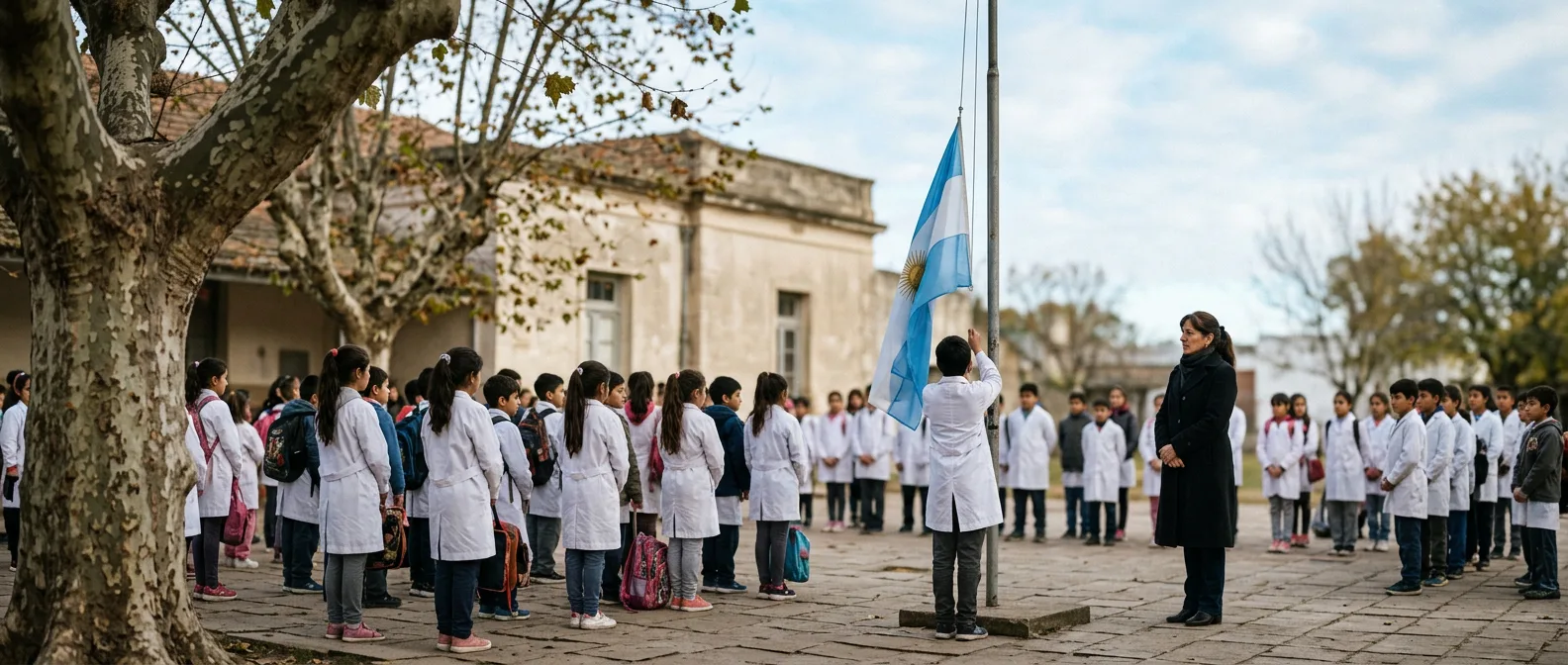
The backbone of Argentina’s TEFL market. International House Buenos Aires, Berlitz Argentina, Wall Street English, English House, English Actually, and hundreds of independent institutes throughout Buenos Aires and secondary cities. Teach primarily adults and business professionals. Salaries paid in ARS — subject to inflation erosion. 6-month contracts common. The most accessible entry point for most teachers.
Private tutoring
Essential income supplement and the inflation hedge. Rates of $10–$20/hour, often charged in USD or USD-equivalent. Built through word-of-mouth, flyers, online boards, and the excellent informal teacher network in Buenos Aires. Private students range from schoolchildren to C-suite executives preparing for board-level presentations in English. One of Argentina’s most financially effective income strategies.
International schools
Buenos Aires hosts Argentina’s international school market: Escuela Lincoln (American; prestigious), Colegio Miguel de Cervantes (Spanish curriculum), Instituto San Jorge (British), St Catherine’s Moorlands, and others. Pay in USD or USD-equivalent at $1,500–$3,000/month. Require formal teaching licence and experience. The only truly inflation-proof local teaching income in Argentina.
Bilingual schools
Argentina’s bilingual school tradition — rooted in the British and Irish immigration history — creates a genuine bilingual K-12 sector. These schools use English as a medium of instruction for part of the curriculum. More accessible than international schools; pay better than language institutes; require degree plus TEFL. English teachers who speak Spanish access more bilingual school positions.
Corporate English
Buenos Aires’ financial and professional services sector — banking, law firms, advertising agencies, tech companies, multinationals — drives Business English demand. Rates of $15–$25/hour through corporate contracts or directly. Accessed via language institutes’ corporate client networks after establishment. Less developed than São Paulo’s corporate market but genuine and growing.
Online teaching from Argentina
The strongest financial strategy for teachers who want Argentine lifestyle without ARS salary exposure. Teaching online for foreign students at $15–$25/hour while living in Buenos Aires (where $800–$1,000/month covers comfortable living) creates genuine financial surplus. Buenos Aires has good internet infrastructure in major neighbourhoods. Palermo, Recoleta, and San Telmo all have reliable broadband.
Ready to teach English abroad?
Browse TEFL Heaven’s full range of teacher placement programs — from Southeast Asia to Europe and Latin America.
What English teachers earn in Argentina
Argentina’s salary picture requires more careful reading than any other market in this guide because of the peso’s inflation. Language school salaries quoted in ARS must be converted at current exchange rates to understand their USD value — and that USD value can change over a 12-month contract.
| Source | ARS | USD approx. (2026) | Inflation risk |
|---|---|---|---|
| Language school (standard) | ARS 90–130K/mo | ~$250–$360 | High — ARS erodes |
| Language school (experienced/CELTA) | ARS 120–180K/mo | ~$330–$490 | High — ARS erodes |
| Private tutoring | $10–$20/hr (often USD) | $10–$20/hr | None — USD |
| Corporate English | $15–$25/hr (often USD) | $15–$25/hr | None — USD |
| International school | USD equivalent | ~$1,500–$3,000/mo | None — USD |
| Online teaching | $15–$25/hr | $15–$25/hr | None — USD |
Exchange rate: approximately ARS 1,460 per USD (early 2026; rates change — verify current rates).
Requirements to teach English in Argentina
Argentina has the most accessible formal requirements of any market in this Latin American build — reflecting the country’s historically casual and accessible TEFL hiring culture. Language institutes frequently hire based on personality, native English fluency, and teaching presence more than formal academic credentials.

TEFL certificate
120-hour TEFL minimum for most language institutes. CELTA is particularly valued — International House Buenos Aires offers one of South America’s most respected CELTA courses. Unlike the UAE’s mandatory licensing or Brazil’s competitive major cities, Argentina’s language institutes often make hiring decisions based on personality and presence as much as paper qualifications.
Degree
Preferred but genuinely not always required at smaller institutes. International schools and bilingual schools require it. The most casual degree requirement in Latin America — some well-qualified teachers without degrees find positions at independent institutes in Buenos Aires and secondary cities. Degree-holders access significantly better positions and higher salaries.
Native English
Native or near-native fluency expected. Citizenship from USA, UK, Canada, Ireland, Australia, NZ, and South Africa preferred by most institutes. Non-native speakers with near-native proficiency and strong TEFL qualifications find work — Argentina is more open to well-qualified non-native speakers than strictly nation-specific in its preferences. Language school interviews assess English quality and teaching personality simultaneously.
Spanish
Not required for English teaching. Argentine culture is more multilingual than Brazil — in Buenos Aires especially, some English exists in professional and tourism contexts. However, Spanish remains strongly recommended for daily life richness, social integration, and the deeper Argentine cultural experience. Argentine Spanish (Ríoplatense) is distinctive — the “vos” form and Italian-influenced pronunciation set it apart from other varieties.
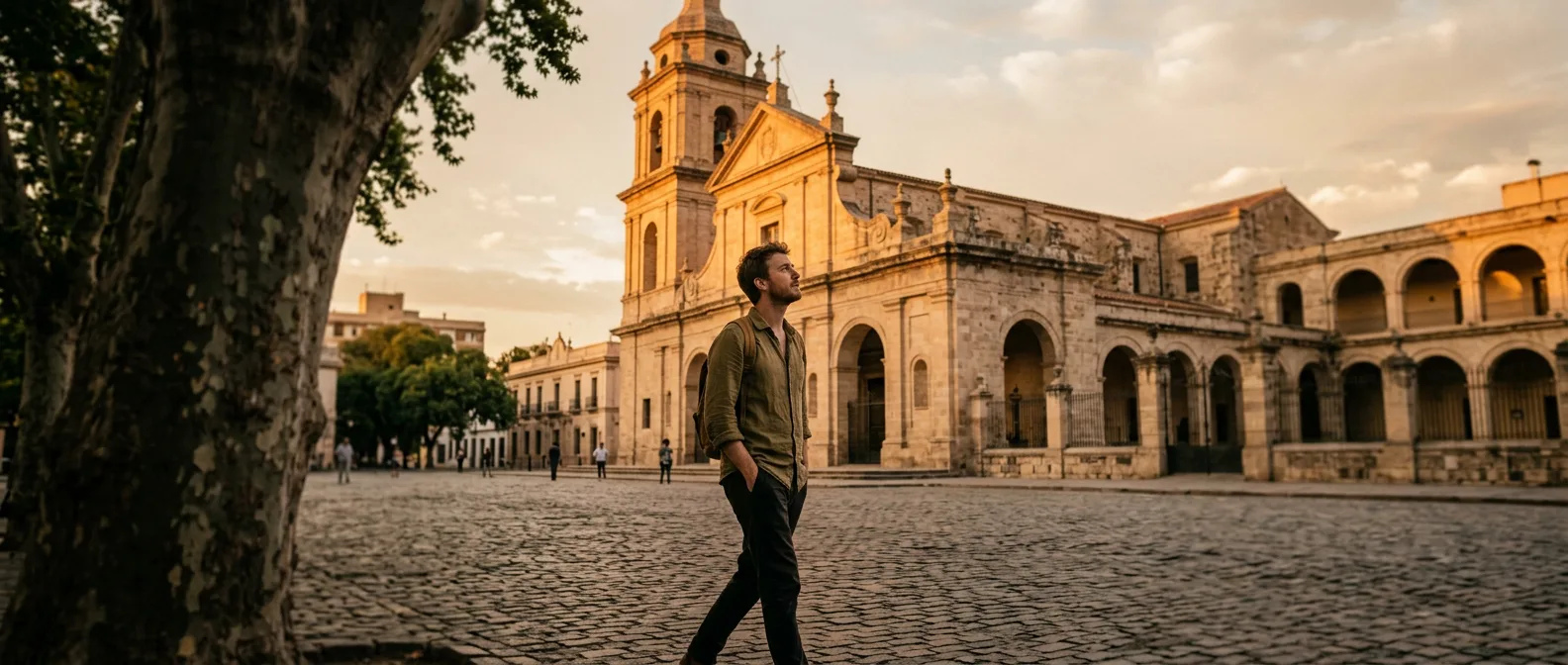
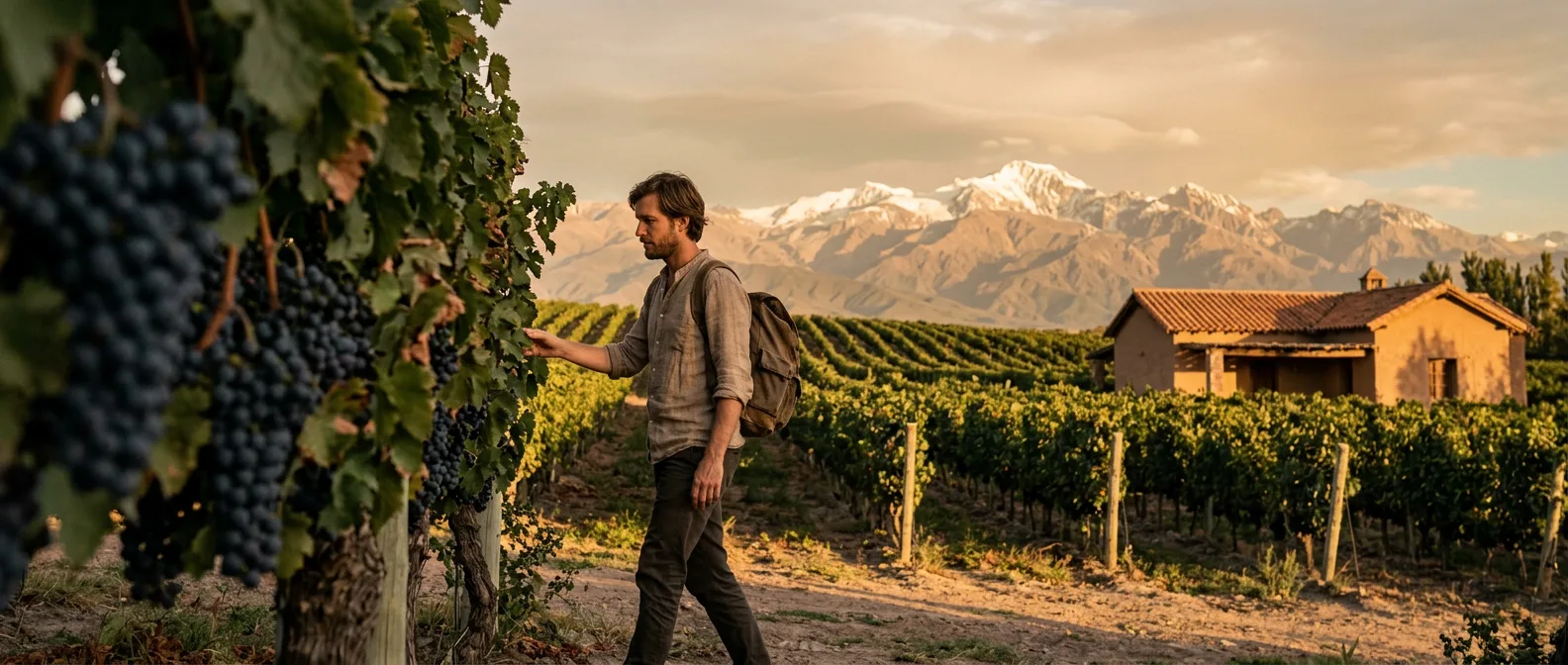
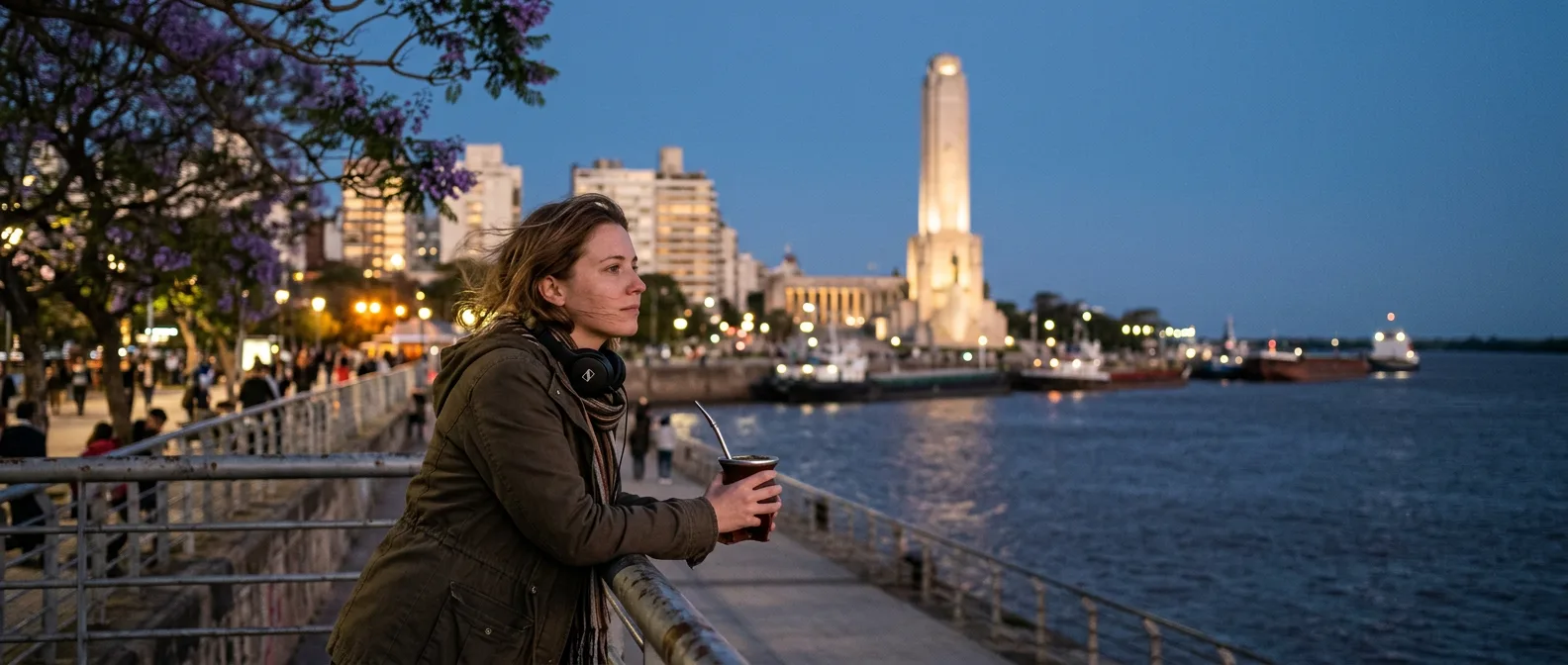
Best cities for English teachers in Argentina


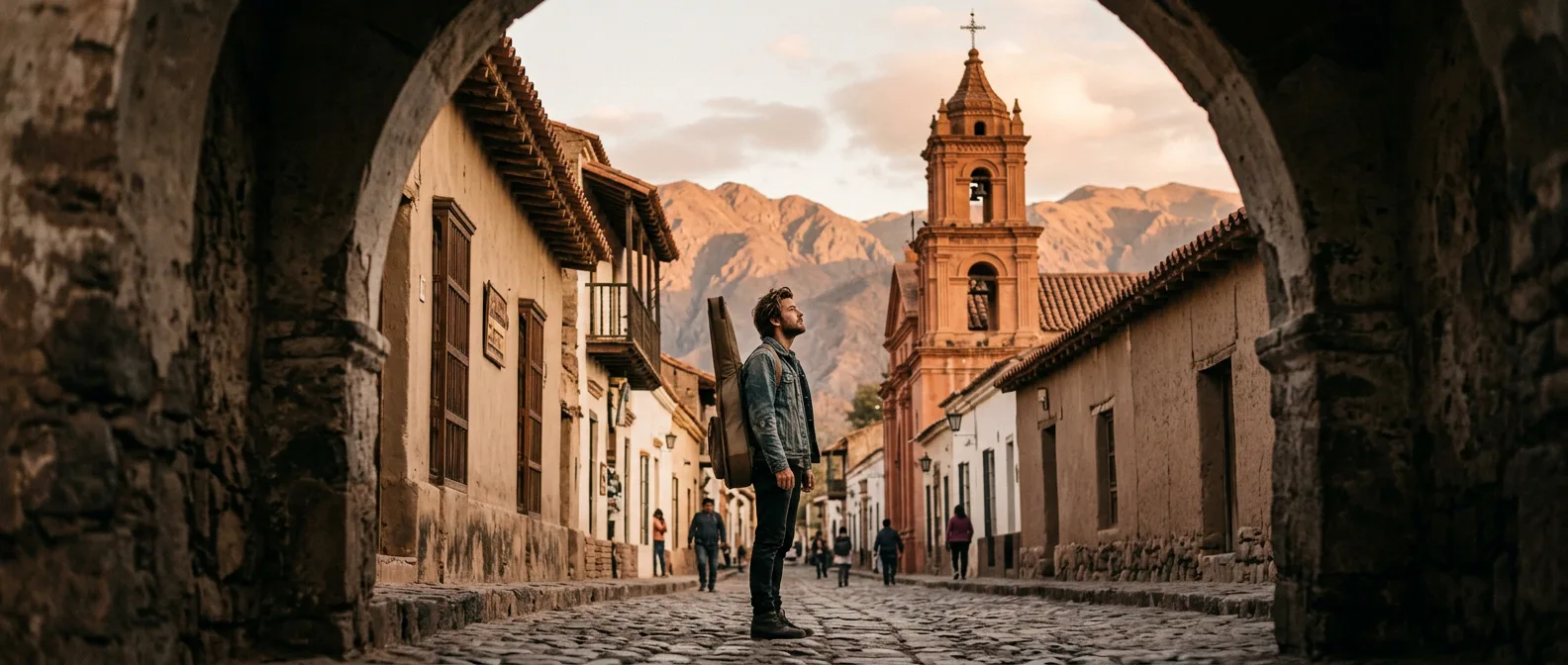
Three school types in Argentina
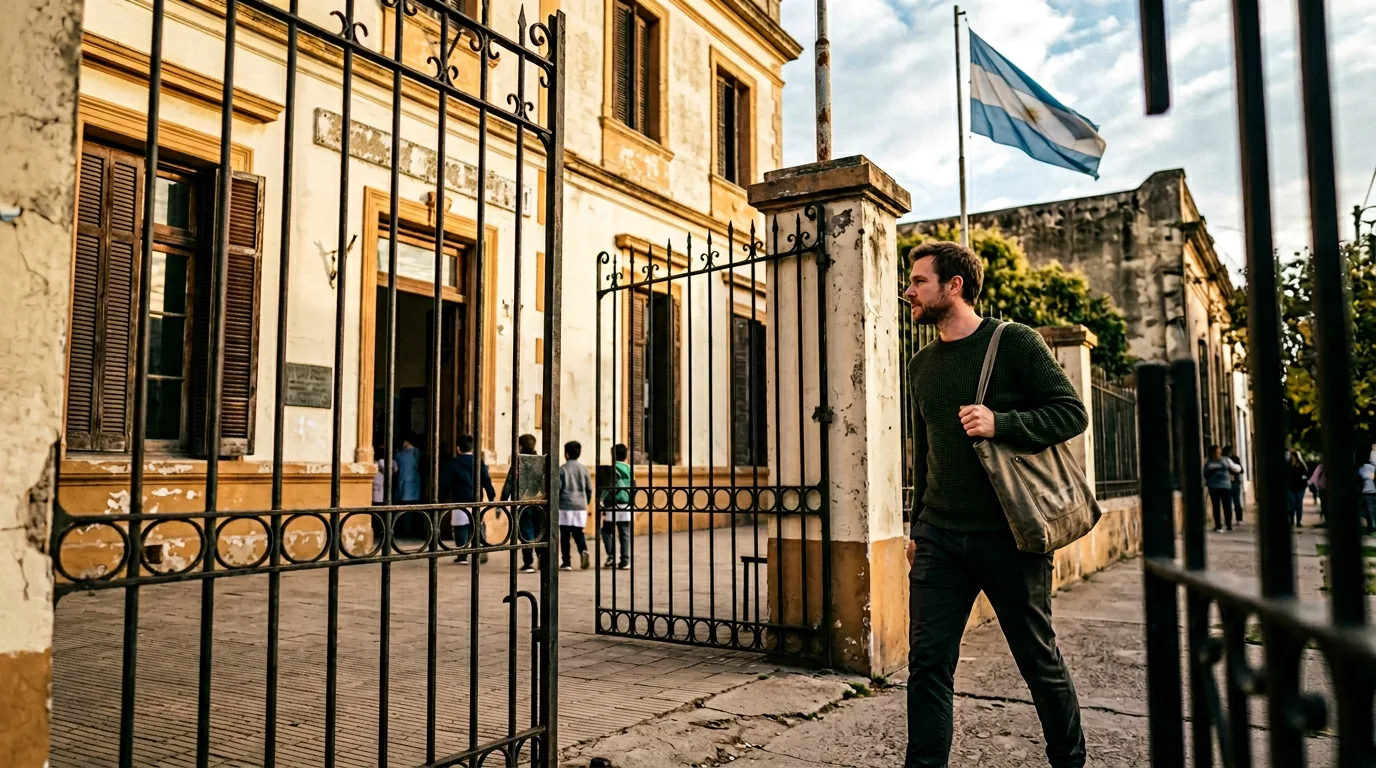
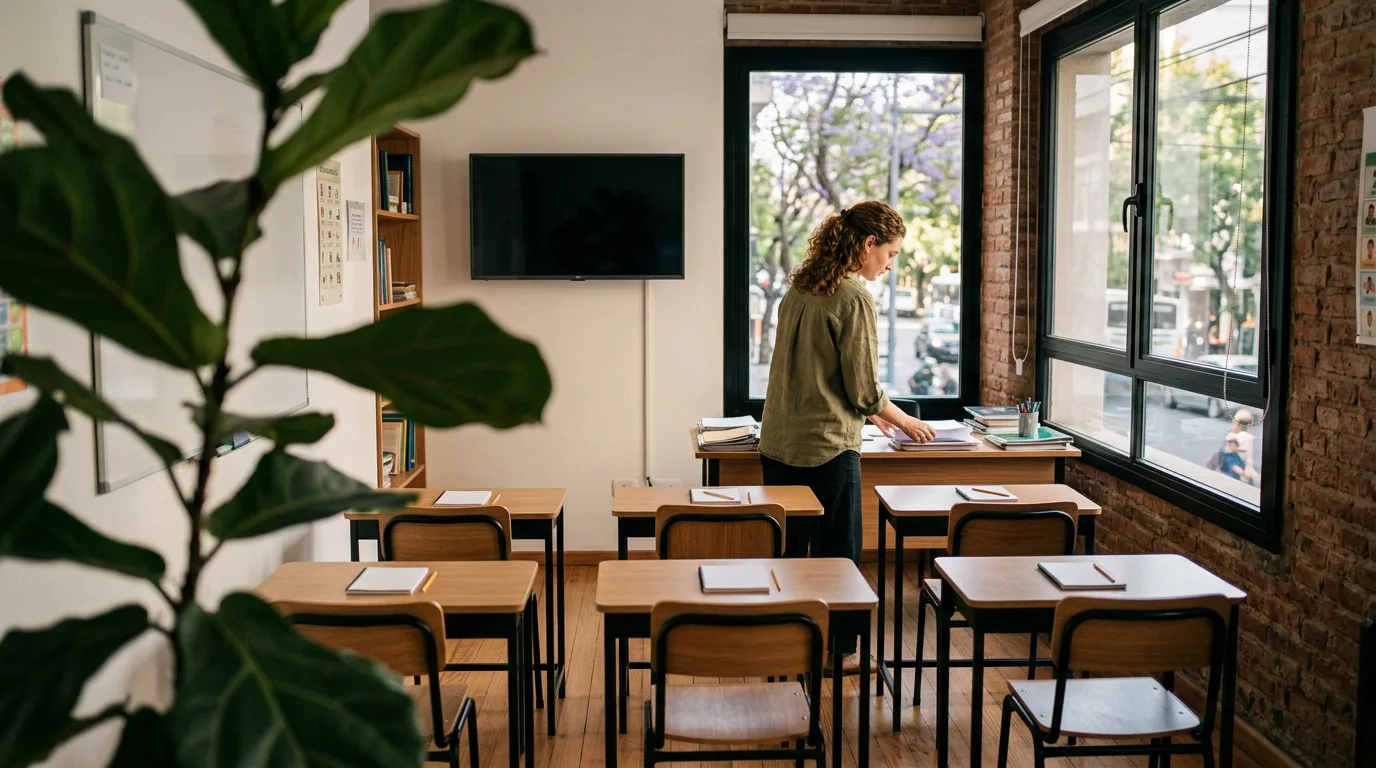
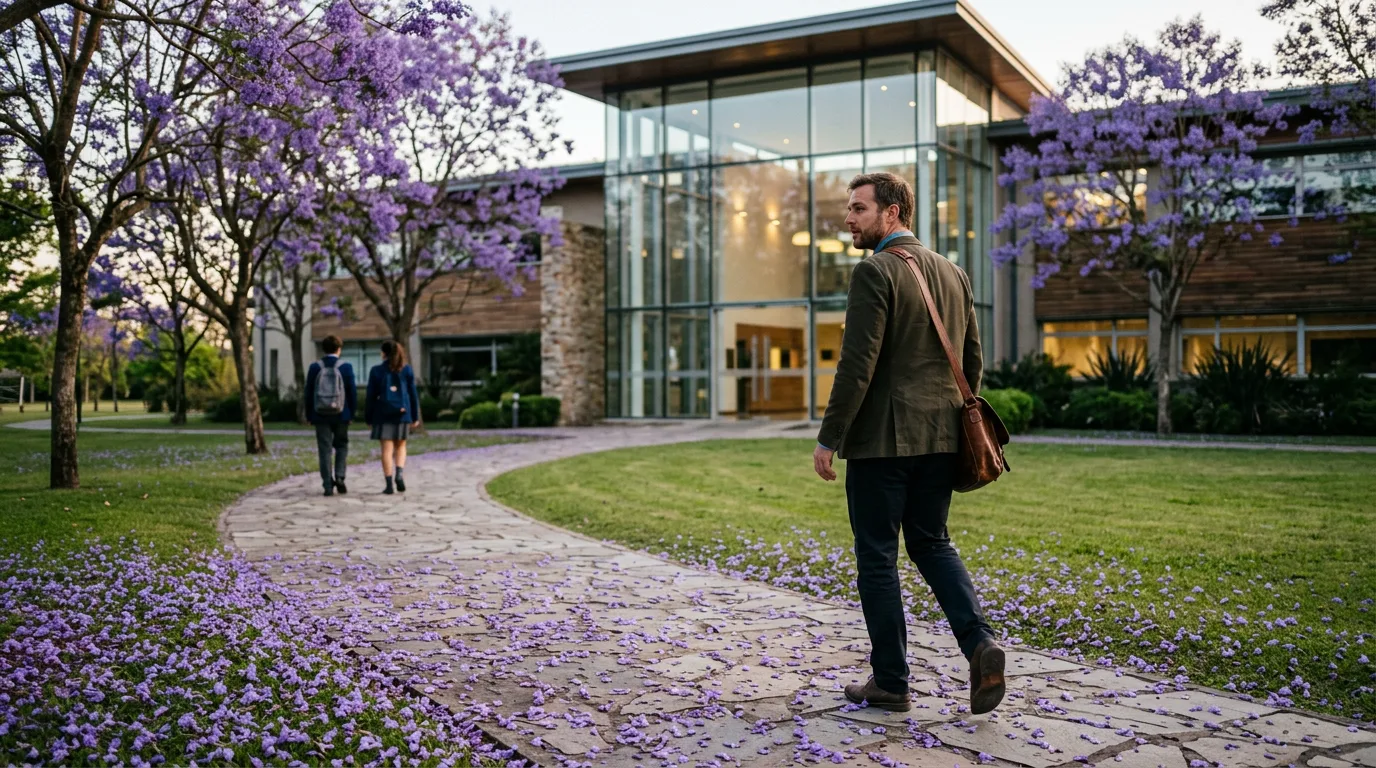
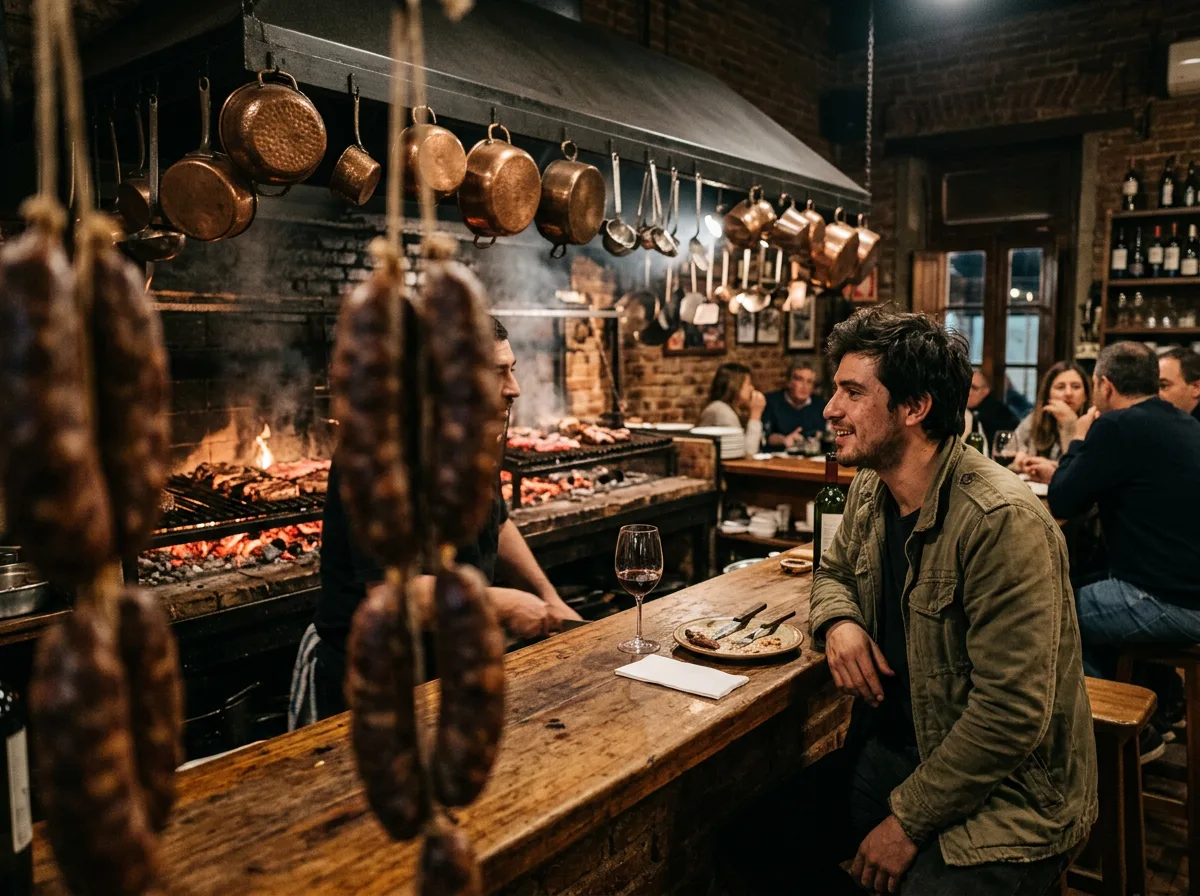
What teaching in Argentina actually feels like



Argentina’s academic calendar
Argentina’s school year runs March through December, with January being the summer holiday (Southern Hemisphere). Like Brazil, January is the wrong time to arrive looking for language school work — schools are either closed or at minimum activity. The peak hiring window opens late February/early March with the new academic year. July/August is the secondary peak for mid-year contract starts.
Arrive late February, not January: The most consistently repeated advice from Argentine TEFL teachers. Arriving in January to look for language school work encounters closed schools, minimal demand, and wasted time (and money). The week after New Year through mid-February is genuinely dead for language school hiring. Late February — when schools are returning from summer and need to fill new-semester positions — is the prime arrival window. July is the second good window. If you must arrive in January, use the time to settle, begin Spanish study, and prepare your job materials for the February wave.
FAQ: Teaching English in Argentina
How does Argentina compare to Colombia as a TEFL destination?
Different markets for different priorities. Colombia has better legal employment structure (M visa vs Argentina’s tourist visa norm), a national bilingualism mandate driving structural demand, and Medellín’s superior climate. Argentina has a richer cultural experience by most teachers’ accounts — Buenos Aires is culturally deeper than any Colombian city for European-cultural-reference teachers — and more relaxed hiring culture. Argentina’s peso complexity is the significant practical disadvantage. Colombia’s M visa gives real employment protection that Argentina’s tourist-visa norm doesn’t. Teachers who prioritise income security and legal structure choose Colombia; teachers who prioritise cultural richness and the Buenos Aires experience often choose Argentina.
Is Argentina safe for English teachers?
Generally yes, in the areas where teachers live and work. Buenos Aires’ expat neighbourhoods (Palermo, Recoleta, San Telmo, Belgrano) are manageable with standard urban awareness. Argentina’s security situation is different from Brazil’s — the country has less of the organised gang-related crime that affects Rio and certain São Paulo areas. Petty theft — pickpocketing, phone snatching — requires awareness in tourist areas and on public transport. Buenos Aires’ political protest culture (marches, cacerolazos) occasionally disrupts central areas but is not a direct threat to expats. Secondary cities like Córdoba and Mendoza are generally considered quite safe.
Do I need to speak Spanish to teach English in Argentina?
Not for classroom teaching — English immersion is standard. For daily life: Spanish is significantly more useful in Argentina than in, say, Thailand or South Korea, because Argentina operates entirely in Spanish outside tourist zones. But Buenos Aires has enough international infrastructure that English-only speakers can function, particularly in Palermo and Recoleta. The honest guidance: A2 Spanish before arrival makes Buenos Aires significantly more manageable and more rewarding. Argentine Spanish (Rioplatense) uses the “vos” form and has Italian-influenced pronunciation (the “ll” and “y” sounds like “sh” — “calle” becomes “cashe”) that is distinctive and charming once you’re used to it.
Ready to teach English abroad?
Argentina offers café culture, tango, Malbec, and Patagonia alongside a genuine English teaching market. TEFL Heaven places teachers across Southeast Asia, Europe, and Latin America — browse our full program range to find your best fit.
TEFL Heaven · Placing teachers abroad since 2007 · 3,000+ teachers placed worldwide