
 >
>
Teach English in Peru
Machu Picchu on a long weekend. Lima’s world-class food scene. The Amazon headwaters. Arequipa’s 300 sunny days. Peru doesn’t offer the highest TEFL salaries — it offers something rarer: one of the most extraordinary countries on earth as your home base.
 Why Peru
What Peru offers that no other TEFL market does
Peru is not the right destination for teachers whose primary goal is financial. The language school salary of $500–$1,000/month is enough to live comfortably in Peru’s affordable cities — break-even is the honest expectation, not savings. Teachers who choose Peru for financial reasons are going to be disappointed.
Teachers who choose Peru for experience are going to be profoundly satisfied. Peru’s combination of natural and cultural heritage is genuinely unmatched anywhere in Latin America: Machu Picchu and the Sacred Valley, the Amazon Basin, the Andes and Colca Canyon, the Nazca Lines, Lake Titicaca, and the Pacific coastline. Lima has become one of the world’s genuinely great food cities — Central, Maido, and Astrid y Gastón have placed Peru on the global culinary map in a way that surprises most new arrivals. Cusco is one of the most dramatically beautiful cities in the world, 11,000 feet up in the Andes with Incan stone walls running under Spanish colonial architecture.
Peru is also South America’s most accessible TEFL market in terms of requirements. A 120-hour TEFL certificate is typically sufficient for language school positions. Degree not strictly required but preferred. Spanish not needed to teach. And the in-person hiring culture means teachers who arrive with a TEFL certificate, a professional attitude, and boots-on-the-ground energy find work within weeks.
Lima is one of the world’s great food cities: This is not marketing. Lima’s food scene — ceviche, lomo saltado, tiradito, causa, aji de gallina — has genuinely made it a global culinary destination over the last twenty years. Eating in Lima is one of the most consistently cited highlights by every teacher who spends time there. At $3–$8 for a full lunch at a good local restaurant, it is also one of the most affordable great food cities on the planet.
Peru’s English teaching job market
Private language schools
The primary market for English teachers in Peru. Major chains (ICPNA, Berlitz Peru, International House Lima, Business Links, Maximo Nivel) plus hundreds of independent schools in every major city. Teach adults, business professionals, and university students. Pay: $5–$10/hour typically. Hire year-round with peaks in February/March and July/August. The most accessible entry point.
International schools
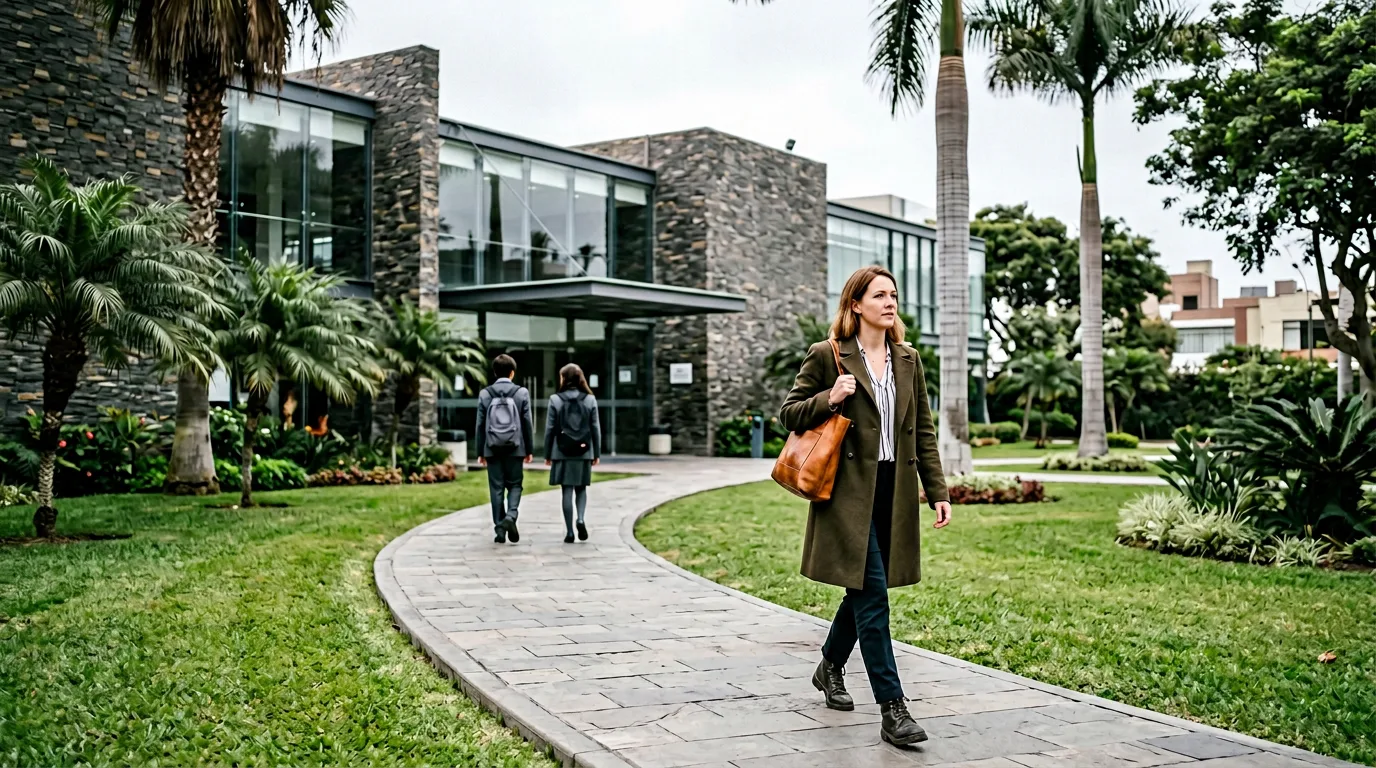
Lima’s premium teaching tier. American, British, and IB schools serving Lima’s international and affluent Peruvian families. San Silvestre, Markham College, Colegio Franklin Roosevelt, and others. Require formal teaching licence plus 2+ years’ experience. Salaries $1,500–$2,500/month with benefits (housing allowance, health insurance, flights). Applications October–November for March start.
Universities
Peruvian universities — PUCP (Pontifical Catholic University), USMP, Universidad de Lima, and others — employ foreign English teachers. Lighter teaching loads (10–15 hours/week), more flexibility, better salary. Master’s preferred. Application competition is significant. Idiomas Católica (PUCP’s language school) is one of Peru’s most respected English teaching employers.
Private tutoring
A significant income supplement. $10–$20/hour in Lima; slightly less in other cities. Business professionals wanting one-to-one English coaching are the primary market. Most teachers build private students through school referrals and expat community word-of-mouth within their first month. Requires discipline — cancellations and no-shows are common in Peru.
Corporate English
Lima’s business sector — mining companies, banks, multinational subsidiaries — requires English for international operations. Corporate English rates are the highest in Peru’s market: $15–$25/hour. Typically arranged through language schools with corporate contracts (ICPNA and Business Links are notable) rather than direct freelance. Accessible after establishing yourself.
Volunteer programmes
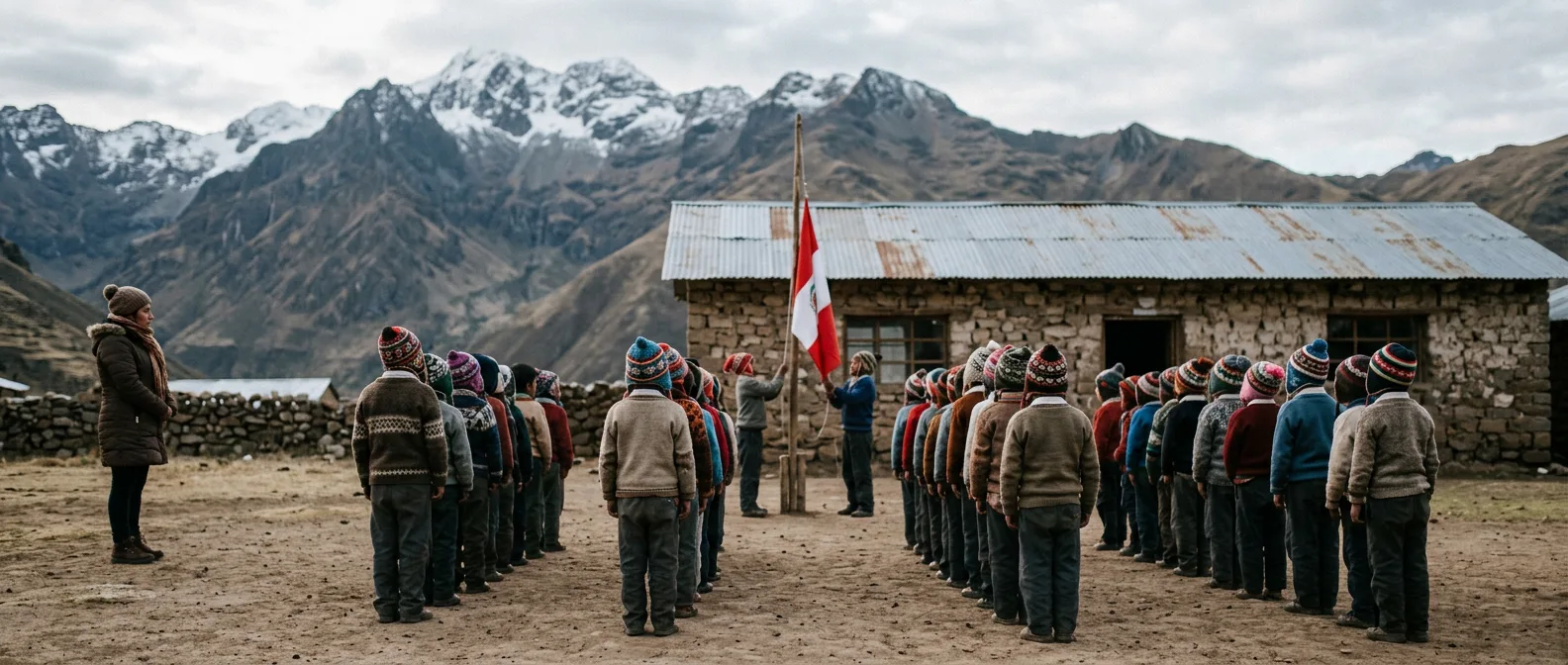
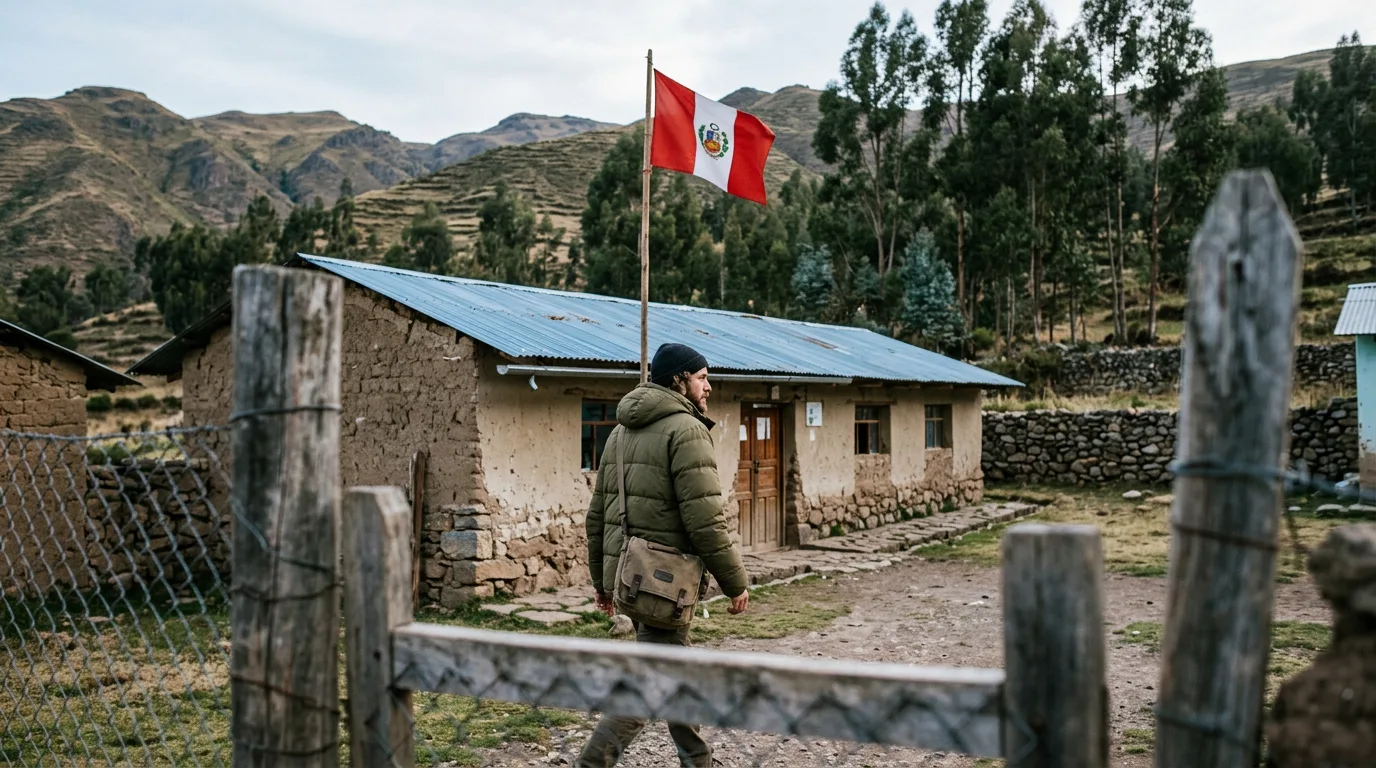
Peru has a substantial volunteer teaching sector, particularly in and around Cusco and in rural Andean communities. Many programmes provide accommodation in exchange for teaching. Not a paid route but an authentic way to experience Peruvian community life and contribute meaningfully. WorldTeach, Projects Abroad, and local NGOs operate established programmes.
Three school types in Peru

Ready to teach English abroad?
Browse TEFL Heaven’s full range of teacher placement programs — from Southeast Asia to Europe and Latin America.
What English teachers earn in Peru
Peru’s salary picture requires honest framing: most language school teachers break even. The $500–$1,000/month language school salary is enough to live well in Peru’s affordable cities — rent, food, transport, social life, and travel around the country — but not enough to build significant savings. Teachers who come to Peru for savings should look elsewhere. Teachers who come to live adventurously in one of the world’s most extraordinary countries can do so comfortably on this income.
| Income source | Earnings | Notes |
|---|---|---|
| Language school (hourly) | $5–$10/hr | Typically 20–30 hrs/week teaching |
| Language school (monthly) | $500–$1,000/mo | Full-time equivalent; variable by city and school |
| Private tutoring | $10–$20/hr | Lima higher end; other cities $8–$15 |
| Corporate English | $15–$25/hr | Lima only; through school contracts |
| International school | $1,500–$2,500/mo | Requires teaching licence + experience |
| University | $800–$1,500/mo | Master’s preferred; competitive |
| Online teaching (from Peru) | $15–$25/hr | Very popular supplement; good internet needed |
Online teaching changes the picture: Many teachers in Peru supplement their local school income with online English teaching for students in wealthier countries. At $15–$25/hour, 10–15 online hours per week in addition to a language school base can transform Peru from a break-even market to a modest-savings market. Peru’s low cost of living means online dollars stretch much further here than in Western countries.
Requirements to teach English in Peru
Here's what you'll need to teach English in Peru — from qualifications and documents to the practical details that make your application stand out.

TEFL certificate
A 120-hour accredited TEFL certificate is the effective market standard for language school positions. CELTA is recognised and preferred at top schools. Not every language school requires TEFL — some entry-level positions accept native-speaker fluency alone — but TEFL certification significantly strengthens your application and increases earning potential throughout.
Degree
A bachelor’s degree is preferred by most language schools and required for international school, university, and formal work visa applications. Not all positions strictly require it, making Peru one of the more accessible markets for teachers without a degree. That said, degree holders access better positions and negotiate better rates.
Native or fluent English
Native speaker status is preferred but not legally mandated. Peru is one of the more open Latin American markets for non-native speakers with near-native proficiency and strong TEFL qualifications. Fluency level and accent are assessed informally during in-person interviews — the ground-level hiring culture means face-to-face impression matters significantly.
Spanish
Not required for English teaching, but daily life in Peru requires at least basic Spanish. Medical, banking, transport, flat-hunting — all operate in Spanish. Teachers who invest in learning Spanish before or during their time in Peru describe a significantly richer and more authentic experience. A2–B1 Spanish makes daily Peruvian life substantially easier.
The visa reality in Peru
Peru’s visa situation for English teachers is nuanced and requires honest understanding. The technical legal position and the common practice differ significantly — which is worth understanding clearly before you decide your approach.
Common practice (tourist visa)
Most teachers in Peru — including at many established language schools — work on a 90-day tourist visa (a stamp in your passport on arrival). This is technically not legal for paid work, but it is widespread and rarely enforced for English teachers at small-to-medium language schools.
The tourist visa can be extended to 183 days total. After 183 days you must leave Peru. Most teachers do a border run (usually to Ecuador, Chile, or Bolivia) and restart the 90-day clock.
Legal work visa
A formal work visa is required to work legally. It requires an employer willing to sponsor it, significant documentation (degree legalised at Peruvian consulate before arrival, labour ministry approval), and several months of processing. International schools and some established language schools and universities do sponsor work visas.
Without a work visa, you have no legal recourse if an employer doesn’t pay. This is the principal risk of the tourist visa route.
Honest advice: Working without a legal work visa in Peru is technically illegal but is widely practiced and rarely results in enforcement for English teachers. The real risk is not arrest — it is working for an employer who knows you have no legal recourse if they don’t pay. The practical recommendation: if you plan to stay longer than 6 months or want real employment protection, pursue a school that sponsors the work visa process. For shorter stints, understand the tourist visa limitations before accepting any position.
Best cities for English teachers in Peru






Peru’s academic calendar: March to December
Peru’s academic year runs March through December — the opposite of the Northern Hemisphere. This is one of the most practically important facts for prospective teachers to understand, because it determines the hiring windows and the best time to arrive.
Note: Language institutes hire year-round regardless of the school calendar. The academic calendar primarily affects international schools and universities.
What teaching in Peru actually feels like




Complete Peru teaching guides
FAQ: Teaching English in Peru
Is Peru good for first-time teachers?
Yes — Peru is one of the most accessible TEFL markets in the world for first-time teachers. The in-person hiring culture means enthusiastic, well-presented candidates with a TEFL certificate find work at language schools. Requirements are more flexible than UAE, South Korea, or Saudi Arabia. The affordability means that even on an entry-level salary, daily life is comfortable. First-time teachers who want an adventurous experience alongside their first teaching role routinely choose Peru.
How much Spanish do I need?
None, for English teaching — classes are in English. However, daily life in Peru requires Spanish: finding accommodation, getting medical care, shopping at markets, understanding public transport, and building genuine relationships with Peruvian colleagues and students. A2–B1 Spanish makes daily life significantly easier and dramatically enriches the experience. Most teachers describe their Spanish improving rapidly through immersion even without formal study.
Is Peru safe?
Peru is generally safe for teachers in the main cities, with the standard precautions that apply in any large Latin American city. Petty theft (pickpocketing, bag snatching) is the primary risk — common in tourist areas of Lima, Cusco, and Arequipa. Violent crime directed at tourists or foreign teachers is rare but not unheard of. The established expat teacher neighbourhoods (Miraflores and Barranco in Lima, San Blas and the historic centre in Cusco) are well-regarded for safety. Common sense travel practices — not flashing valuables, using registered taxis, being aware in unfamiliar areas at night — cover most of the risk.
What about altitude sickness in Cusco?
Cusco sits at 11,200 feet (3,400m) — high enough that altitude sickness (soroche) is a real consideration. Most people experience headaches, breathlessness, and fatigue in the first 2–4 days of arrival. The standard advice: rest on arrival day, avoid alcohol for the first 48 hours, drink lots of water, and take it slowly for the first week. Coca tea (coca mate) is widely available and widely used locally. Most people acclimatise fully within a week and then feel completely normal at altitude. A small minority find the altitude genuinely difficult long-term — honest self-assessment before committing to Cusco is worthwhile.
Ready to teach English abroad?
Peru is one of South America’s most rewarding TEFL experiences. TEFL Heaven places teachers across Southeast Asia, Europe, and Latin America — browse our full program range to find your best fit.
TEFL Heaven · Placing teachers abroad since 2007 · 3,000+ teachers placed worldwide