
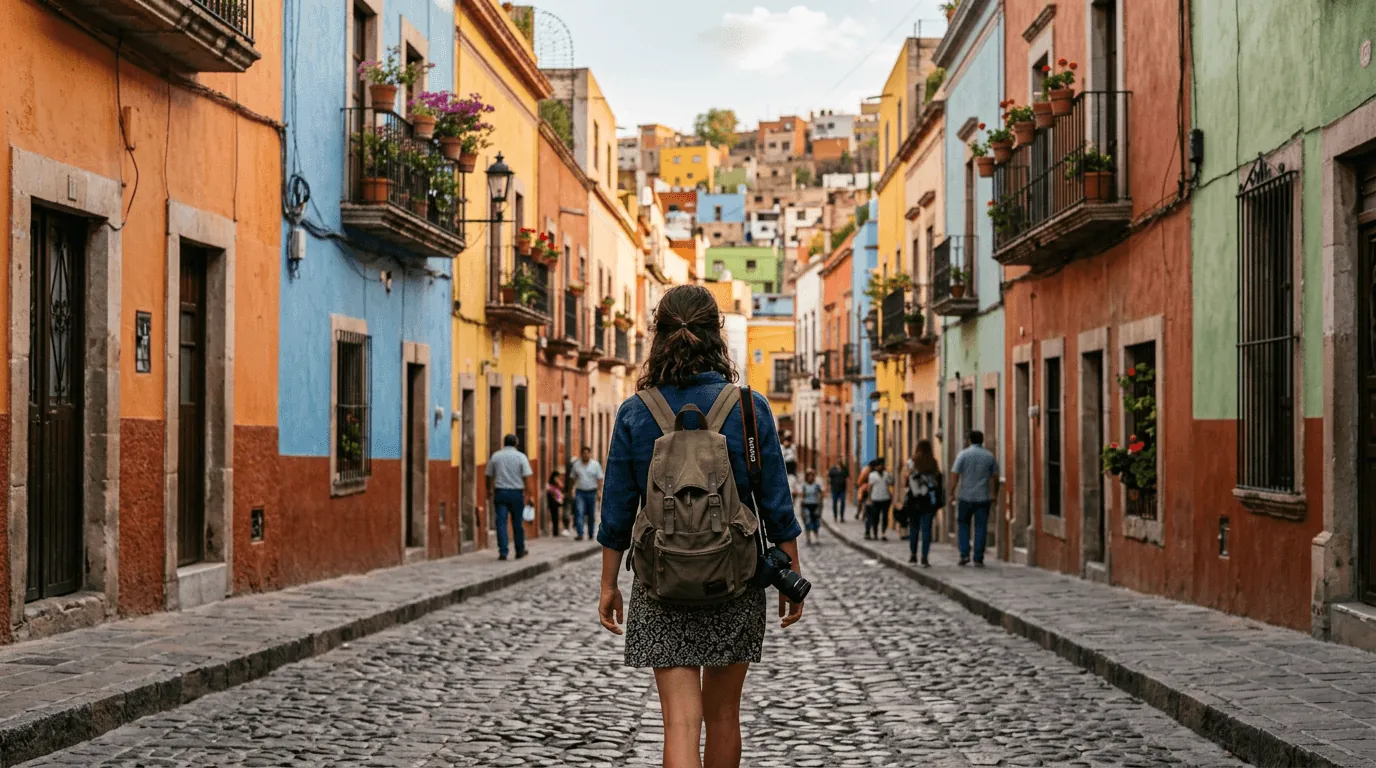
Teach English in Mexico
Get TEFL certified in Guadalajara, then teach anywhere in Mexico with a guaranteed paid job. No degree required, no upper age limit, and 11 specialty certificates included. One of the most age-friendly TEFL countries in the world.
Still researching? Read the Mexico country guide →
Change your life — and others' — through teaching abroad.
Bring meaning and fulfilment by developing your leadership, teaching, and organisation skills. Let others be grateful for your contribution, while you grow in ways you never expected.
"Mexico is the program with no upper age limit. Anywhere else, the rules tighten as you cross 40. In Mexico, the FM3 work visa just keeps renewing.
The course in Guadalajara has the most teaching-practice hours of any TEFL we run — well above international standards. You teach real students of all ages every afternoon. By week four you've already taught more lessons than some teachers do in their first month at a real school.
And the country: Mexico City, Oaxaca, San Miguel, Mérida, Cancún. The food, the colours, the kids — once you've taught here, you understand why teachers stay for years."

What's included in the Mexico program
Everything you need to land safely in a paid teaching role anywhere in Mexico.
4-week TEFL course (140 hours) in Guadalajara
More teaching practice than any other course in our network — well above international standards. Real students of all ages, levels A1 to C1.
11 specialty certificates included
Teaching kids, business English, online teaching, and more. Boost your CV and your confidence in front of every classroom type.
Guaranteed paid placement + lifelong worldwide guidance
Schools partner with us year-round. Language centres are the easiest entry point; private bilingual K–12s, international schools, universities and SEP public schools all hire as well.
FM3 work visa support (no upper age limit)
Employer-sponsored Residente Temporal visa. 12 months, renewable each year. After 3 renewals you can apply for permanent residency. Total cost $290–$380 USD.
Week by week, what your TEFL course looks like
Mapped out so you know exactly what you're walking into.
Foundations + first practice
Lesson planning, classroom management, methodology basics. Afternoon teaching practice begins immediately with real EFL students. Mon–Sat schedule.
Grammar & teaching kids
Grammar from the learner's view. Specialist module on teaching kids. More daily live teaching at the partner school (40+ classrooms, 2,000+ students, classes 7am–9pm).
Business English & online teaching
Specialist modules in business English and online teaching. Continued live teaching practice with new student groups and levels.
Final practice + FM3 paperwork
Final observed teaching across multiple class types. CV/video/mock interview prep. We help you start the FM3 visa process — typically 3–6 weeks of processing.
Everything we include in your Mexico program
We handle the friction so you can focus on the work.
Real teachers in Mexico, real reviews.
 Sara’s video reviewWatch on our reviews page
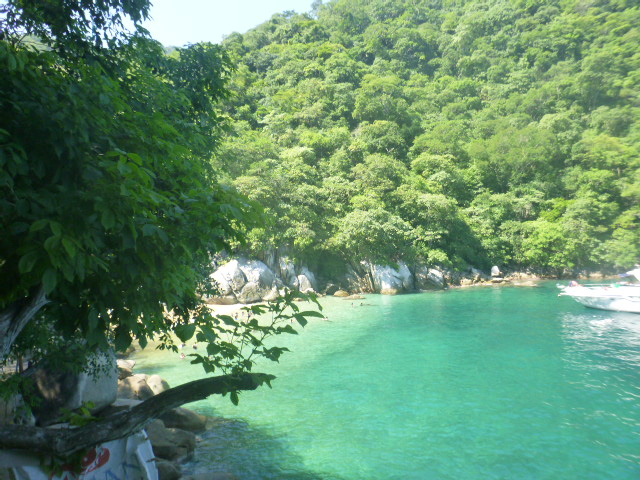 Teaching · MexicoRead the written story
 Jemina’s video reviewWatch on our reviews page
 Qa · MexicoRead the written story
 Rachel’s video reviewWatch on our reviews page
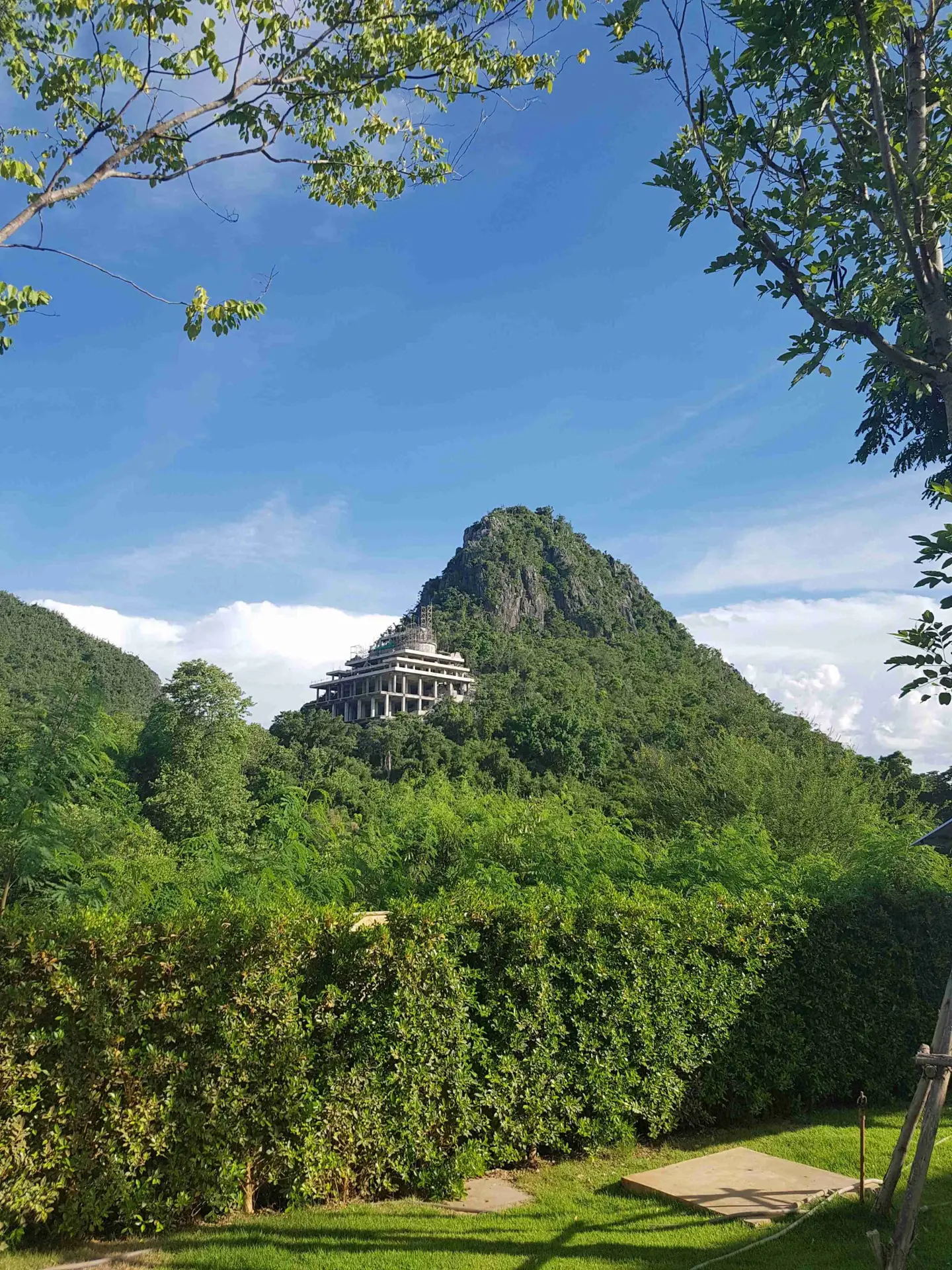 John · ThailandRead the written story
 Peter’s video reviewWatch on our reviews page
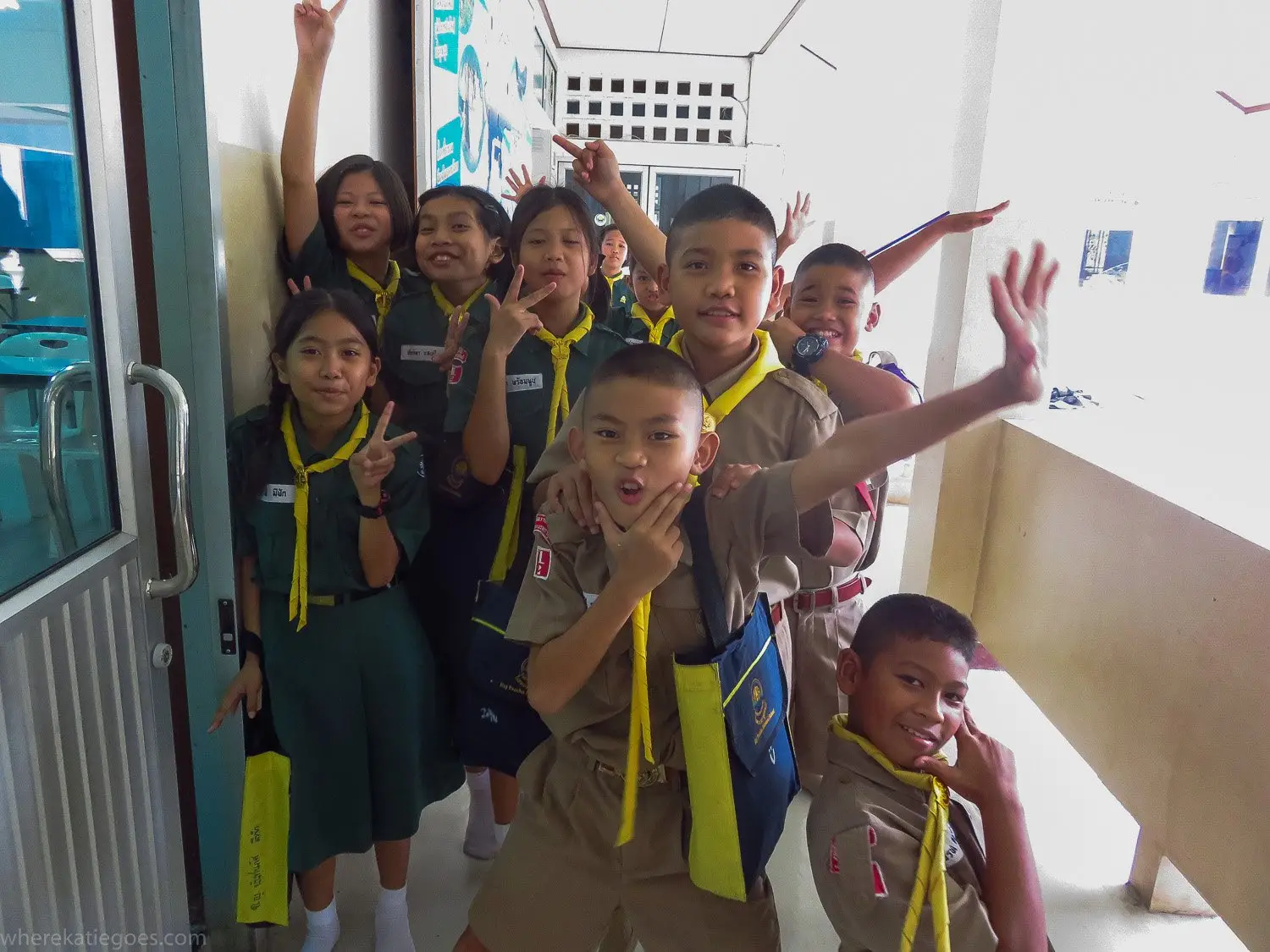 Katie · ThailandRead the written story
 Kaley’s video reviewWatch on our reviews page
 Kristen · ThailandRead the written story
 Emily’s video reviewWatch on our reviews page
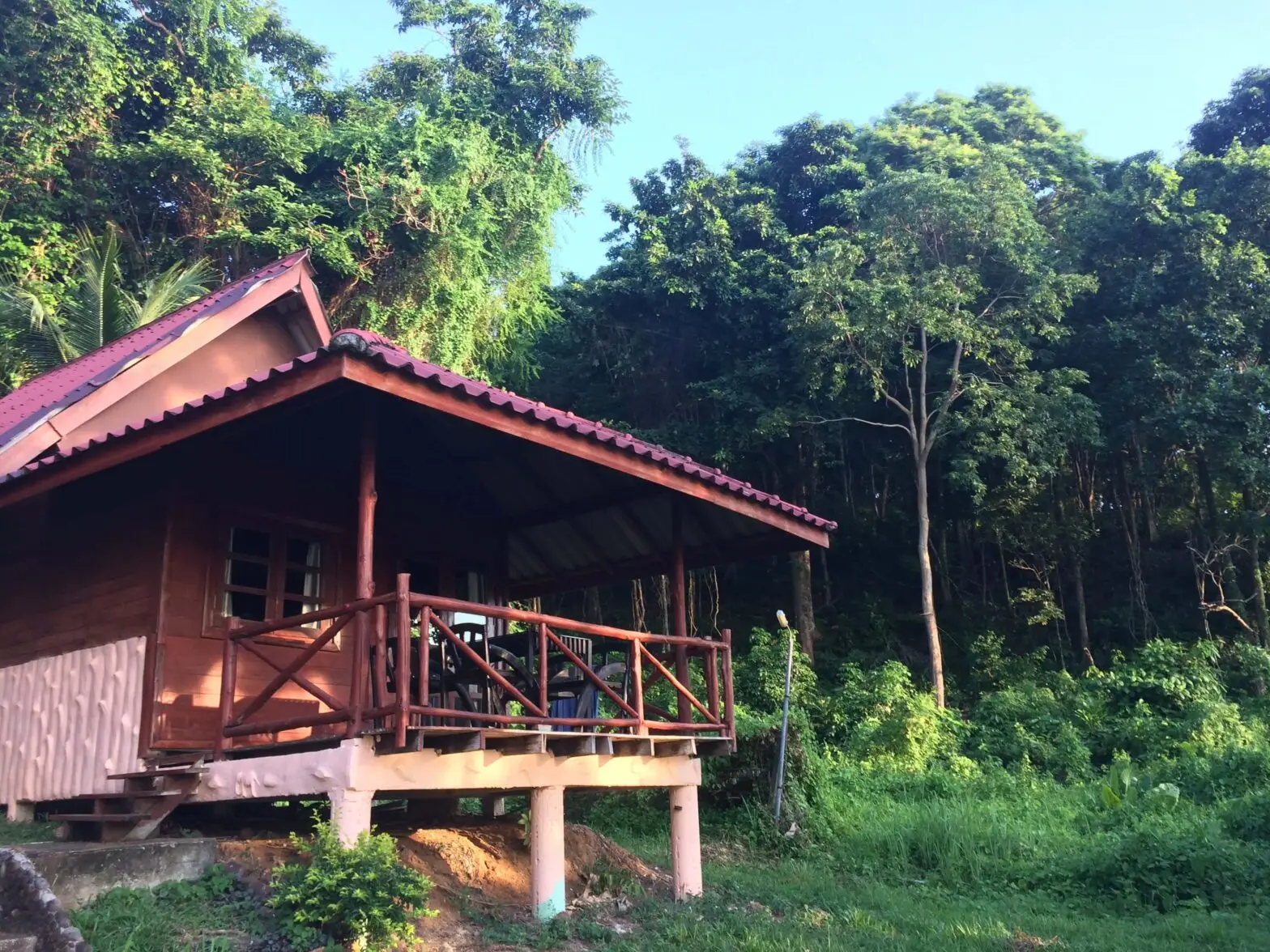 Siobhan · ThailandRead the written story
 Michelle’s video reviewWatch on our reviews page
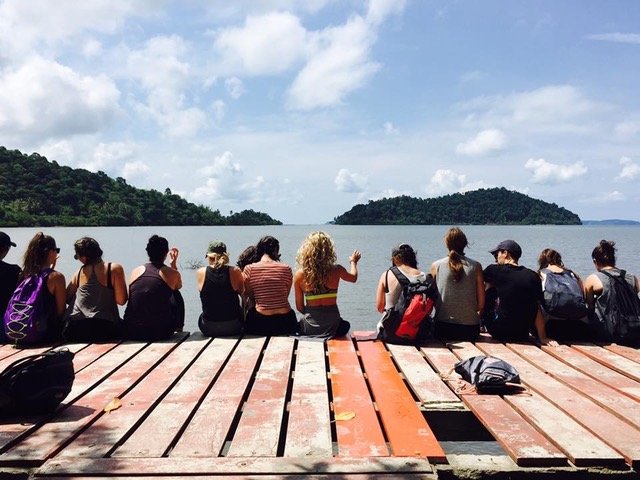 Stephanie · ThailandRead the written story
 Christina’s video reviewWatch on our reviews page
 Eva · VietnamRead the written story
100 video reviews and 67 written stories, all on our reviews page.
Sound like your kind of place?
Tell us you're interested and we'll send the full program pack.
Teach abroad. Get paid to create.
You're already going to post photos and stories from your year abroad. Mike will show you how to do it properly — and we'll pay you $200 every time a friend books a program through your personal link. Included free.
A 14-lesson Creator Course
Learn content creation and storytelling properly — our Creator Framework, audience-building, and the viral blueprint. Taught by founder Mike Maitland (Bangkok, since 2007). Included free.
$200 for every booking
Share your personal link with friends, classmates and followers. Every person who books a TEFL Heaven program through it puts $200 USD straight in your pocket — real cash while you teach.
A teacher-creator community
Swap what's landing with the other TEFL Heaven teachers abroad — content ideas, what's working, what flops. Real teachers, not influencers.
This isn't a sales gimmick — it's our way of saying thank you for telling your friends. We've been doing it for our alumni for years; we just made it official.
Why Mexico
Mexico is one of the few TEFL countries with no upper age limit on the work visa, no degree requirement, and a teaching market that hires year-round. The FM3 visa just keeps renewing. The country is huge — every region feels like a different country — and the cost of living means you can live well on a teacher salary.
What teaching in Mexico is really like
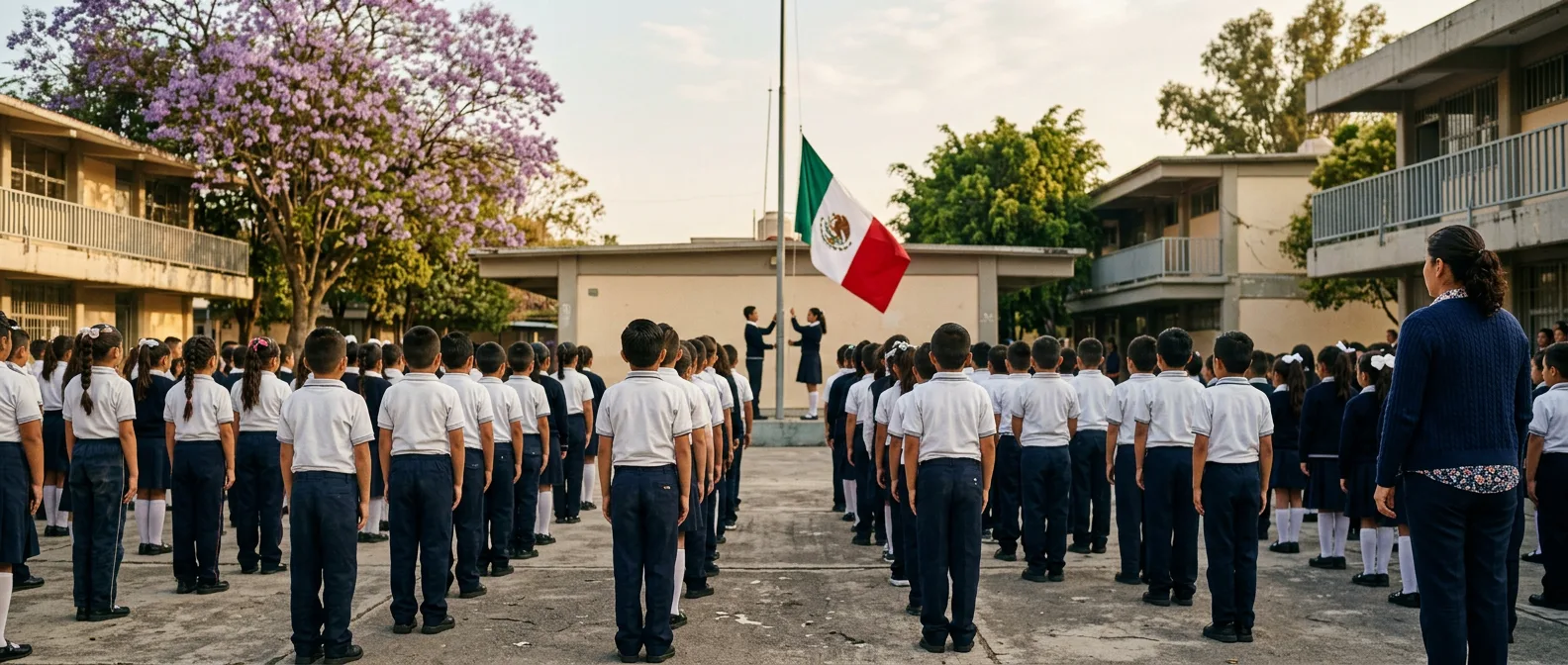
Mexico's market spans language centres, private bilingual K–12s, international schools, universities, public SEP schools, and private tutoring. Language centres are where most teachers start (they hire year-round). The big-money options — international schools and universities — usually want a degree.
Hours are typically 20–25 teaching hours per week, Mon–Fri. Schedules can be split — early mornings (7–9am) and evenings (7–9pm), with afternoons free for tutoring. Schools follow August–July calendar; some include paid vacation. Public holidays off.
Private tutoring pays well — $7–$15 USD per hour cash, and many teachers double their income this way. Class sizes range 4–12 at language centres, 15–30 at K–12 schools.

Cities we place teachers in
The course is held in Guadalajara, but you can teach anywhere in Mexico after the course.
 Guadalajara
Where you do the TEFL course. Many teachers stay in Guadalajara for placement — it's calm, walkable, and has a strong teacher community.
 Mexico City
The most placements, the most pay options, and the food capital of the Americas. Many teachers move here after the course.
 Coastal & cultural
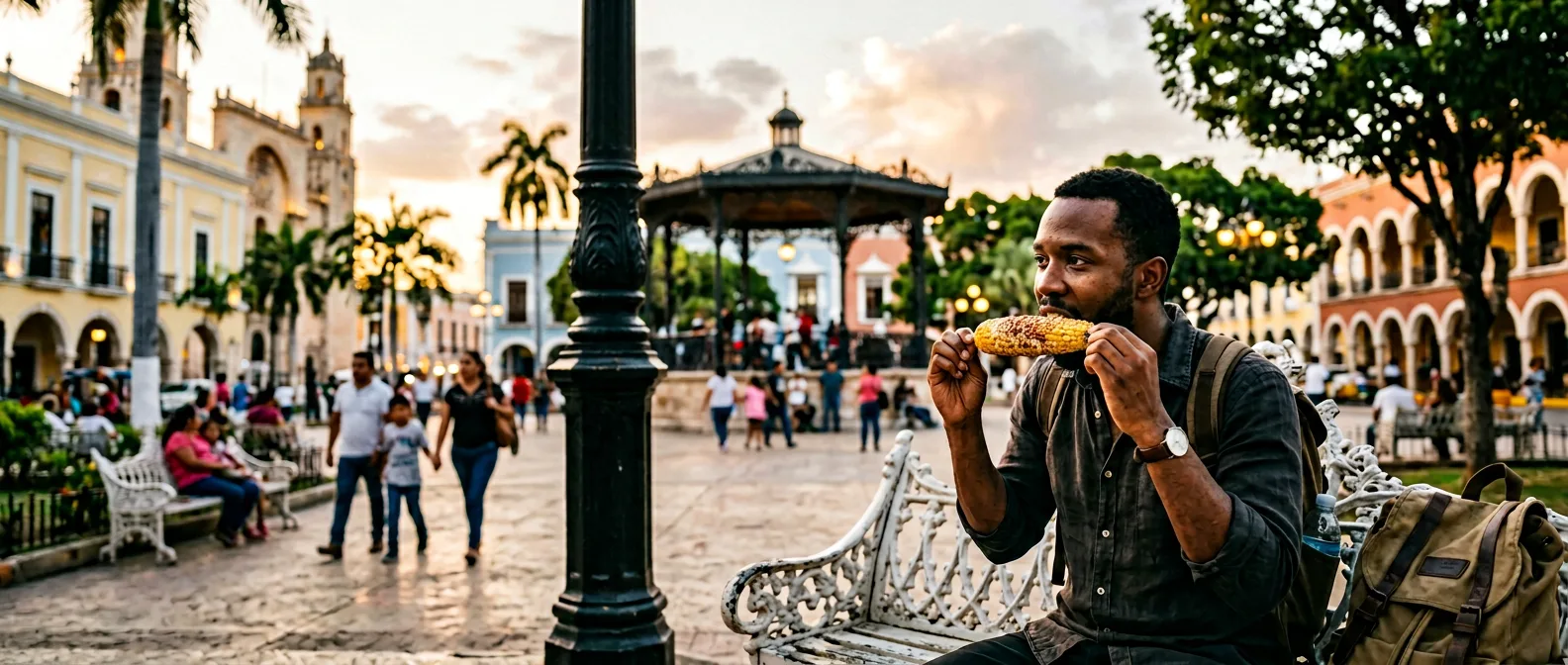
Cancún, Mérida, Oaxaca, Puebla, San Miguel de Allende. Smaller cohorts, lower rents, and the Mexico that pulls travellers back.
This could be you in a few months.
We'll walk you through every step — visa, flights, accommodation, and landing your first teaching job.
What it really costs to live in Mexico
Honest numbers on what teachers spend and what they save.
Shared apartment in Mexico City $250–350. Single rooms in Guadalajara/Oaxaca run cheaper. First month + 1 month deposit.
Tacos, tortas, and tianguis markets are cheap. Eating local saves hundreds. Imported groceries cost more than you'd expect.
Metro is cheap. Uber and DiDi work. Long-distance buses are excellent. Most teachers stay car-free.
Mexico is a quality-of-life country. Most teachers cover all costs and travel. Private tutoring on the side can push savings higher.
We tell you this upfront — the ones who plan for it love their first year.
Teaching on a tourist visa is technically illegal. Always work toward an FM3. The process: get TEFL certified → secure a job offer on school letterhead → employer files with INM → you collect the visa at a Mexican consulate (often outside Mexico). Total cost $290–$380 USD. Processing 3–6 weeks.
Bring at least $1,500–$2,000 USD on top of any program fees. Covers visa fees, first month rent + deposit, food, transport, and living costs while you find your first job (usually 2–4 weeks after the course).
2026 FIFA World Cup (Jun 11 – Jul 19, 2026) will affect Guadalajara accommodation prices — flag this if you're planning to book around those dates.
What life is really like as a teacher in Mexico
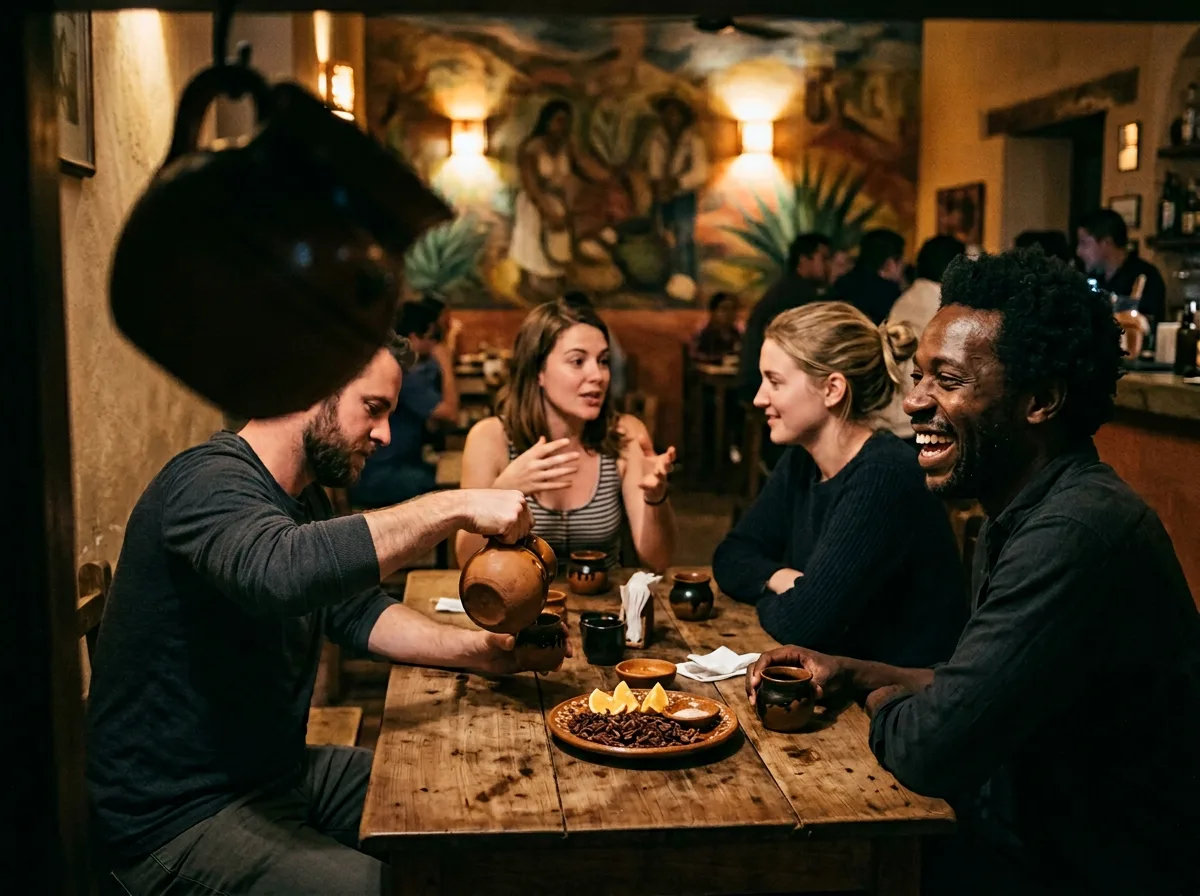
Mexico is colour, food, and warmth. Tianguis markets every Sunday. Mole and tacos al pastor and birria for breakfast. Day of the Dead in November. Mariachi at random intersections. The teaching schedule (split mornings/evenings) leaves afternoons free for the country.
Weekends mean Oaxaca, Mérida, the cenotes of Yucatán, San Miguel's colonial streets, mezcal in Oaxaca City. Or short flights to Costa Rica or Cuba. Mexico rewards teachers who stay long enough to know one neighbourhood properly. Many teachers extend year after year.

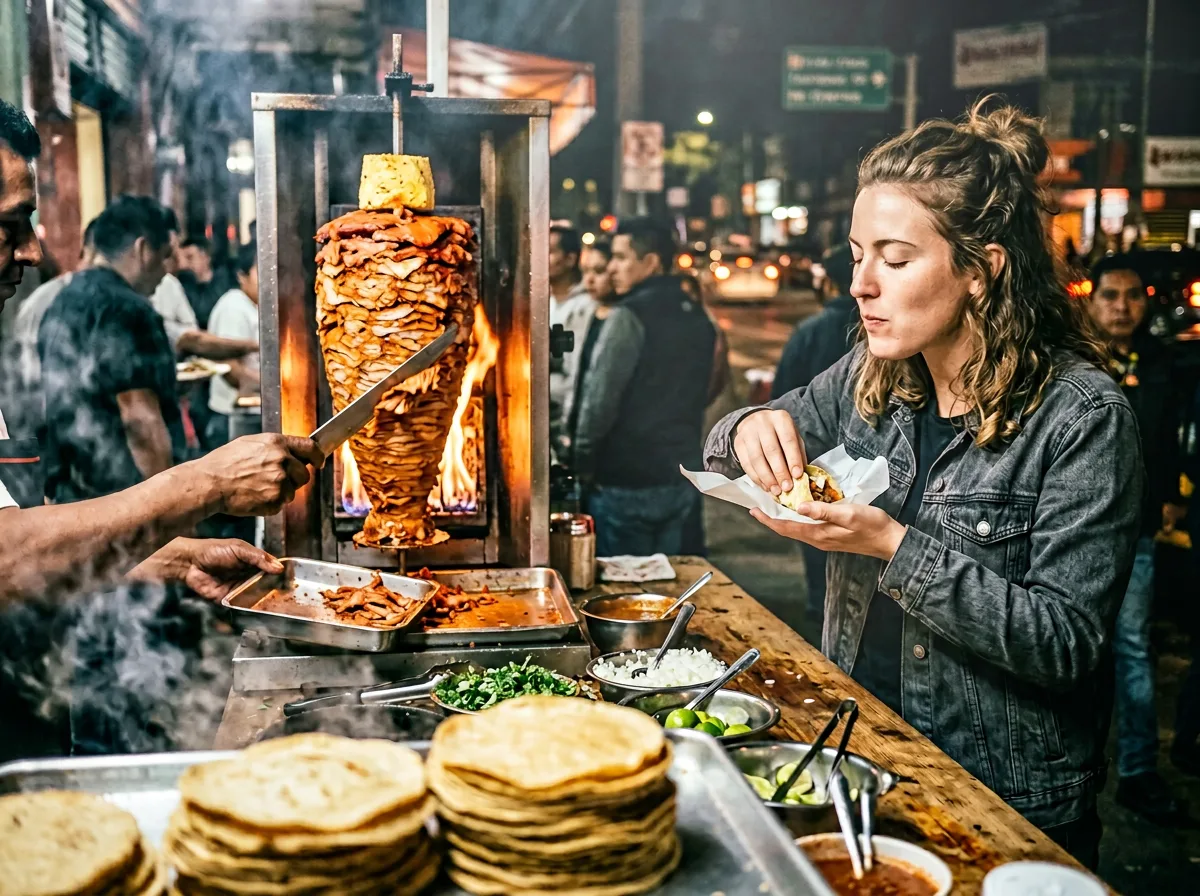
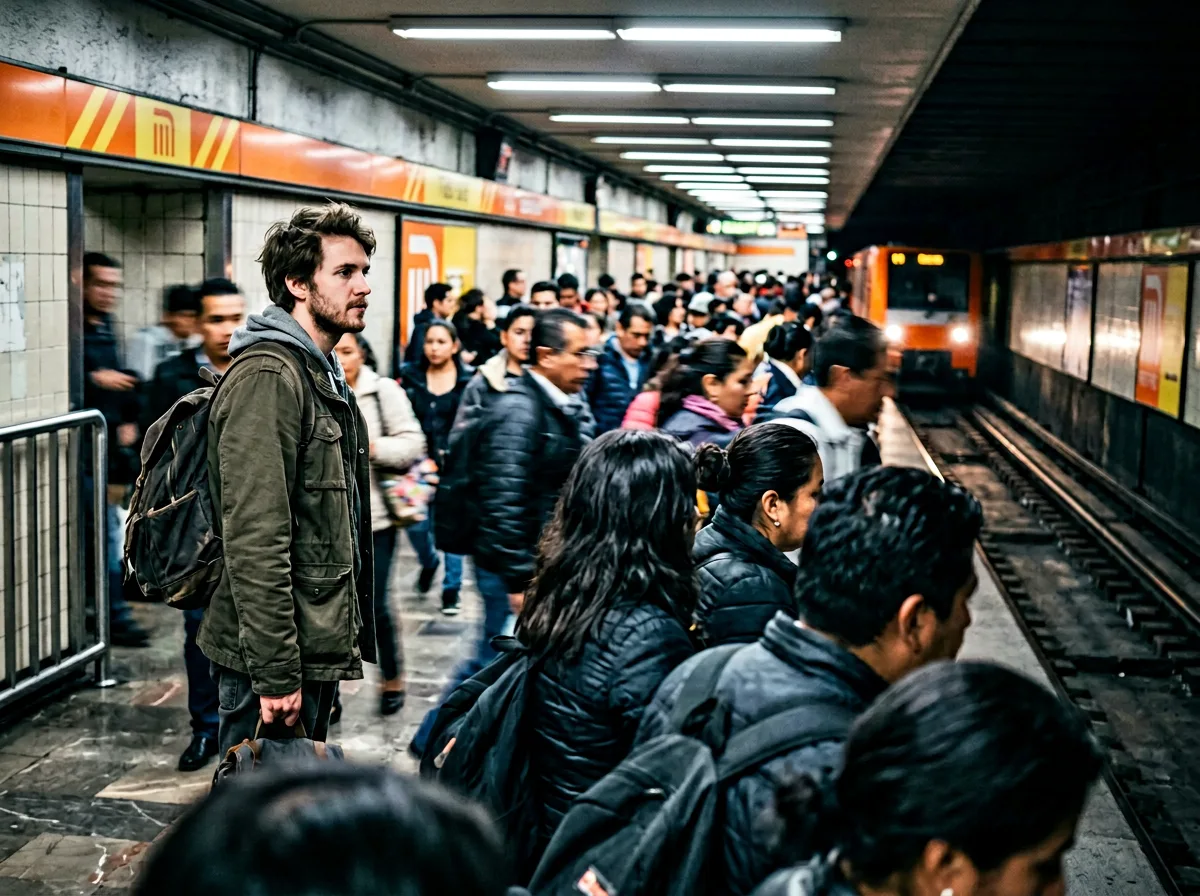
Mexico is the program with no upper age limit. If you're 35, 45, 55, you've still got an easy route into a paid teaching career. The course is unusually intense on practice hours, the country is huge, and Mexican students are some of the warmest you'll ever stand in front of.
"It's 7:15 on a Tuesday morning. You're in a glass office in Polanco teaching business English to four mid-career professionals — they're sharper at 7:15 than your home colleagues used to be at 11. By 9 you're back at home with three hours free before your evening class. Lunch at a corner taquería, $4 for three tacos al pastor and a Coke in a glass bottle. By 10pm your evening class is finished and you're at a mezcalería with two graduates from your TEFL cohort. Saturday: the bus to Puebla."
A Tuesday in month sevenTEFL Heaven vs doing it alone
An honest look at your three options for getting into a Mexican classroom.
- ✕No accredited TEFL certificate
- ✕No live teaching practice
- ✕Find your own school + FM3 sponsor
- ✕Risk teaching on a tourist visa
- ✕Arrival = on your own
- ✕Support when things go wrong: none
- ~120-hour online cert
- ✕No live teaching practice
- ✕No FM3 visa support
- ✕No job guarantee
- ~Forum access / generic advice
- ✕No in-country team
- ✓120-hour TEFL with unusually high practice hours
- ✓11 specialty certificates included
- ✓Full FM3 visa application support
- ✓Guaranteed paid placement + lifelong job network
- ✓Airport pickup + accommodation help + Spanish week
- ✓17 years of in-country experience behind you
What you get that a standalone Guadalajara school can't give you
The Mexico course is delivered by our partners on the ground — chosen for their unusually high practice hours (well above international standards) and 11-specialty-certificate stack. Behind it: a family-run global network built since 2007, with placements across Czechia, Japan, Spain, Vietnam and more.
If Mexico is your first teaching year but not your last, we've already placed your next move. And if things go sideways — visa hiccups, contract issues, anything — you've got a team you know, not a reception desk.
Teachers who pick Mexico tend to be…
✓ This fits
Without a degree, or over 40 and locked out of other markets. Drawn to Latin culture, Mexican food, and the country's huge regional variety. Comfortable with split schedules (early morning + evening). Open to building income via tutoring on the side. Mexico has no upper age limit on the FM3 work visa — uniquely flexible.
✗ Pick a different program
You want maximum savings (Korea, Vietnam, Japan pay much better). You can't handle 7am morning classes. You need full-time hours from day one (Mexico ramps over 2–4 weeks after the course). You want to live in one of the only legal Tokyo/Seoul-style mega-cities (Mexico City qualifies, but the program isn't urban-mandatory).
Upcoming start dates
Mexico runs a 4-week TEFL every month. Apply 1–2 months ahead. Earlier signups also qualify for early-bird discounts where offered.
Oct 26, 2026 is the next available intake · apply ~3 months ahead
2026 FIFA World Cup (Jun 11 – Jul 19) will affect Guadalajara accommodation prices for the June and July intakes — book accommodation early or pick a different cohort.
FAQ
Do I need a degree?
No — a high school diploma is enough for the FM3 work visa. Some international schools and universities prefer a degree for higher-paying positions, but the language-centre market hires non-degree teachers year-round. Native or near-native English is required as a placement-relevant teaching skill (we'll ask for proof if you're a non-native speaker).
How much will I earn — and can I save?
Language centres: $800–$1,200/month. Private bilingual K–12: $700–$1,000. International schools: $1,000–$1,200 (need a degree). Universities: $800–$1,100 (often need a Master's). Most full-time teachers make ~13,750 pesos/month. Private tutoring pays $7–$15/hr cash and many teachers double their income this way.
How much money should I bring?
$1,500–$2,000 USD on top of any program fees. Covers visa fees, first month rent + deposit, food, transport, and living costs while you find your first job (usually 2–4 weeks after the course). After the first month, most teachers cover all expenses on salary.
How does the FM3 visa work?
FM3 (Residente Temporal) is an employer-sponsored work visa. Valid 12 months, renewable each year. After 3 renewals you can apply for permanent residency. Total cost $290–$380 USD ($90 INM application + ~$200 consular fee). Processing 3–6 weeks. Process: 1) Get TEFL certified, 2) Get a job offer on school letterhead, 3) Employer files with INM, 4) You collect the visa at a Mexican consulate (often outside Mexico).
What about the 'no upper age limit'?
True — Mexico's FM3 visa has no upper age limit, which is genuinely rare in TEFL. Teachers in their 40s, 50s and 60s are placed regularly. We'll be honest about what's realistic for your specific situation.
Can I teach on a tourist visa?
Technically illegal. Always work toward an FM3. Some teachers do private tutoring on a tourist visa as a bridge while the FM3 processes — we'll walk you through what's legitimate vs what's risky.
Where will I live?
Several options during the course: homestay (private bedroom + meals, ~35–45 min from school), hostel (walking distance, free WiFi), 4-star or 5-star hotel (room service, central), or furnished apartment. After the course in Mexico City: shared apartment $250–$350/month. Total monthly budget about $700 USD.
Are tattoos okay?
Mexico is relaxed about tattoos. Some schools may prefer them covered at work — case by case. We'll be honest about what specific schools want.
Can I bring family or pets?
You can travel with family, but the program does not arrange anything for them. Pets are possible but you handle all logistics yourself.
What's not included?
Flights, health/travel insurance, long-term accommodation (after the course), FM3 visa fees ($290–$380 USD), daily living costs, Spanish lessons beyond the included free week. We'll send you a full itemised breakdown when you enquire.
The Mexico Full Program Pack
When you enquire, we'll send you the full Mexico program pack — start dates, what's included, arrival logistics, FM3 checklist, monthly salary + cost breakdown, and a sample week in the classroom. Sent straight to your inbox.
Send me the Mexico details →
Andy handles Mexico enquiries
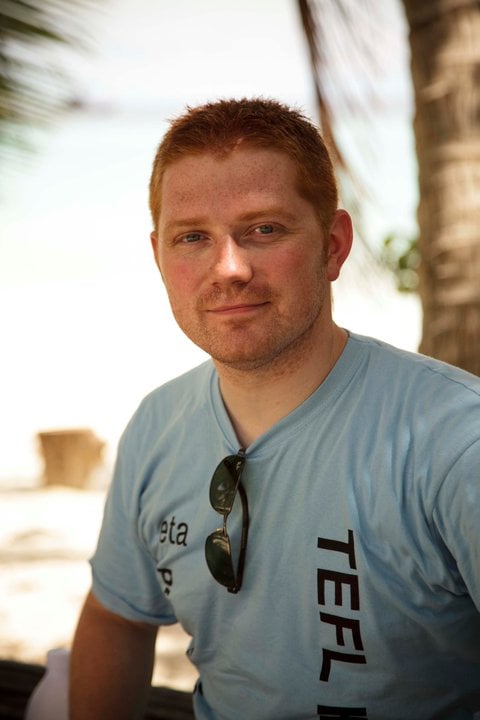
Andy replies within 24 hours — usually same day. He'll be honest about which placements are realistic for your age, degree status, and language background.
Let's get you teaching in Mexico.
We'll walk you through the next steps — start date, FM3 visa, flights, and everything else. Takes about 10 minutes.
Included free: Mike's Creator Course + $200 every time a friend books
No pressure, no commitment — we'll just answer your questions.
— Mike Maitland, Bangkok