

Teach English in Chile
The Atacama Desert — driest place on earth. Torres del Paine’s granite towers. Valparaíso’s rainbow hillsides. Santiago’s Andes backdrop. Chile stretches 4,300 kilometres from the tropics to Patagonia, and offers South America’s most professionally structured TEFL market.
Why Chile is South America’s most professionally structured TEFL market

Chile is the OECD member in South America — the only Latin American country in the organisation of the world’s most developed economies. This status reflects genuine economic fundamentals: the continent’s lowest inflation, a stable currency, strong institutions, and a consistent commitment to education investment that has driven English demand from government policy as well as market forces. For English teachers, this translates to the most professionally structured market in South America: schools that routinely sponsor work visas, contracts that mean what they say, salaries paid reliably on time.
Chile is also the safest country in South America by virtually every measure. This matters practically: teachers in Santiago, Valparaíso, and other Chilean cities describe security conditions meaningfully better than in Colombia, Brazil, or even Argentina’s Buenos Aires. Chile requires standard urban awareness — pickpocketing exists, particularly in Santiago’s busy tourist areas — but the level of active safety management required is significantly lower than in most Latin American TEFL destinations.
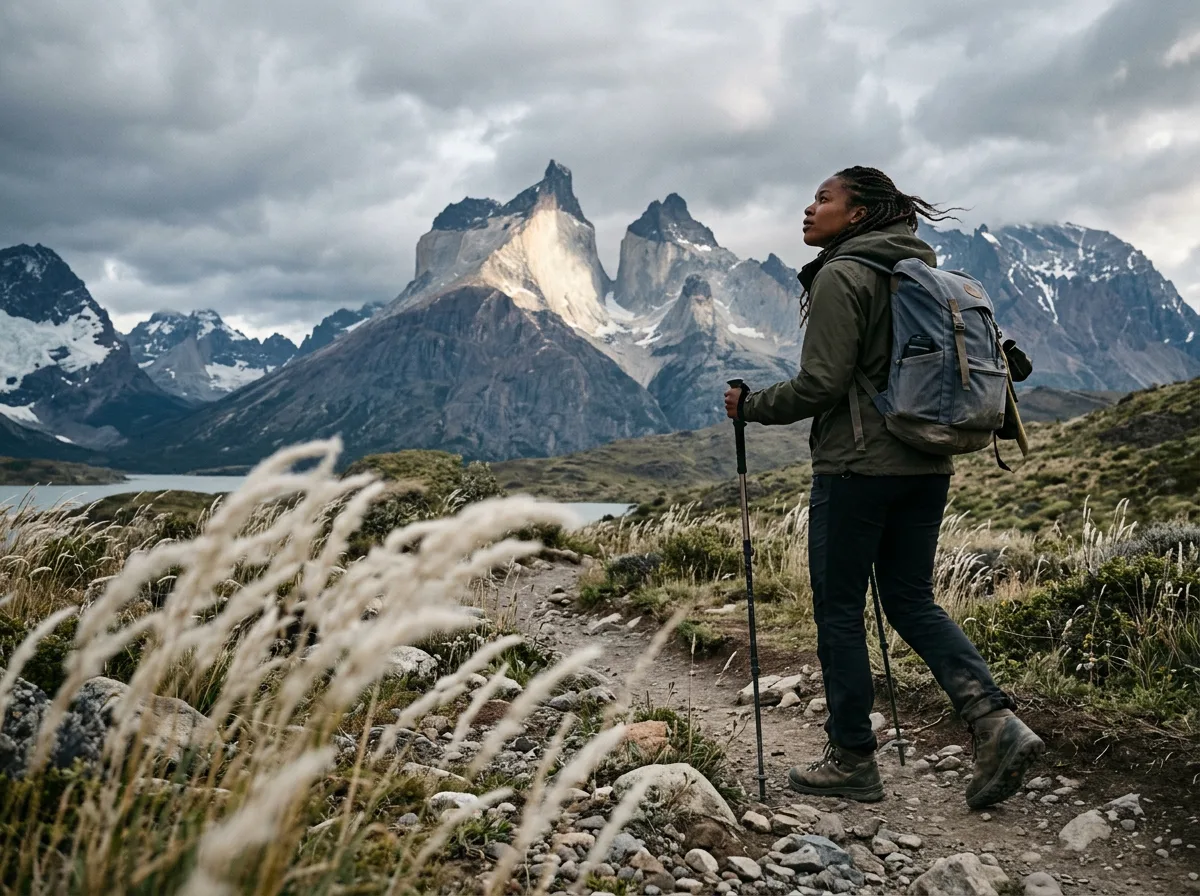
The geography is the final and extraordinary selling point. Chile is unique on earth — a country 4,300km long but rarely more than 200km wide, containing within it the world’s driest non-polar desert, Mediterranean wine country, temperate rainforest, and glaciated Patagonia. From Santiago, you are 1 hour from world-class skiing in the Andes; 1.5 hours from the UNESCO heritage port city of Valparaíso; 5 hours from the start of the Lake District; and within a few hours of some of the world’s finest stargazing in the Atacama Desert.
Chile’s stability: what it means for teachers
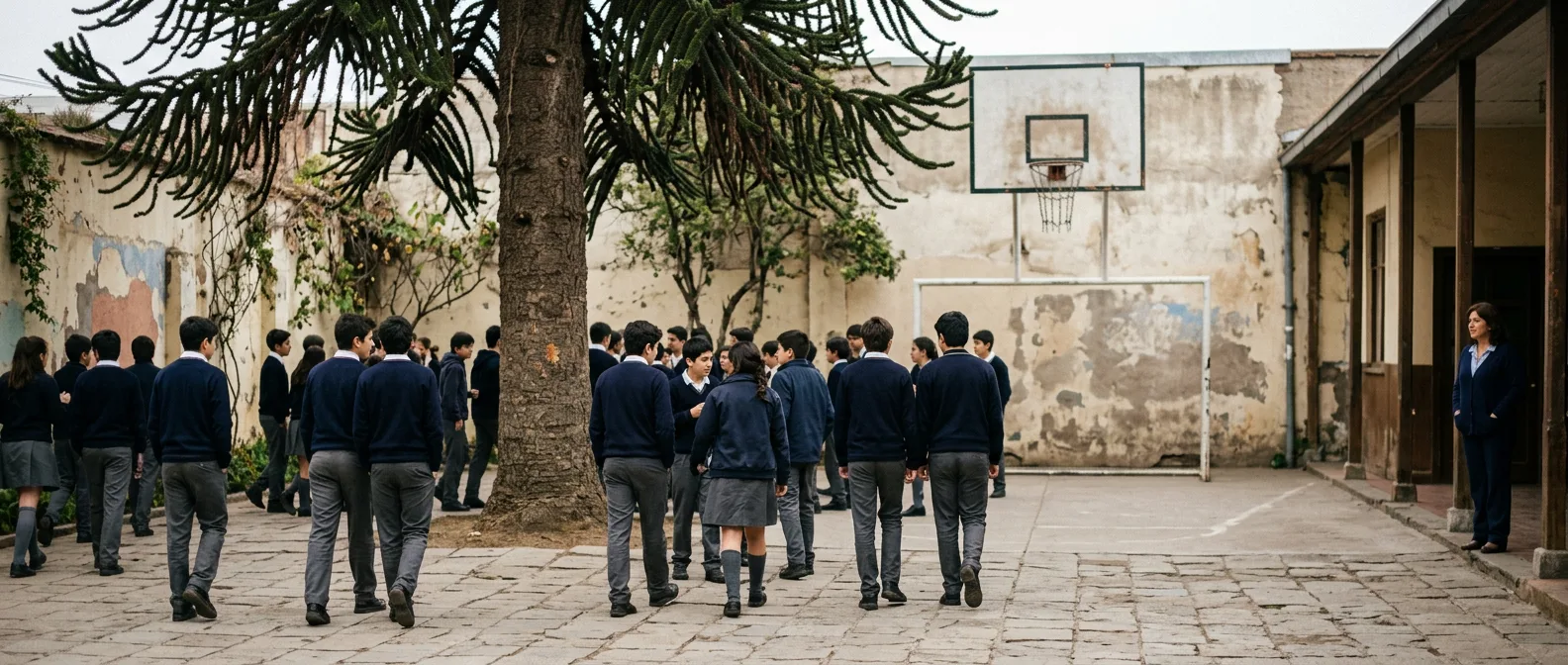
The contrast with Argentina is the most instructive comparison. Argentina’s peso has inflated violently over the past decade; language school ARS salaries in dollar terms are modest and unstable; visa arrangements are informal; and the economic uncertainty teachers navigate is real. Chile’s situation is categorically different. The Chilean peso (CLP) is one of Latin America’s most stable currencies. Language school salaries, while not high in absolute terms, are paid reliably in a currency that doesn’t erode. The visa sujeta a contrato framework means most schools sponsoring foreign teachers are doing so through a proper legal process — not advising teachers to cross the border every 90 days.
Chile also specifically stands out for a key property of its work visa: many language schools sponsor the visa sujeta a contrato for their foreign teacher hires as a standard part of employment. This is structurally different from every other Latin American market in this build except Colombia (which has the M visa). In Peru, Guatemala, and Argentina, tourist-visa working is the norm. In Chile and Colombia, legal work visa frameworks are genuinely accessible and routinely used.
The caveat: Visa processing times in Chile are currently 6–8 months due to high demand and system reorganisation following the 2022 immigration law overhaul. This means teachers who arrive in Chile on tourist entry and then apply for the sujeta a contrato typically work in a legal grey area for 6–8 months while the application processes. International schools and major chains navigate this more efficiently than smaller independents.
Chile’s English teaching job market
Language institutes
The primary market for most foreign teachers. Instituto Chileno-Británico de Cultura (8 branches; prestigious binational institute), Instituto Chileno-Norteamericano de Cultura ($1,100/month for full-time roles), Wall Street English (8 cities; 10 language centres), Grant’s English, Tronwell, and dozens of independent institutes throughout Santiago. Evening-heavy schedules; adult professionals; 20–30 hours per week. Salary CLP 500K–1M/month ($570–$1,140). Visa sujeta a contrato standard.
International schools
Santiago’s International School Nido de Águilas (one of South America’s most respected; full IB programme), Colegio Lincoln (American), Colegio San Marcos, Mackay School, Santiago College. Pay $1,700–$2,850/month with comprehensive benefits. Require formal teaching licence plus experience. Applications through specialist recruiters. Chile’s international school salary tier is meaningful — Level 5 TEFL holders + teaching licence are increasingly specified.
Government programmes
Programa Inglés Abre Puertas (English Opens Doors): Chilean Ministry of Education programme placing native/near-native English speakers in public schools. Was paused 2020; restarting 2025–2026. Monthly stipend + host family accommodation + local health insurance. Formally structured; no degree required. Best for teachers who want structured entry plus cultural immersion without maximum income as priority.
Corporate English
Santiago’s position as South America’s most developed business capital (after São Paulo in scale) drives Business English demand from mining companies (Codelco, BHP Chile), financial institutions, multinationals with Chilean operations, and the growing tech sector. Corporate rates $15–$30/hour. Instituto Chileno-Norteamericano and British Council Chile hold significant corporate portfolios. Best for teachers with Business English specialisation.
Private schools
Chile’s private K-12 sector has grown significantly as the Chilean middle class invests in English education. Private schools paying CLP 800K–1.5M/month ($910–$1,700) require TEFL and degree; some require teaching licence. Redland School offers gap year placements and full contracts including lunch and CPD. More accessible than international schools; better paid than language institutes; K-12 environment for teachers who prefer children.
Private tutoring
Chile’s private tutoring rates of $20–$40/hour are the highest in this Latin American build — reflecting Chile’s stronger economy and middle class’s willingness to pay for quality individual instruction. Built through word-of-mouth, Facebook groups, and university networks. Essential supplement to language institute income; primary income strategy for experienced teachers in Santiago. Corporate clients (executives) command the top end of rates.
Ready to teach English abroad?
Browse TEFL Heaven’s full range of teacher placement programs — from Southeast Asia to Europe and Latin America.
What English teachers earn in Chile
Chile pays better than Peru, Guatemala, or Argentina’s ARS salary (which erodes), comparable to Colombia, and meaningfully less than the UAE or South Korea. The stable CLP means salary figures are genuinely predictable — the salary you negotiate in March will still be worth approximately the same in December, unlike in Argentina.
| Position | CLP (monthly) | USD approx. |
|---|---|---|
| Language institute (standard) | CLP 500–700K | ~$570–$800 |
| Language institute (CELTA/experienced) | CLP 700K–1M | ~$800–$1,140 |
| Private school | CLP 800K–1.5M | ~$910–$1,700 |
| International school | USD equivalent | $1,700–$2,850 |
| Corporate English | $15–$30/hr | $1,200–$2,400 (full-time) |
| Private tutoring | $20–$40/hr | Strong supplement |
| English Opens Doors (volunteer) | Stipend + housing | ~$500 stipend |
Exchange rate: approximately CLP 880 per USD (2026; more stable than ARS). CLP 1 million ≈ $1,136 USD.
Requirements to teach English in Chile
Chile's formally structured hiring culture means requirements are consistently applied across most positions. TEFL certification, a bachelor's degree, and native-level English fluency form the baseline for language institute work, while international schools and private schools require additional qualifications.
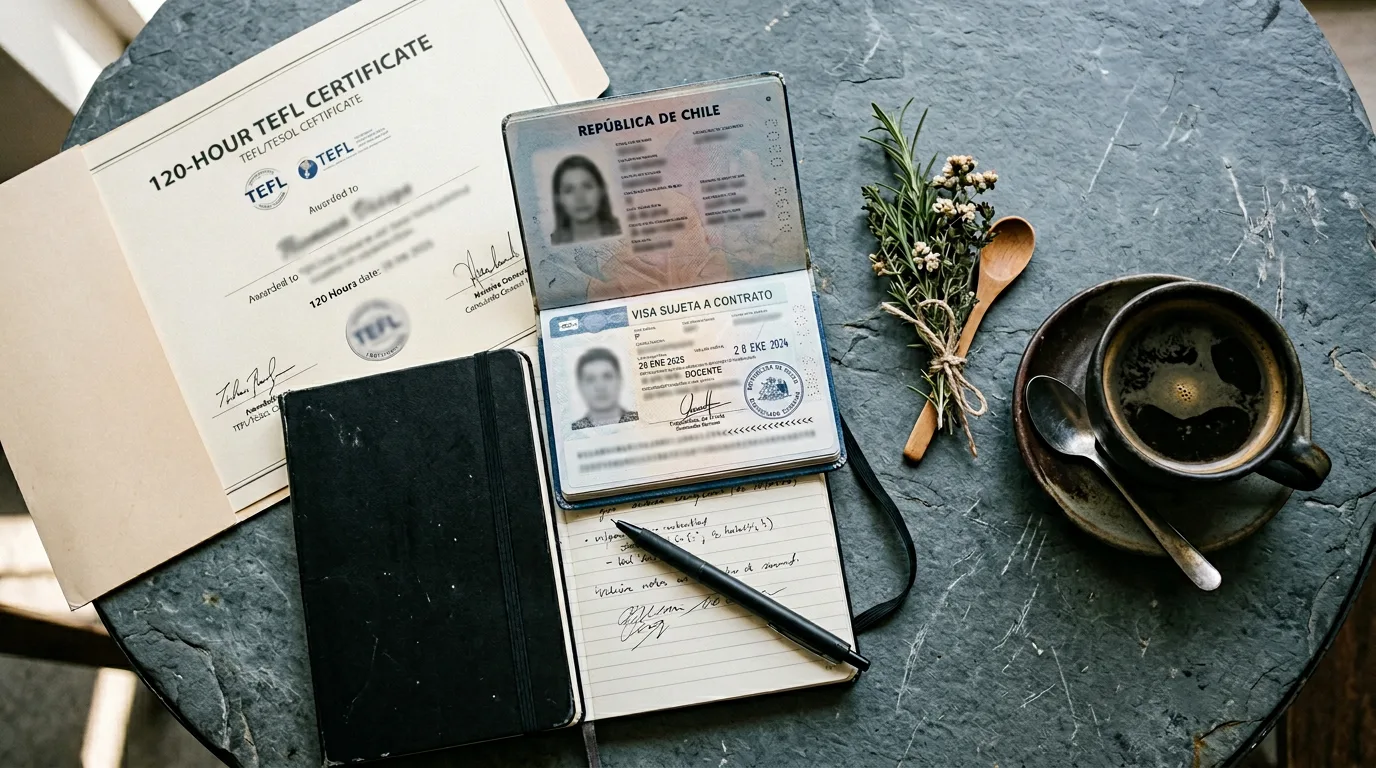
TEFL certificate
120-hour TEFL required for most language institute positions. CELTA (available at Bridge Abroad Santiago and International House Santiago) is the most valued certification in Chile’s competitive Santiago market. Level 5 TEFL diploma increasingly specified at international schools and for top-tier salaries. In-country CELTA training in Santiago provides simultaneous certification and market establishment.
Degree
Bachelor’s degree required at most language institutes; some smaller independents hire without. International schools require education or subject degree. Private schools increasingly require degree plus teaching licence. Unlike Argentina’s highly flexible approach, Chile’s more formally structured hiring culture consistently requires degree credentials for established positions.
Native English
Native or near-native fluency required. Traditional native-speaker nationalities preferred (USA, UK, Canada, Ireland, Australia, NZ, South Africa). Non-native speakers with C2/near-native proficiency and IELTS 7.5+ or TOEFL 100+ do find work, particularly at institutes that care more about teaching quality than passport. British accents less common in Chile than US accents — some schools specifically value British English teachers.
Spanish
Not required for classroom teaching. Chilean Spanish is considered among the most difficult accents in Latin America — fast-paced, heavily contracted, and with extensive local slang (“cachái?” = “understand?”). For daily life: basic Spanish makes Chile significantly more accessible. For bilingual school positions: Spanish expected for parent/colleague interaction. Most teachers describe achieving basic functional Spanish within 3–4 months of Chilean immersion.
Best cities for English teachers in Chile

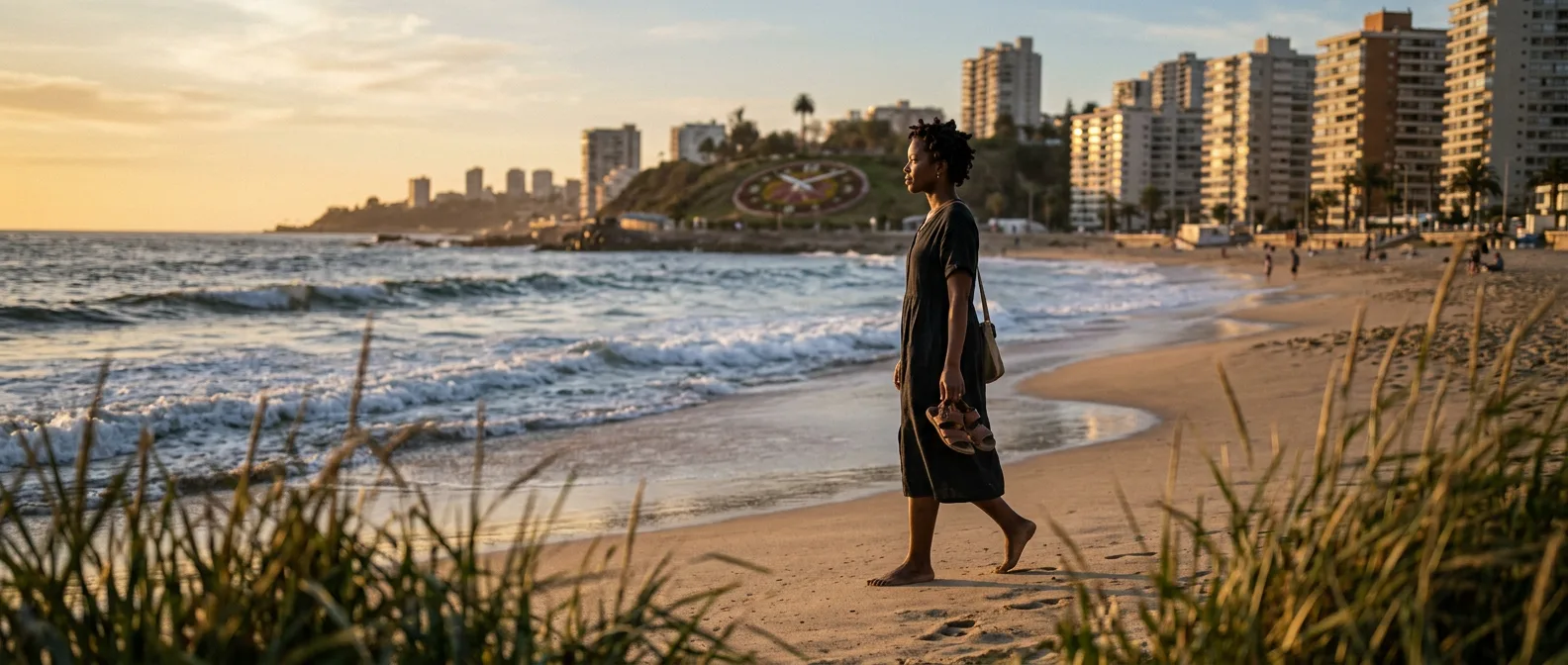

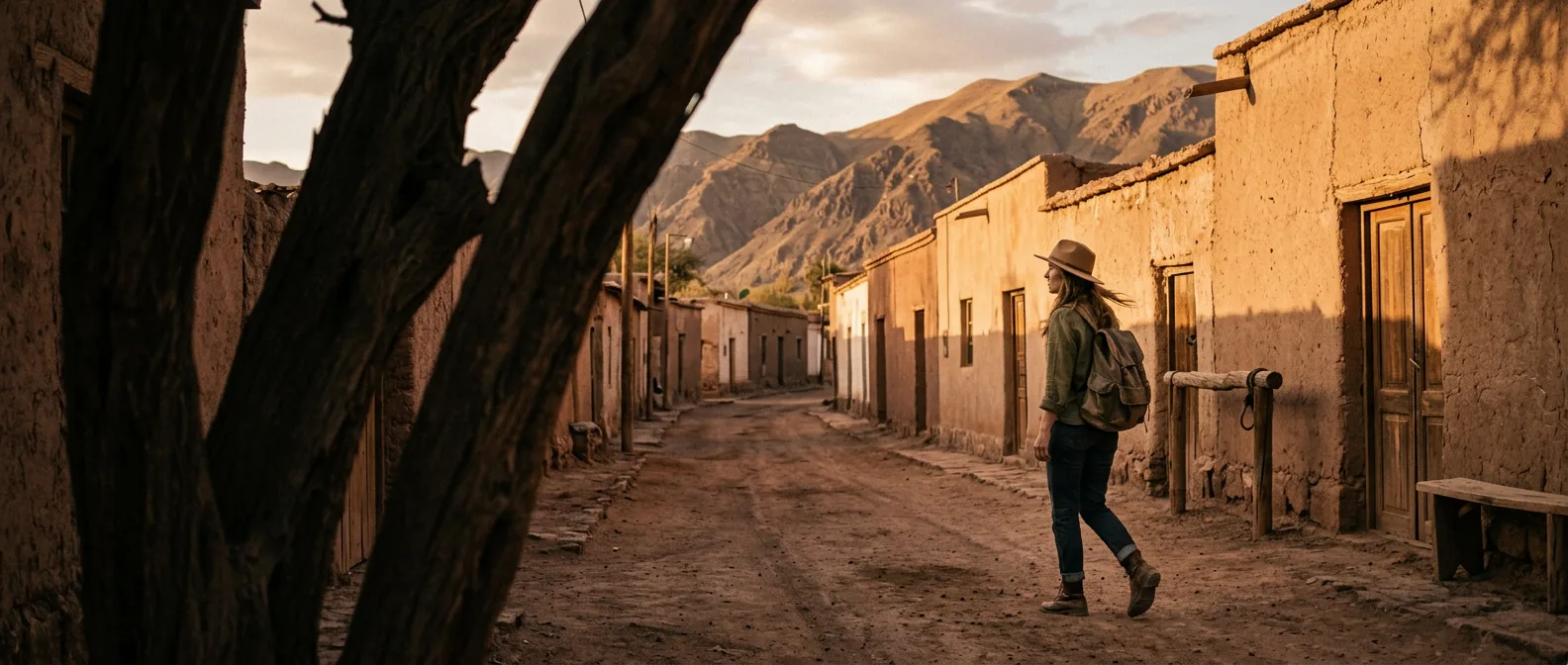
Chile’s academic calendar
Chile’s school year runs March through December with a mid-year break in July. The Southern Hemisphere calendar means March is the academic new year — peak hiring for language schools is late February/March. International schools recruit remotely 6–12 months ahead through specialist platforms for March starts. Language institutes also have a secondary hiring peak in July for the second semester. January and February are the Chilean summer holiday — arriving in January to look for language school work is the least effective approach.
Arrive early March: Most experienced Chile TEFL teachers recommend arriving the first week of March at the latest for the peak hiring window — or even February for the busiest schools. Language institutes typically start new contracts in March and July. The in-person walk-in strategy combined with online pre-applications (many Chilean schools accept applications before arrival) works well if executed in the first 1–2 weeks of March.
Three school types in Chile
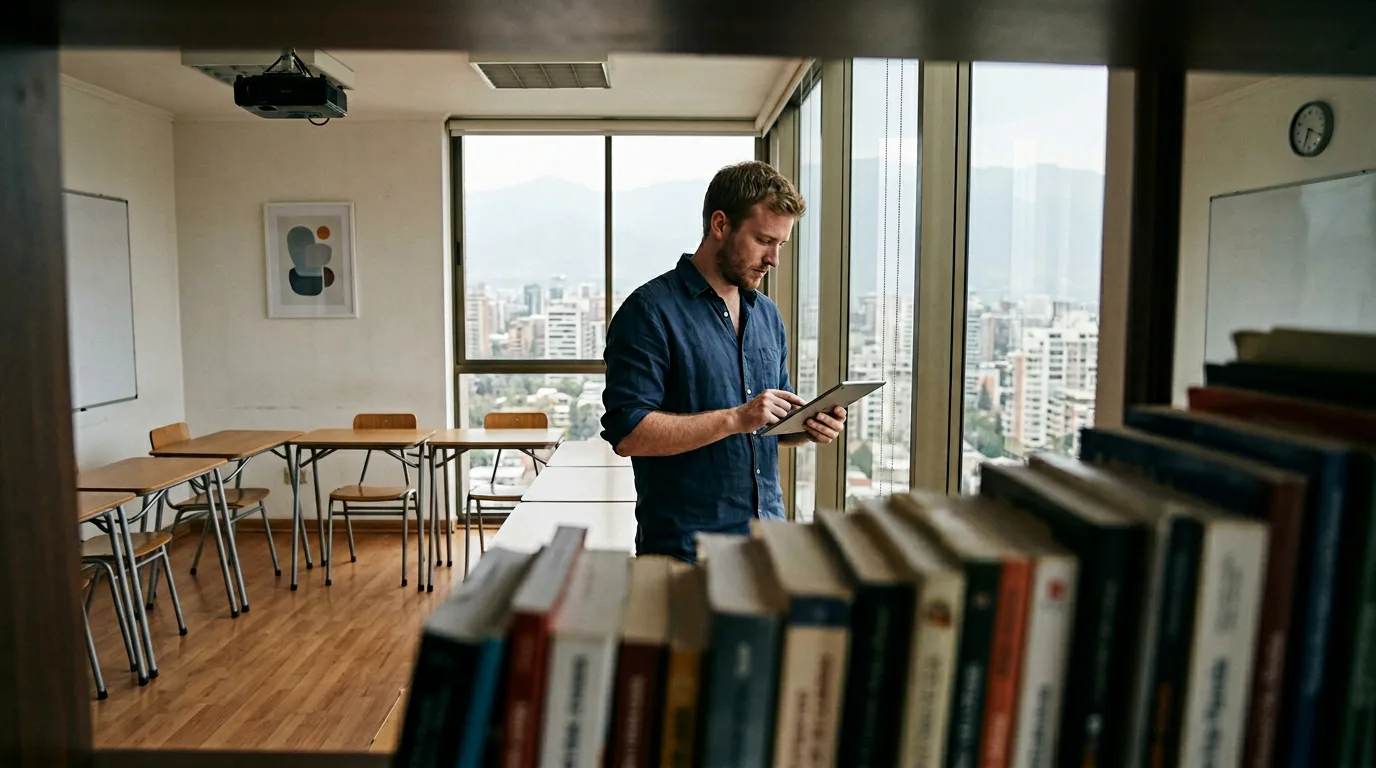
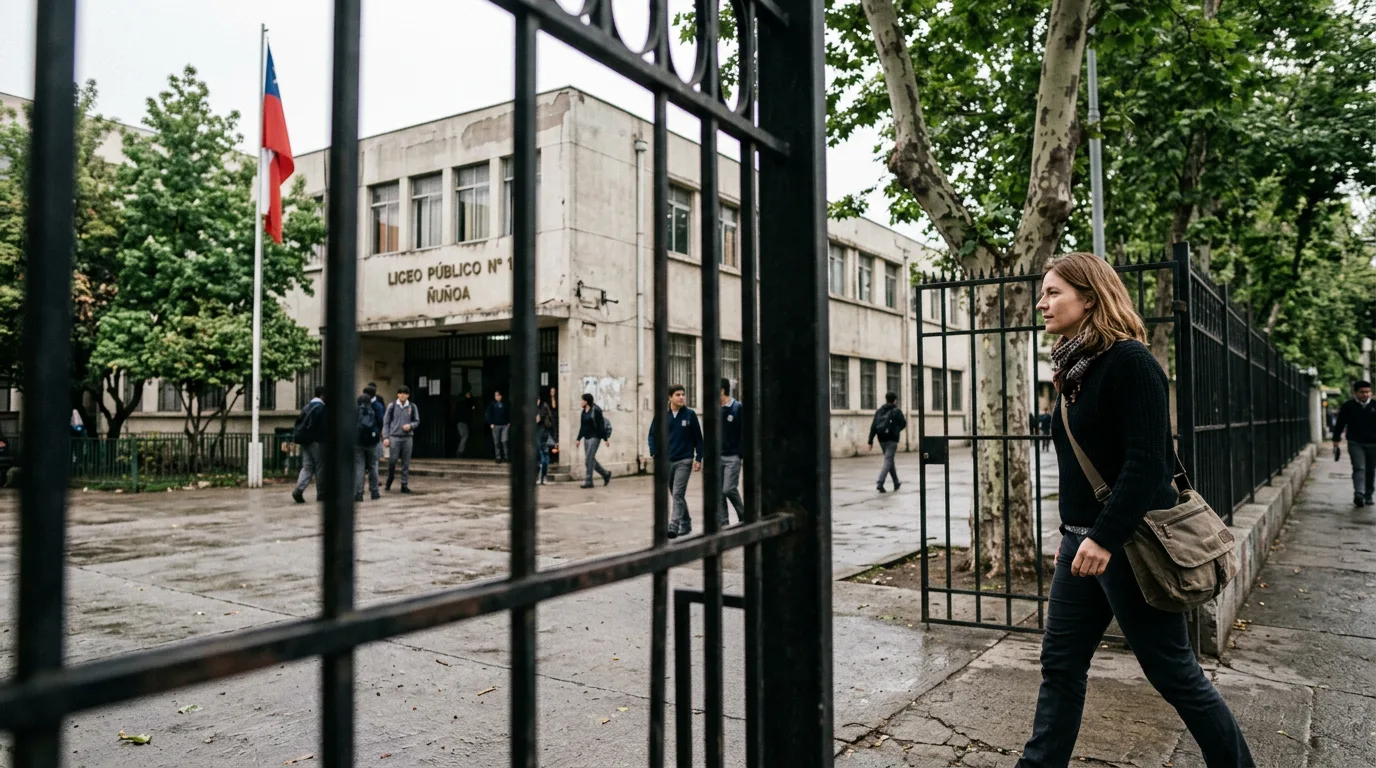
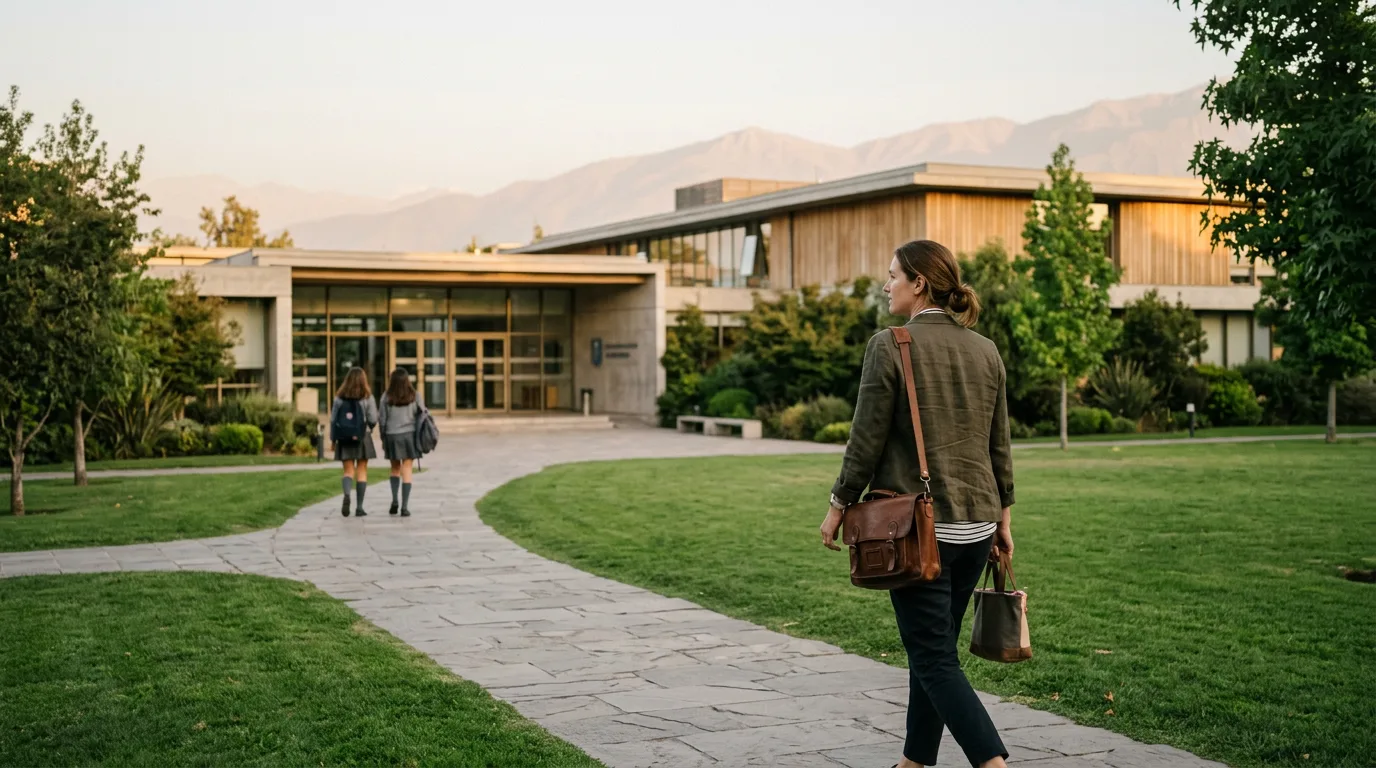
What teaching in Chile actually feels like
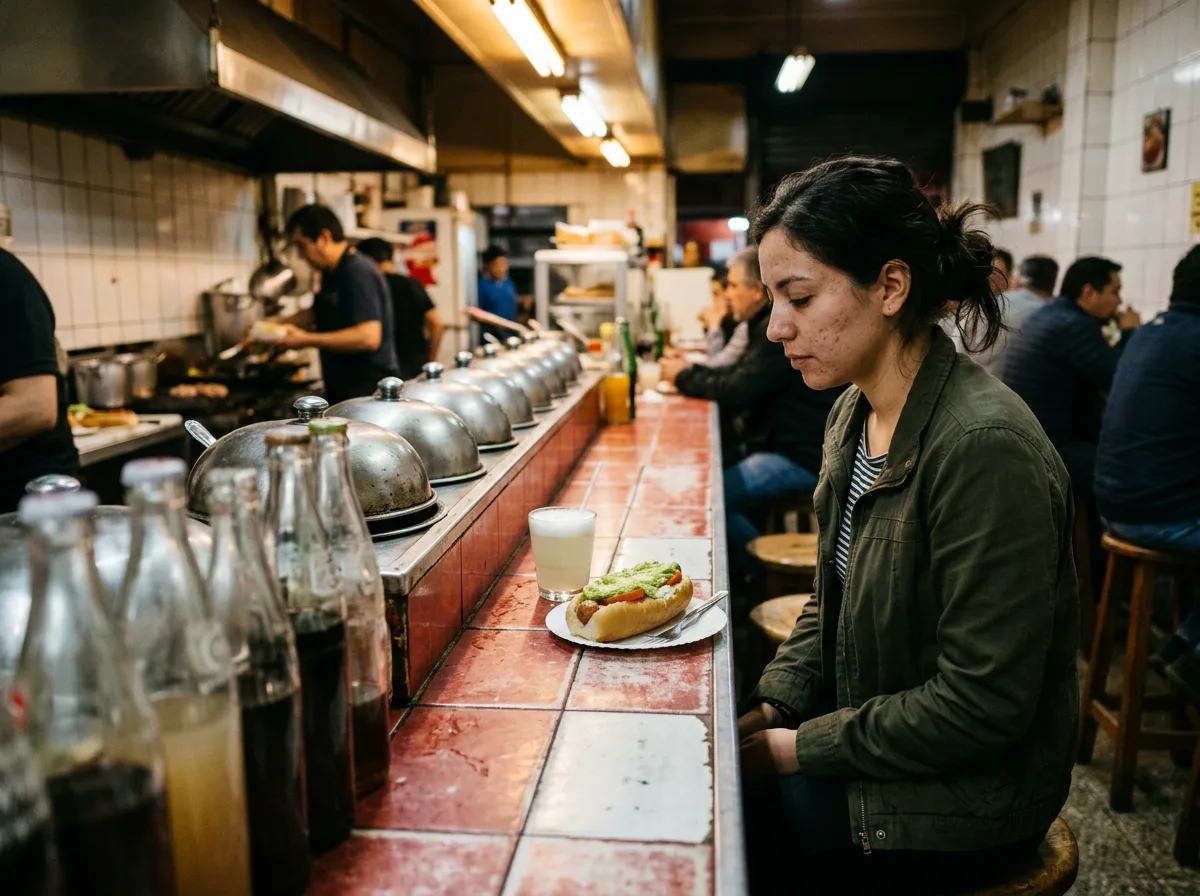

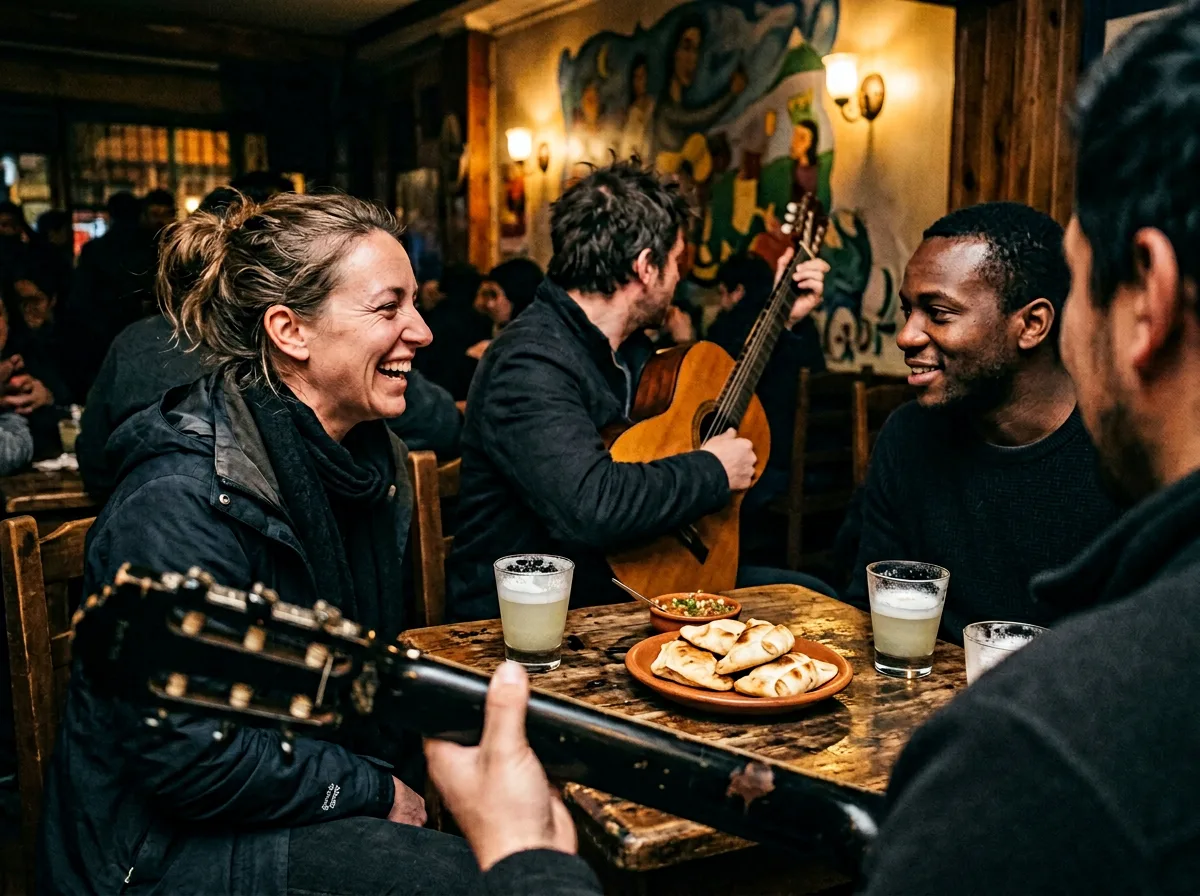
Complete Chile teaching guides
FAQ: Teaching English in Chile
How does Chile compare to Argentina as a TEFL destination?
Chile is more stable, more legally structured, and safer. Argentina is culturally richer by most teachers’ accounts and has a more personality-driven, accessible hiring culture. Chile’s language school salaries (CLP, stable) are lower in dollar terms at 2026 exchange rates than they look — CLP 700K/month is approximately $795, comparable to a language school salary in Colombia or Peru. Argentina’s ARS salaries are lower and erode with inflation but Buenos Aires is a culturally extraordinary city. Chile wins on stability, legal employment, and safety. Argentina wins on cultural depth and the Buenos Aires experience. Teachers who prioritise professional structure and security choose Chile; teachers who prioritise cultural richness and informality often choose Argentina.
Is Chile the safest country in South America for teachers?
By most measures, yes. Chile consistently ranks as South America’s safest country in the Global Peace Index and related measures. Santiago’s teacher neighbourhoods (Providencia, Bellavista, Barrio Brasil, Las Condes) are safe by South American standards — requiring standard urban awareness but not the active safety management required in Rio, São Paulo, or parts of Buenos Aires. Chile’s political stability and strong institutions underpin this — though the country has experienced social unrest (the 2019 estallido social was significant) and is not entirely without safety considerations. For teachers prioritising safety above all else in South America, Chile is the clear choice.
What is Chilean Spanish like?
Challenging — considered by Spanish learners to be one of the most difficult Spanish varieties to understand. Chileans speak quickly, contract words heavily (“para allá” becomes “p’allá”), use extensive local slang (“po” appended to phrases, “cachái?” for “understand?”, “altiro” for “immediately”), and the “s” sound is often aspirated or dropped. Teachers who speak Spanish from other Latin American countries describe needing 1–2 months to fully calibrate to Chilean pronunciation and vocabulary. The good news: Chileans are aware their Spanish is unusual and are generally patient with foreign learners.
Ready to teach English abroad?
Chile offers South America’s most stable economy, a proper work visa framework, and extraordinary landscapes from the Atacama to Patagonia. TEFL Heaven places teachers across Southeast Asia, Europe, and Latin America — browse our full program range to find your best fit.
TEFL Heaven · Placing teachers abroad since 2007 · 3,000+ teachers placed worldwide