
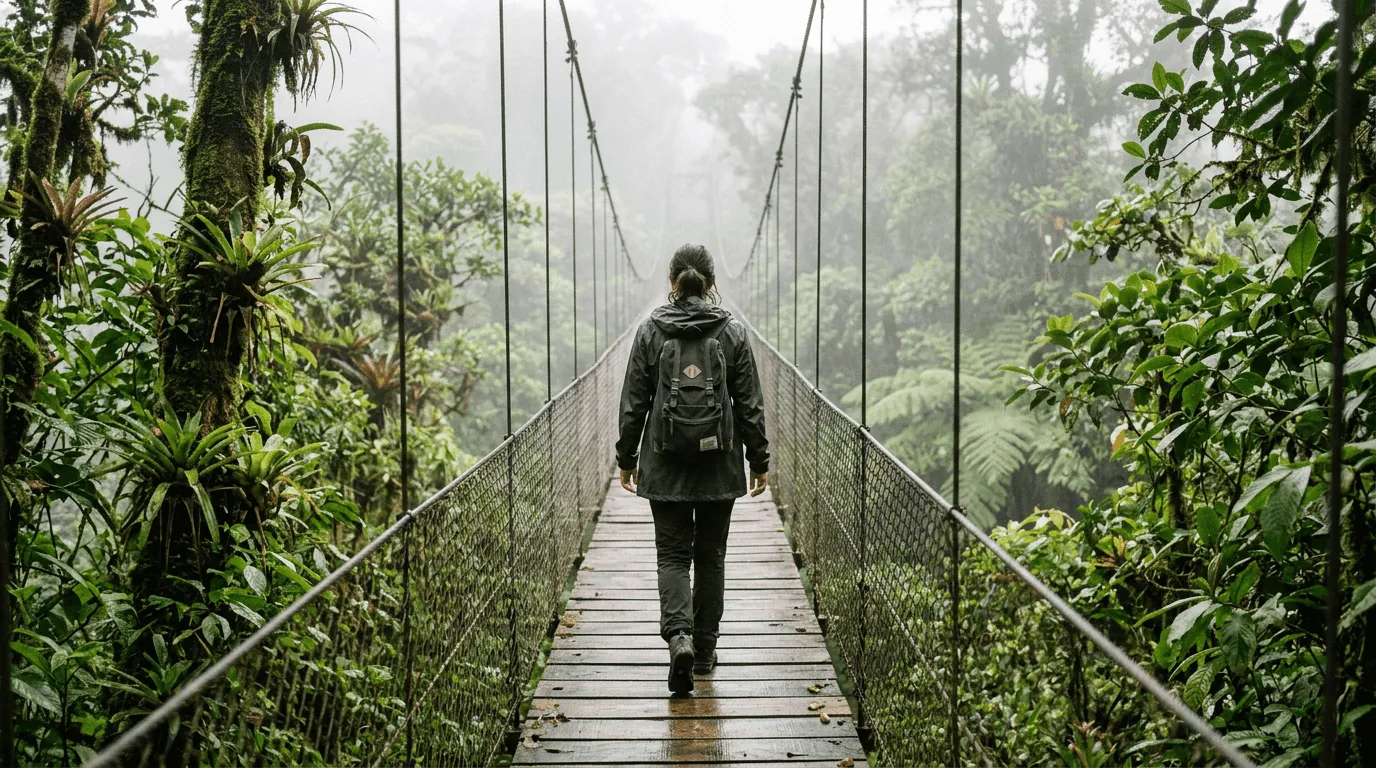
Teach English in Costa Rica
"Pura Vida." Train in the jungle, teach in paradise. $700–$1,800/month with an age-flexible range (22–45, older considered case by case), and no degree required for North Americans. Schools strongly prefer US/Canadian accents.
Still researching? Read the Costa Rica country guide →
Change your life — and others' — through teaching abroad.
Bring meaning and fulfilment by developing your leadership, teaching, and organisation skills. Let others be grateful for your contribution, while you grow in ways you never expected.
"Costa Rica is where teachers go when they want 'pura vida' to actually mean something to them.
The country is the safest in Central America. The teaching is mostly adults and language academies — not chaotic public school classrooms. The schools want US and Canadian accents because that's what their students want to learn. And the jungle is real — toucans on the way to work, sloths in the trees, surf on Saturdays.
It's not the highest-paying program. It's one of the highest-quality-of-life programs."

What's included in the Costa Rica program
Everything you need to land safely in a paid teaching role.
120-hour accredited TESOL course
4-week course in Costa Rica with 1-week culture orientation. ~6 hours of practice teaching with real students.
$700–$1,800 / month + savings of $100–$500
Salary bands: degree holders $1,000–$1,800/mo, non-degree $700–$1,000/mo. Most paid in US dollars. Tax is just ~2%.
Accommodation included during the program
TESOL course + orientation week housing is included. After placement we help you find your long-term place ($350–$800/mo).
180-day tourist visa (no advance visa needed)
Most teachers arrive on the 180-day tourist visa. Every 6 months you do a quick weekend run to Nicaragua or Panama. About 60% of schools also organise a work permit.
Week by week, what your TESOL course looks like
Mapped out so you know exactly what you're walking into.
Costa Rica orientation
Town walking tour, Las Musas waterfall, animal rescue centre, coffee plantation tour, cooking class, sugarcane mill, Spanish lessons. You meet your cohort and the country.
Methodology & planning
Modern TEFL methodology, classroom management, grammar from the learner's view. Your first lesson plans and micro-lessons.
Live teaching
Specialist modules in young learners and online teaching. Your first live classes with real Costa Rican students — and feedback in the same hour.
Final practice + placement
Final observed teaching. CV, video and interview prep. Job contacts shared. Onward to your placement, often in San José or Guanacaste.
Everything we include in your Costa Rica program
We handle the friction so you can focus on the work.
Real teachers in Costa Rica, real reviews.
 Sara’s video reviewWatch on our reviews page
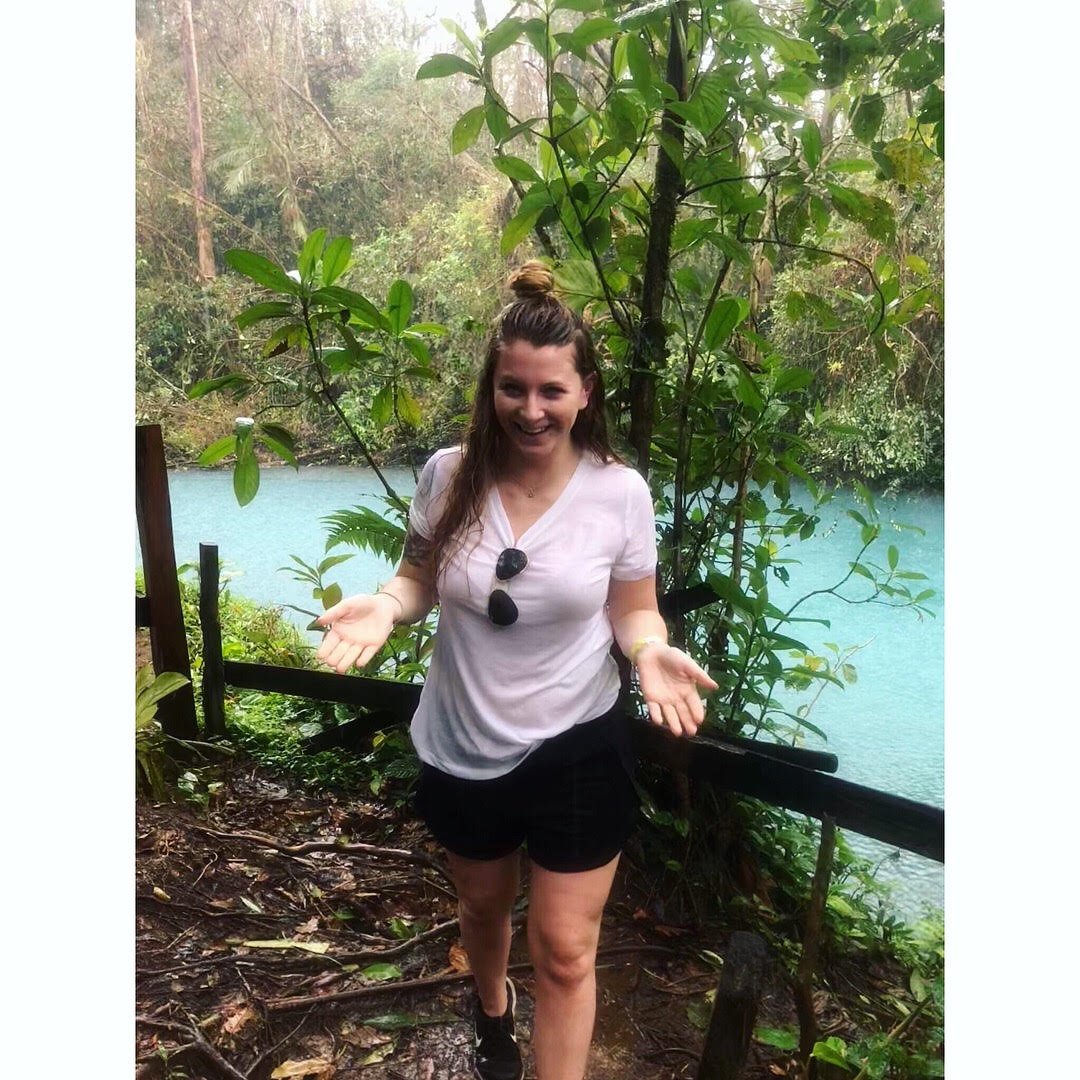 Nicole · Costa RicaRead the written story
 Jemina’s video reviewWatch on our reviews page
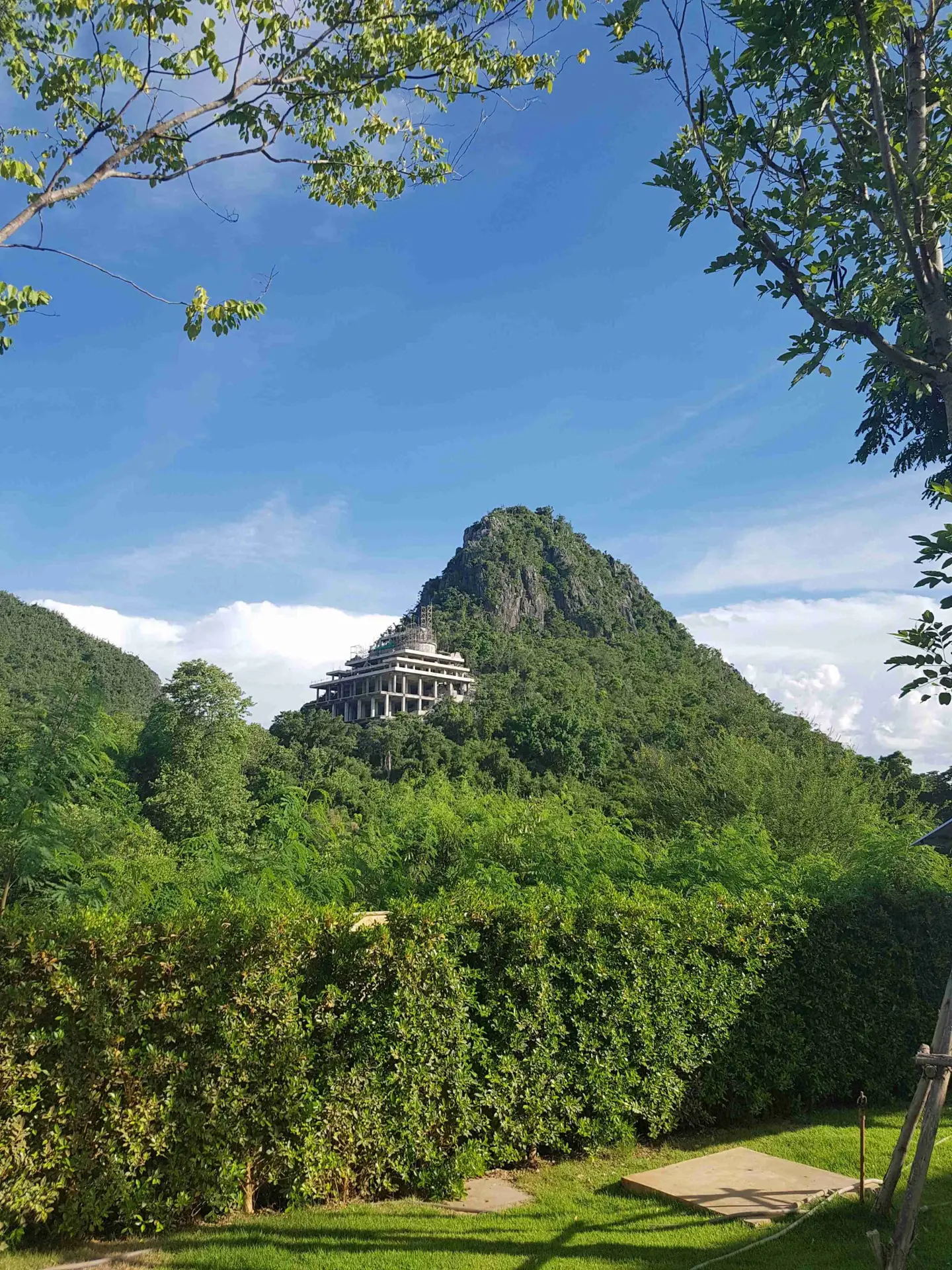 John · ThailandRead the written story
 Rachel’s video reviewWatch on our reviews page
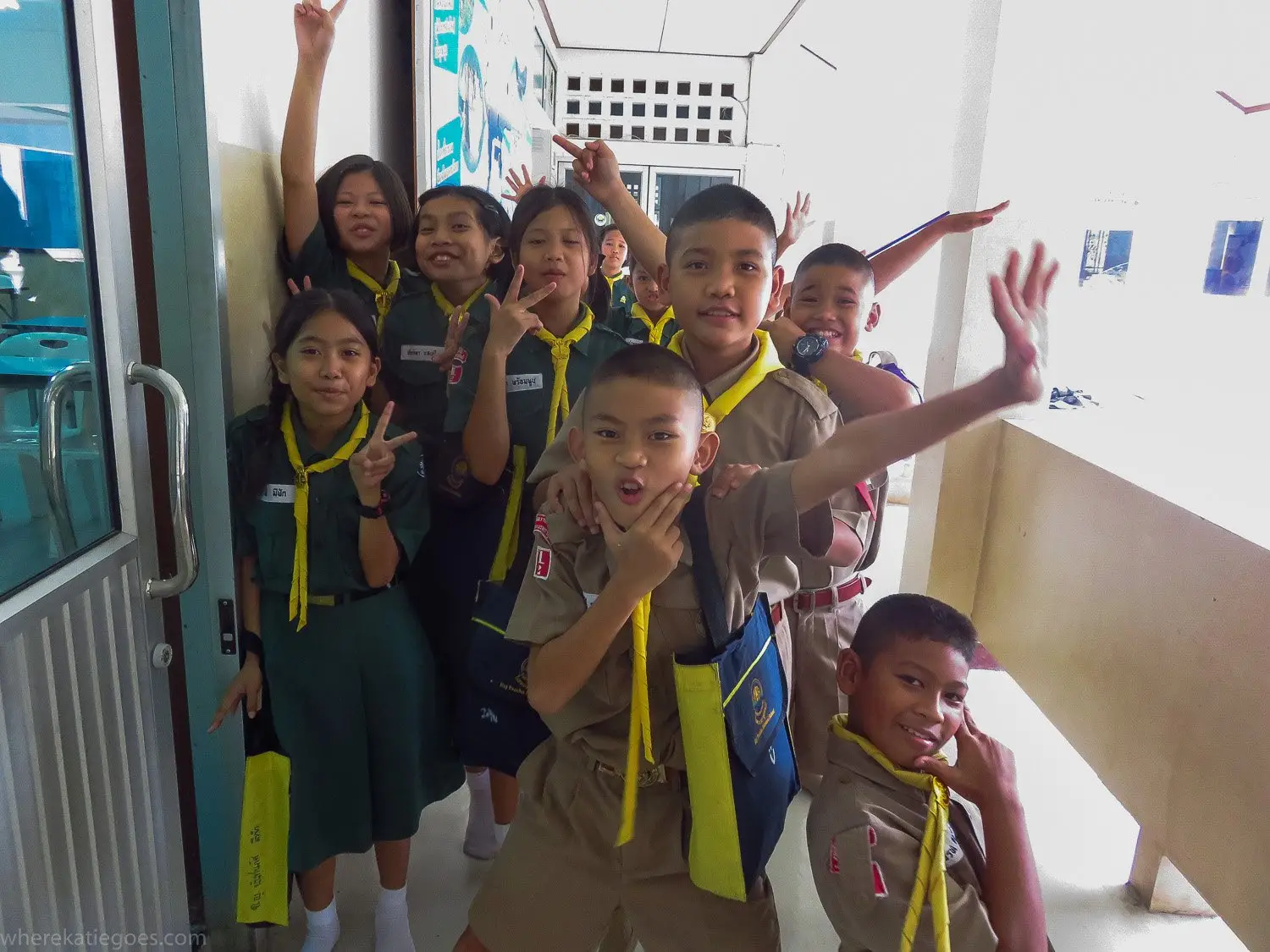 Katie · ThailandRead the written story
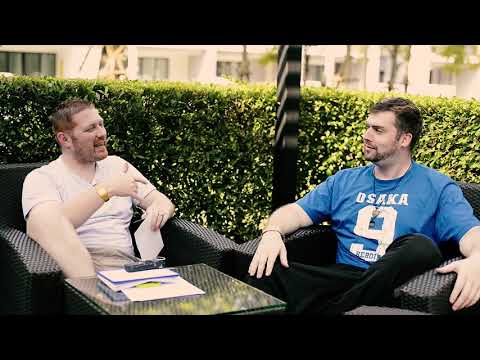 Peter’s video reviewWatch on our reviews page
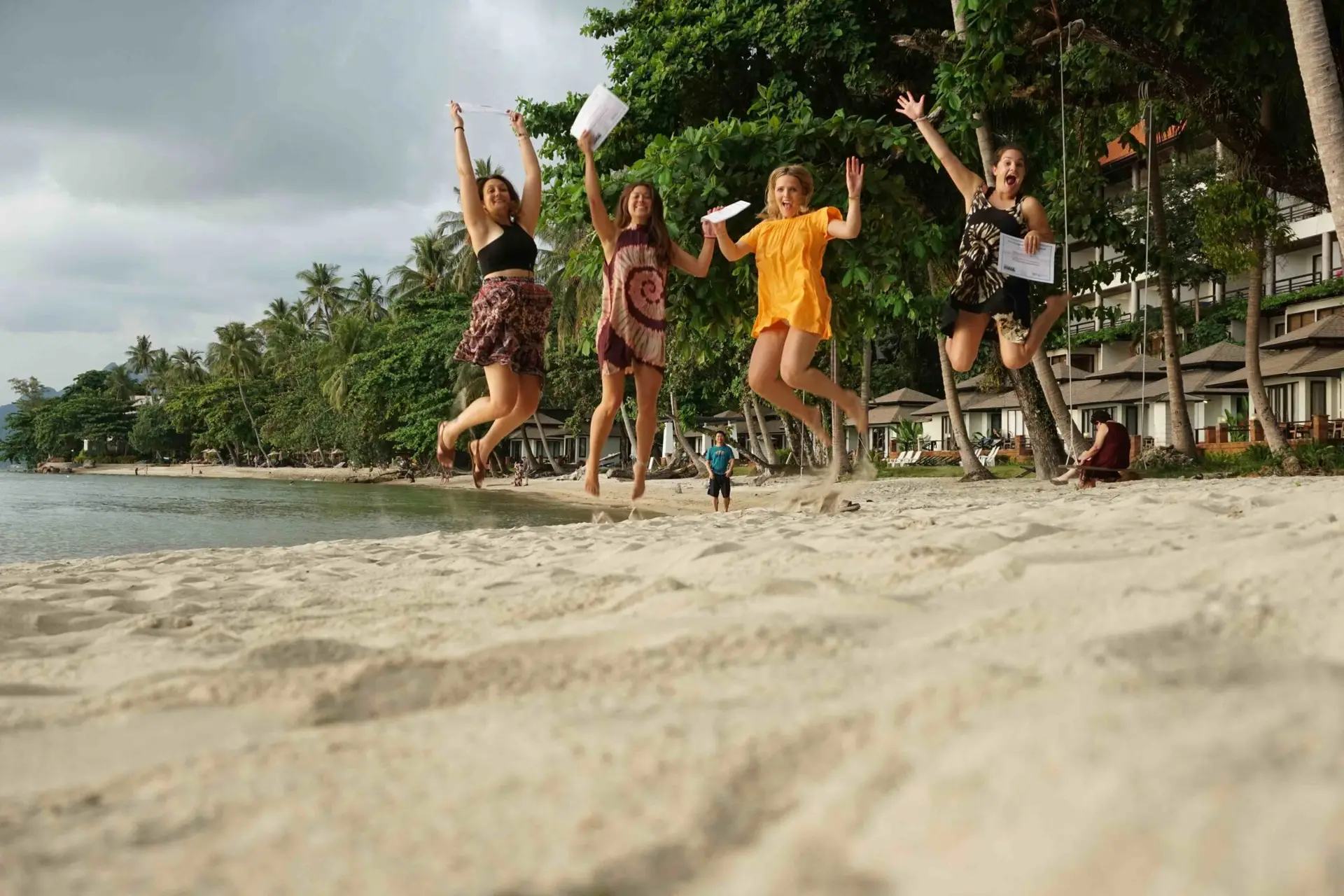 Kristen · ThailandRead the written story
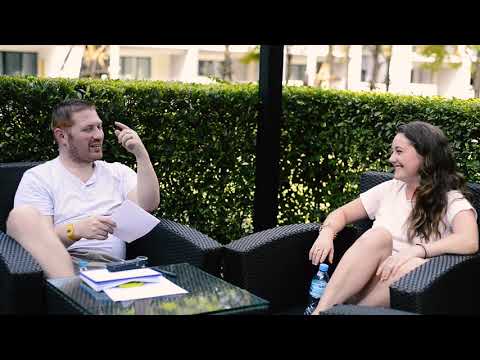 Kaley’s video reviewWatch on our reviews page
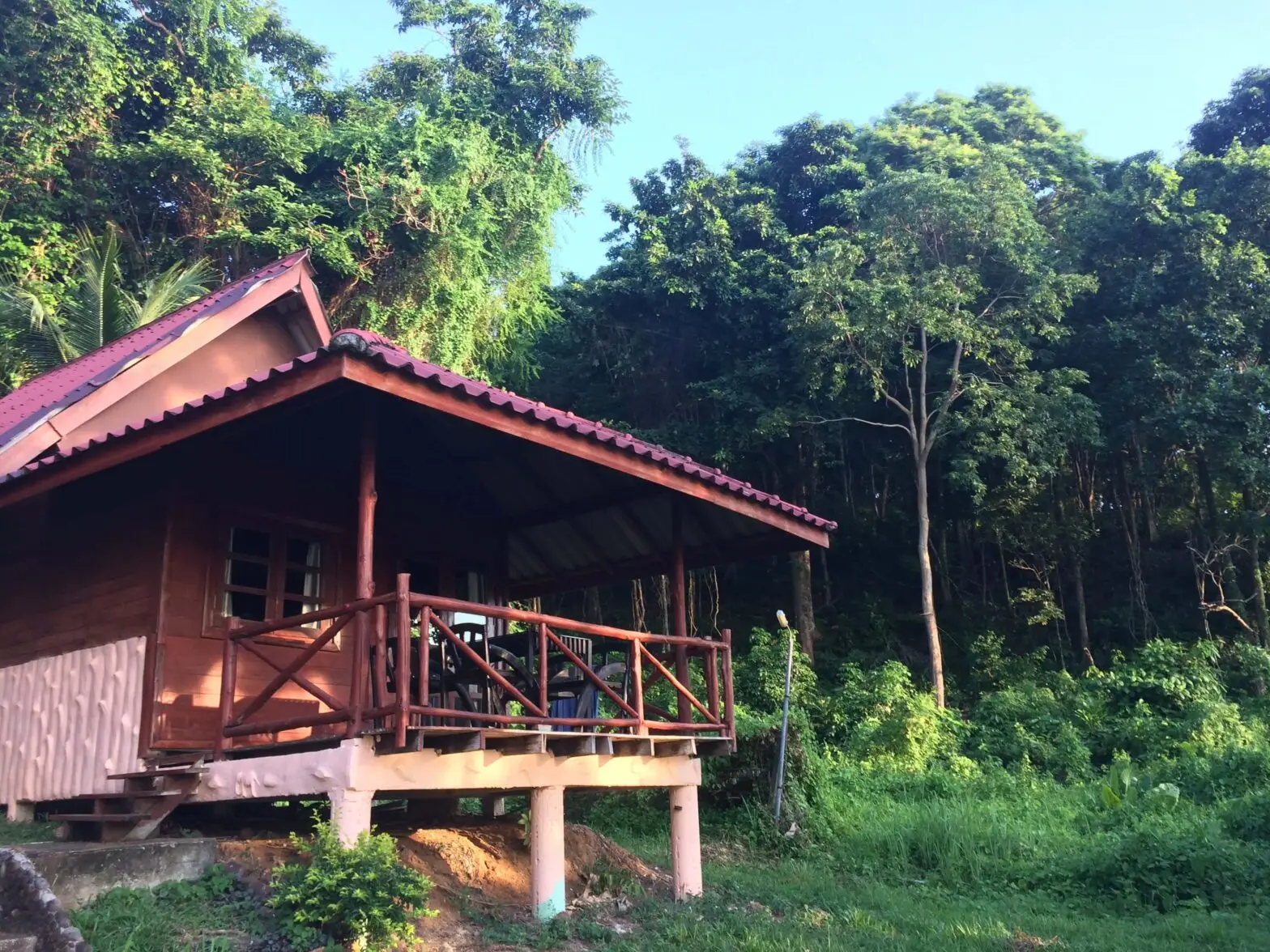 Siobhan · ThailandRead the written story
 Emily’s video reviewWatch on our reviews page
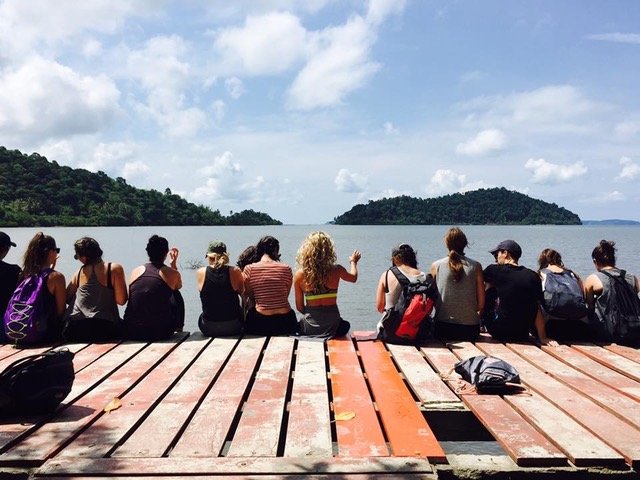 Stephanie · ThailandRead the written story
 Michelle’s video reviewWatch on our reviews page
 Eva · VietnamRead the written story
 Christina’s video reviewWatch on our reviews page
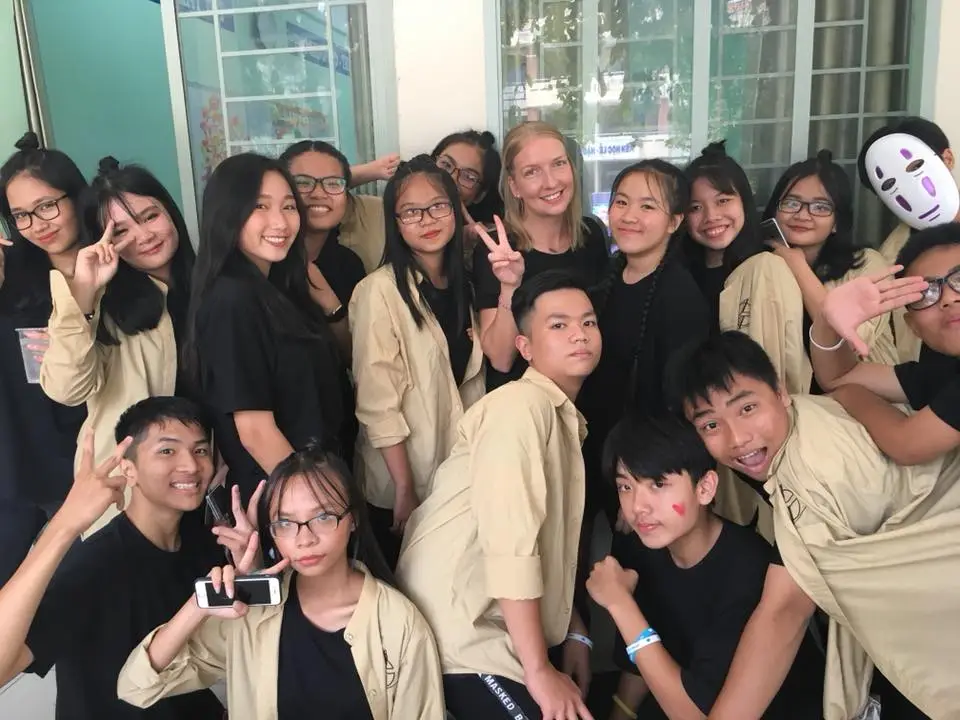 Jamie · VietnamRead the written story
100 video reviews and 67 written stories, all on our reviews page.
Sound like your kind of place?
Tell us you're interested and we'll send the full program pack.
Teach abroad. Get paid to create.
You're already going to post photos and stories from your year abroad. Mike will show you how to do it properly — and we'll pay you $200 every time a friend books a program through your personal link. Included free.
A 14-lesson Creator Course
Learn content creation and storytelling properly — our Creator Framework, audience-building, and the viral blueprint. Taught by founder Mike Maitland (Bangkok, since 2007). Included free.
$200 for every booking
Share your personal link with friends, classmates and followers. Every person who books a TEFL Heaven program through it puts $200 USD straight in your pocket — real cash while you teach.
A teacher-creator community
Swap what's landing with the other TEFL Heaven teachers abroad — content ideas, what's working, what flops. Real teachers, not influencers.
This isn't a sales gimmick — it's our way of saying thank you for telling your friends. We've been doing it for our alumni for years; we just made it official.
Why Costa Rica
Costa Rica is the safest, calmest country in Central America, with the best teaching market in the region. Schools mostly want US and Canadian accents (placement-relevant skill — Costa Rican families pay for North American English). The country itself is a working national park.
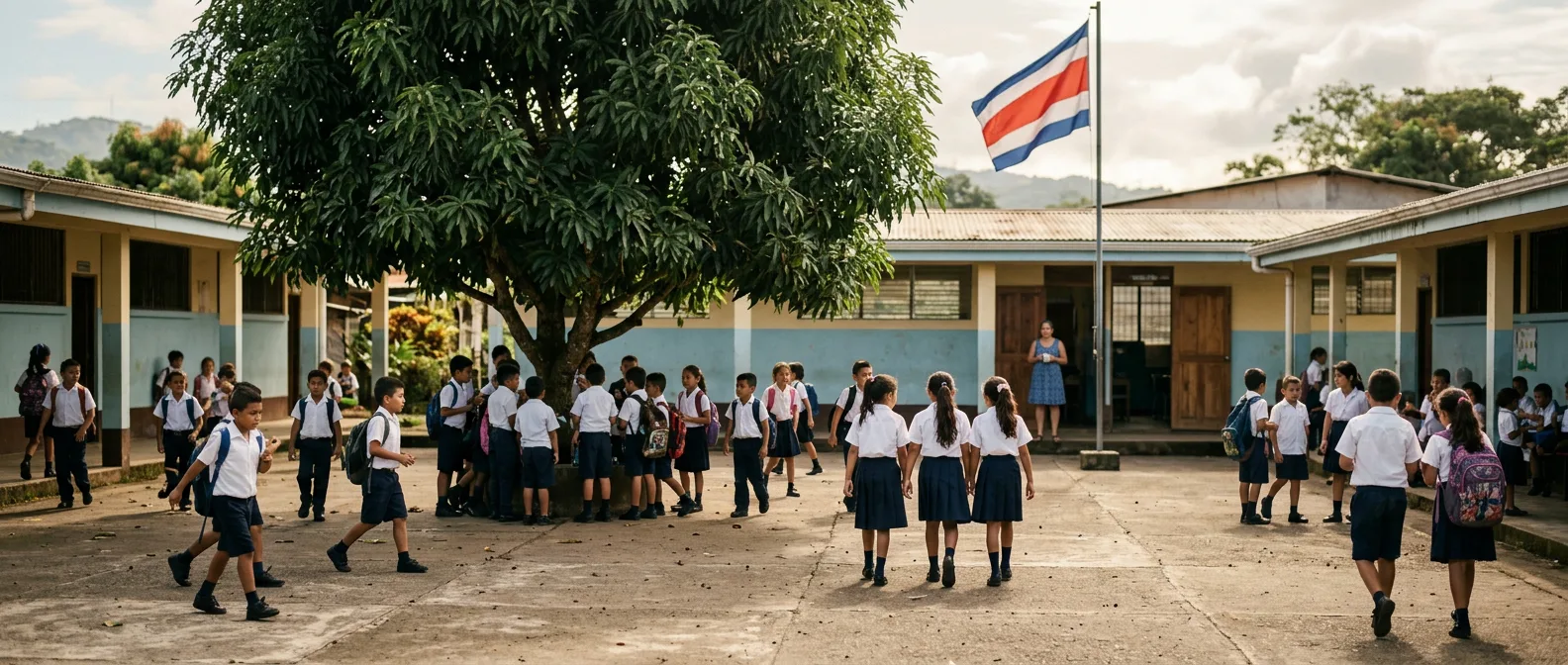
What teaching in Costa Rica is really like
Costa Rica's market is a mix of international schools, language academies, and online schools. International schools pay best ($1,000–$1,800/mo, 40-hour weeks Mon–Fri 7:30–3:30) and need a degree. Language academies are more flexible (10–30 teaching hours, often 3pm–9pm with some Saturdays).
You teach kids 4 to 18 plus some adults. Class sizes are small at academies (4–10) and bigger at international schools (10–30). Online classes are 1-on-1 or very small.
Schools strongly prefer US and Canadian accents. Other native-English accents need pre-approval. Non-degree applicants and older applicants need a short intro video at signup. Tax is just ~2% of monthly income — one of the lowest in our network.

Cities we place teachers in
Most placements are in the Central Valley (around San José) or Guanacaste province on the Pacific coast.
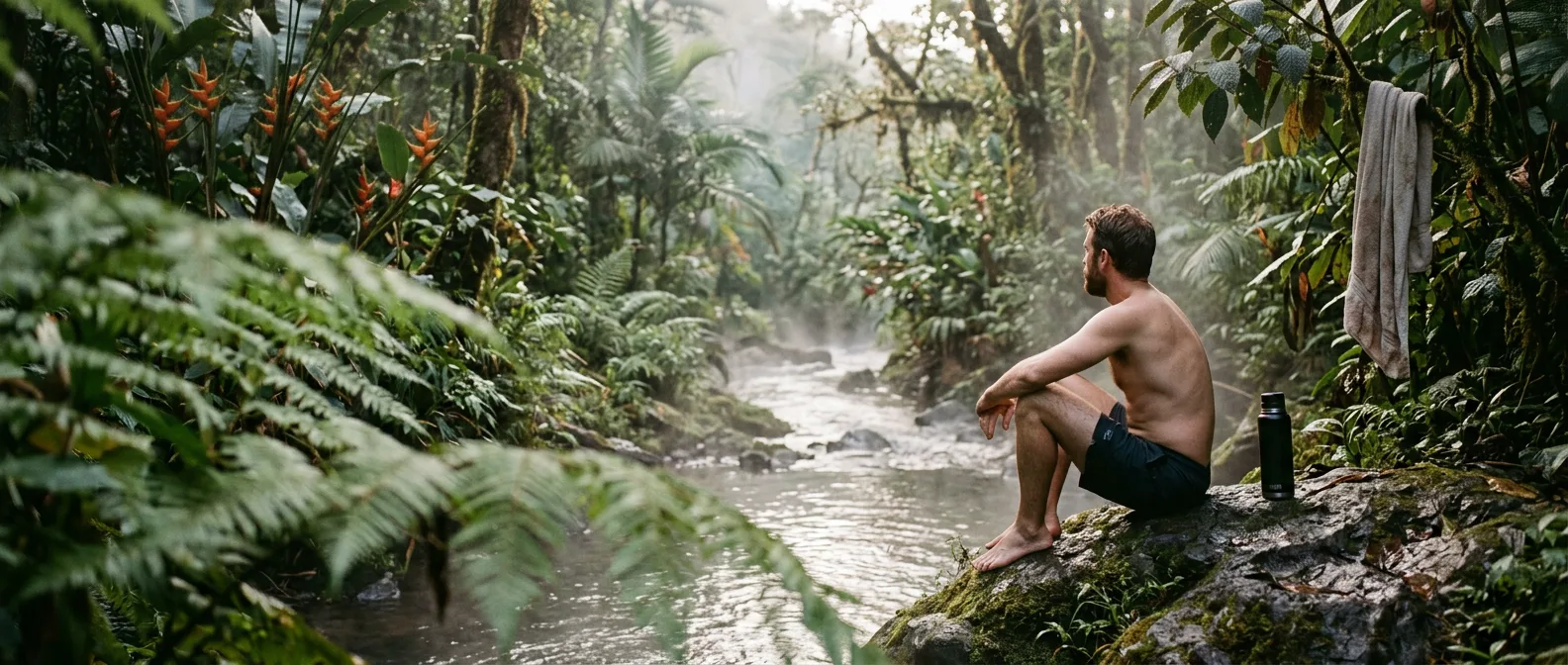 San José & Central Valley
Most placements. International schools, language academies, mild climate year-round, surrounded by volcanoes and cloud forest.
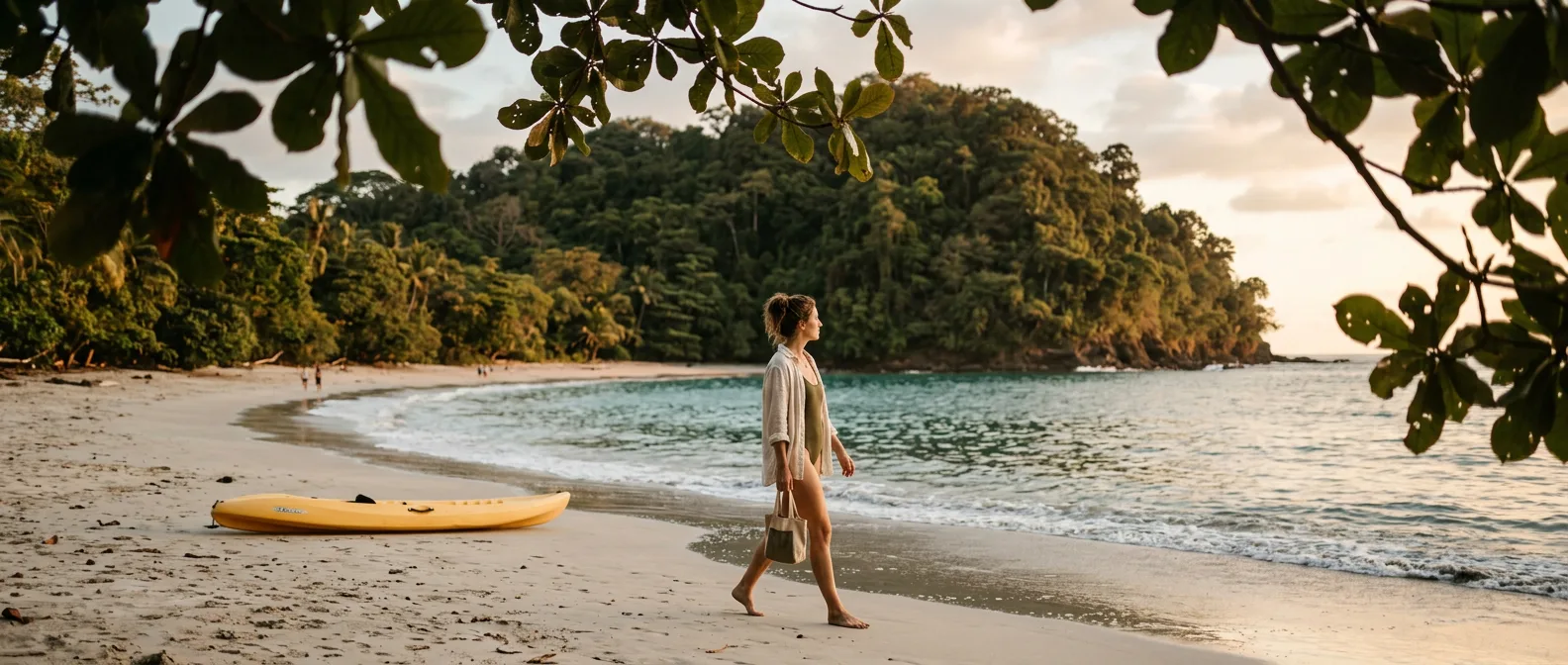 Guanacaste
Beach towns and surf-culture life. Tamarindo, Liberia, Playa del Coco. Schools here are smaller but the lifestyle is unmatched.
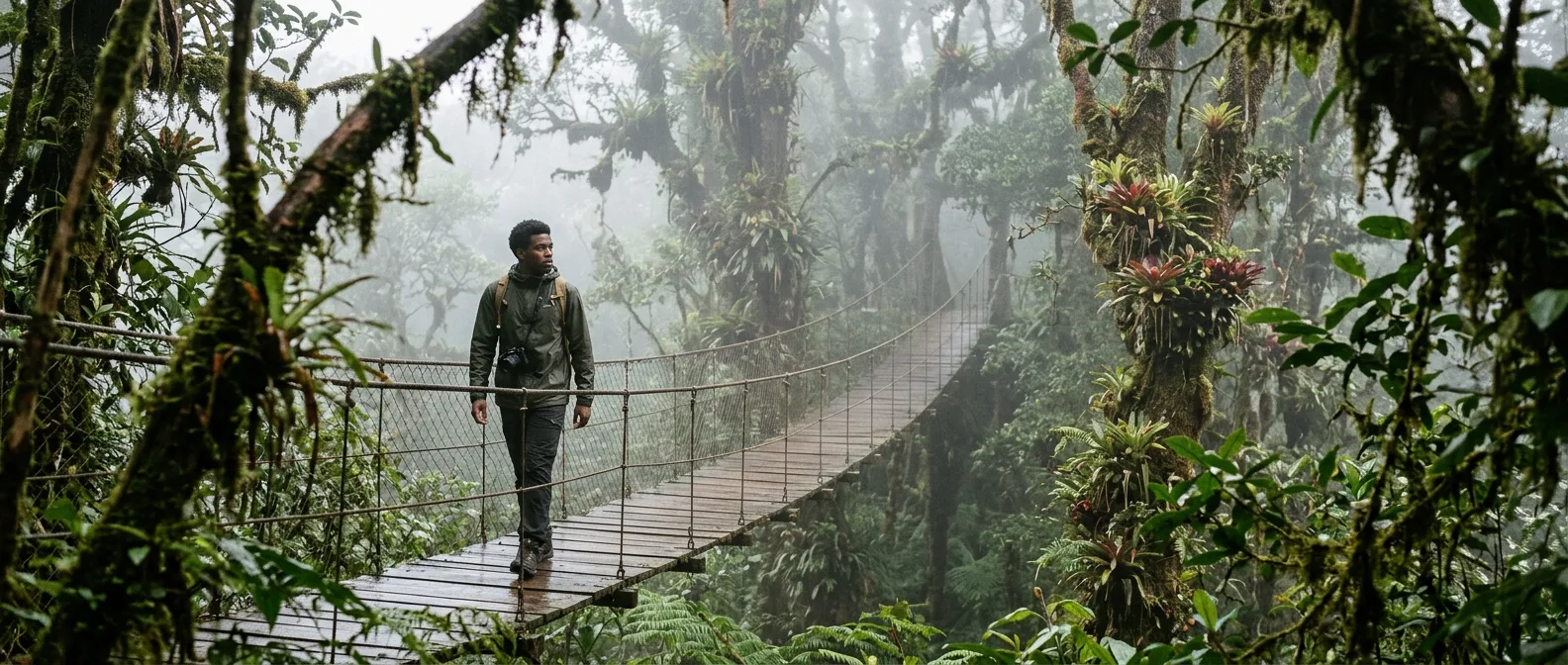 Online & remote
Some teachers run online classes alongside in-person teaching. Lets you live anywhere in the country, including the more remote Caribbean side.
This could be you in a few months.
We'll walk you through every step — visa, flights, accommodation, and landing your first teaching job.
What it really costs to live in Costa Rica
Honest numbers on what teachers spend and what they save.
Studio in San José or a beach-town room. First month + 1–2 months' deposit. Cheaper outside the centre.
Sodas (local diners) are cheap. Imported groceries cost more than you'd expect. Eating local saves hundreds.
Buses are cheap and excellent. Many teachers stay car-free. Uber works in San José.
Modest savings — Costa Rica is a quality-of-life country, not a savings country. Most teachers cover costs and travel.
We tell you this upfront — the ones who plan for it love their first year.
You arrive on the 180-day tourist visa (no advance application needed for most nationalities). Bring an onward-journey ticket — the date should be near the 180-day mark. Every 180 days you do a quick weekend visa run to Nicaragua or Panama overland (cheap, easy).
About 60% of schools also process a work permit. You'll need an apostilled birth certificate and clean police check, dated within 2 months of intake. Most schools help with this and may reimburse costs at end of contract.
We recommend arriving with around $2,000 USD for the Placement Program, or $2,800 for the In-class TESOL + Placement combo. Hours build over the first few months — your first paychecks will be lower than your steady-state.
What life is really like as a teacher in Costa Rica
Costa Rica is the working national park. Toucans wake you up. Sloths actually exist on the side of the road. Saturdays are for surf at Tamarindo or hikes through the cloud forest at Monteverde. Pura vida isn't a tourist slogan — it's the actual rhythm of the country.
Weekends mean volcanoes, beaches, hot springs, jungle treks, surf lessons, or short flights to Panama and Nicaragua. The teaching schedule (afternoons + evenings at most academies) leaves mornings free for the country.
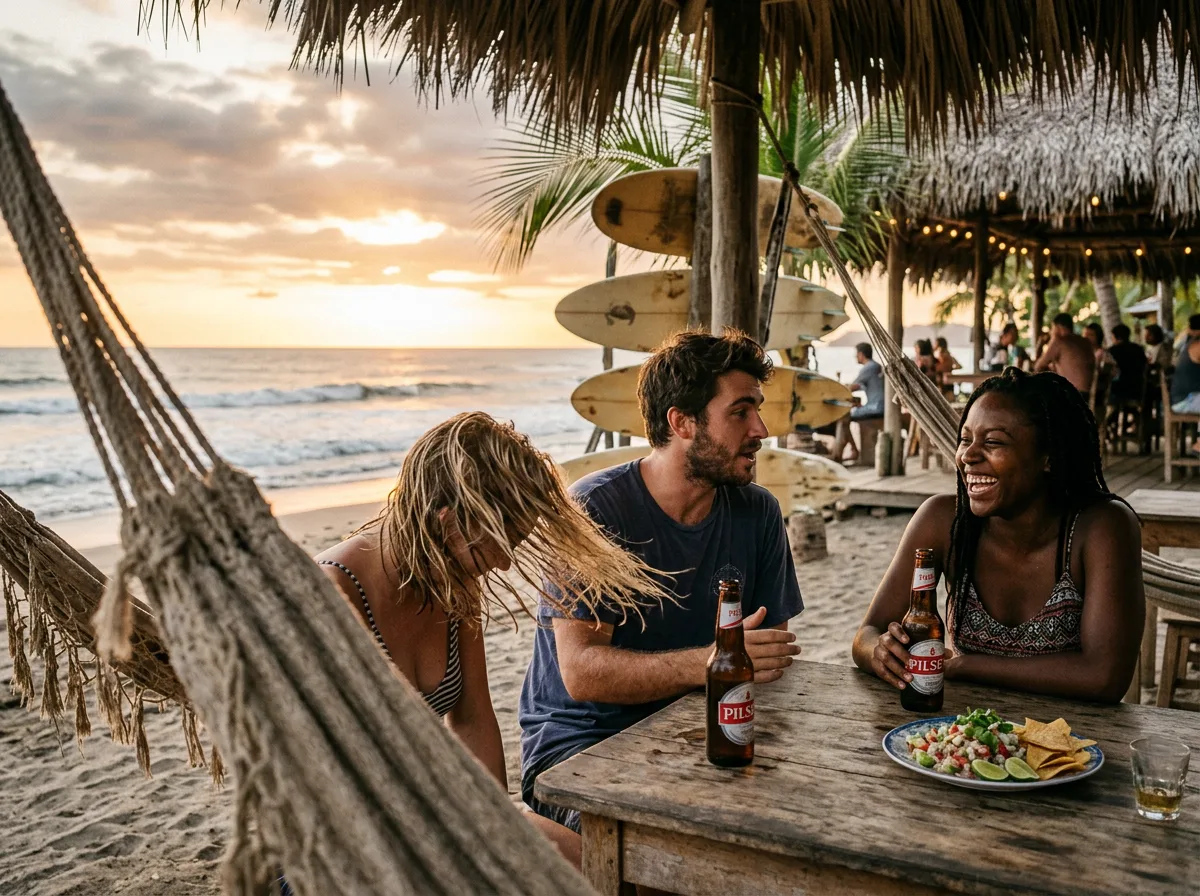
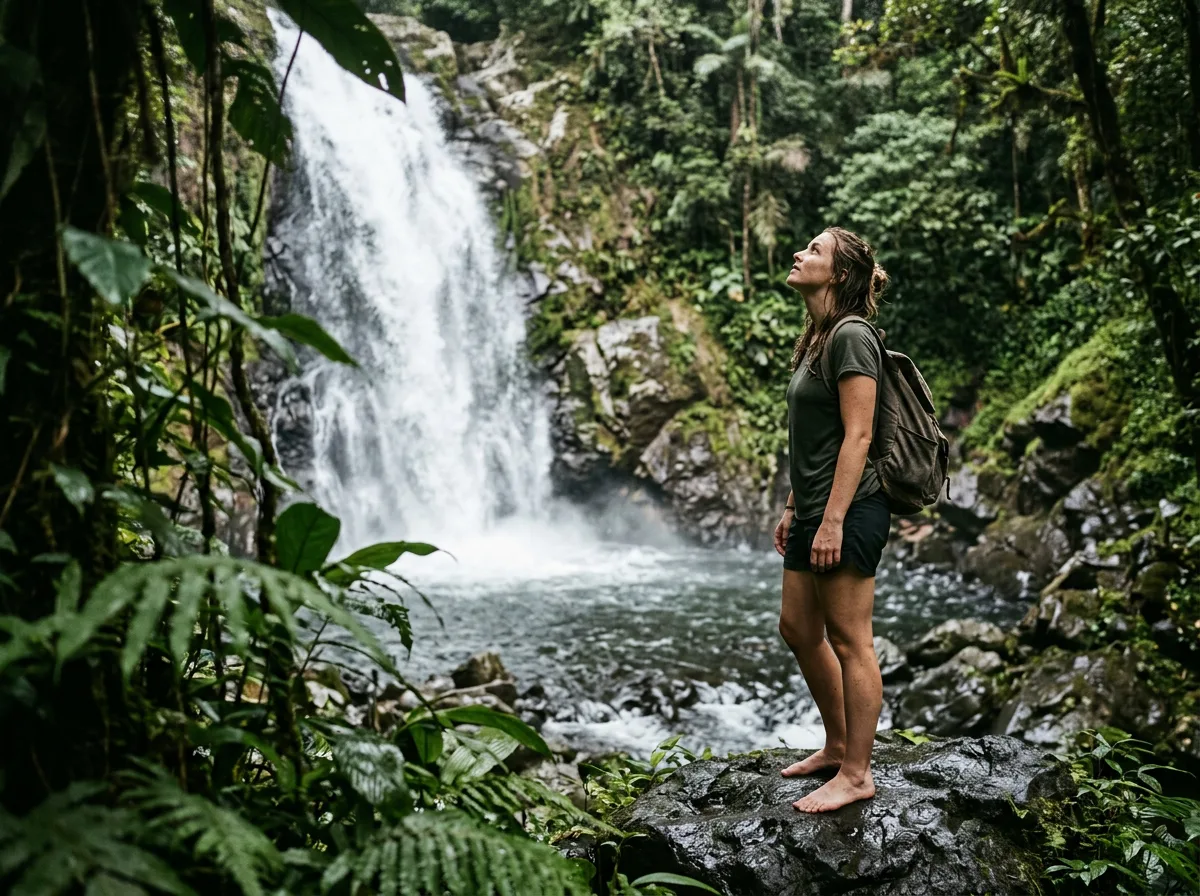
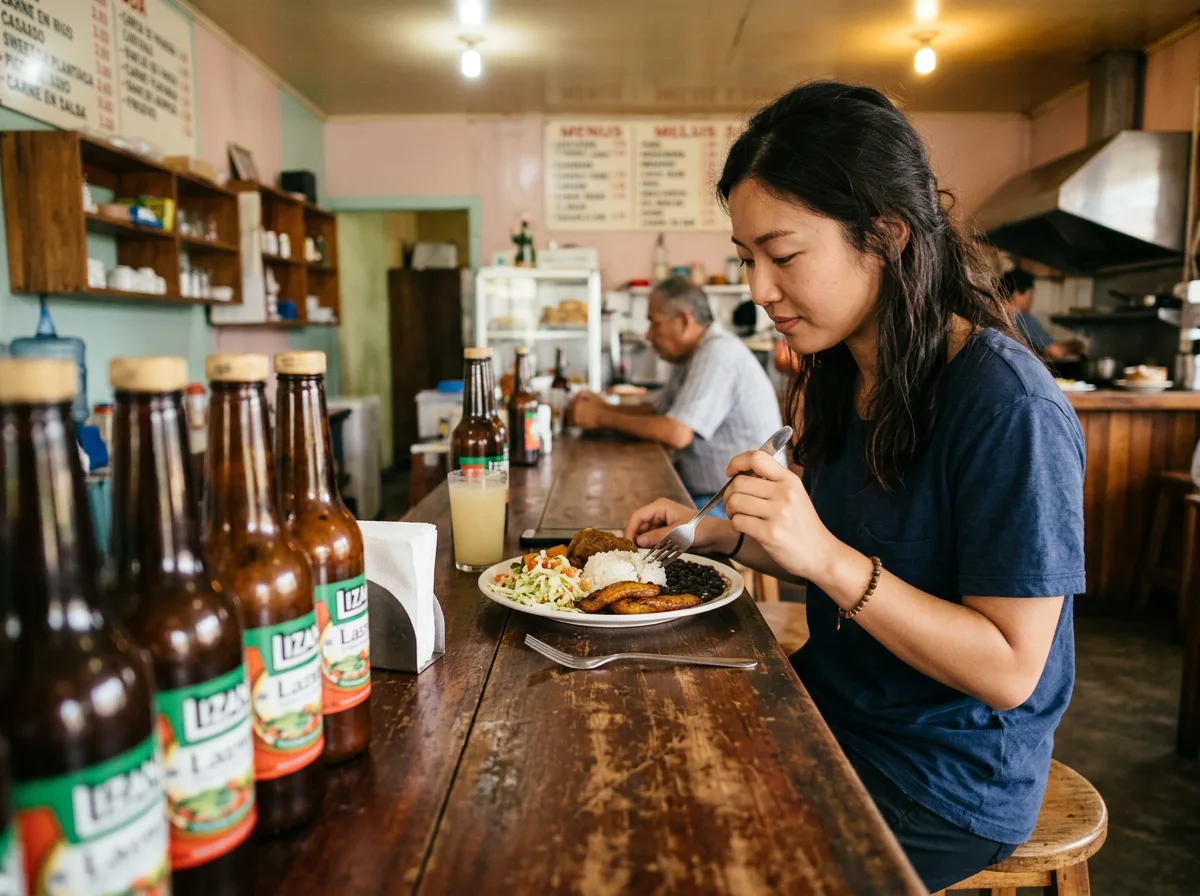
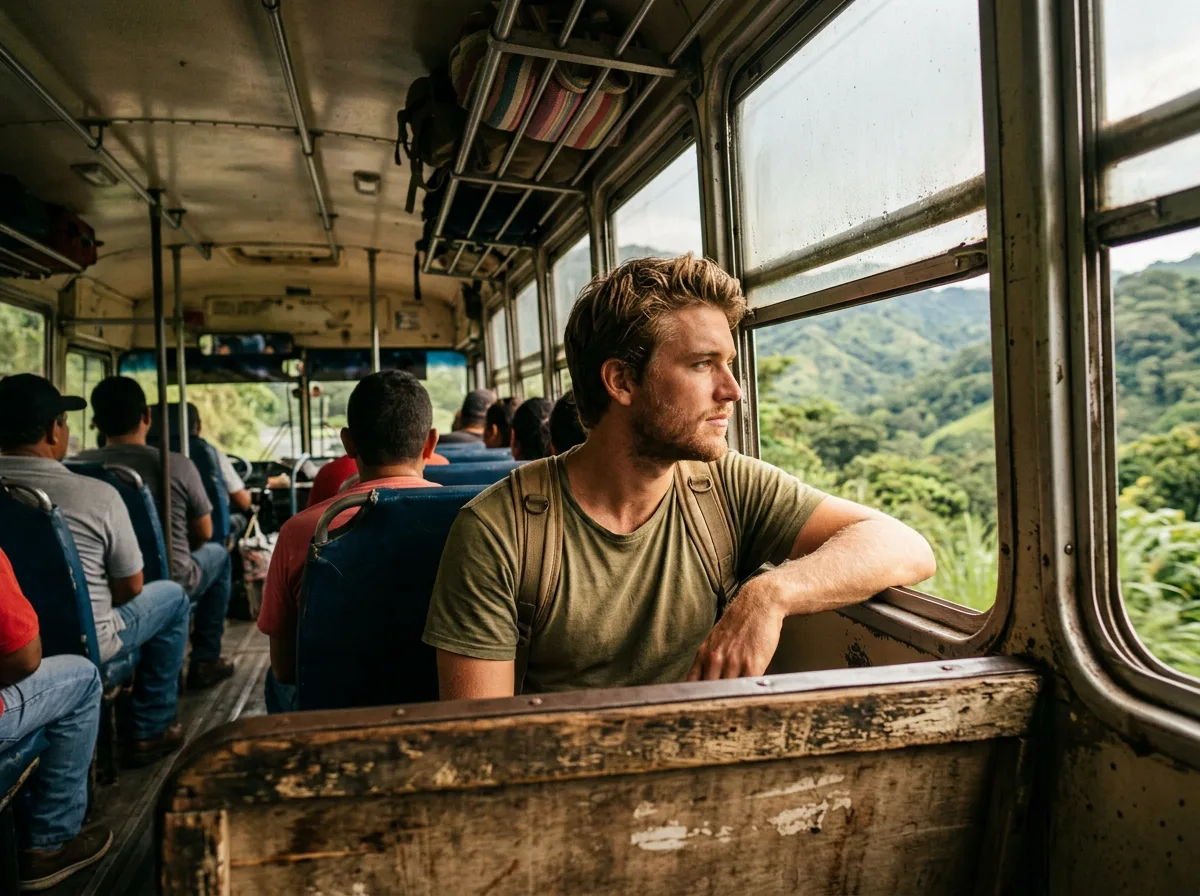
Costa Rica is the program for teachers who want to slow down. You won't save like you would in Korea, but you'll wake up to toucans and finish the year a different person. Most of our Costa Rica teachers extend.
"It's 6:30 on a Saturday morning. You're on a bus to Tamarindo from your shared house in San José, board strapped to the rack. The waves at 8am will be perfect. Your Tuesday adult class — three engineers and a doctor — has been getting noticeably more confident in English. Last night the academy director offered you a small raise. By December you've been here seven months. Last week you almost stepped on a sloth."
A Saturday in month sevenTEFL Heaven vs doing it alone
An honest look at your three options for getting into a Costa Rican classroom.
- ✕No accredited TEFL certificate
- ✕No live teaching practice
- ✕Find your own school in San José
- ✕No employer contacts or accent vetting
- ✕Arrival = on your own
- ✕Support when things go wrong: none
- ~120-hour online cert
- ✕No live teaching practice
- ✕No visa support
- ✕No job guarantee
- ~Forum access / generic advice
- ✕No in-country team
- ✓120-hour accredited TESOL certificate
- ✓Real classroom teaching practice
- ✓Tourist visa + work permit guidance
- ✓Guaranteed paid placement + lifetime job network
- ✓Airport pickup + accommodation included during program
- ✓17 years of in-country experience behind you
What you get that a standalone San José school can't give you
The Costa Rica course is delivered by our partners on the ground — vetted across 17 years of placing teachers. Behind it: a family-run global network built since 2007, with placements across Czechia, Japan, Spain, Vietnam, Mexico and more.
If Costa Rica is your first teaching year but not your last, we've already placed your next move. And if things go sideways — visa hiccups, contract issues, anything — you've got a team you know, not a reception desk.
Teachers who pick Costa Rica tend to be…
✓ This fits
North American (US/Canadian accent) or speakers of strong native English with strong fundamentals. Drawn to nature, surf, and slower pace. Want to teach mostly adults at language academies, with some international school options. Comfortable with a savings-light, lifestyle-rich first year. No degree required for North Americans.
✗ Pick a different program
You want to maximise savings (Korea, Vietnam pay more). You want a fast-paced city (San José is calm). You want public schools and full-time mornings (academy hours skew afternoon/evening). You're not OK with the school's accent preference for North American English.
Upcoming start dates
Costa Rica runs 5 cohorts a year. Apply 2–3 months ahead. Quiet hiring months are March, April, June and August. Peak hiring is December (for January start) and July (for August start).
Oct 26, 2026 is the next available intake · apply ~3 months ahead
November intake needs more cash buffer — placements often start mid-to-late January due to Christmas holidays.
FAQ
Do I need a degree?
Not for North Americans (US/Canadian). Other nationalities need a Bachelor's degree. Native English proficiency is required as a placement-relevant teaching skill — schools strongly prefer US/Canadian accents because that's what families pay for. Strong accents from other countries need pre-approval; non-degree and older applicants send a short intro video at signup.
How much will I earn — and can I save?
Degree holders: $1,000–$1,800/month (range $700–$2,000, average $1,200–$1,400 in 2025). Non-degree: $700–$1,000/month (2025 average $900–$1,200). Savings $100–$500/month. Most paid in US dollars. Tax is just ~2%.
How much money should I bring for the first month?
$2,000 USD for the Placement Program, or $2,800 for the TESOL + Placement combo. November intake needs more buffer — placements start mid-to-late January due to Christmas.
How does the visa work?
Most arrive on a 180-day tourist visa (no advance application needed). Bring an onward-journey ticket near the 180-day mark. Every 180 days, do a weekend visa run to Nicaragua or Panama overland. About 60% of schools also organise a work permit — needs apostilled birth certificate + clean police check dated within 2 months of intake.
Where will I live?
Course + orientation accommodation is included. After placement: $350–$800/month rent with first month + 1–2 months' deposit. We help you find your long-term place. Health insurance is required — at least 90 days, must include medical emergencies.
What about tattoos?
Small visible tattoos are usually fine — tell us at signup. We assess case by case.
Can I bring a partner, kids or pets?
No partners or kids on this program. Pets are technically possible but strongly discouraged — Costa Rica's import rules add stress and cost.
International school vs language academy — which is better?
International schools: 40-hour weeks Mon–Fri 7:30–3:30, classes of 10–30, $1,000–$1,800/mo, need a degree. Language academies: 10–30 teaching hours, often Mon–Sat afternoons + evenings (3pm–9pm), classes of 4–10, more flexible but lower pay. Tell us your preference at signup.
HIV medications — anything to know?
HIV meds are very expensive in Costa Rica compared to other countries. If you're on medication, please flag this at enquiry — we can give honest advice on whether the program fits your budget.
What's not included in the program?
Flights, medical insurance (must have on arrival), visa fees, daily living costs, and long-term housing. We'll send you a full itemised breakdown when you enquire.
The Costa Rica Full Program Pack
When you enquire, we'll send you the full Costa Rica program pack — start dates, what's included, arrival logistics, visa checklist, monthly salary + cost breakdown, and a sample week in the classroom. Sent straight to your inbox.
Send me the Costa Rica details →
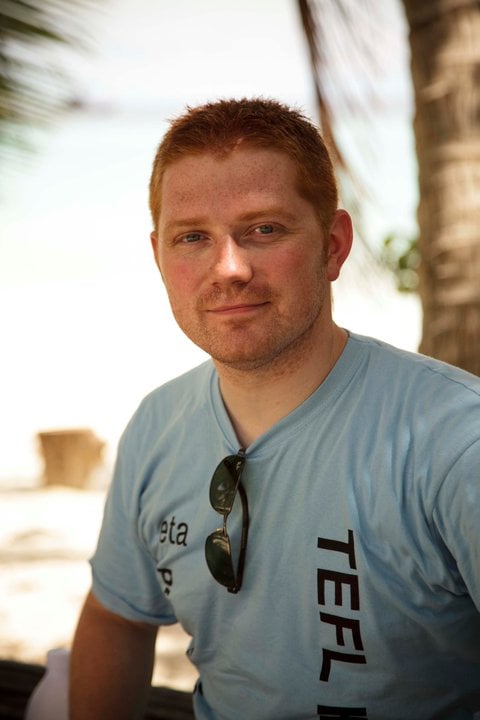
Andy handles Costa Rica enquiries
Andy replies within 24 hours — usually same day. He'll be honest about whether your accent fits the school market, and what realistic earnings look like in your first 3 months.
Let's get you teaching in Costa Rica.
We'll walk you through the next steps — start date, visa, flights, and everything else. Takes about 10 minutes.
Included free: Mike's Creator Course + $200 every time a friend books
No pressure, no commitment — we'll just answer your questions.
— Mike Maitland, Bangkok