

Teach English in Brazil
Carnaval. The Amazon. São Paulo’s financial skyline. Rio’s beaches. Forró and samba. Feijoada and caipirinhas. Brazil is South America’s largest country, most complex TEFL market — and the only one where Portuguese is truly non-optional for a full life here.
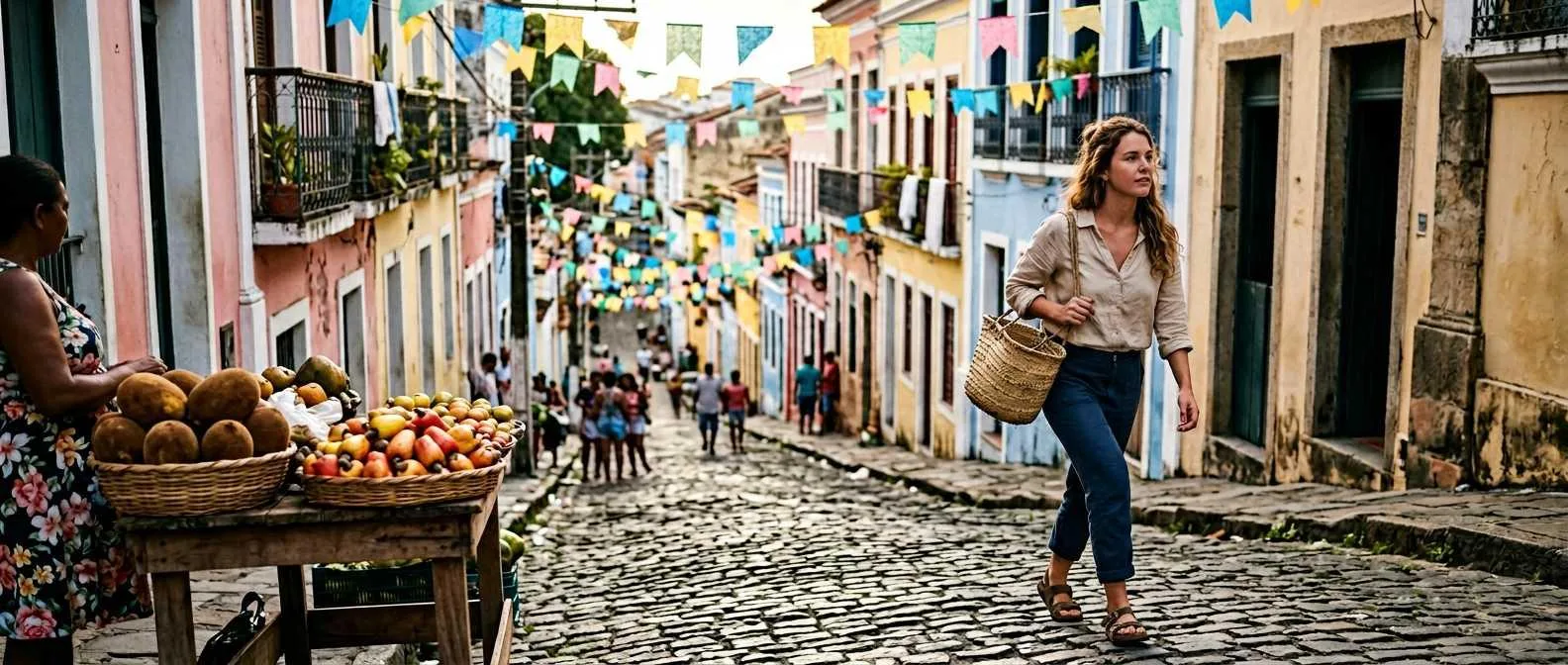 The case for Brazil
Why Brazil belongs in this guide
Brazil is South America’s largest economy, most populous country (215 million people), and most geographically, culturally, and linguistically diverse TEFL market on the continent. The scale of English demand is extraordinary: only an estimated 5% of Brazilians have proficiency in English, which in a country of 215 million people means approximately 200 million people who want or need to learn it. The demand is structural, sustained, and growing — driven by Brazil’s ambitions in global business, technology, tourism, and the increasing recognition that English is essential for international career advancement.
For teachers, this translates to a market with remarkable range. São Paulo’s financial district drives premium business English demand. Rio’s tourism sector creates conversational English needs. Florianópolis’s tech and start-up scene draws English-speaking digital nomads. The interior cities of Belo Horizonte, Curitiba, and Porto Alegre have growing middle classes increasingly investing in English education. No other Latin American country offers this combination of scale and geographic diversity.
Brazil also offers the most extraordinary country to live in within this Latin America cluster. The Amazon rainforest. The Pantanal (the world’s largest tropical wetland). Iguazu Falls. The Cerrado. 7,400km of coastline. Carnaval in Rio — the world’s largest party. The Festa Junina highland festivals. Candomblé ceremonies in Salvador. Samba, forró, baio, and axé. Feijoada and churrasco. No other country on earth offers the same combination of natural wonder, cultural depth, and human warmth.
What makes Brazil’s TEFL market structurally different
Brazil is different from every other market in this guide in three important ways that must be understood before making decisions:
1. Portuguese is non-negotiable for daily life
In Colombia, Peru, or Guatemala, basic Spanish makes life significantly better. In Brazil, Portuguese is genuinely essential. Outside tourist zones and international business districts, virtually nobody speaks English. Supermarkets, landlords, healthcare, transport — all in Portuguese. Teachers who arrive without any Portuguese describe frustrating experiences; those who prepare describe immersive transformation. This is Brazil’s most important practical distinction.
2. Private tutoring + social media is the strategy
Brazilians hire English teachers through personal trust networks — Instagram, WhatsApp, and word-of-mouth — more than through school employment. Private tutoring at R$50–150/hour ($10–$30) with a self-built client roster is the dominant income strategy for experienced teachers in São Paulo and Rio. This is genuinely different from Colombia or Peru’s language-school-centric approach and shapes how the market works.
3. The Digital Nomad Visa changes everything
Brazil’s VITEM XIV (Digital Nomad Visa), introduced in 2022, allows legal residence for remote workers earning $1,500+/month from foreign sources. For teachers with online teaching income, this creates a legal route that avoids the complex VITEM V employer-sponsored work visa entirely. Living legally in Brazil on online teaching income while building a local private tutoring practice — this is increasingly the most effective strategy in 2026.
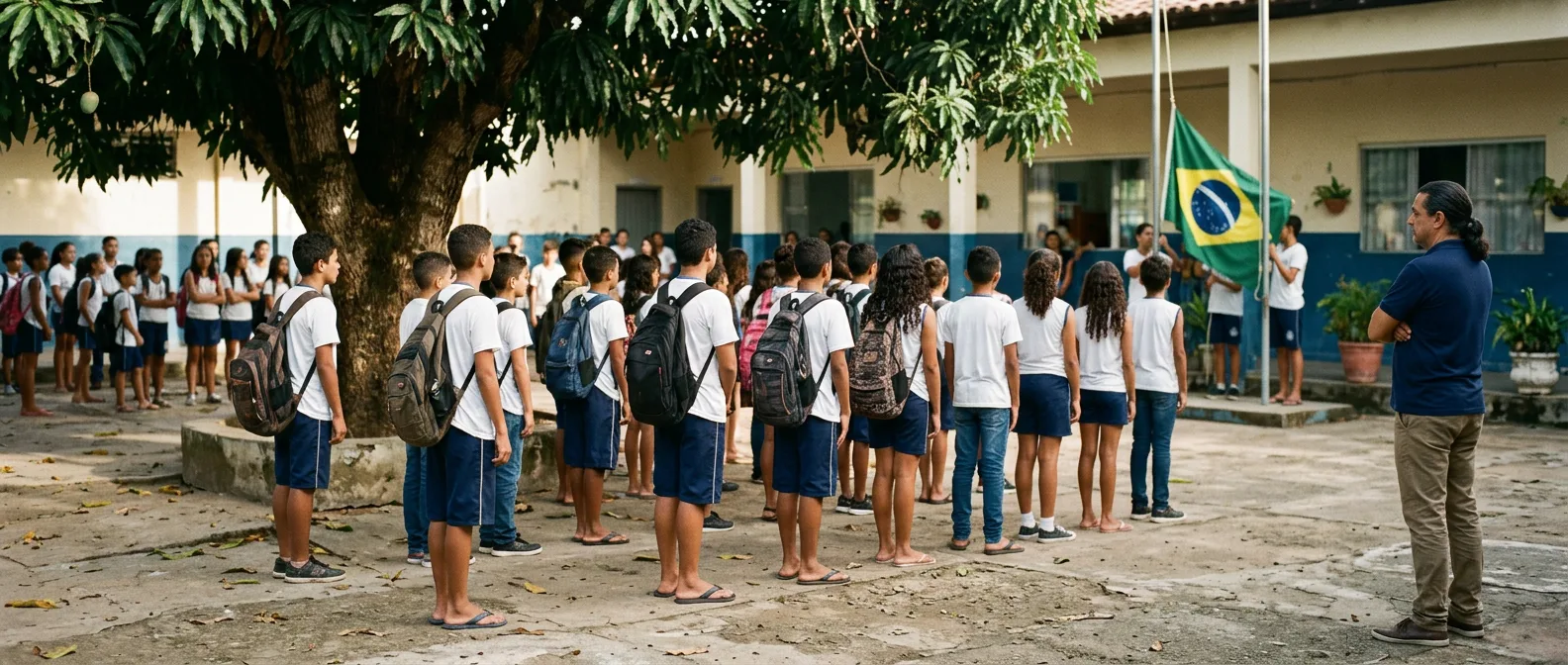
Brazil’s English teaching job market
Private language schools
Brazil’s most accessible entry point. Major chains: CCAA, CNA, Fisk, Wizard (Brazil’s largest English franchise), English First, Berlitz Brazil, and the cultural centres (União Cultural Brasil-Estados Unidos, Cultua Inglesa). Concentrated in São Paulo and Rio but operating nationwide. Salary R$3–5M/month average ($700–$1,050). Hire year-round with peaks March and August (post-Carnaval and mid-year).
International schools
Brazil’s premium tier. Graded (American School of São Paulo), St Paul’s School São Paulo, Red House International Schools (multiple cities), American School of Brasília, Escola Americana do Rio, Pan-American School Bahia, and others. Follow US, British, or IB curricula. Salary $1,600–$3,000/month with comprehensive benefits. Require teaching licence and 2+ years’ experience. Applications through specialist recruiters.
Private tutoring
The dominant income strategy for experienced teachers in major cities. Rates R$50–150/hour ($10–$30) — significantly above language school hourly equivalents. Built through Instagram marketing, WhatsApp, LinkedIn for business clients, and word-of-mouth. Brazilian culture of personal trust makes tutor-student relationships particularly strong. A portfolio of 10–15 regular private students at R$100/hour generates R$4,000–$6,000/month — above language school average.
Corporate English
São Paulo is Latin America’s corporate English capital. Multinational subsidiaries (hundreds of global companies have São Paulo offices), financial institutions (Itaú, Bradesco, BTG Pactual), tech companies (the São Paulo tech corridor), and consulting firms all need Business English. Rates R$80–200/hour ($16–$40) through corporate training contracts. The most lucrative teaching niche in Brazil and the primary driver of São Paulo’s salary premium.
Universities
Brazilian federal and state universities plus private universities (USP, UNICAMP, PUC-Rio, FGV, Insper) hire English teachers. Requirements are high: Master’s degree minimum, often PhD for permanent positions. Salaries R$3,500–8,000/month ($700–$1,600). More accessible: EAP and language centre positions within universities. Pontificia Universidade Católica and larger private universities have formal English departments. Prestigious but competitive.
Online teaching from Brazil
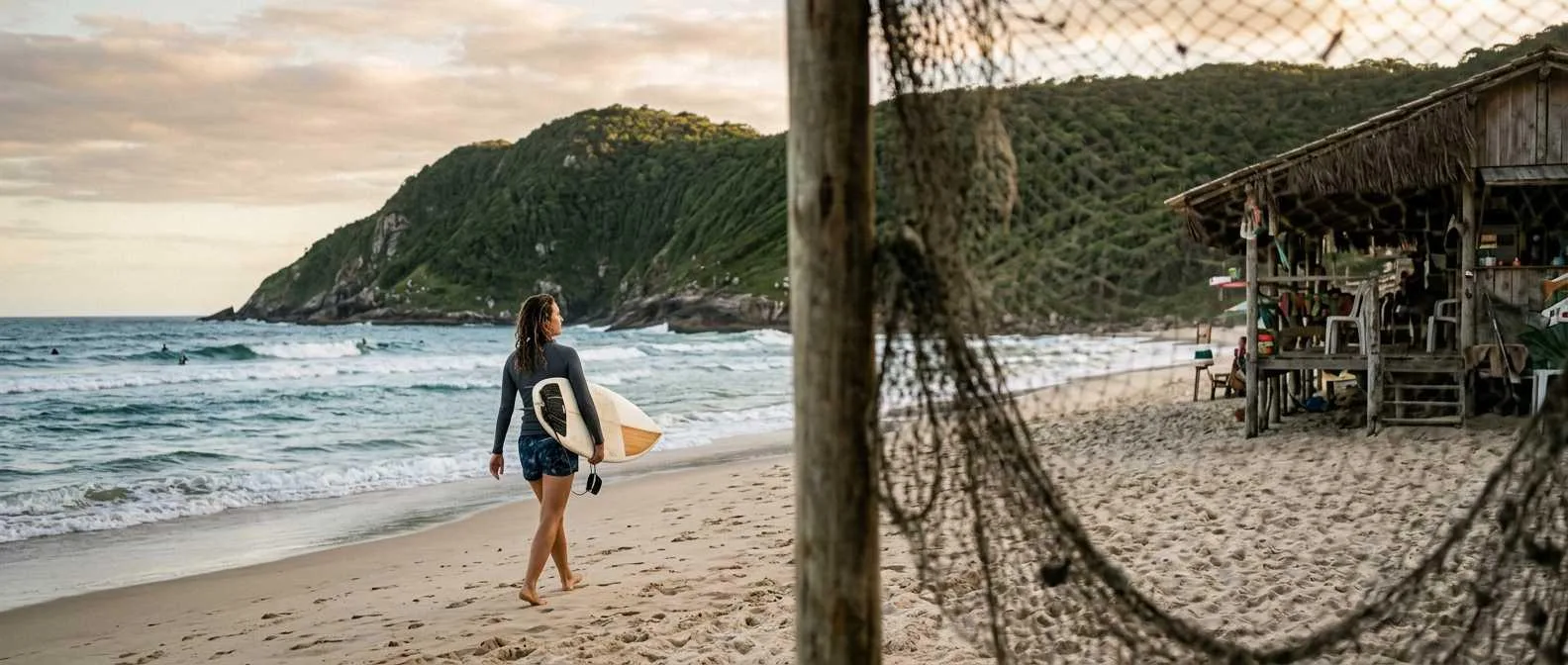
The fastest-growing segment in Brazil’s 2026 teaching landscape. Teaching online for students in wealthier countries ($15–$25/hour) while living in Brazil’s affordable interior cities or beach towns (Florianópolis, Salvador, Recife) creates a powerful financial combination. The VITEM XIV digital nomad visa provides the legal framework. Internet quality is critical — good in major cities; variable elsewhere.
Ready to teach English abroad?
Browse TEFL Heaven’s full range of teacher placement programs — from Southeast Asia to Europe and Latin America.
What English teachers earn in Brazil
Brazil pays more than Colombia or Peru in nominal terms — but Brazil’s cost of living is meaningfully higher, particularly in São Paulo and Rio which rank among Latin America’s most expensive cities. The net savings picture is not as strong as the headline numbers suggest without supplements. The private tutoring + corporate English + online teaching strategy is what creates genuinely strong financial outcomes in Brazil.
| Source | Earnings | USD approx. |
|---|---|---|
| Language school (standard) | R$3–4M/mo | ~$600–$800 |
| Language school (experienced/CELTA) | R$3.8–5M/mo | ~$760–$1,000 |
| Private tutoring (general) | R$50–100/hr | ~$10–$20/hr |
| Private tutoring (business) | R$100–150/hr | ~$20–$30/hr |
| Corporate English (São Paulo) | R$80–200/hr | ~$16–$40/hr |
| International school | R$8–15M/mo | ~$1,600–$3,000 |
| University (EAP) | R$3.5–8M/mo | ~$700–$1,600 |
| Online teaching (from Brazil) | $15–$25/hr | Strong geo-arbitrage |
Exchange rate: approximately R$5.00 per USD (2026 variable). R$1 million = approximately $200 USD.
Portuguese in Brazil: genuinely non-optional
Portuguese proficiency is the most important practical requirement for successful teaching life in Brazil — more important than TEFL certification, and arguably more important than any other single factor. This is because Brazil is categorically different from Spanish-speaking Latin American countries in terms of English availability in daily life.

In Colombia, Peru, or Guatemala, an English-speaking teacher can manage tolerably in urban areas without Spanish (though it makes life much richer). In Brazil, outside the international school environment and tourist zones of Rio and São Paulo, virtually nobody speaks English. Your landlord speaks Portuguese. Your doctor speaks Portuguese. The supermarket, the market, the transport, the bureaucracy — all Portuguese. Teachers who arrive without any Portuguese consistently describe a frustrating, isolating first 2–3 months. Teachers who invest in basic Portuguese before and during their posting describe transformative, deeply integrated experiences.
The good news: Brazilian Portuguese is one of the world’s most melodious and learner-friendly languages, and Brazilians are among the world’s most enthusiastic and encouraging audiences for foreign learners attempting their language. The effort is always appreciated, however limited. A2–B1 Portuguese makes daily Brazilian life entirely manageable and opens the enormous social and professional opportunities that English-only existence misses.
Portuguese vs Spanish for English teachers: Portuguese proficiency also has a direct professional impact in Brazil. Private schools (not international schools) expect basic-to-intermediate Portuguese for parent communication, staff meetings, and administrative tasks. Teachers with strong Portuguese access more positions, negotiate better rates, and build private student portfolios more effectively. If you already speak Spanish, Brazilian Portuguese is significantly more accessible than learning from scratch — the Romance language foundation transfers substantially, though pronunciation differences are significant.
Best cities for English teachers in Brazil





Brazil’s academic calendar: February to December
Brazil’s school year runs February through December — starting later than most countries due to the January summer holiday and Carnaval (February or early March). January is the Brazilian summer: schools close, universities are on holiday, and language school demand drops sharply. Arriving in January to find teaching work is difficult. Arriving in late February or early March — after Carnaval — is the primary hiring window. August is the secondary hiring peak for second-semester positions.
Carnaval timing: Carnaval falls in February or early March (date varies year to year based on Easter). During Carnaval week, Brazil essentially pauses — schools close, businesses shut, and the country celebrates. The peak language school hiring window opens immediately after Carnaval ends. Teachers who time their arrival for the week after Carnaval access the freshest and most abundant job openings of the year.
Three school types in Brazil
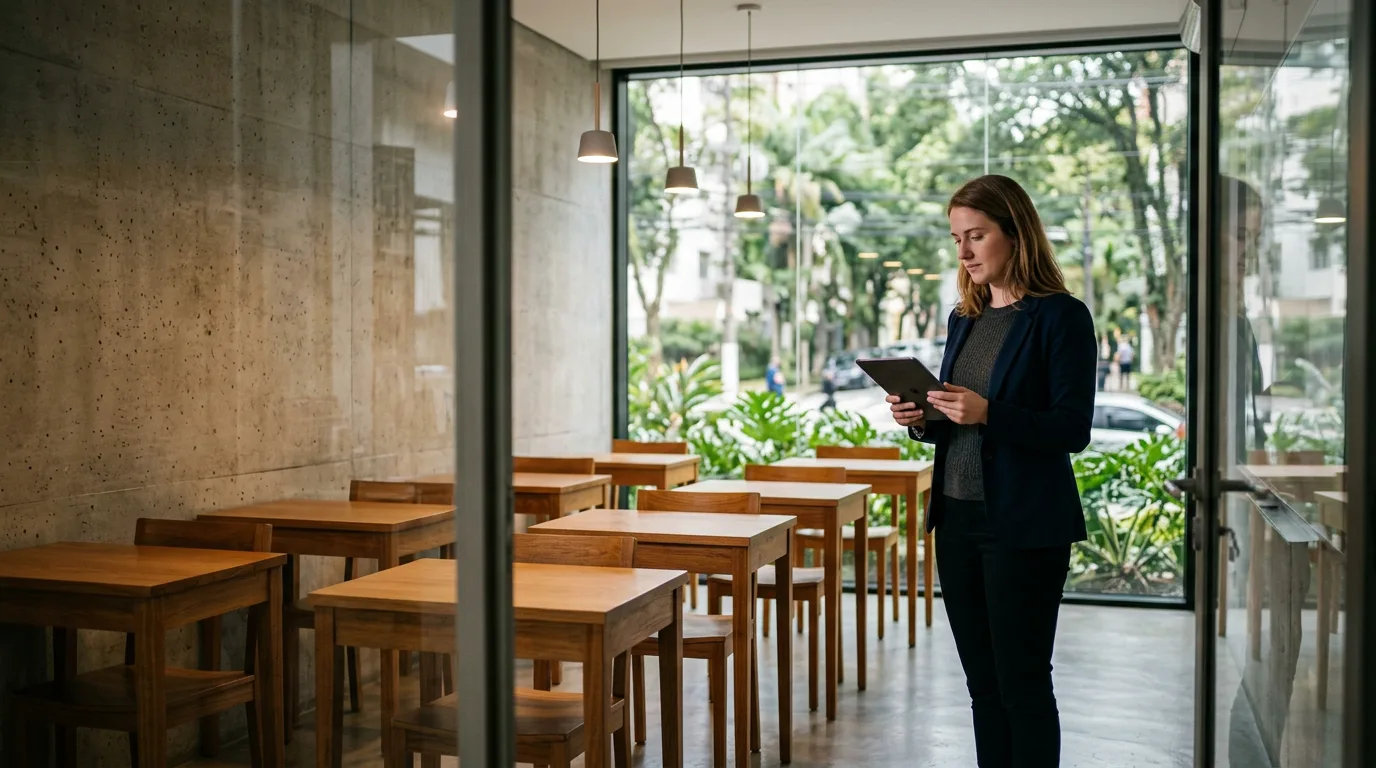
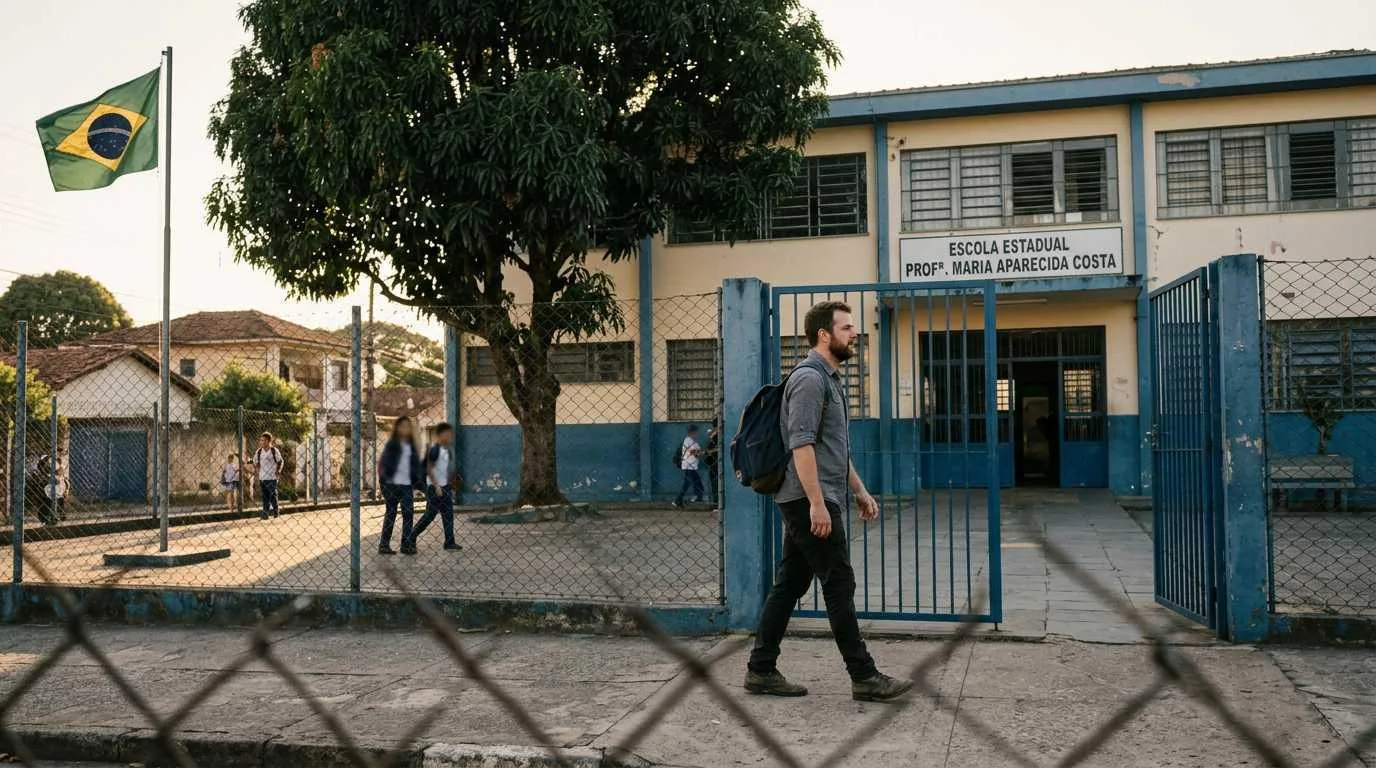

What teaching in Brazil actually feels like
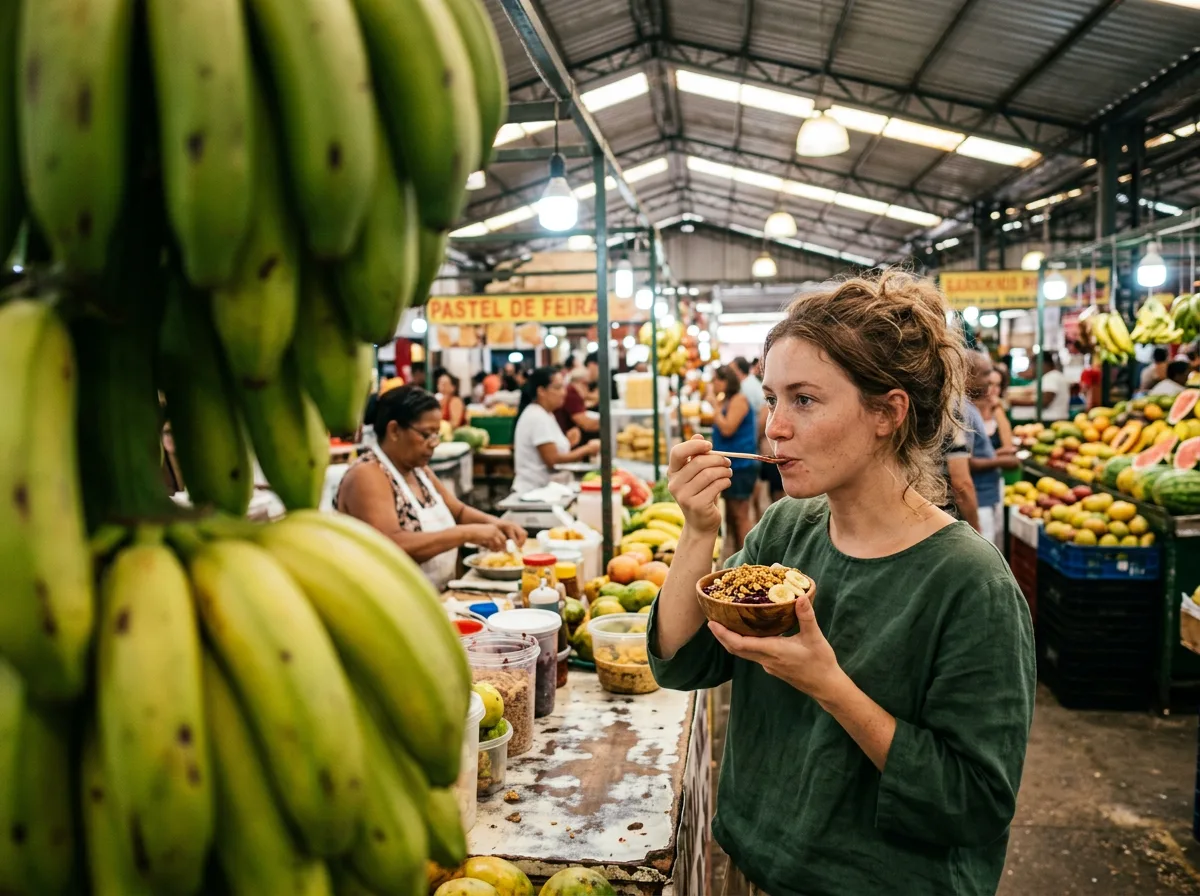



FAQ: Teaching English in Brazil
How does Brazil compare to Colombia as a TEFL destination?
Brazil pays more at the top end (international schools $1,600–$3,000 vs Colombia’s $1,500–$2,500) and has a larger and more diverse market overall. But Brazil’s cost of living is higher — São Paulo rivals Bogotá for total monthly costs — and the visa situation is more complex. Colombia has a more accessible M-visa framework and requires less Portuguese investment (Spanish is much easier to acquire for most English speakers than Portuguese). Brazil rewards teachers who speak Portuguese, have corporate English specialisation, and build private client rosters. Colombia rewards teachers who want structured language school employment with legal work authorisation. Different markets for different priorities.
Is Brazil safe for English teachers?
Brazil requires more active safety awareness than Colombia, Peru, or Guatemala for most teachers, particularly in Rio de Janeiro and some parts of São Paulo. Cities like Florianópolis and Curitiba are considered significantly safer. The standard guidance: use Uber rather than walking at night in unfamiliar areas, don’t display expensive phones or jewellery in public, research which neighbourhoods to avoid before arrival, and build local knowledge from the existing expat teacher community quickly. Millions of expats live safely in Brazil’s major cities — but it requires consistent urban awareness rather than the passive approach possible in, say, Medellín’s El Poblado or Antigua.
Can I teach English in Brazil without knowing Portuguese?
For English teaching in the classroom: yes, immersion methodology means lessons are conducted in English. For daily life: this is where the honest answer is “no” in any meaningful sense. Outside tourist zones, everything operates in Portuguese. For private school and bilingual school employment: basic Portuguese is often expected for parent communication and staff interactions. The practical recommendation: invest in at least A2 Portuguese before arriving in Brazil. Six weeks of daily Duolingo or an introductory Portuguese course will make your first month significantly less frustrating and much more rewarding.
Ready to teach English abroad?
Brazil is South America’s biggest and most diverse TEFL market. TEFL Heaven places teachers across Southeast Asia, Europe, and Latin America — browse our full program range to find your best fit.
TEFL Heaven · Placing teachers abroad since 2007 · 3,000+ teachers placed worldwide