

Teach English in Taiwan
Shilin Night Market at midnight. Taroko Gorge’s marble canyon at dawn. Taipei 101 lit above the city. The world’s most approachable TEFL market — a government programme as structured as EPIK or JET, a buxiban system that hires year-round, and people consistently described as the warmest in East Asia.
Why Taiwan is one of Asia’s most appealing TEFL destinations

Taiwan sits in an interesting position in the East Asian TEFL geography. It offers more structure and stability than Southeast Asian markets (closer to South Korea’s EPIK programme model), more accessibility and warmth than mainland China (no Great Firewall, genuinely approachable people, lower cultural adjustment curve), and a lower cost of living than Hong Kong or Tokyo. The result: Taiwan consistently ranks among the highest teacher satisfaction destinations in Asia — not because it pays the most (mainland China and Hong Kong beat it at the top end) but because the combination of decent salary, affordable living, extraordinary food, and genuinely welcoming culture makes daily life consistently rewarding.
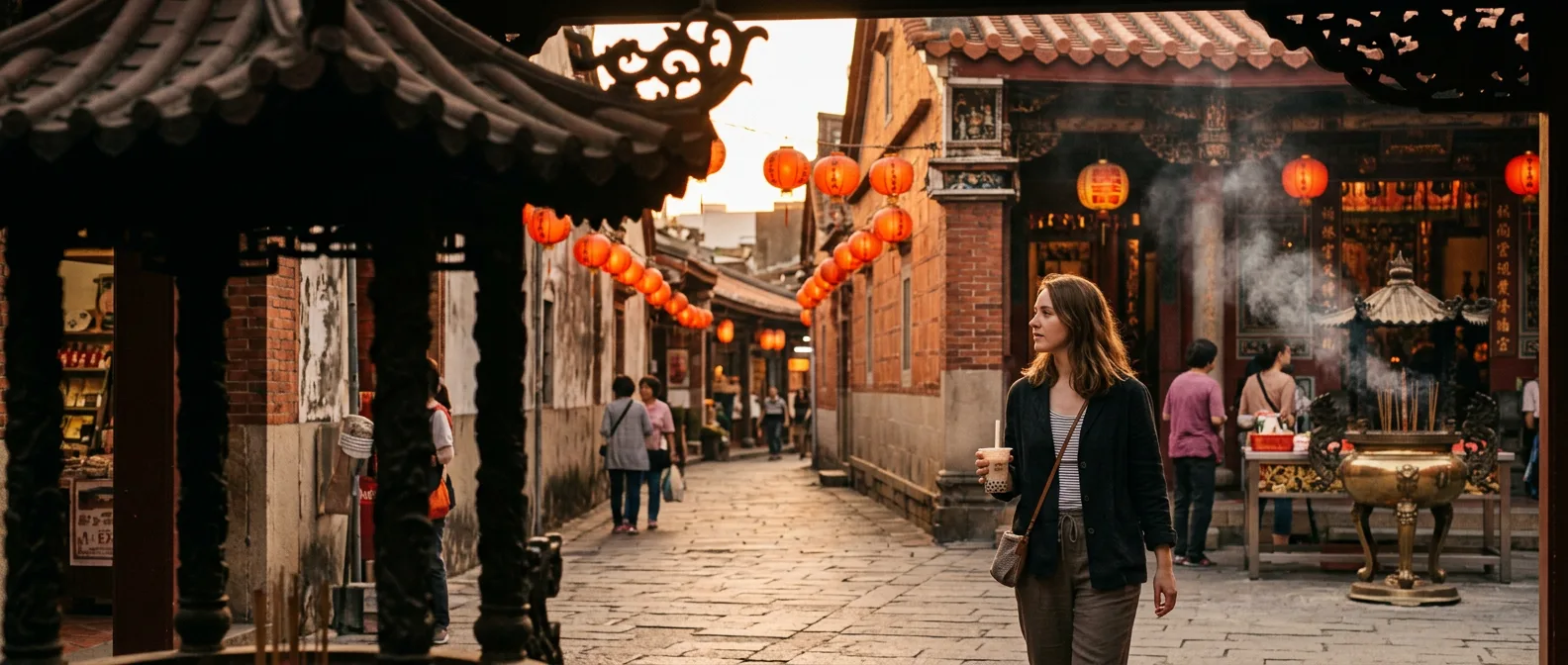
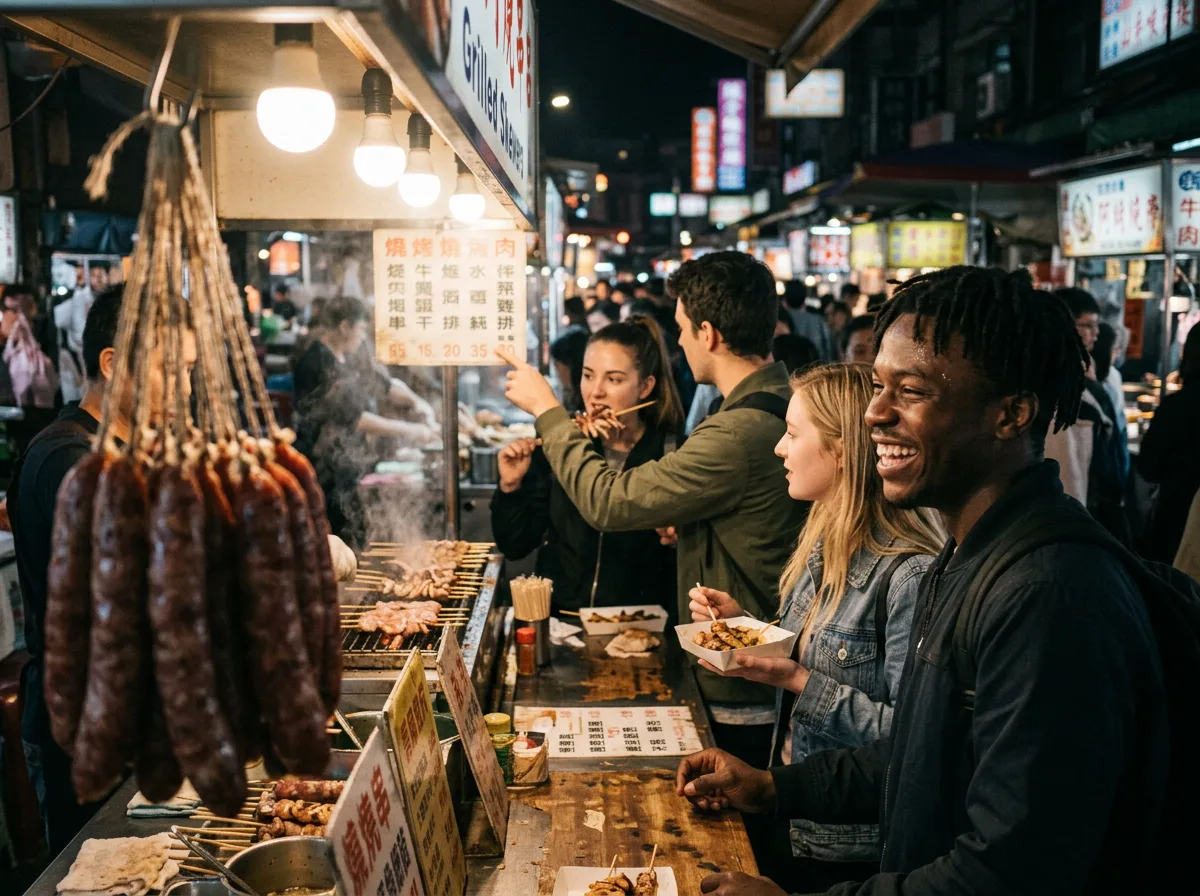
The food alone could close the argument. Taiwan invented bubble tea (in Taichung, 1986). The night markets — Shilin in Taipei, Liuhe in Kaohsiung, Raohe on the eastern riverside — are not tourist attractions but genuine daily social institutions where families eat, kids run between stalls, and the city’s social life happens. Beef noodle soup (牛胡面) is Taiwan’s national dish and the subject of serious competition. Oyster vermicelli (蛙仔面線). Scallion pancakes (蛝测馪饼馪). Stinky tofu that is far better than its name suggests. Taiwan is the best food country in Asia per dollar spent — a consistent verdict from teachers who’ve lived across the region.
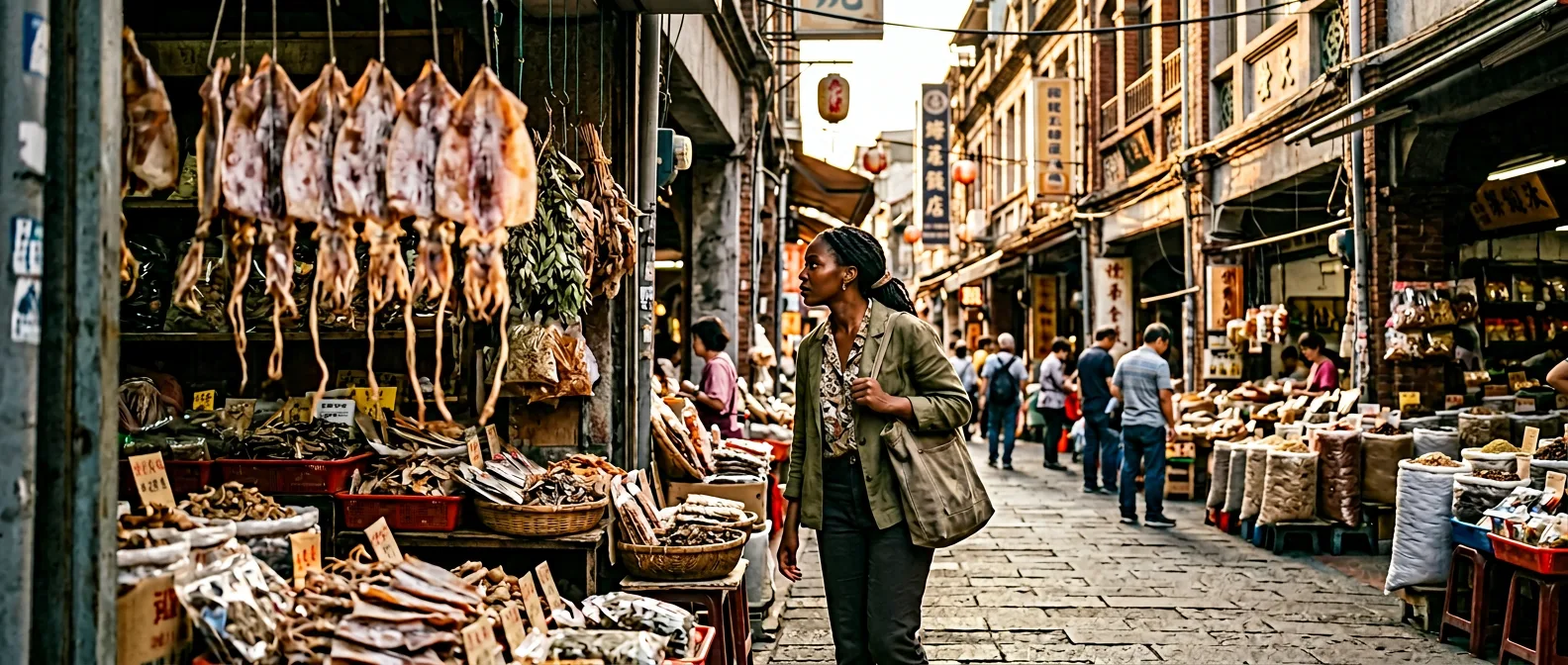
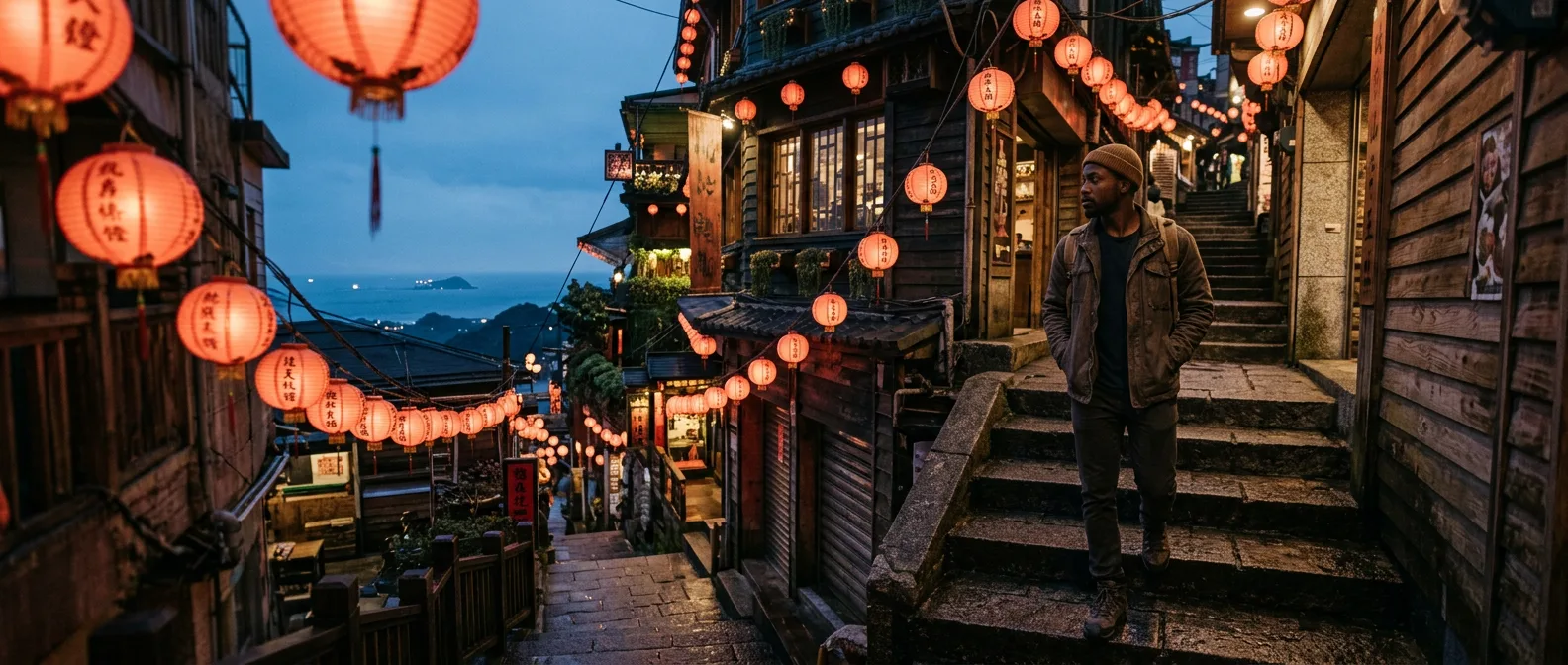
The country itself is extraordinary to travel. Taiwan is 394km long — the size of Hawaii or slightly larger than Belgium. The High Speed Rail (HSR) goes from Taipei to Kaohsiung in 90 minutes. Taroko Gorge — a marble canyon 19km long in the central mountains — is 3 hours from Taipei and is one of Asia’s great natural wonders. The east coast cliffs. The hot springs of Beitou and Wulai. The Alishan Forest Railway. Penghu, Green Island, Orchid Island — the outlying islands accessible by short flight. Taiwan in a single teaching year, with weekends, can be deeply explored.
Taiwan’s English teaching job market
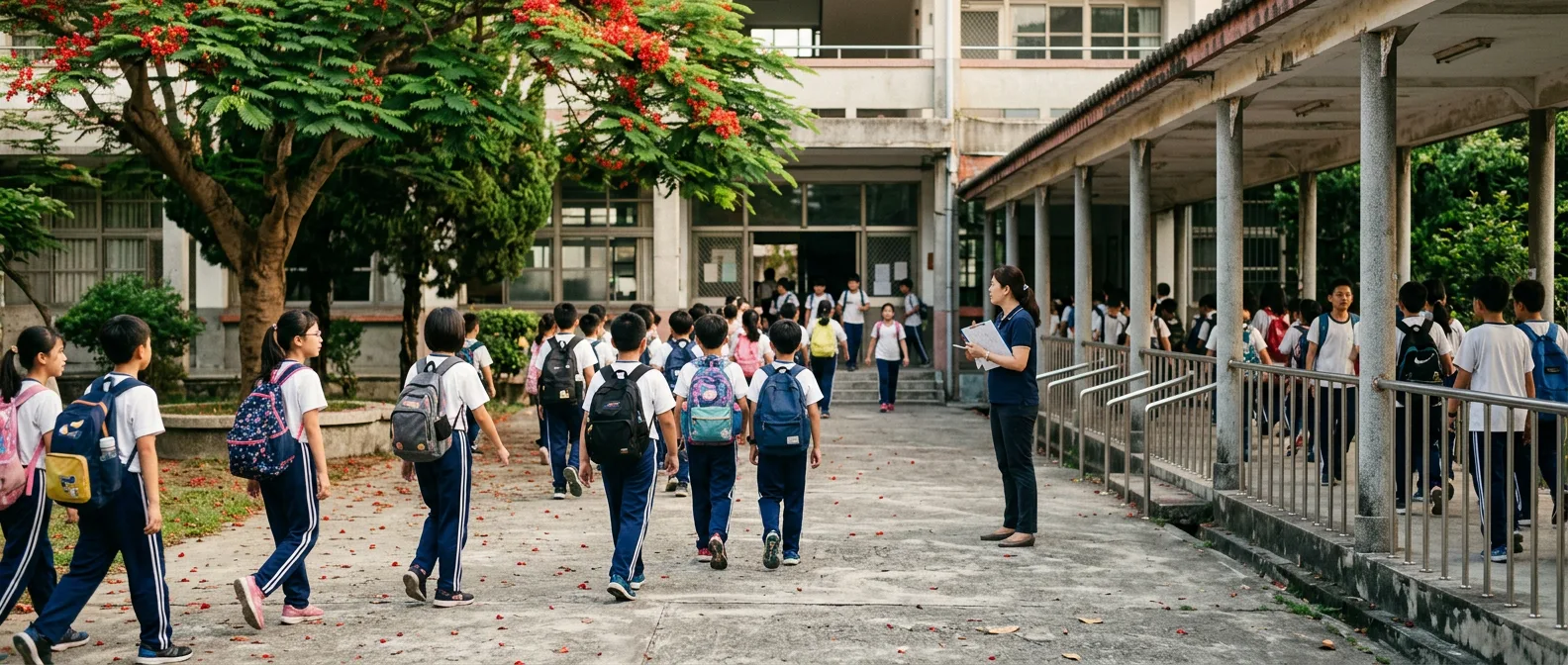
Buxibans (cram schools)
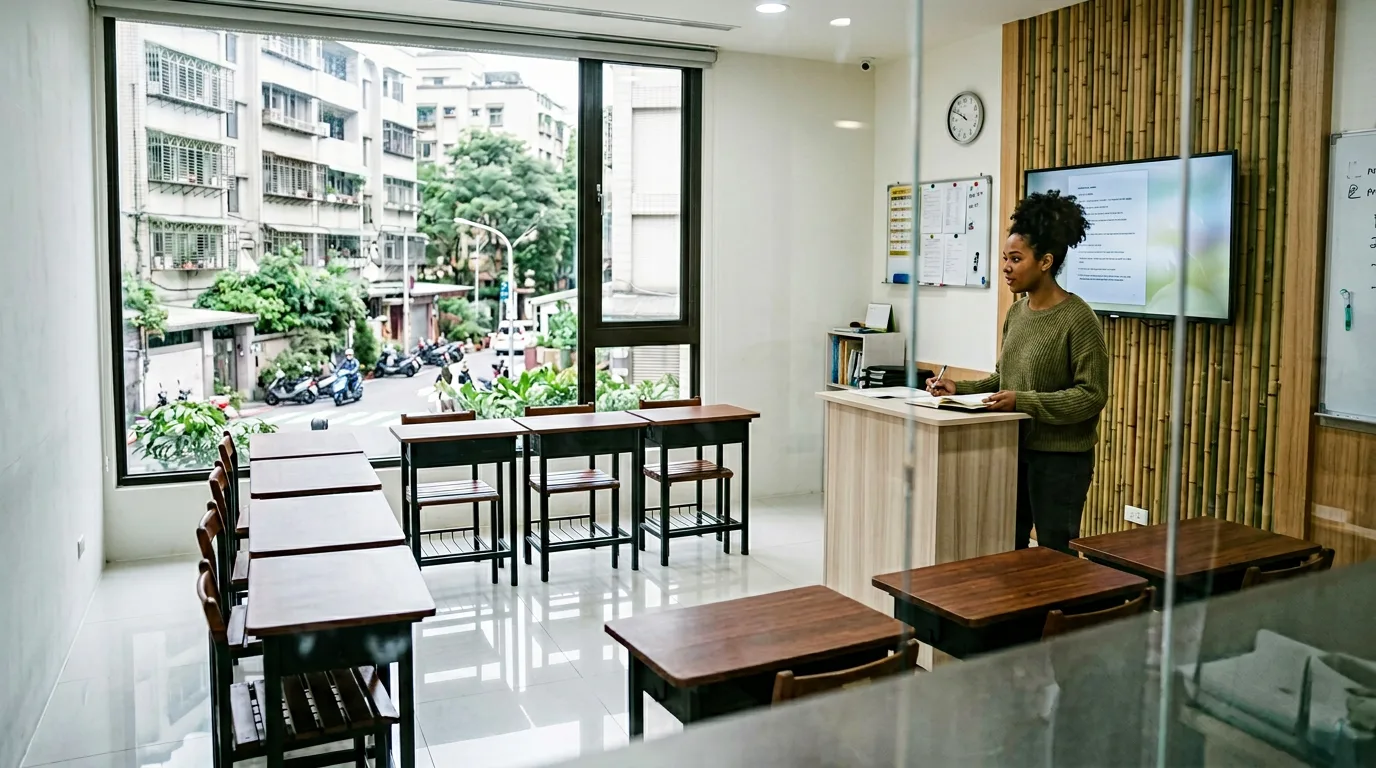
The heartbeat of Taiwan’s private English education. After-school academies (補缞班) where students attend in addition to regular school — evenings and weekends. The most accessible entry point and most numerous positions. Year-round hiring. NT$50,000–70,000/month. Evening/afternoon schedules. Smaller classes than public schools. Visa sponsorship typically included. The route most first-time Taiwan teachers take. Full buxiban guide →
TFETP public schools
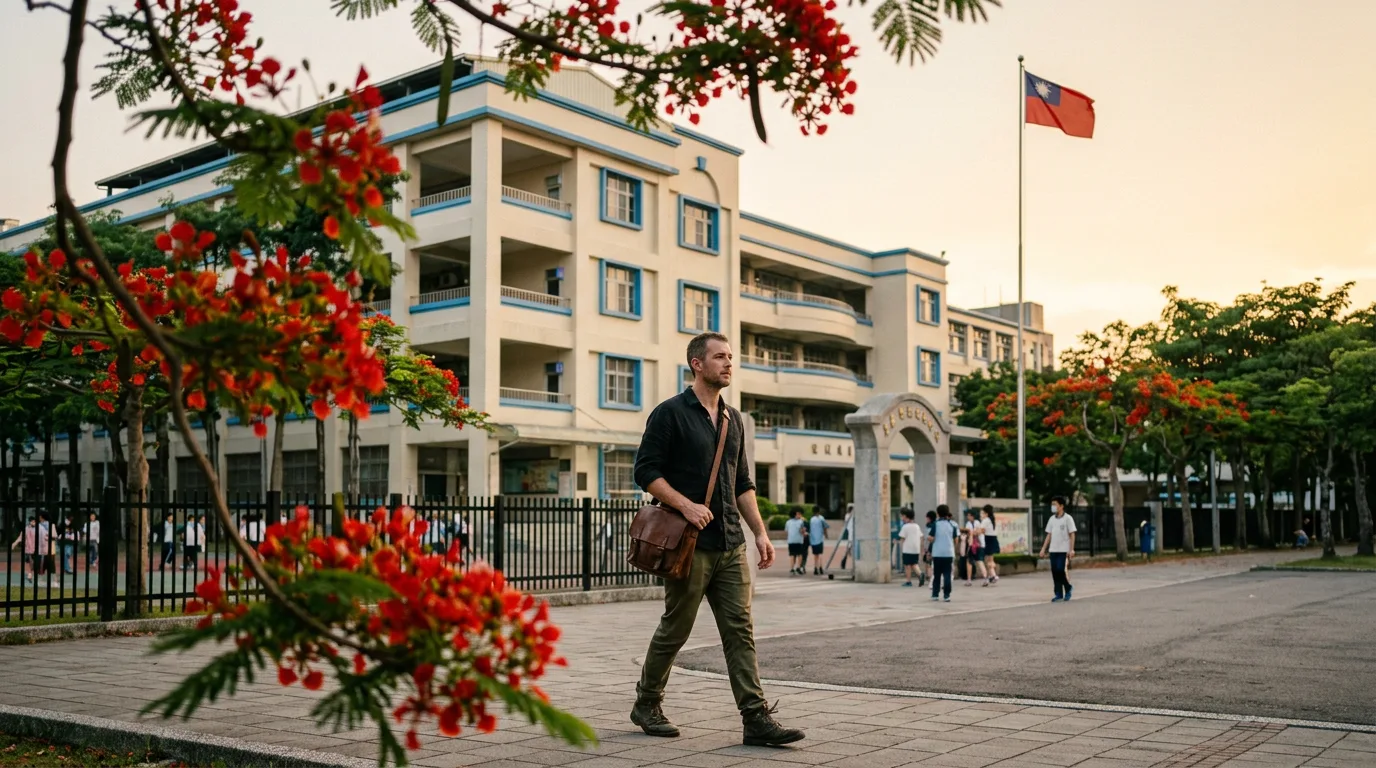
Taiwan’s government-backed Foreign English Teacher Program — places teachers in public elementary and junior high schools. Two tracks: Foreign English Teacher (FET; NT$62,720–78,045/month) and Foreign English Teaching Assistant (FETA; NT$45,000/month). Benefits: housing allowance or free housing, flight subsidy, health insurance. Co-teaching model with local Taiwanese teachers. Full TFETP guide →
International schools
Taiwan has a substantial international school sector in Taipei, Taichung, and Kaohsiung: Taipei American School (TAS — highly prestigious), Taipei European School, Morrison Academy, and others. NT$80,000–200,000/month. Require formal teaching licence and experience. American, British, and IB curricula. Applications 12–18 months ahead through TES, Search Associates, and ISS. Highly competitive.
Private schools (K-12)
Taiwan’s domestic private school sector — schools serving Taiwanese families who want English-medium education without international school pricing. NT$50,000–60,000/month. Smaller classes than public schools; more manageable environment. Degree plus TEFL required. Some private chains (HESS International, Sesame Street English, Gram School Group) recruit internationally.
Universities
Taiwan’s universities (NTU, NTHU, NCU, and many more) employ foreign English instructors for EAP, oral English, and academic writing courses. NT$100,000–150,000/month for professors; lower for instructors. Master’s required; PhD increasingly expected for tenure-track posts. 500+ degree courses taught in English in Taipei alone. Prestigious; intellectually rewarding; light teaching hours.
Corporate & private tutoring
Taiwan’s tech sector (TSMC, ASUS, Acer, HTC in Hsinchu and Taipei) creates Business English demand. Private tutoring rates of NT$700–1,200/hour ($22–$39) are strong. Important caveat: private tutoring on the side is technically illegal if you’re on a work visa tied to a specific employer — verify your contract terms. Corporate training through certified channels is the proper route.
Ready to teach English abroad?
Browse TEFL Heaven’s full range of teacher placement programs — from Southeast Asia to Europe and Latin America.
What English teachers earn in Taiwan
| Position | NT$ (monthly) | USD approx. | Notes |
|---|---|---|---|
| Buxiban (entry) | NT$50–60K | ~$1,560–$1,875 | Evening/weekend; most accessible |
| Buxiban (experienced) | NT$60–70K | ~$1,875–$2,190 | Year-round hiring; visa included |
| TFETP (FETA assistant) | NT$45,000 | ~$1,406 | Government; housing + flight |
| TFETP (FET teacher) | NT$62,720–78,045 | ~$1,960–$2,440 | Government; housing + flight; M–F days |
| Private school (K-12) | NT$50–60K | ~$1,560–$1,875 | Smaller classes; structured |
| International school | NT$80K–200K+ | ~$2,500–$6,250+ | Teaching licence required |
| University (professor) | NT$100–150K | ~$3,125–$4,690 | Master’s/PhD required; light hours |
| Private tutoring | NT$700–1,200/hr | $22–$38/hr | Check contract terms first |
Exchange rate: approximately NT$31 per USD (2026; relatively stable). NT$1 million = approximately $32,258 USD.
The TFETP: Taiwan’s government teacher programme
The Taiwan Foreign English Teacher Program (TFETP), administered by the Ministry of Education (MOE), is Taiwan’s equivalent of South Korea’s EPIK and Japan’s JET — a government-backed initiative placing foreign English teachers in public schools nationwide. The programme has two tracks: Foreign English Teachers (FETs) who lead classes, and Foreign English Teaching Assistants (FETAs) who support local English teachers in a co-teaching model.
TFETP places teachers throughout Taiwan — from Taipei’s major schools to rural townships and coastal villages. City placements are more competitive; teachers willing to go rural or to smaller cities gain more placement flexibility. The package: transparent government pay scale (NT$62,720–78,045/month for FETs), housing support (free housing or NT$5,000–10,000/month allowance), flight subsidy, and national health insurance. Stable, structured, and well-regarded. Full TFETP guide →
Requirements to teach English in Taiwan
Taiwan requires a bachelor’s degree (or an approved alternative route), nationality from one of seven English-speaking countries, and a 120-hour TEFL certificate for most positions. The ARC work permit is employer-sponsored. International schools require a formal teaching licence.
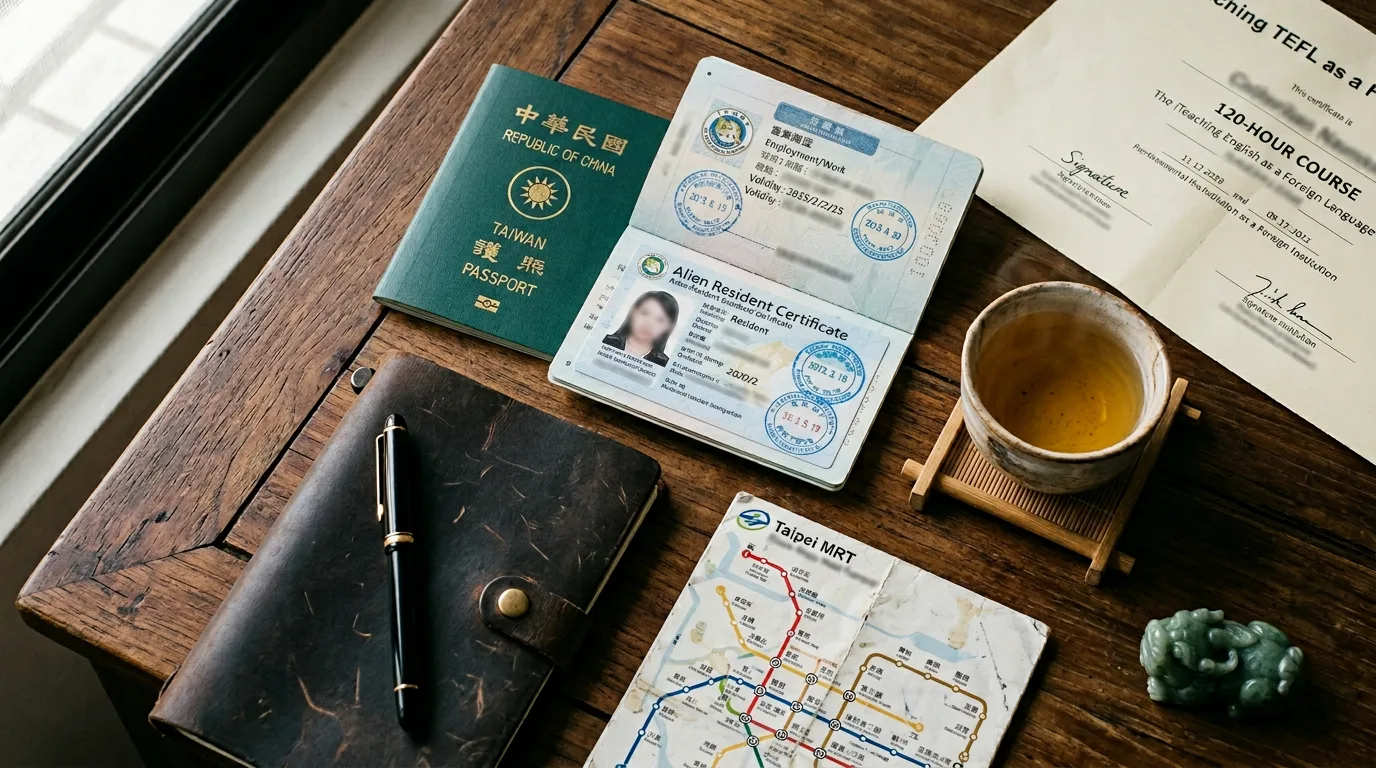
Degree
Bachelor’s degree from an accredited institution in any subject — the standard route for ARC (work permit) eligibility. Alternative route: if you don’t have a bachelor’s, you may qualify with a combination of professional teaching qualifications and experience — this is an official Ministry of Labor alternative, not a loophole. International schools require education/subject degree; universities require Master’s or PhD.
TEFL certificate
120-hour minimum strongly preferred; required by most serious employers and the TFETP. Not an absolute legal requirement for ARC in all cases, but practically essential for securing visa-sponsoring employment. CELTA or equivalent valued at international schools. TFETP prefers teachers with formal teaching qualifications (teaching licence) alongside TEFL.
Nationality
Same 7-country rule as mainland China: USA, UK, Canada, Ireland, Australia, NZ, South Africa. Some additional English-speaking countries recognised case-by-case. Working holiday visas (aged 18–30) available for a broader range of nationalities including France, Germany, Japan, Ireland, Canada, Czech Republic, and others — the working holiday route provides legal work authorisation without the nationality restriction.
Teaching licence
Not required for buxibans or most private schools. TFETP gives strong preference to teachers with formal teaching credentials (PGCE, state teaching licence, QTS, BEd). Required for international schools. The teaching licence determines your TFETP pay scale tier — licensed teachers start higher on the government pay scale.
Best cities for English teachers in Taiwan


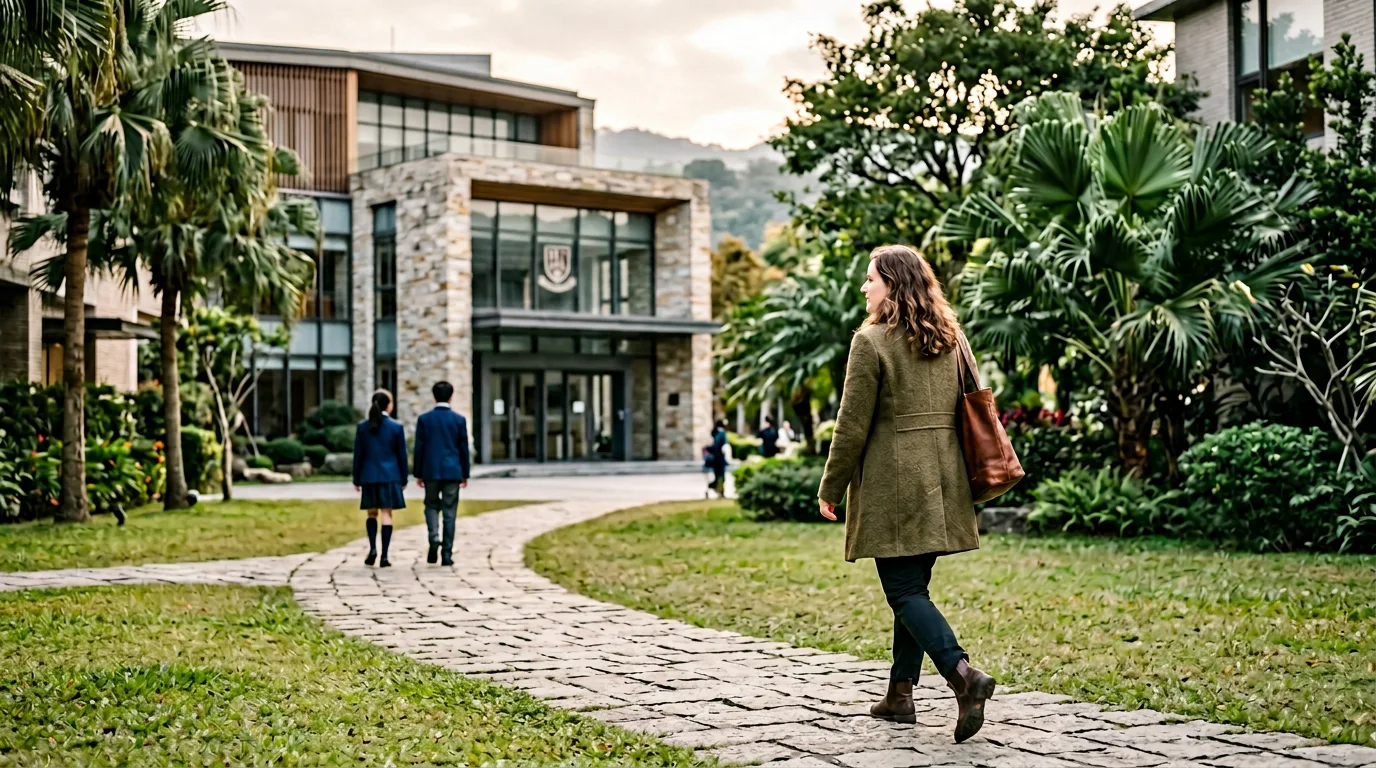
Three school types in Taiwan
Taiwan’s academic calendar
Taiwan’s school year has two semesters: Semester 1 (September–January) and Semester 2 (February–June). Peak hiring windows mirror these starts: July–August for September starts; November–January for February starts. Buxibans hire year-round — with slight upticks before each semester. International schools recruit 12–18 months ahead through specialist platforms. TFETP application typically opens January–March for August starts.
Lunar New Year: Taiwan’s most important cultural festival, observed in January or February. Schools close for approximately 1–2 weeks. Buxibans may have reduced schedules around this period. Arrive before Lunar New Year for a February start — the holiday period is not the time to be job-hunting, but is an extraordinary time to experience Taiwan’s temple culture, lantern festivals, and family traditions.
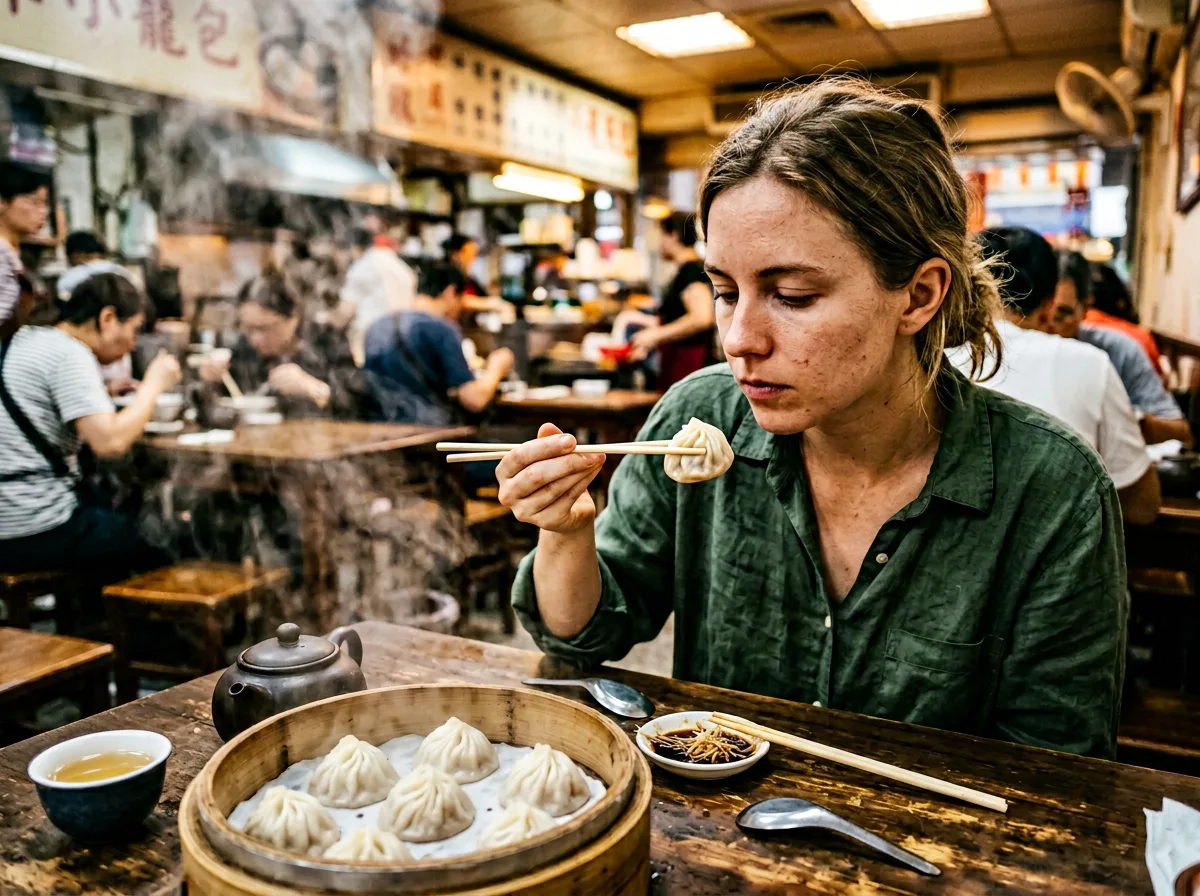
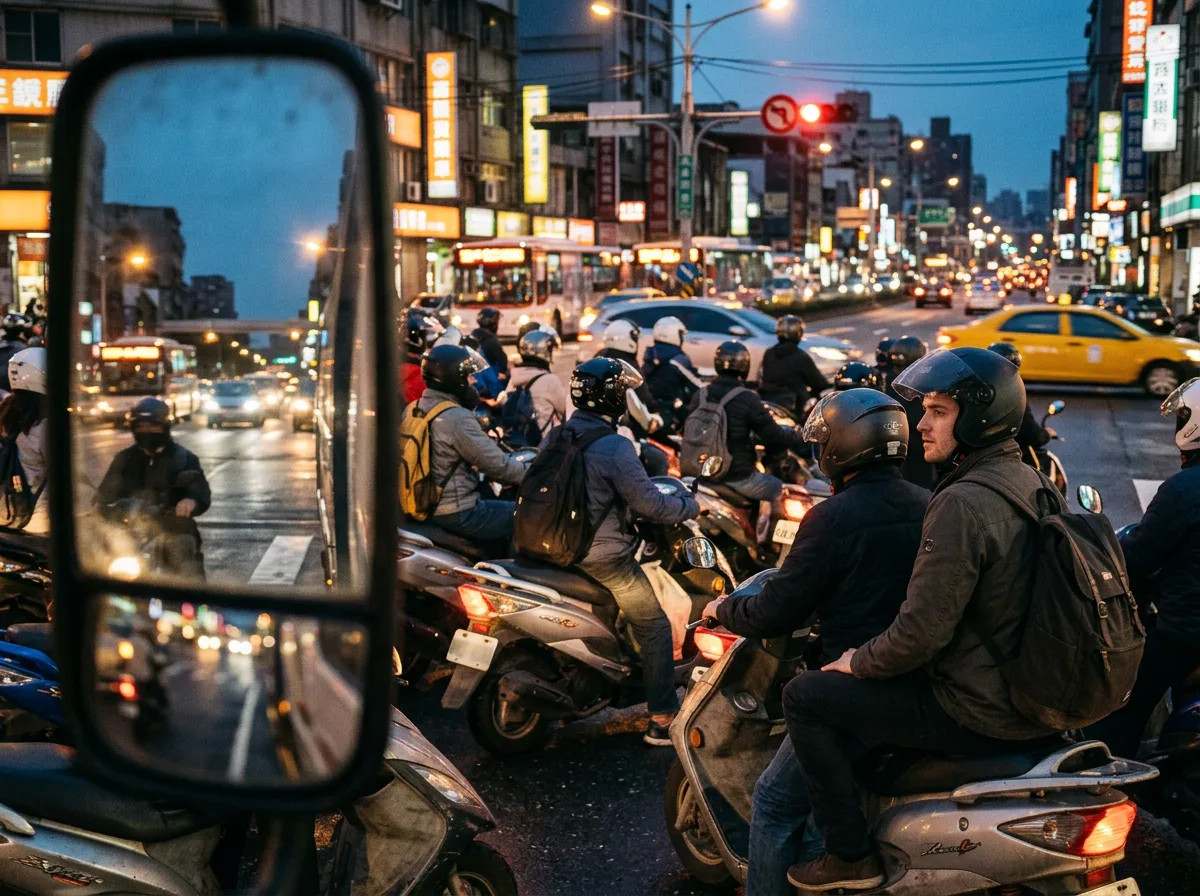
What teaching in Taiwan actually feels like

Complete Taiwan teaching guides
FAQ: Teaching English in Taiwan
How does Taiwan compare to South Korea as a TEFL destination?
Very close comparables. Both have strong government programmes (TFETP vs EPIK) with similar salary structures. Key differences: Taiwan has a warmer, more accessible cultural atmosphere; South Korea has a more standardised EPIK application process and very well-developed placement infrastructure. Taiwan’s food culture is arguably superior and more diverse. South Korea’s K-culture (K-pop, K-drama) creates a specific cultural draw for younger teachers. Taiwan’s cost of living is slightly lower; South Korea’s savings potential is slightly higher at the EPIK level. Both are excellent choices — Taiwan tends to attract teachers who want a warmer, more relaxed East Asian experience; South Korea attracts those drawn to K-culture and a more energetic urban scene.
Is Taiwan better for first-time teachers than mainland China?
For most first-timers: yes, Taiwan is more manageable. The cultural adjustment is smaller — English is more widely used, the internet works normally, and Taiwan’s society is more internationally accessible than mainland China’s. The visa process (ARC) is simpler than China’s Z visa. The buxiban market hires continuously with flexible entry requirements. The TFETP is structured and supportive. Mainland China wins on savings potential and sheer scale of experience — but for teachers who want a rich East Asian TEFL experience with a gentler adjustment curve, Taiwan is consistently the recommendation.
Do I need to speak Mandarin to teach in Taiwan?
Not for classroom teaching — English-only instruction is the standard. For daily life: Taiwan operates more accessibly in English than mainland China (MRT signs are bilingual; tourist infrastructure is bilingual), but Mandarin makes life significantly richer. Taiwan uses Traditional Chinese characters (not Simplified as in mainland) and the phonetic zhuyin system (not pinyin). If you learn Mandarin anywhere, learning it in Taiwan means learning Traditional characters — which some teachers prefer for cultural and aesthetic reasons. Most teachers describe picking up basic survival Mandarin in Taiwan within 2–3 months without formal study — the local patience and warmth with Mandarin learners is legendary.
Ready to teach English abroad?
Taiwan’s night markets, Taroko Gorge, bubble tea origin story, and one of Asia’s most welcoming TEFL markets. TEFL Heaven places teachers across Southeast Asia, Europe, and Latin America — browse our full program range to find your best fit.
TEFL Heaven · Placing teachers abroad since 2007 · 3,000+ teachers placed worldwide