
 >
>
Teach English in Indonesia
Bali’s rice terraces at dawn. Borobudur emerging from morning mist. Nasi goreng for breakfast from a warung for 20,000 rupiah. The world’s fourth most populous country, Southeast Asia’s largest economy, and a growing demand for English teachers from Jakarta to the outer islands.
 The case for Indonesia
Why Indonesia is Southeast Asia’s most ambitious TEFL market
Indonesia is Southeast Asia’s economic giant — the world’s fourth most populous country, ASEAN’s largest economy, and a nation of 277 million people actively investing in English education as a driver of economic development. The country ranks 79th out of 113 countries on the EF English Proficiency Index — low by regional standards — which is simultaneously a challenge and the reason why demand for qualified English teachers is structural and growing. From Jakarta’s corporate English training market to international schools serving the expat communities of Bali to rural community English programmes in Lombok and Flores, Indonesia’s teaching market is genuinely vast.
What makes Indonesia distinctive among TEFL destinations is the sheer breadth of experience on offer. This is the most geographically and culturally varied country in this entire build — 17,508 islands, 300+ ethnic groups, 700+ languages, and cultural traditions ranging from Bali’s Hindu ceremonies to Java’s Islamic culture to the animist traditions of eastern Indonesia. Teaching in Jakarta is a megacity experience unlike anywhere else; teaching in Ubud is a creative community in the middle of volcanic jungle; teaching in Yogyakarta puts you within cycling distance of the world’s largest Buddhist monument.
The financial picture is realistic rather than transformative: Indonesia won’t generate China-level savings, but its extraordinarily low cost of living — street food under $1, transport under $5, comfortable apartments at a fraction of Western costs — means a language school salary of $1,000–$1,500/month goes much further here than the absolute figure suggests. Teachers who choose Indonesia consistently cite the richness of the experience — the food, the people, the travel, and the teaching itself — over and above the financial outcome.
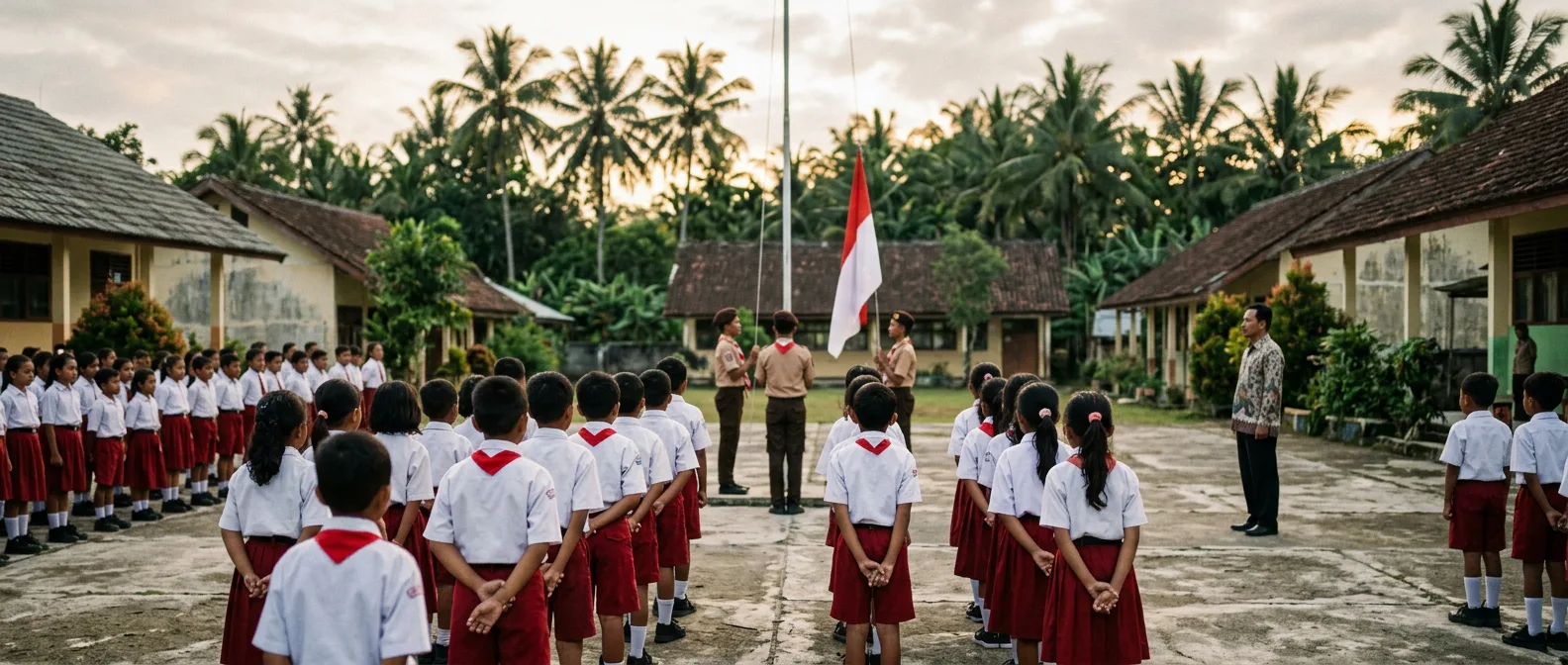
Bali vs Java: Indonesia’s two different worlds
Bali — the dream and the reality
Bali is the reason most foreign teachers first consider Indonesia. The rice terraces of Ubud. The surf breaks of Uluwatu. The temple ceremonies of Besakih. The creative communities of Canggu. All of this is real and accessible. Bali’s teaching market is also real — international schools, language centres, kindergartens in Seminyak, Ubud, Denpasar.
The honest reality: Bali is the most competitive English teaching job market in Indonesia. Positions are fewer than Jakarta; competition is intense; salaries are lower (IDR 11–20M/month) while tourist-area living costs are higher than Java. Teachers who focus solely on Bali often find the job search longer and harder than expected. The reward is extraordinary if you get there.
Java — where the teaching market actually lives
The island of Java has most of Indonesia’s teaching positions. Jakarta alone has more language schools, international schools, corporate English programmes, and kindergartens than all of Bali combined. Surabaya, Bandung, Yogyakarta, and dozens of smaller cities offer teaching work with genuine demand and far less competition than Bali.
Java’s reward: authentic Indonesian cultural immersion — the Java that Bali’s tourist infrastructure insulates you from. Warung food for IDR 20,000 ($1.25). The gamelan tradition. Borobudur at dawn. The extraordinary geological landscape of volcanoes, plateaux, and jungle. Higher salaries (IDR 14–25M in Jakarta) with lower costs than Bali’s tourist centres.
The practical recommendation: If securing a position quickly and earning competitively matters, target Jakarta or Surabaya first. If the Bali lifestyle is the primary draw and you’re prepared for a more competitive job search, apply to Bali-based schools from outside Indonesia 3–6 months before your planned start date. Teachers who go to Bali on a tourist visa expecting to find work quickly often find the reality more difficult than the expectation. Having a confirmed position before arriving is strongly recommended for Bali.
Indonesia’s English teaching job market
Language schools & ELT centres
The most numerous English teaching positions in Indonesia. EF Education First (major chain; strong teacher support; TEFL sponsorship sometimes included), The British Institute (TBI; well-established; multiple locations), Wall Street English Indonesia, ILP, and hundreds of independent centres. Salary IDR 12–24M/month. Visa sponsorship typically included. Evening and weekend schedules. Most accessible entry point. Full job types guide →
International schools
Indonesia has a substantial international school sector concentrated in Jakarta and Bali. Jakarta International School (JIS), British International School Jakarta (BISJ), Bali International School (BIS), and many more. Salary IDR 32–40M/month (~$2,000–$2,500) plus benefits — the highest-paying positions in the Indonesian market. Require formal teaching licence and experience. IB, A-Level, and American curricula.
Kindergartens & preschools
Teaching English to children aged 18 months–6 years is very common in Indonesia, especially in Jakarta and Bali. Wealthy families invest heavily in early English education. School-provided teaching assistant in the classroom. Small class sizes (8–20 children). Warm, energetic environment. Salary IDR 10–20M/month. Most positions require degree plus TEFL; top preschools require teaching licence.
Private schools (K-12)
Indonesian private schools serving the domestic market at the premium end. National Plus schools — Indonesian curriculum with bilingual English instruction. Growing sector; salary IDR 12–20M/month; teaching licence preferred. Universities also hire foreign English lecturers for EAP and oral English courses — Master’s degree required; IDR 15–25M/month.
Corporate English
Indonesia’s rapidly growing corporate sector — banking, mining, oil and gas, tech, logistics — creates substantial Business English demand, particularly in Jakarta and Surabaya. Conducted through language centre corporate divisions or directly. Premium rates IDR 300,000–500,000+/hour ($19–$31). CELS Indonesia and similar corporate training firms are established employers. Best for teachers with business background.
NGOs & community programmes
Numerous NGOs operate English education programmes in rural and underserved communities across Indonesia — particularly in Lombok, Flores, Sulawesi, Kalimantan, and Papua. Salary IDR 8–12.8M/month (~$500–$800) but may include housing, meals, and community living. Less financially rewarding but often described as the most impactful teaching experiences available in Indonesia.
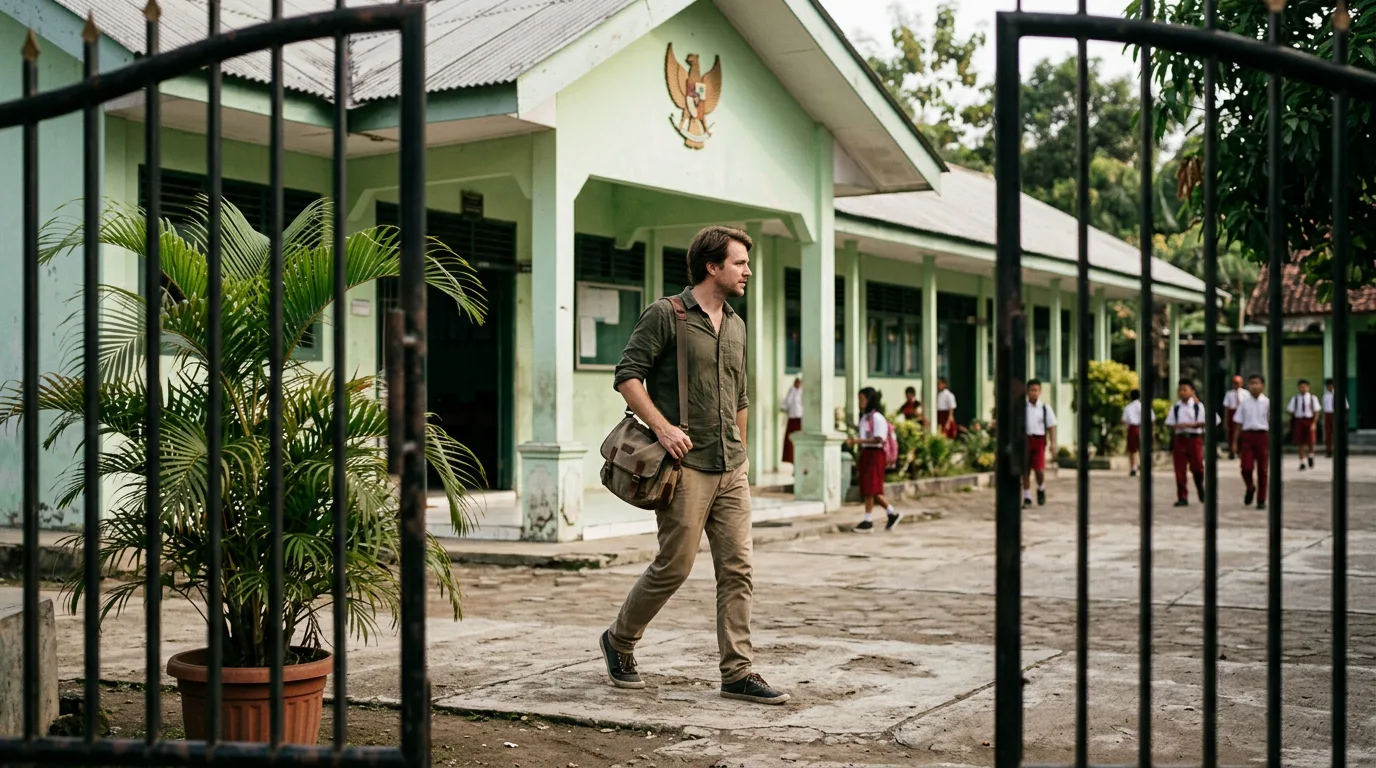
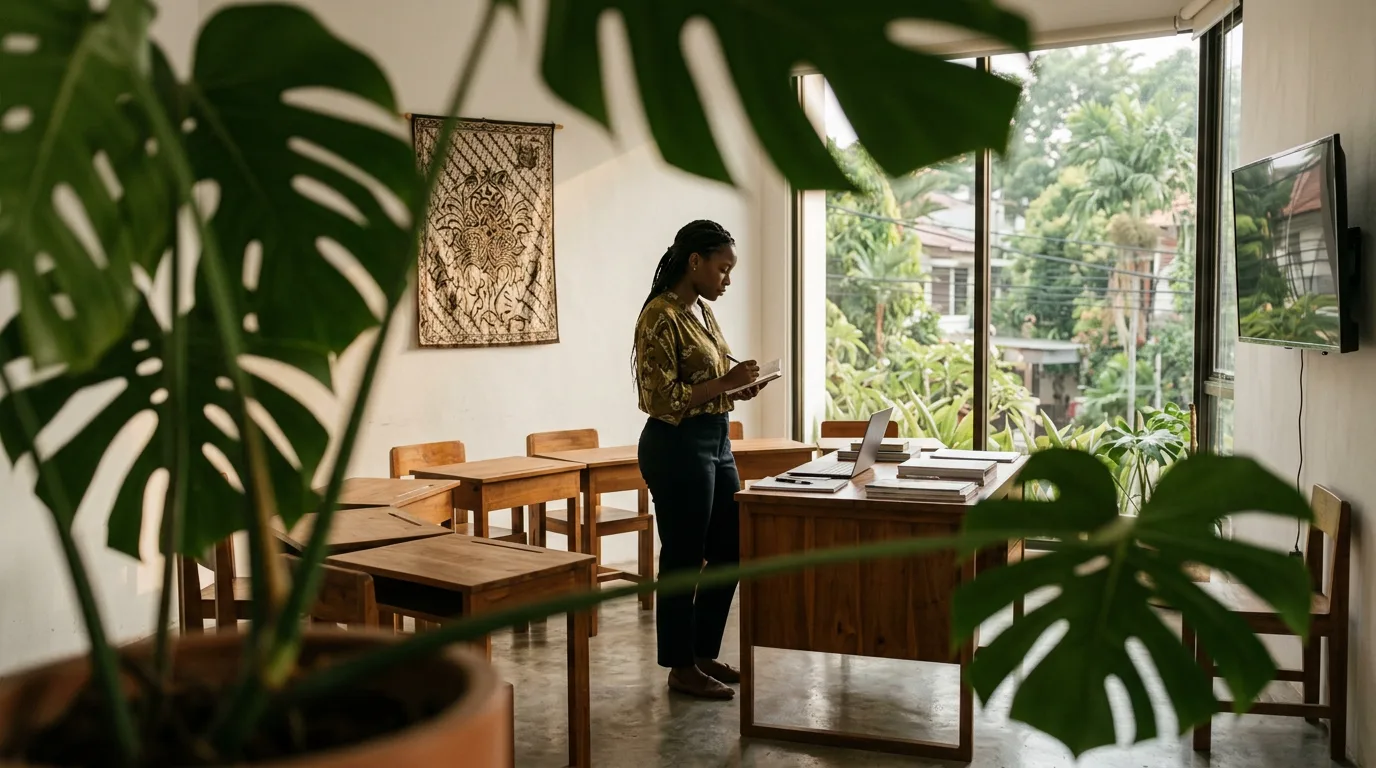
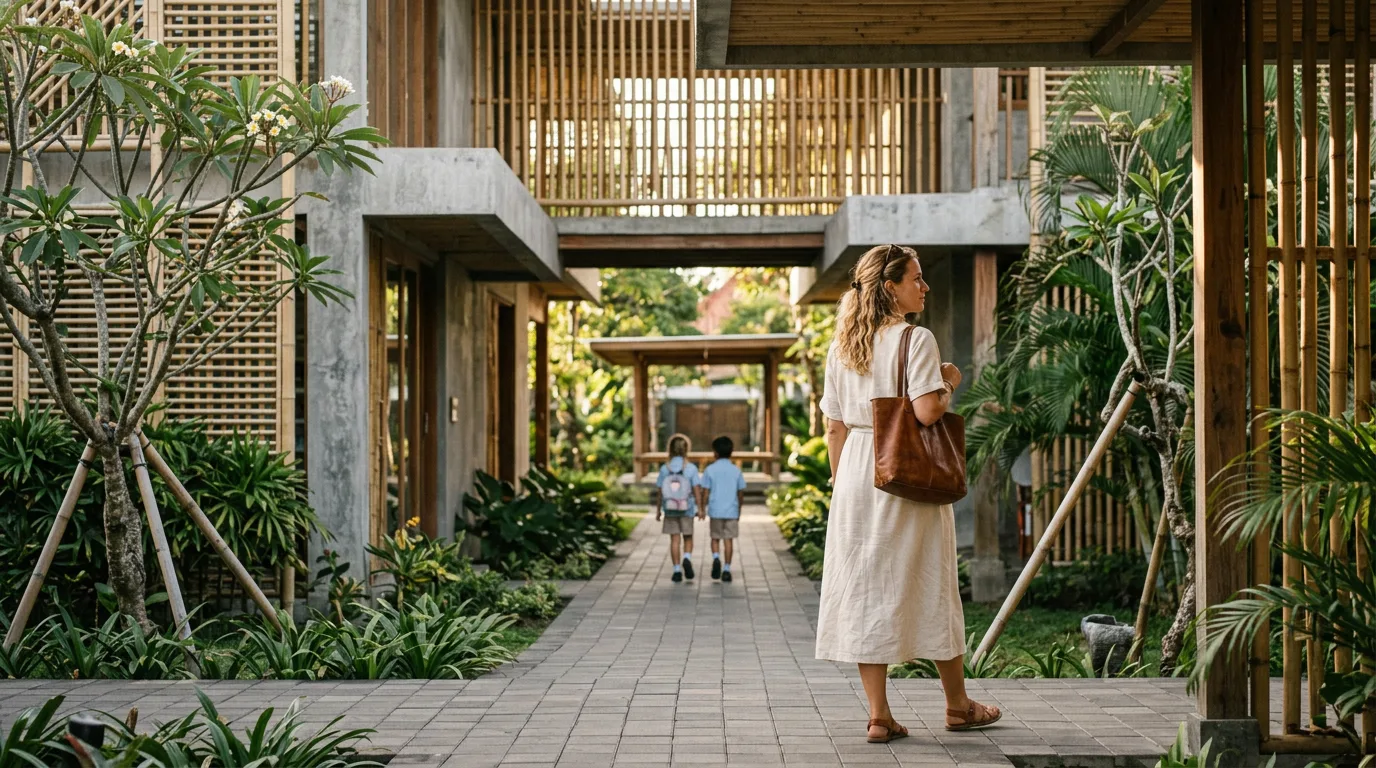
Three school types in Indonesia
Ready to teach English abroad?
Browse TEFL Heaven’s full range of teacher placement programs — from Southeast Asia to Europe and Latin America.
What English teachers earn in Indonesia
| Position | IDR (monthly) | USD approx. | Notes |
|---|---|---|---|
| Language centre (entry) | IDR 12–16M | ~$750–$1,000 | Visa often included; evening schedules |
| Language centre (experienced) | IDR 16–24M | ~$1,000–$1,500 | EF; TBI; established chains |
| Kindergarten/preschool | IDR 10–20M | ~$625–$1,250 | TA in room; small classes |
| International school | IDR 32–40M+ | ~$2,000–$2,500+ | Teaching licence required; full benefits |
| Private/National Plus school | IDR 12–20M | ~$750–$1,250 | Bilingual curriculum |
| University lecturer | IDR 15–25M | ~$938–$1,563 | Master’s required |
| Corporate English | IDR 300–500K/hr | $19–$31/hr | Jakarta; Surabaya; business background |
| NGO / community | IDR 8–12.8M | ~$500–$800 | May include housing and meals |
Exchange rate: approximately IDR 16,000 per USD (2026; rupiah relatively stable vs dollar). IDR 1 billion = approximately $62,500 USD.
Requirements to teach English in Indonesia
Here's what you'll need to teach English in Indonesia — from qualifications and documents to the practical details that make your application stand out.

Bachelor’s degree
Required by law for KITAS work visa eligibility in Indonesia. Any discipline qualifies for language school and kindergarten positions. Education or relevant subject degree required for international schools and many private schools. Some sources note limited opportunities without a degree, but in practice any serious employer sponsoring a KITAS will require a bachelor’s degree as a legal minimum.
TEFL / TESOL certificate
120-hour minimum standard for most employers. EF Education First sometimes offers TEFL sponsorship as part of the employment package — one of the few employers in this build that subsidises certification for new teachers. CELTA valued at international schools. For corporate English: business experience plus TEFL is more valued than TEFL alone.
Native speaker requirement
Indonesian law requires employers to hire only native English speakers for English teaching positions. Recognised countries: USA, UK, Canada, Ireland, Australia, New Zealand, South Africa. This is a legal framework embedded in the KITAS/IMTA work permit system. Unlike Taiwan (where the WHV provides an alternative), Indonesia’s work permit structure offers fewer official routes for non-standard nationality applicants.
Teaching licence (international schools)
Required at all international schools. PGCE, QTS, or national teaching certification plus 2–5+ years’ school experience. Not required for language centres, kindergartens, or language schools. The licence requirement and experience bar is what separates international school pay (IDR 32–40M+) from language school pay (IDR 12–24M) — a meaningful income differential justifying the investment in formal teaching qualifications.
Indonesia’s best cities for English teachers



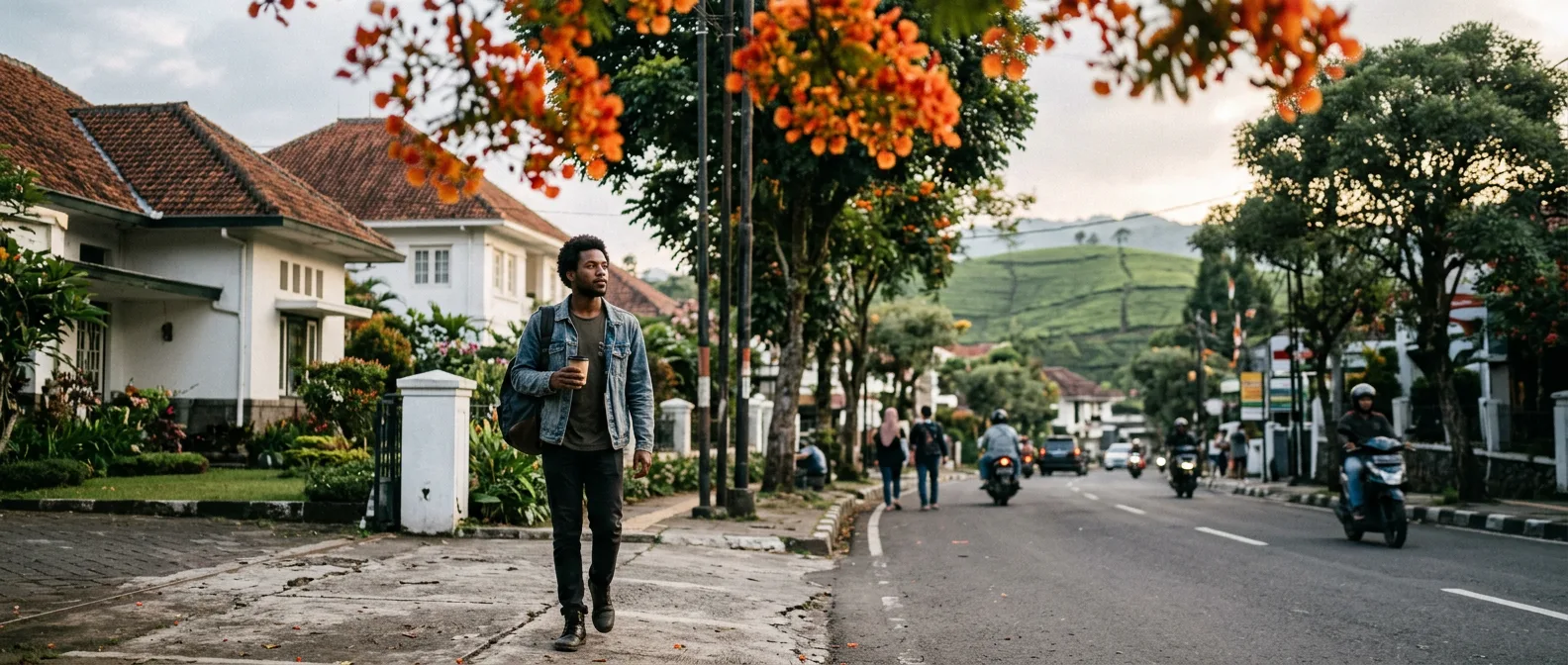


Indonesia’s academic calendar
Indonesia’s school year runs July through June, with two semesters. Peak hiring: May–July for July starts; November–January for January/February starts. Language centres hire year-round. International schools recruit 12–18 months ahead. The KITAS process takes 1–3 months — start your application as soon as you have a job offer.
Ramadan: The Islamic holy month of fasting (Ramadan) falls in the ninth month of the Islamic calendar — dates shift earlier by approximately 11 days each year. During Ramadan, school schedules often change, student energy levels drop in afternoon classes, and social life is quieter outside Bali. Teachers should understand this is one of Indonesia’s most important cultural periods and approach it with respect and awareness. Many Muslim Indonesian colleagues will be fasting from dawn to sunset.
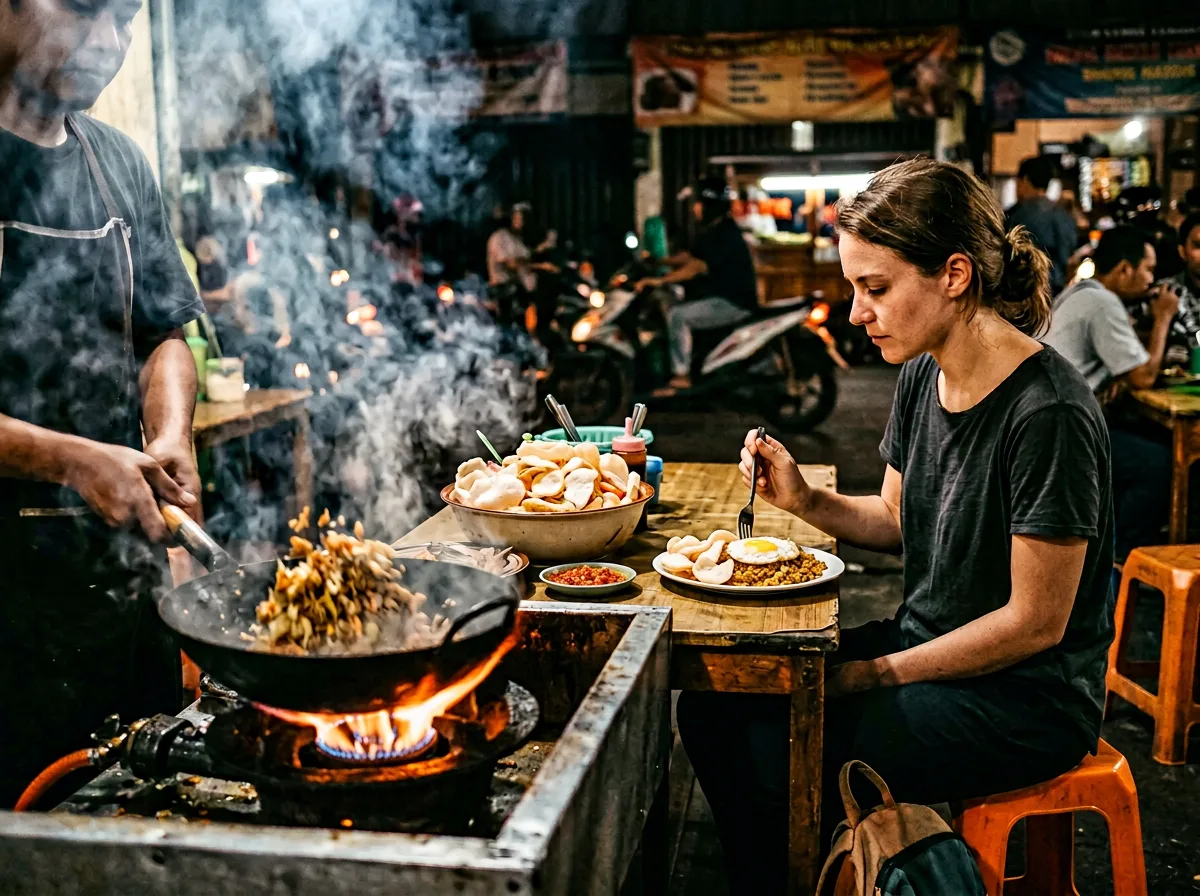
What teaching in Indonesia actually feels like



Complete Indonesia teaching guides
FAQ: Teaching English in Indonesia
Is Indonesia a good destination for first-time teachers abroad?
Yes, with the right expectations. Indonesia is welcoming, fascinating, and accessible — Bahasa Indonesia is one of the easiest Asian languages to learn, Indonesian people are warm and hospitable, and the cost of living makes a modest salary genuinely comfortable. The KITAS process requires patience and employer support — make sure any employer you accept a position with has clear experience managing KITAS sponsorship for foreign teachers. The main adjustment challenges: the heat and humidity (particularly in Jakarta and lowland Java), Bali’s competitive job market if that’s your target, and the cultural adjustment of living in a predominantly Muslim country (outside Bali). Teachers who arrive with cultural curiosity and realistic financial expectations consistently have excellent experiences.
Can I just go to Bali and find teaching work when I arrive?
You can try, but the odds are not favourable. Bali has fewer teaching positions than its profile suggests — far fewer than Jakarta — and competition from teachers specifically targeting Bali is intense. Arriving on a tourist visa and cold-calling schools does happen and sometimes works, but teachers who arrive without confirmed employment frequently find themselves spending their savings on Bali living costs while the job search extends longer than expected. Strong recommendation: apply remotely 3–6 months before your planned arrival date, have interviews via video call, and arrive with a confirmed position and KITAS process already underway.
Ready to teach English abroad?
Indonesia — 277 million people, 17,508 islands, Borobudur, Bali’s rice terraces, and some of the best street food in Southeast Asia. TEFL Heaven places teachers across Southeast Asia, Europe, and Latin America — browse our full program range to find your best fit.
TEFL Heaven · Placing teachers abroad since 2007 · 3,000+ teachers placed worldwide