
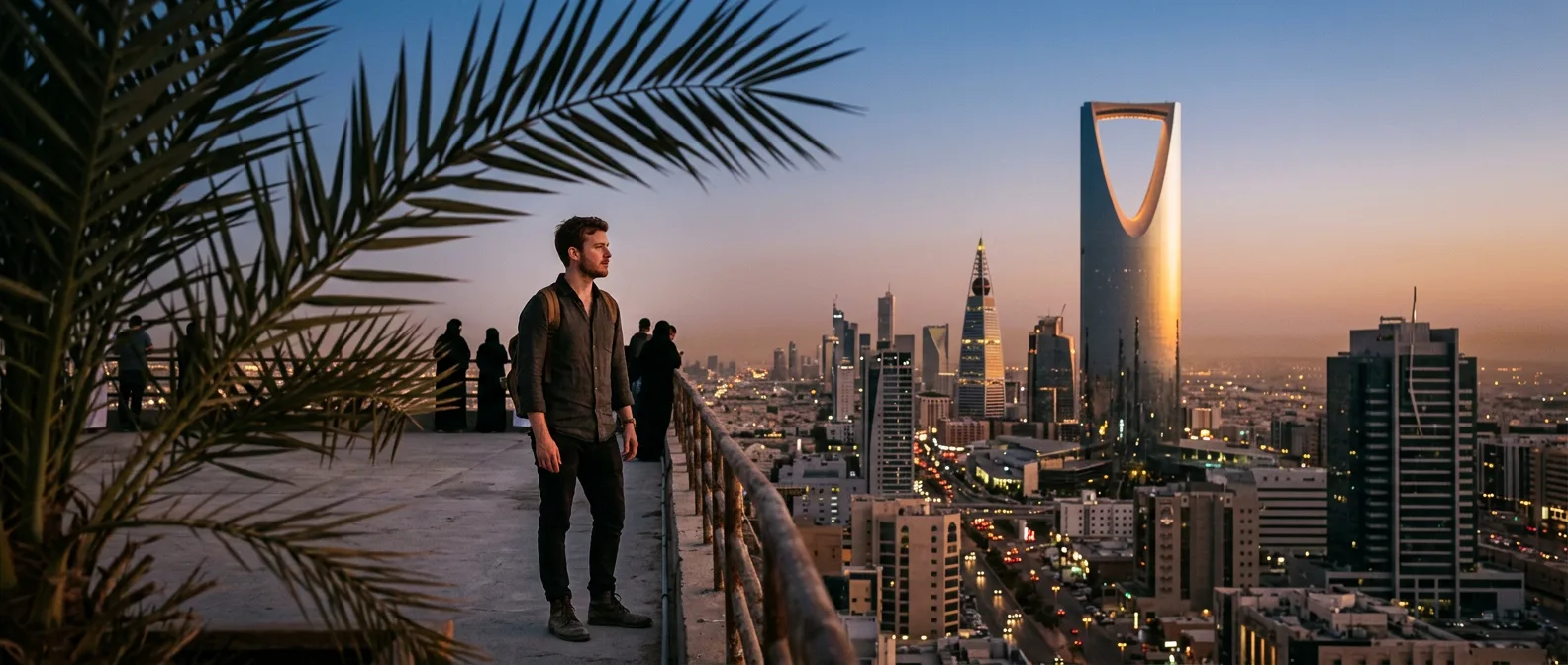
Teach English in Saudi Arabia
Tax-free salary. Free furnished housing. Return flights paid. End-of-contract bonus. Saudi Arabia offers one of the most financially generous TEFL packages in the world — and Vision 2030 is driving unprecedented demand for qualified English teachers across the Kingdom.
Why Saudi Arabia is one of the world’s best TEFL markets for saving

Saudi Arabia’s TEFL package is structured differently from almost every other market. It is not just that salaries are high — it is that the entire cost structure is eliminated on the employer’s side. Zero income tax means your gross salary is your take-home salary. Free furnished housing removes the single largest expense most teachers face anywhere. Annual return flights are paid. Health insurance is included. End-of-contract completion bonuses are standard at top-tier institutions.
The result: teachers in Saudi Arabia consistently report monthly savings of $1,000–$3,000 — figures that are only matched by South Korea among the major TEFL markets, and exceeded nowhere. For teachers whose goal is to clear student debt, build emergency savings, or fund a longer-term project, Saudi Arabia is one of the most direct routes to that outcome available anywhere in the world.
The honest qualifier: Saudi Arabia rewards teachers who approach it with open eyes. It is a conservative Islamic society with real restrictions — no alcohol, gender-segregated public spaces, strict dress codes in public, and a cultural context that is significantly different from the West. Teachers who research this thoroughly, prepare culturally, and commit to the experience consistently describe it as professionally and personally rewarding. Those who arrive without preparation sometimes find the adjustment difficult.
Vision 2030 and the English teaching boom
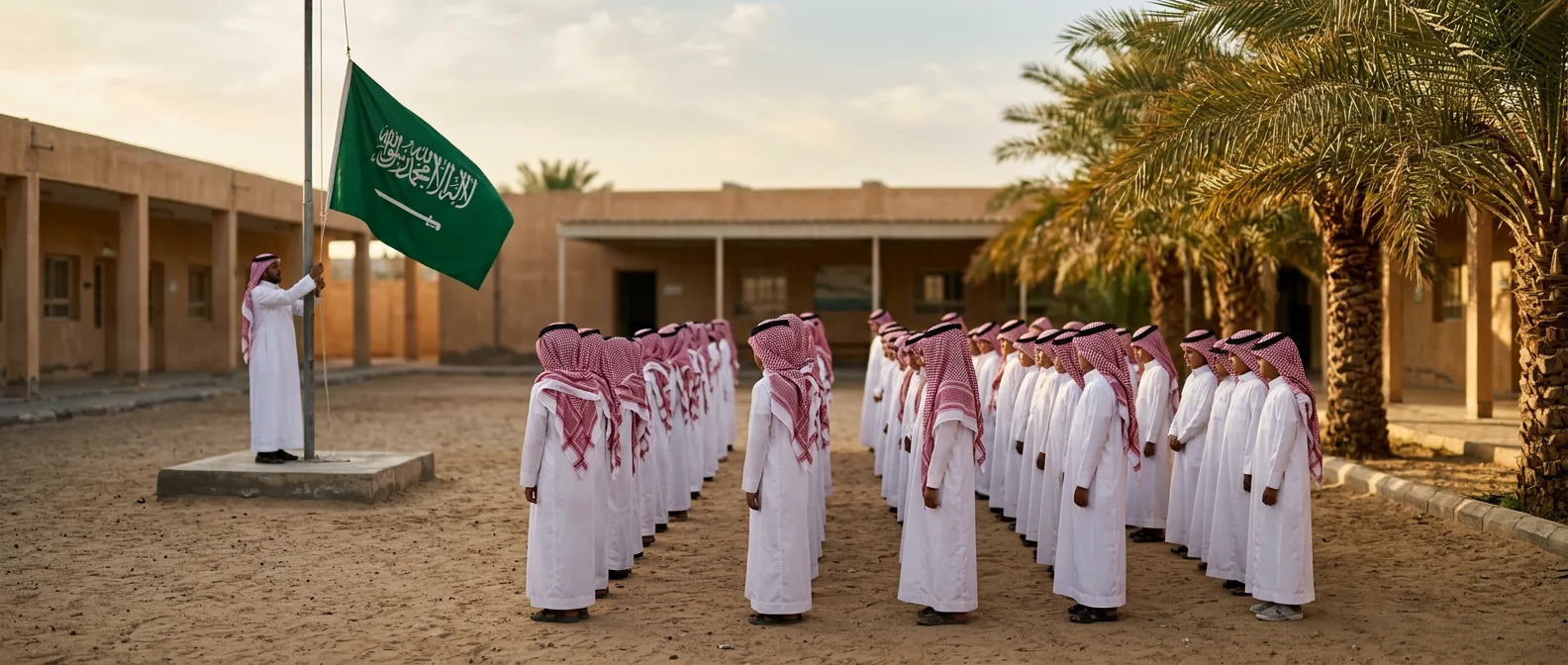
Saudi Arabia’s Vision 2030 — the national development plan announced by Crown Prince Mohammed bin Salman in 2016 — has made English proficiency a strategic national priority. The plan seeks to diversify the Saudi economy away from oil, develop a globally competitive workforce, and position Saudi Arabia as a major destination for international business, tourism, and investment.
English is the language of global business, and Vision 2030 recognises this explicitly. The Ministry of Education has mandated English from primary school. Universities require English proficiency for advancement. The massive infrastructure projects and new economic sectors being developed — NEOM, Red Sea Global, entertainment and tourism — all require English-speaking Saudi professionals. This has created structural, sustained, and growing demand for qualified English teachers at every level of the education system.
For English teachers, this means a market that is not merely large but actively expanding — backed by government policy, sovereign investment, and a national sense of urgency around English acquisition that was not present in previous generations.
Ready to teach English abroad?
Browse TEFL Heaven’s full range of teacher placement programs — from Southeast Asia to Europe and Latin America.
Saudi Arabia’s English teaching job market
Private language schools
The largest segment for entry-level and TEFL-certified teachers. Private language institutes operate in every major Saudi city, serving adults and professionals seeking English for work or academic advancement. Salaries: SAR 8,000–12,000/month (~$2,100–$3,200). Most accessible route for teachers without a formal teaching licence. Year-round hiring with peaks in August/September.
International schools
Premium employers with the strongest benefit packages. Riyadh and Jeddah have significant international school sectors — American International School Riyadh, British International School Riyadh, and dozens of others. Require formal teaching qualification (PGCE, state teaching licence) plus 2+ years’ experience. Salaries: SAR 12,000–20,000+/month (~$3,200–$5,300+). Most also include dependent schooling allowances for teachers with families.
Universities
Saudi Arabia’s university sector is large and actively hiring. King Abdulaziz University (Jeddah), King Saud University (Riyadh), King Fahd University of Petroleum and Minerals (Dhahran), and many newer institutions all employ foreign English instructors. Require bachelor’s minimum; many prefer Master’s. Competitive salaries with strong benefits. Prestigious appointments.
Government / public schools
The Saudi Ministry of Education runs national English teaching programmes placing foreign teachers in public schools. Good salary and benefits; more bureaucratic process. Teaching hours approximately 20–25/week. Structured academic year (September–June). A stable, well-supported option with clear career development.
Corporate / Business English
Saudi Arabia’s Vision 2030 transformation is creating significant demand for corporate English training. Oil companies (Saudi Aramco), banks, government entities, and the new private sector all employ English trainers. Premium rates. Usually arranged through language institutes rather than direct hire. Premium qualification expected.
Vocational training colleges
The Technical and Vocational Training Corporation (TVTC) runs a large network of colleges across Saudi Arabia. These provide English instruction to students in technical and vocational programmes. Structured employment with government backing, regular academic year, and clear contract terms. Accessible for qualified teachers.
What English teachers earn in Saudi Arabia
Saudi Arabia’s salary data requires a different frame than most markets: because all income is tax-free and the full benefits package (housing, flights, health insurance) eliminates major expenses, the “real” value of a Saudi salary is significantly higher than its nominal USD equivalent suggests.
| Position type | Monthly salary | USD equivalent |
|---|---|---|
| Private language school (entry) | SAR 8,000–12,000 | ~$2,100–$3,200 |
| Private language school (experienced) | SAR 12,000–18,000 | ~$3,200–$4,800 |
| International school (qualified teacher) | SAR 12,000–20,000+ | ~$3,200–$5,300+ |
| University (instructor) | SAR 10,000–18,000 | ~$2,700–$4,800 |
| University (senior/professor) | SAR 18,000–27,000 | ~$4,800–$7,200 |
| Government school | SAR 8,000–14,000 | ~$2,100–$3,700 |
The full package value: A language school teacher on SAR 10,000/month (~$2,670) with free housing (worth ~$600–$800/month), annual return flights (~$800 one way), and health insurance receives a total compensation package worth approximately $4,000–$4,500/month in real terms — all tax-free. Monthly savings of $1,000–$2,000 are typical at this salary level.
Standard benefits included
Monthly savings reality
- Entry-level language school: $700–$1,200/month
- Experienced teacher: $1,500–$2,500/month
- International school qualified: $2,000–$3,500/month
- University senior: $3,000–$5,000+/month
Note: Savings depend heavily on lifestyle spending. Alcohol is unavailable; entertainment options are more limited than the West, which many teachers find actually increases savings.
Requirements to teach English in Saudi Arabia
Saudi Arabia requires a bachelor's degree and typically a TEFL certificate for English teaching positions. Visa sponsorship is provided by the employer. The Kingdom's investment in English education under Vision 2030 has created strong demand for qualified teachers.

Bachelor’s degree
A bachelor’s degree in any field is the minimum requirement for all Saudi teaching positions and a legal requirement for the work visa. A Master’s degree is required or preferred for university positions. International schools strongly prefer education degrees or relevant subject degrees in addition to teaching qualifications.
TEFL certificate
A 120-hour accredited TEFL or TESOL certificate is required for language school positions and strongly preferred everywhere else. CELTA is the gold standard and commands a salary premium. Teaching licence (PGCE, state teaching certificate) is required for international schools and increasingly preferred at universities.
Native English speaker
Saudi schools and visa regulations strongly require native English speakers. Eligible nationalities: USA, UK, Canada, Australia, New Zealand, Ireland, and South Africa. These are the nationalities that can obtain the appropriate work visa. Teachers must hold valid passports from one of these countries.
Clean criminal record
A criminal background check is required for the work visa. Saudi Arabia takes this seriously. Any criminal conviction may disqualify a candidate. The check must typically be apostilled or officially authenticated for use in Saudi Arabia.
Medical clearance
A medical examination is required — typically including HIV test, general health assessment, and drug screening. This is done in Saudi Arabia after arrival as part of the Iqama (residency permit) process. HIV-positive individuals are not permitted work visas in Saudi Arabia.
Age consideration
Many Saudi employers prefer candidates under 55 years of age. This is not a strict legal limit but a common hiring guideline at language schools and many private schools. International schools and universities are generally more flexible on this point.
The work visa and Iqama process
Saudi Arabia’s visa system for teachers is employer-driven — you cannot arrive and look for work, then obtain a visa. You must secure a job offer first, then your employer initiates the work visa process on your behalf. This is fundamentally different from Europe’s student visa routes or South Korea’s E2 process: in Saudi Arabia, your employer does most of the administrative heavy lifting.
Secure a job offer and sign a contract
Almost all Saudi teaching positions are secured remotely before arrival. Apply through specialist Middle East teacher recruiters, school websites, or TEFL job boards. Interviews are conducted by video. Once you have a signed contract, your employer initiates the visa process through Saudi government platforms (Qiwa and Muqeem). You cannot obtain a Saudi work visa independently.
Employer obtains work visa approval and you prepare documents
Your employer applies through the Saudi Ministry of Human Resources (HRSD) on the Qiwa platform. You will need to submit: apostilled/authenticated degree · authenticated TEFL certificate · apostilled criminal background check · medical clearance forms · passport copy · passport photos. Your employer will advise on the exact documentation required — requirements vary slightly by school type and nationality. Allow 4–8 weeks for this stage.
Receive visa and travel to Saudi Arabia
Once approved, you receive a Visa Authorisation Number. You apply for the physical visa sticker at the Saudi consulate or embassy in your home country. Entry visas are typically processed within 1–2 weeks. Saudi Arabia’s working week is Sunday–Thursday with Friday and Saturday off — plan your arrival accordingly.
Complete Iqama process on arrival
Within 90 days of arrival, you must complete your Iqama (residency permit) application. This involves: medical examination at an approved Saudi medical centre · biometrics registration · employer submission through Muqeem. Your employer handles the submission. The Iqama is your official Saudi ID — required for banking, driving, accessing government services, and re-entering the country. Processing typically takes 1–3 weeks with complete documentation.
Your employer pays visa fees. Under Saudi labour law, the employer is responsible for the costs of the Iqama application and renewal. Confirm this is written into your contract before signing. As of 2025, Saudi work permits follow a skill-based classification system — your employer will classify your role accordingly as part of the application.
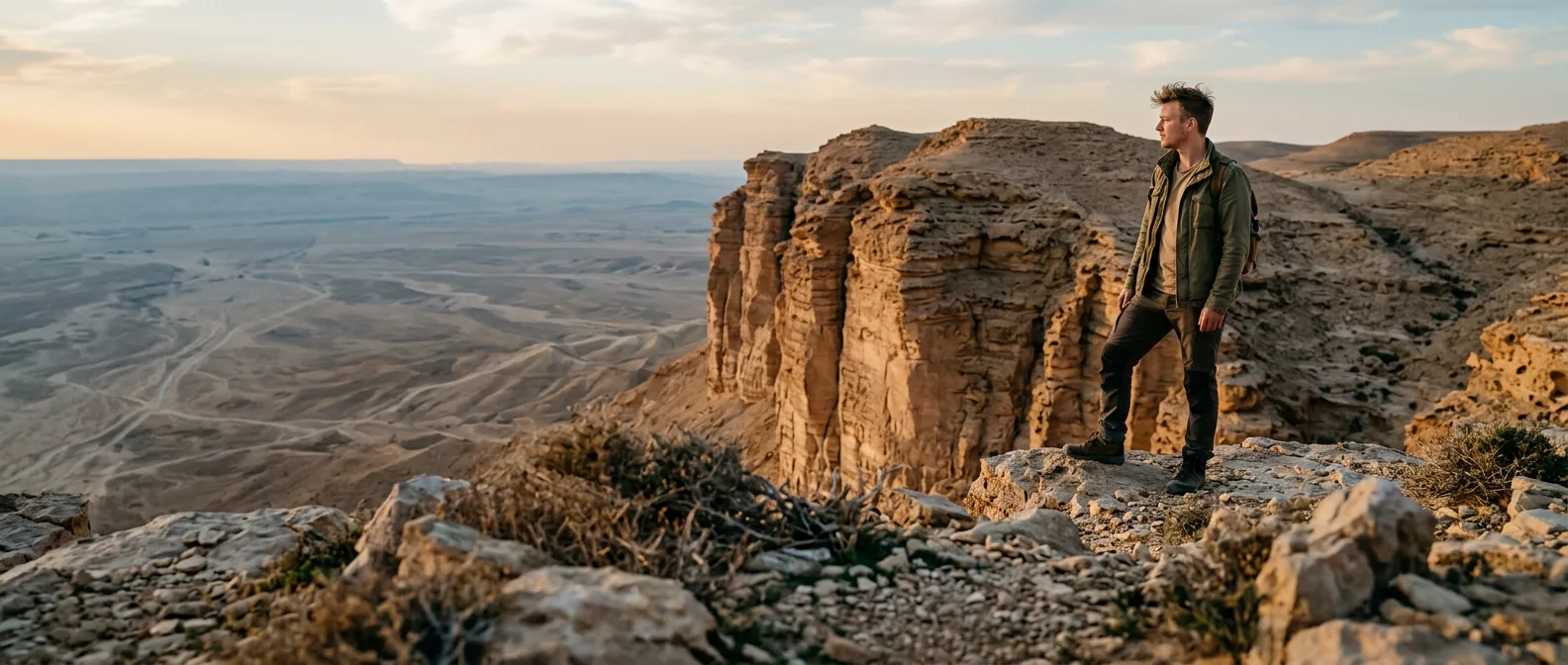
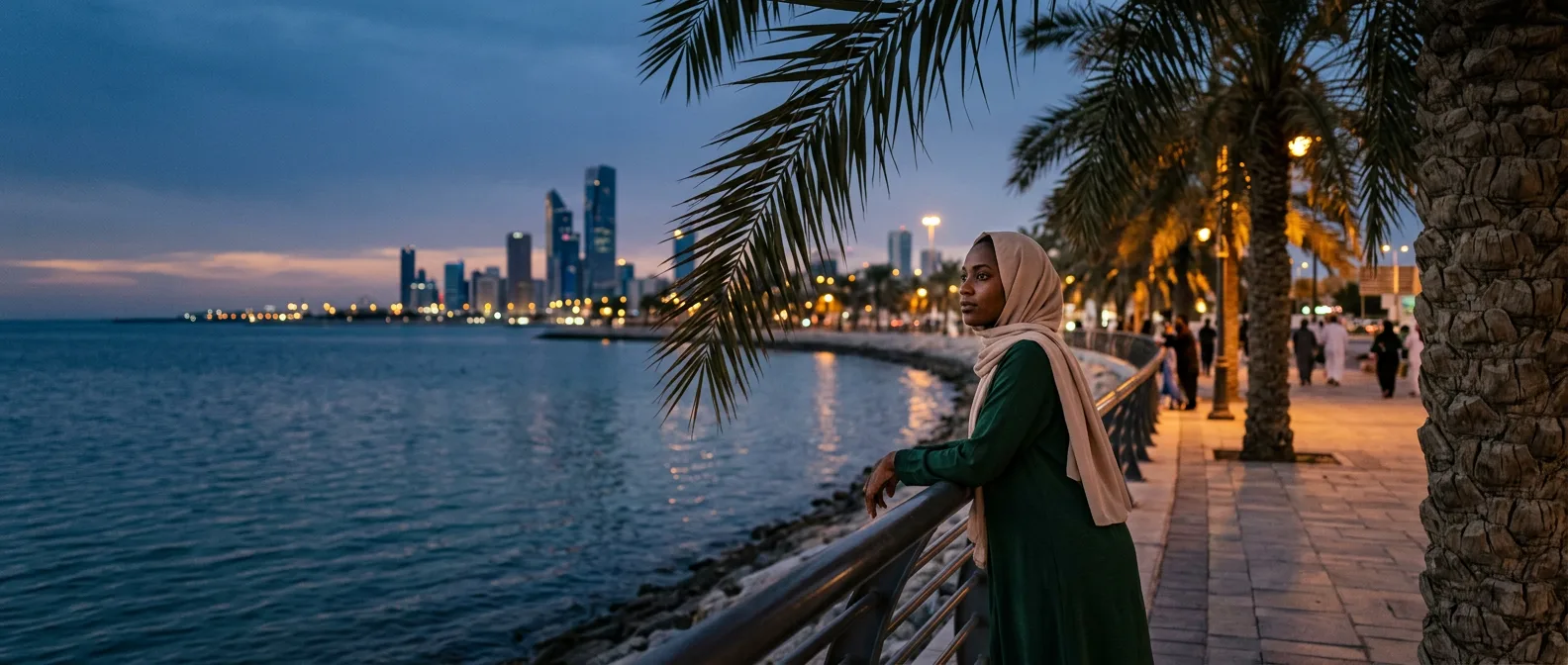
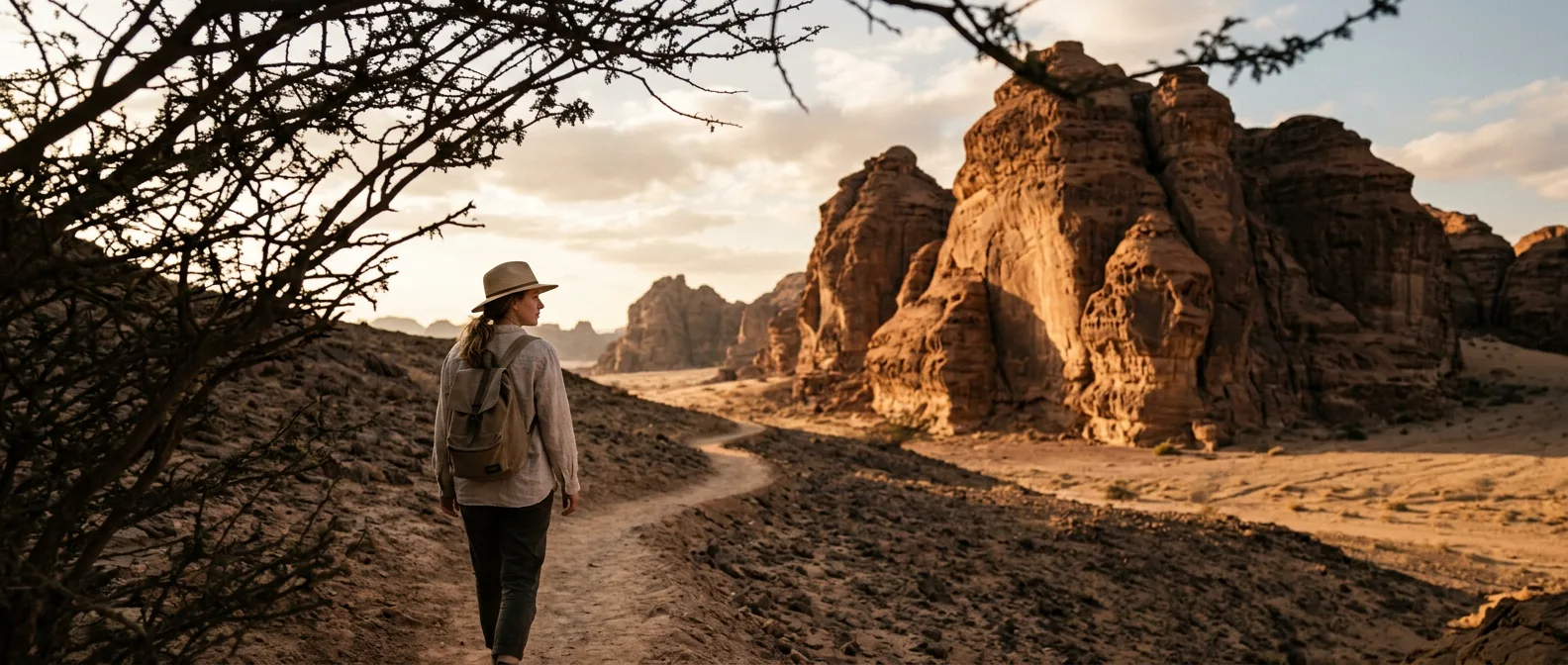
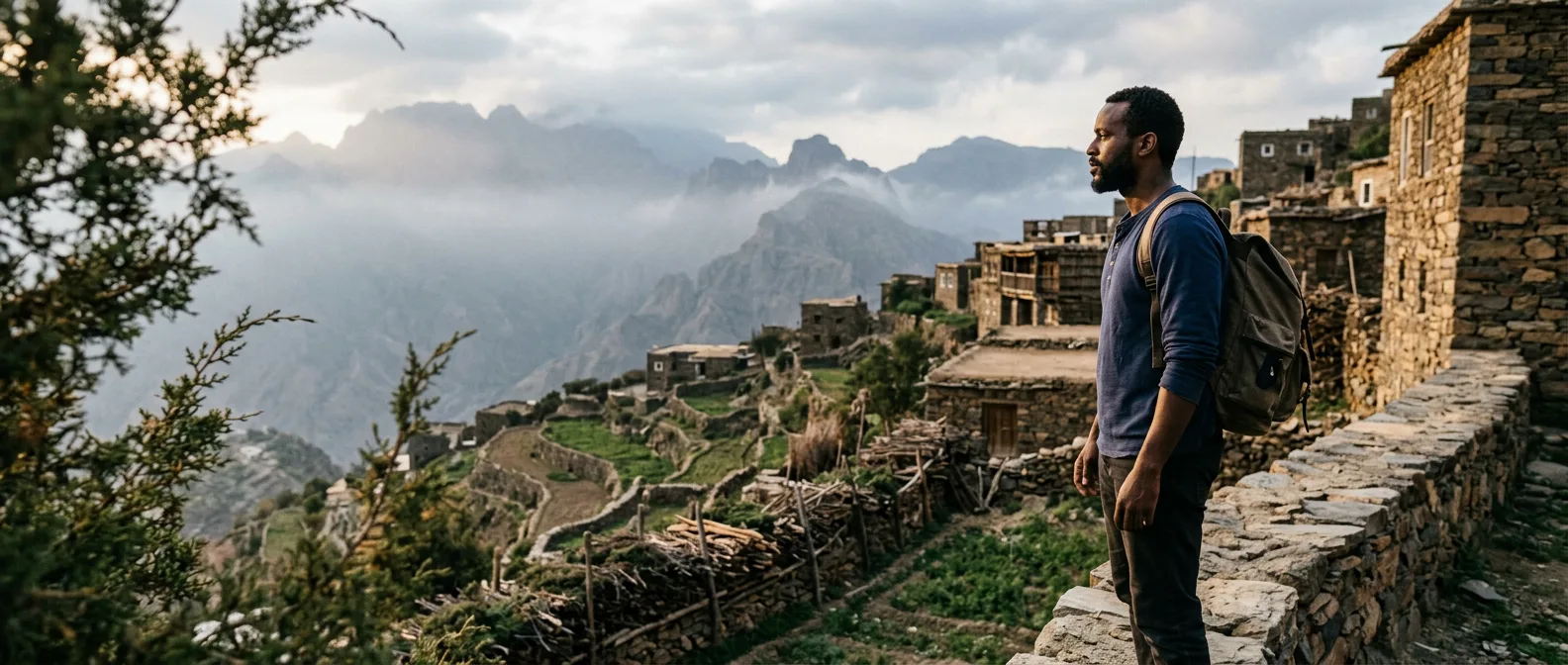
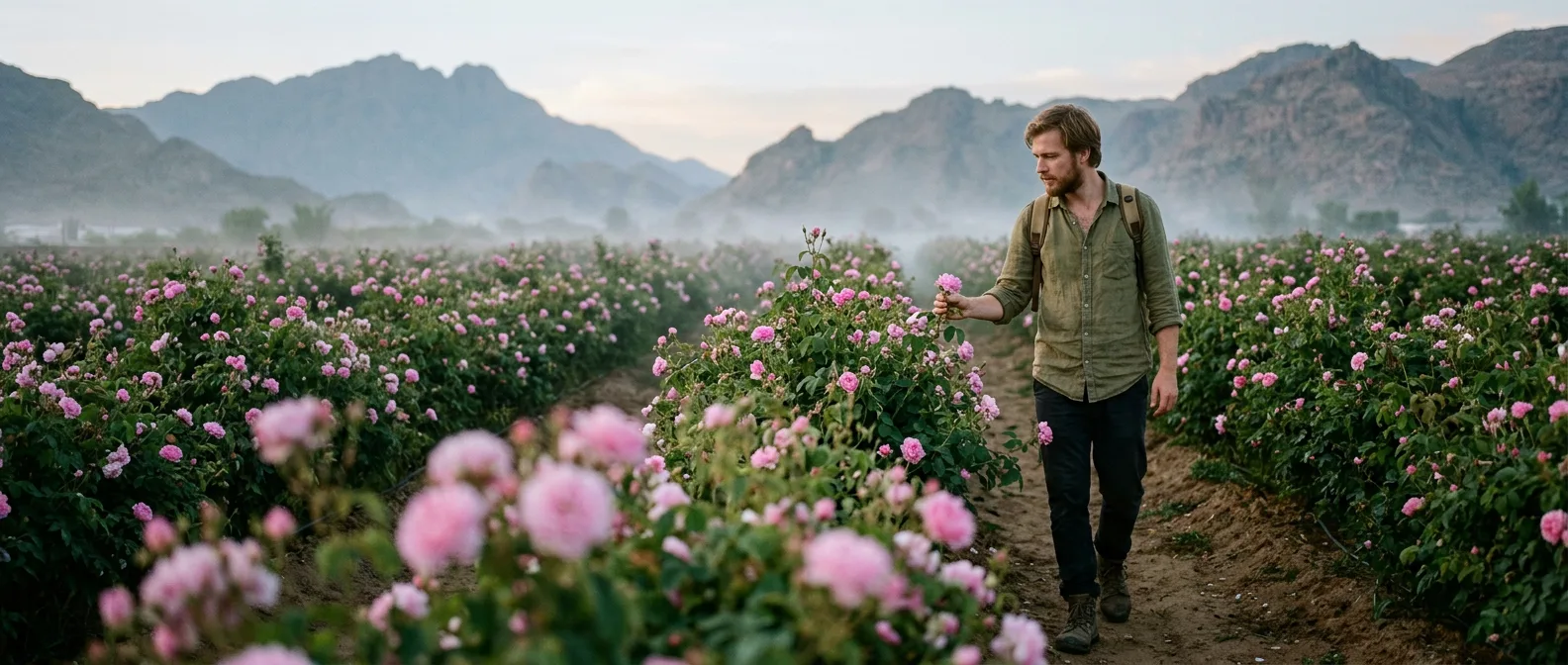
Best cities for English teachers in Saudi Arabia
Three school types in Saudi Arabia
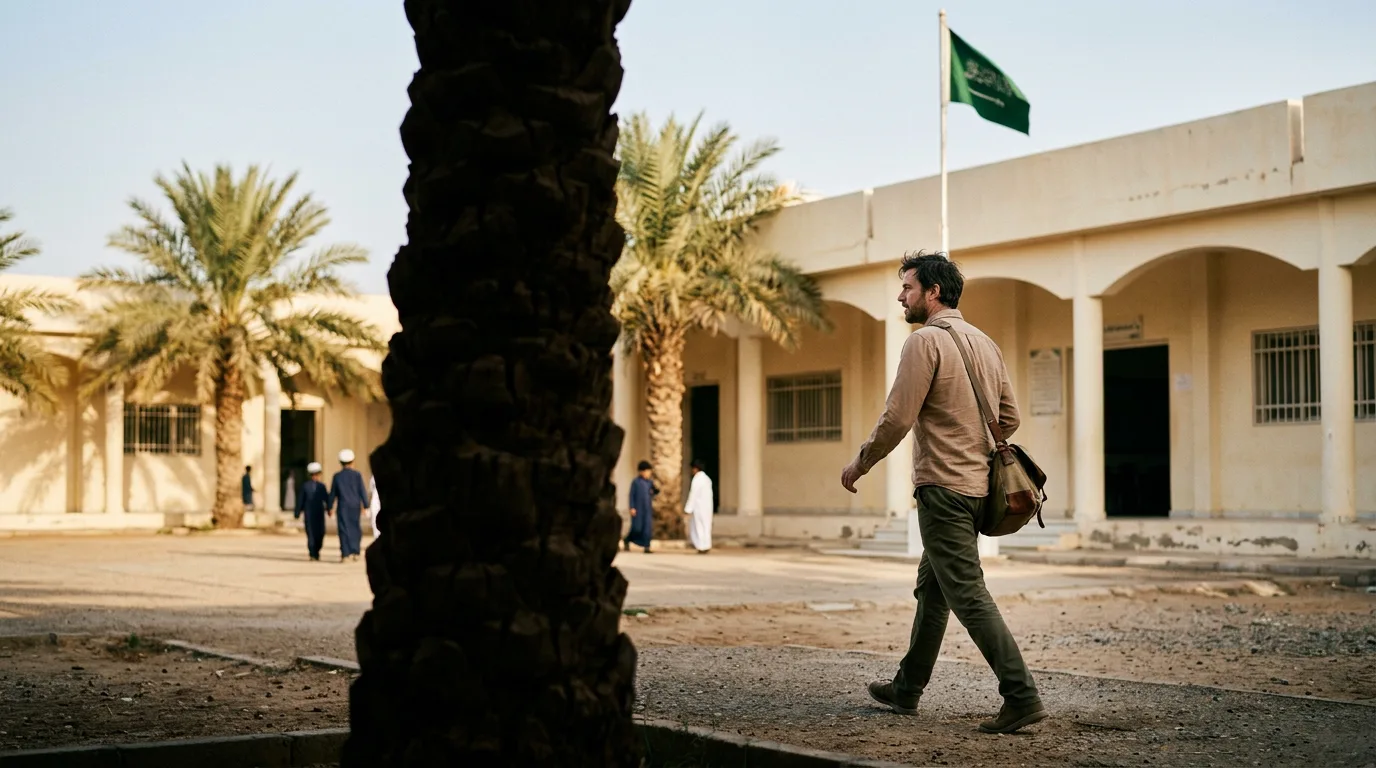
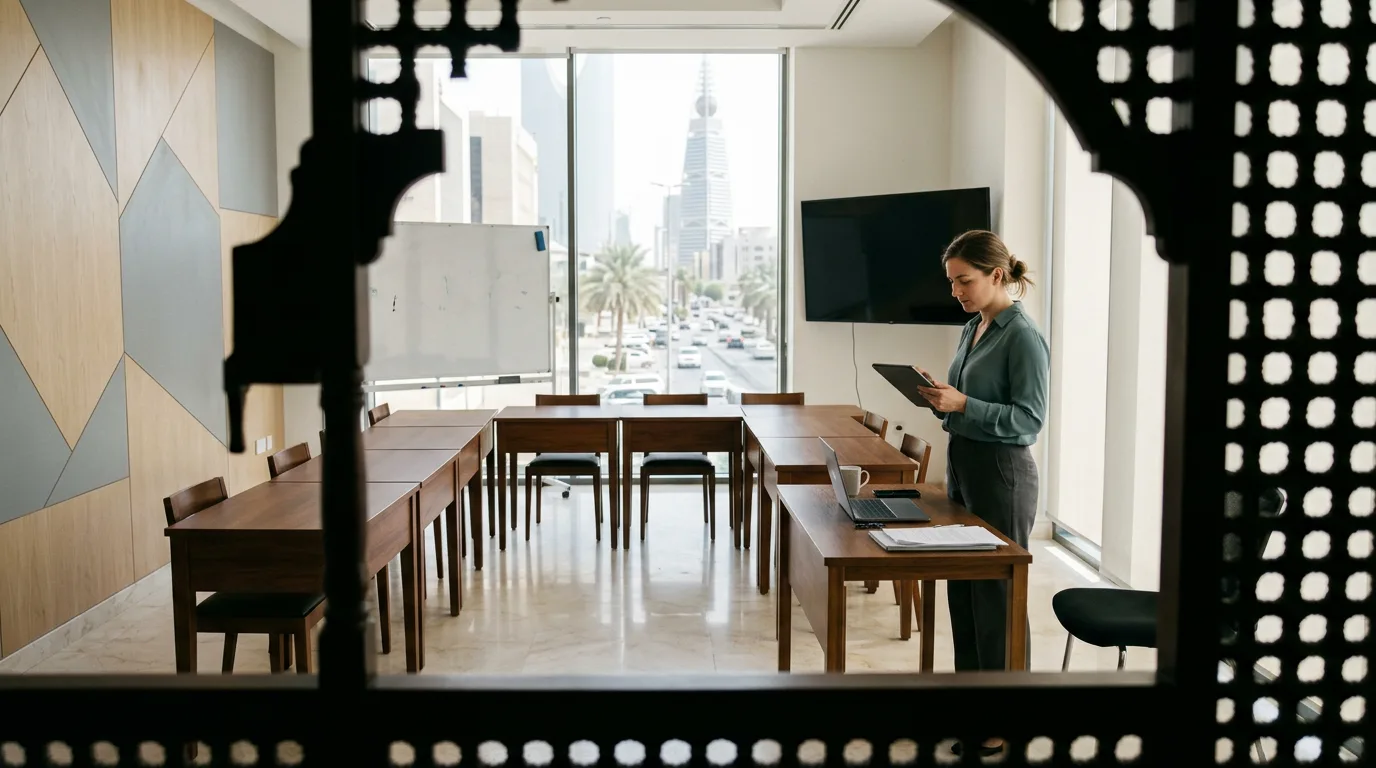
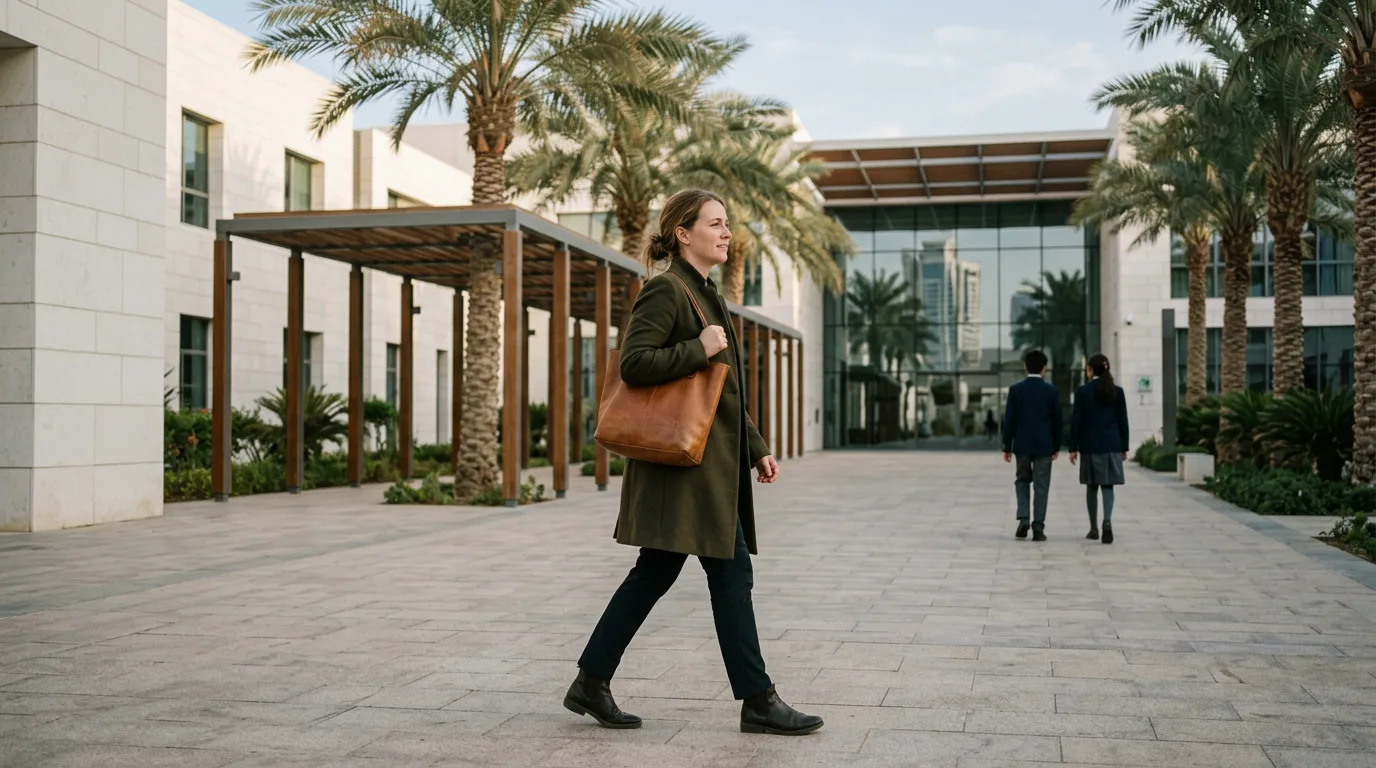
What teaching in Saudi Arabia actually feels like
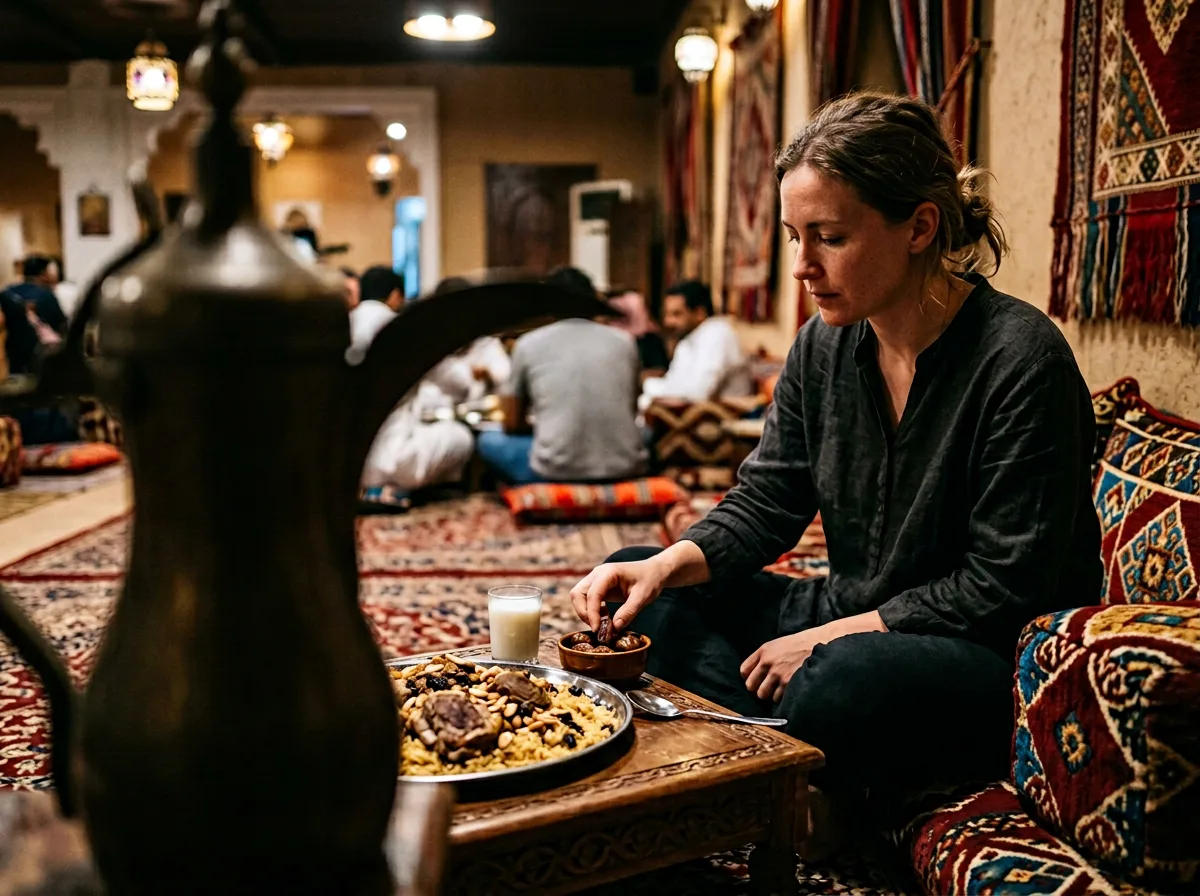


Culture, life, and what Saudi Arabia is actually like in 2026
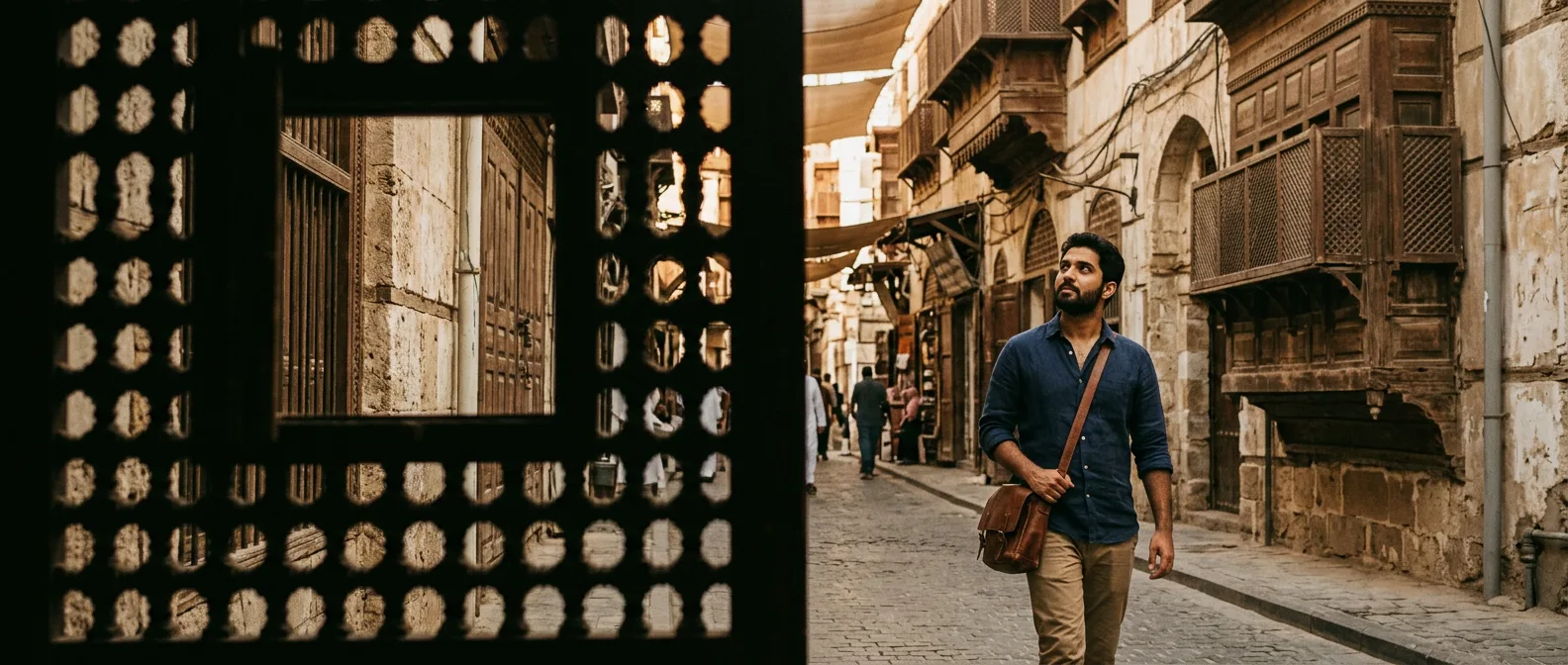
Saudi Arabia has changed more in the last decade than in the preceding fifty years. Vision 2030 has driven genuine social transformation: women now drive, cinemas are open, public entertainment venues have expanded dramatically, and the dress code for women (including foreign women) has been significantly relaxed from the mandatory abaya requirement. The Saudi Arabia of 2026 is materially different from descriptions written even five years ago.
What has not changed: Islam is the foundation of Saudi society and law. Alcohol is strictly prohibited — not just restricted, illegal. Public spaces maintain gender norms. Dress remains modest in public. Friday is the Sabbath. Prayer times structure the day. These are not superficial features — they define the rhythm of daily life. Teachers who approach these as curiosities to engage with rather than obstacles to navigate describe deeply rewarding experiences.
The expat compound system provides a significant quality-of-life buffer. Most teachers at private schools and international institutions are housed in compounds — gated communities with Western-style amenities, pools, gyms, social spaces, and a significant degree of separation from the social restrictions of the public sphere. This is the established framework that has made Saudi Arabia workable for Western teachers for decades.
Jeddah Season, Riyadh Season, and the entertainment revolution: Vision 2030 has directly funded a massive expansion of public entertainment. Riyadh Season and Jeddah Season are annual festivals offering concerts, comedy shows, sporting events, art exhibitions, and food festivals at scales previously unimaginable in Saudi Arabia. International acts perform in Riyadh and Jeddah regularly. This is a genuine and significant change in the quality of expat life.
FAQ: Teaching English in Saudi Arabia
Can women teach English in Saudi Arabia?
Yes — many women teach English in Saudi Arabia and describe positive experiences. Female teachers typically teach at all-female institutions or in segregated settings. Expat women are not required to wear an abaya (full covering) but are expected to dress modestly in public (covering shoulders and knees). Women can now drive. Compound life provides significant freedom compared to the public sphere. Jeddah is generally considered the most relaxed city for women expats. Teachers should research their specific school’s arrangements, gender separation policies, and compound accommodation before accepting.
Is Saudi Arabia safe for foreign teachers?
Saudi Arabia has one of the lowest violent crime rates in the world. Most teachers describe feeling very safe day-to-day. The primary risks are the same as in any large urban environment — traffic accidents, petty theft. The political and security situation is monitored by home-country government travel advisories — check these before applying and keep them updated during your contract.
How is Saudi Arabia different from the UAE as a TEFL destination?
Saudi Arabia pays more and saves more. The UAE is more socially open — alcohol is legal, dress norms are more Western, and the expat lifestyle is closer to European or American norms. Saudi Arabia’s conservatism means fewer ways to spend money, which paradoxically makes it a better savings destination. Saudi Arabia also has more positions available and is less competitive to enter than Dubai’s premium market. Teachers who have done both often describe Saudi Arabia as the better financial choice and the UAE as the easier cultural adjustment.
Do I need to speak Arabic?
No — Arabic is not required for English teaching positions. Teaching is conducted in English. Most language schools, international schools, and university departments have English-language administration. However, basic Arabic for daily life — navigating shops, taxis, and social situations — is enormously useful and well-received by Saudi colleagues and students. Many teachers describe learning basic Arabic as one of the enriching aspects of their Saudi experience.
Ready to teach English abroad?
Saudi Arabia is one of the world’s most financially rewarding TEFL destinations. TEFL Heaven places teachers across Southeast Asia, Europe, and Latin America — browse our full program range to find your best fit.
TEFL Heaven · Placing teachers abroad since 2007 · 3,000+ teachers placed worldwide