
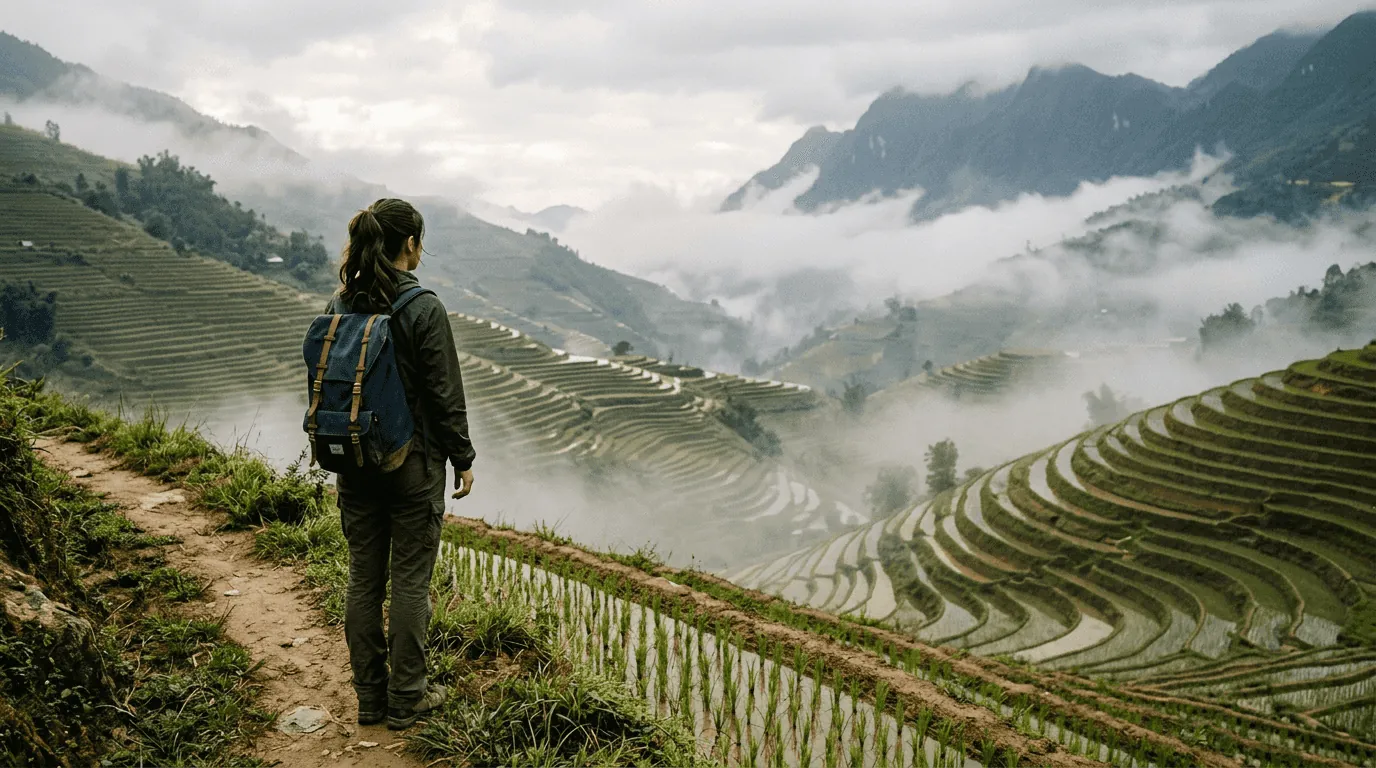
Teach English in Vietnam
Big-city Asia at a fraction of the cost. Earn $1,400–$1,600/month in Hanoi or Ho Chi Minh, with a guaranteed paid placement at the end of your course. 3,000+ teachers placed since 2007.
Still researching? Read the Vietnam country guide →
Change your life — and others' — through teaching abroad.
Bring meaning and fulfilment by developing your leadership, teaching, and organisation skills. Let others be grateful for your contribution, while you grow in ways you never expected.
"Vietnam quietly became one of our best programs. Teachers go for the savings — they stay because Hanoi or Saigon are two of the most alive cities you'll ever live in.
The teaching is structured. The kids are sharp. The cost of living means $1,500/month feels like $3,000 anywhere else. And language centres pay properly because they know good teachers leave fast otherwise.
If you want big-city Asia with real savings on top, this is the one."

What's included in the Vietnam program
Everything you need to land safely in a paid teaching role in Hanoi or Ho Chi Minh.
120-hour accredited TESOL course
Held at our Thailand training centre, then you transfer to Vietnam for orientation and placement. Internationally recognised.
$1,400–$1,600 / month + savings of $300–$800
Vietnam pays well for a teaching market with this cost of living. Most teachers save aggressively while still travelling weekends.
Business or Tourist visa + work permit conversion
If you're pre-placed, your school does the paperwork — no visa run. If not, we walk you through the visa run process.
Hanoi or Ho Chi Minh placement
About 90% of placements are in HCM or Hanoi. Some go to Binh Duong, Bien Hoa, Hai Phong. You tell us your preference.
Week by week, what your TESOL course looks like
Mapped out so you know exactly what you're walking into.
Vietnam orientation
Cu Chi tunnels, museums, cooking class, welcome dinner, language classes, teaching practicum. You meet your cohort and the country.
Methodology & planning
Modern TEFL methodology, classroom management, grammar from the learner's view. Your first lesson plans and micro-lessons.
Live teaching
Specialist modules in young learners and online teaching. Real classroom hours with feedback in the same session.
Final practice + placement
Final observed teaching. CV, video and interview prep. Job contacts shared. Graduation and onward to Vietnam if you weren't pre-placed.
Everything we include in your Vietnam program
We handle the friction so you can focus on the work.
Real teachers in Vietnam, real reviews.
 Sara’s video reviewWatch on our reviews page
 Eva · VietnamRead the written story
 Jemina’s video reviewWatch on our reviews page
 Jamie · VietnamRead the written story
 Rachel’s video reviewWatch on our reviews page
 Laura · VietnamRead the written story
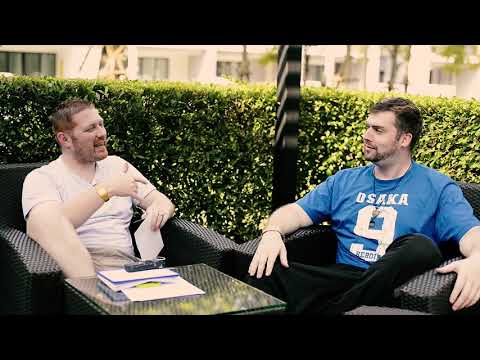 Peter’s video reviewWatch on our reviews page
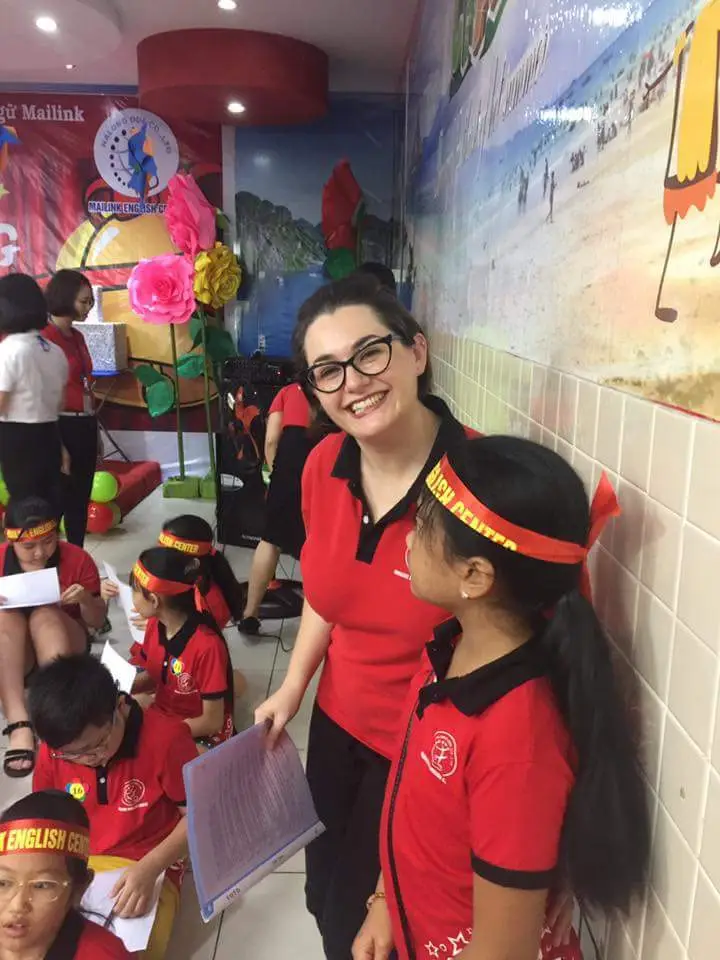 Mary · VietnamRead the written story
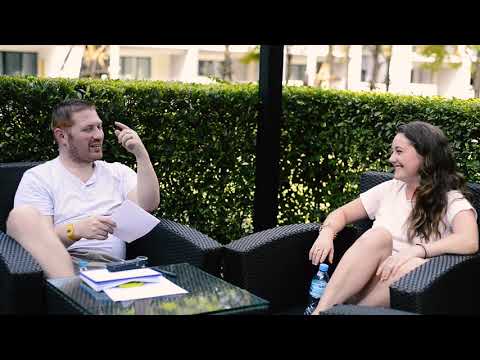 Kaley’s video reviewWatch on our reviews page
 Sophie · VietnamRead the written story
 Emily’s video reviewWatch on our reviews page
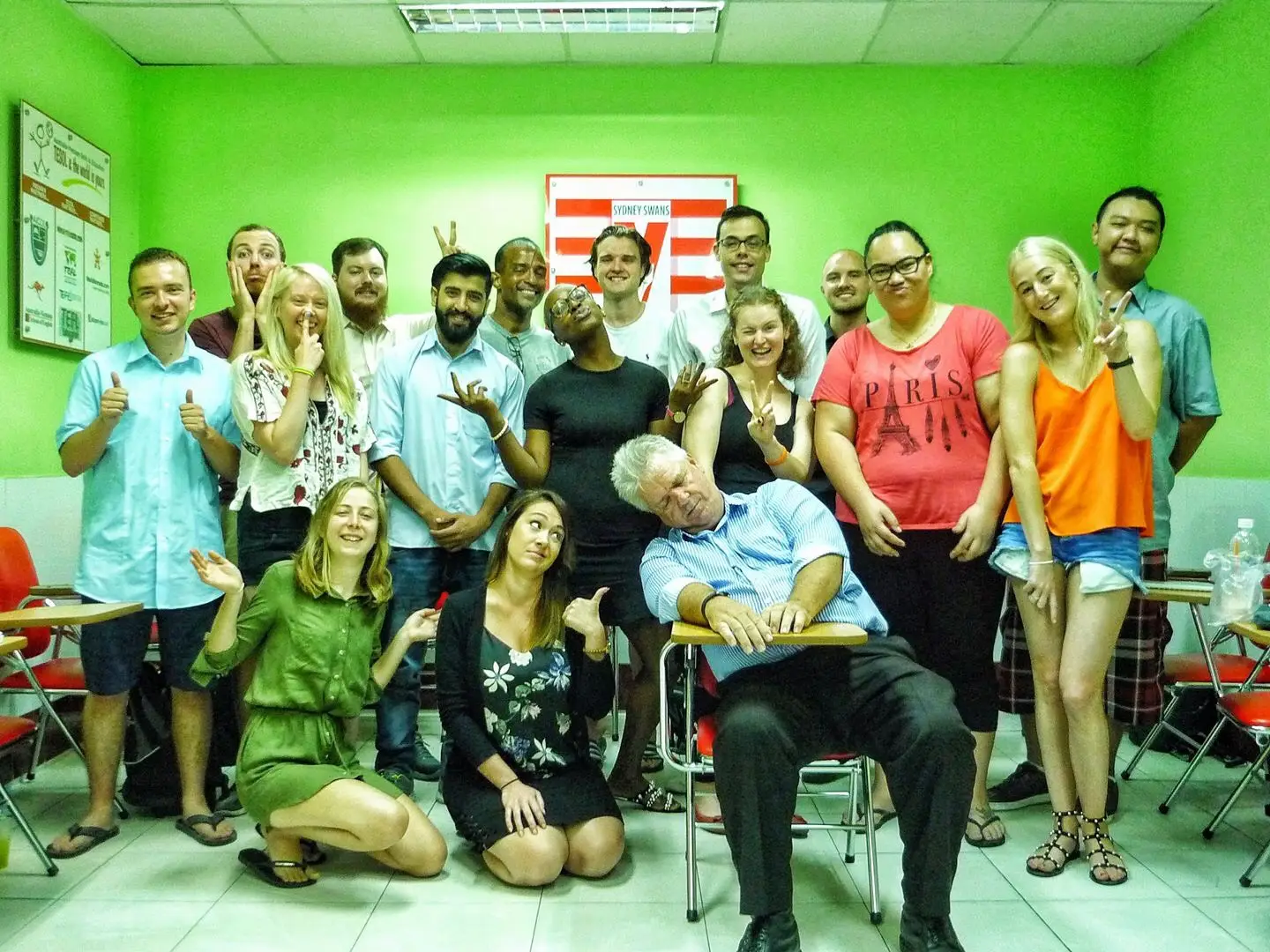 Zac · VietnamRead the written story
 Michelle’s video reviewWatch on our reviews page
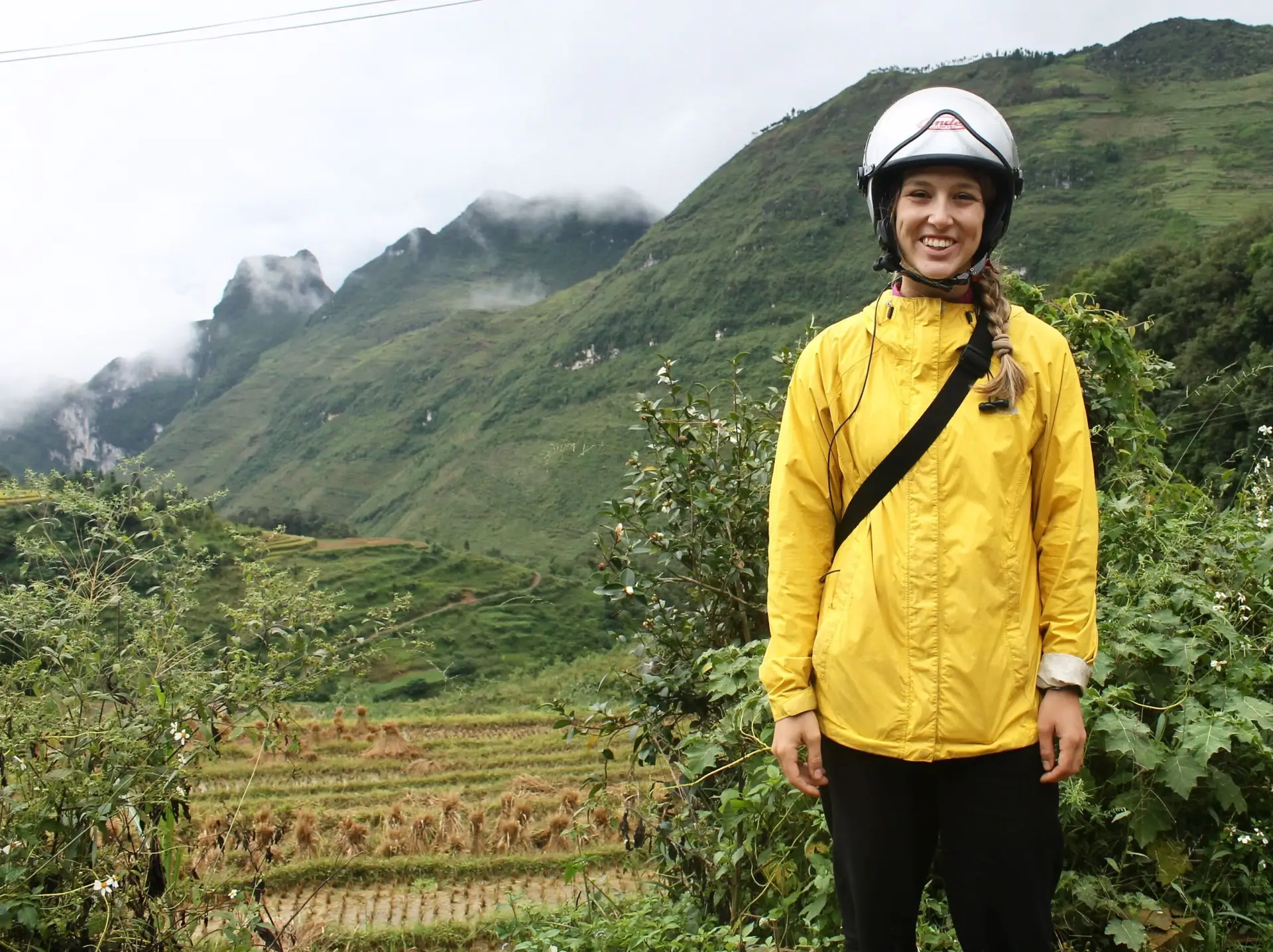 Ashley · VietnamRead the written story
 Christina’s video reviewWatch on our reviews page
 John · ThailandRead the written story
100 video reviews and 67 written stories, all on our reviews page.
Sound like your kind of place?
Tell us you're interested and we'll send the full program pack.
Teach abroad. Get paid to create.
You're already going to post photos and stories from your year abroad. Mike will show you how to do it properly — and we'll pay you $200 every time a friend books a program through your personal link. Included free.
A 14-lesson Creator Course
Learn content creation and storytelling properly — our Creator Framework, audience-building, and the viral blueprint. Taught by founder Mike Maitland (Bangkok, since 2007). Included free.
$200 for every booking
Share your personal link with friends, classmates and followers. Every person who books a TEFL Heaven program through it puts $200 USD straight in your pocket — real cash while you teach.
A teacher-creator community
Swap what's landing with the other TEFL Heaven teachers abroad — content ideas, what's working, what flops. Real teachers, not influencers.
This isn't a sales gimmick — it's our way of saying thank you for telling your friends. We've been doing it for our alumni for years; we just made it official.
Why Vietnam
Vietnam is one of Asia's best-paying TEFL markets, and the cost of living means you actually keep most of what you earn. Hanoi has the older, slower charm. Ho Chi Minh is loud, modern, and constantly building. Both cities have huge teacher communities, and demand for English teachers has only grown.
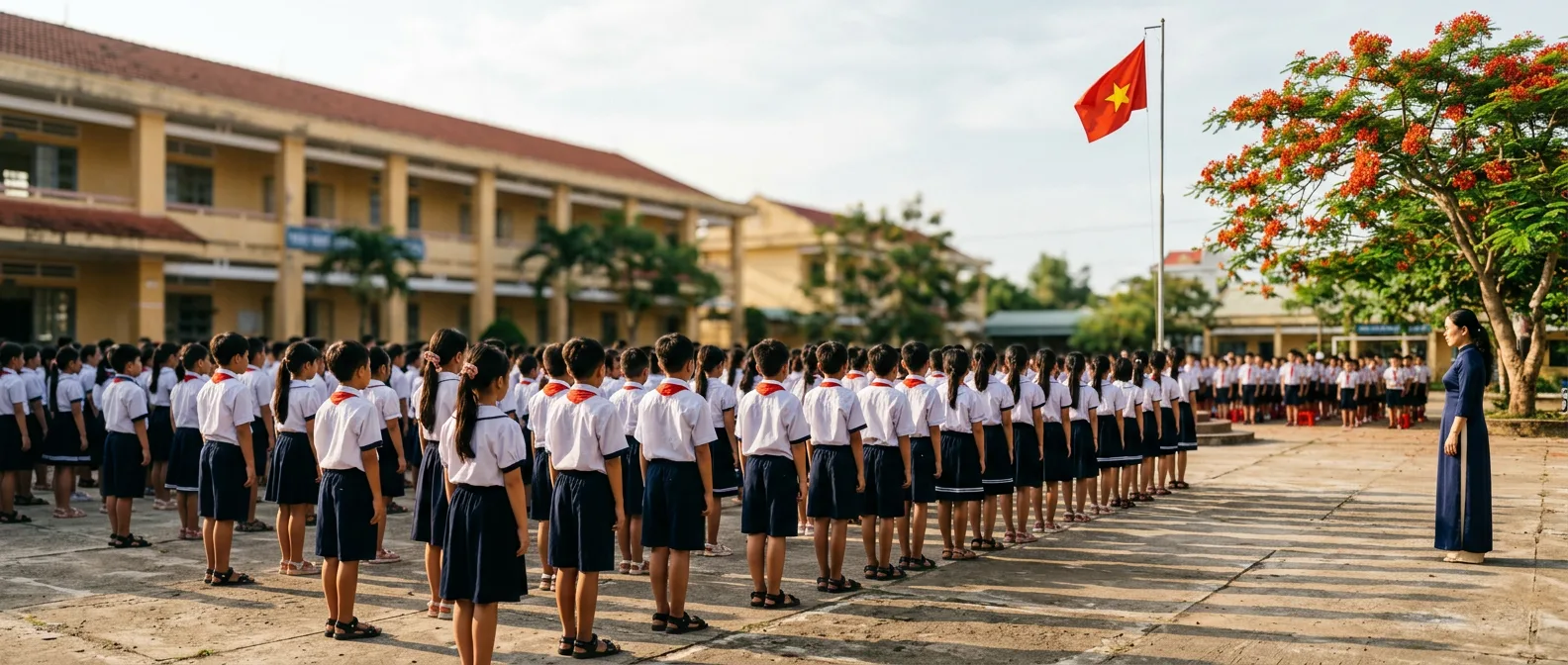
What teaching in Vietnam is really like
Vietnam is split between language centres (private, more flexible hours, better pay) and public schools (steadier hours, smaller pay, longer breaks). About 90% of TEFL Heaven graduates work in language centres in HCM or Hanoi.
Centre hours run 15–25 a week including evenings and weekends. Public school hours are 20–25 Mon–Fri with weekends off. Class sizes are 15 students at language centres vs 40–50 at public schools — a very different teaching experience.
You teach kids ages 4 to 18, English only. Vietnamese students are sharp, hungry, and respectful. The classroom culture is closer to Korea or Japan than Thailand — quieter, more focused.

Cities we place teachers in
About 90% of placements are in HCM or Hanoi. The remaining 10% go to Binh Duong, Bien Hoa or Hai Phong.
 Ho Chi Minh
Loud, modern, constantly building. Best food, biggest expat scene, the most placements. Most teachers' default.
 Hanoi
HanoiOlder, calmer, more cultured. Real Vietnamese coffee, lakes everywhere, four actual seasons. Many teachers extend their first year here.
 Provincial cities
Binh Duong, Bien Hoa, Hai Phong. Smaller cohorts, lower rents, deeper relationships with your students.
This could be you in a few months.
We'll walk you through every step — visa, flights, accommodation, and landing your first teaching job.
What it really costs to live in Vietnam
Honest numbers on what teachers spend and what they save.
Studio in HCM or Hanoi. Outer districts are cheaper; central is closer to where the work is.
Phở and bún chả for breakfast, two-dollar lunches. Vietnamese food is one of the great teaching-abroad perks.
Most teachers buy a small motorbike or use Grab. Cheaper than anywhere else in Asia.
Aggressive savers hit $800+. The cost-of-living-to-salary ratio is genuinely one of the best in Asia.
We tell you this upfront — the ones who plan for it love their first year.
If you're pre-placed before arriving, your school handles the Business Visa paperwork — no visa run. If you're not pre-placed, you arrive on a Tourist Visa, do the orientation/TESOL, then a 10–14 day visa run (about $500) before your work permit converts.
We recommend arriving with around $1,500 USD for the Placement Program, or about $2,000 for the In-class TESOL + Placement combo. That covers rent deposits, transport, and the bridge to your first paycheck.
Avoid February intakes — Tet (Lunar New Year) shuts the country for a week and slows hiring. July or August are best for public school placements (start of school year).
What life is really like as a teacher in Vietnam
Vietnam runs on street life. You eat outside, you drink coffee on tiny plastic stools, you ride a motorbike everywhere. Saigon never stops. Hanoi has lakes, old trees, and a slower rhythm.
Weekends mean Da Nang's beaches, Hoi An's lanterns, Sapa's mountains, Halong Bay — or a $30 flight to Bangkok or Phnom Penh. Most teachers stay longer than they planned. Some never go home.


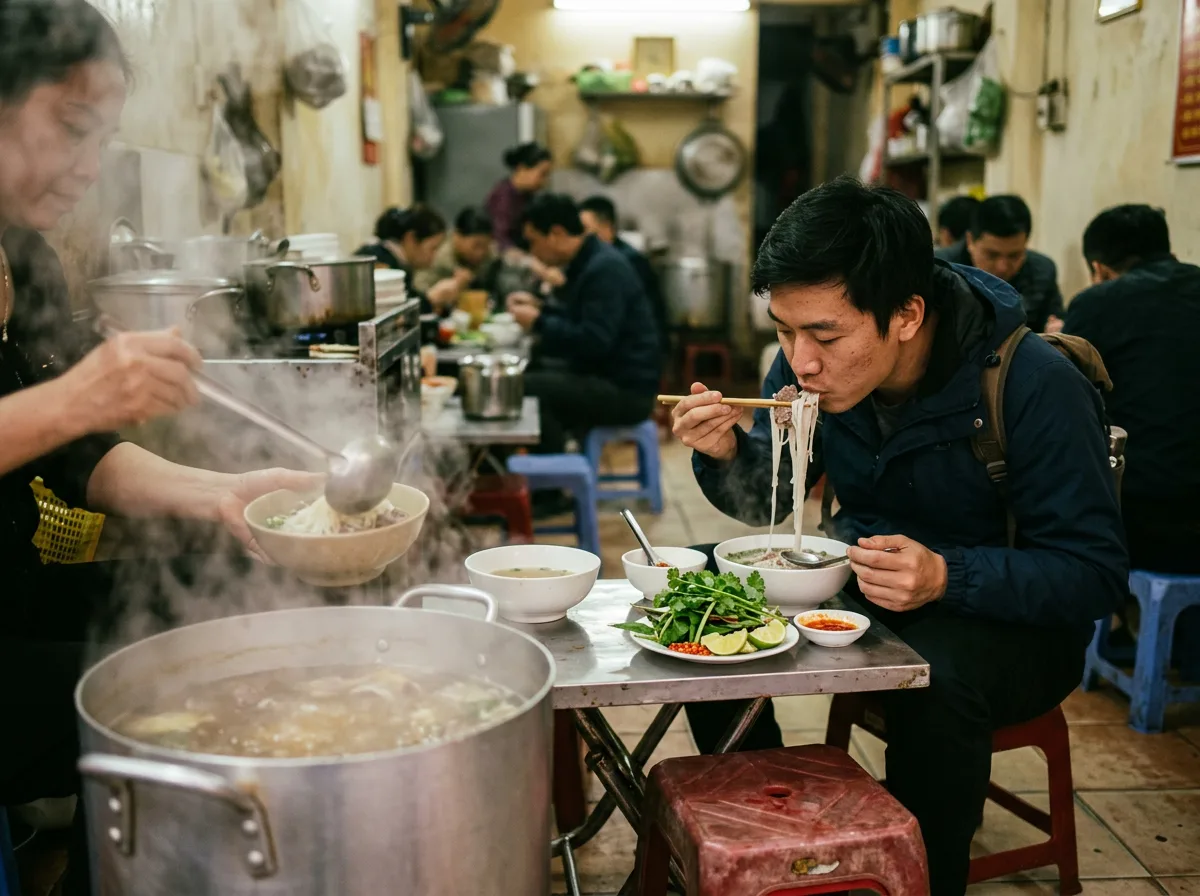
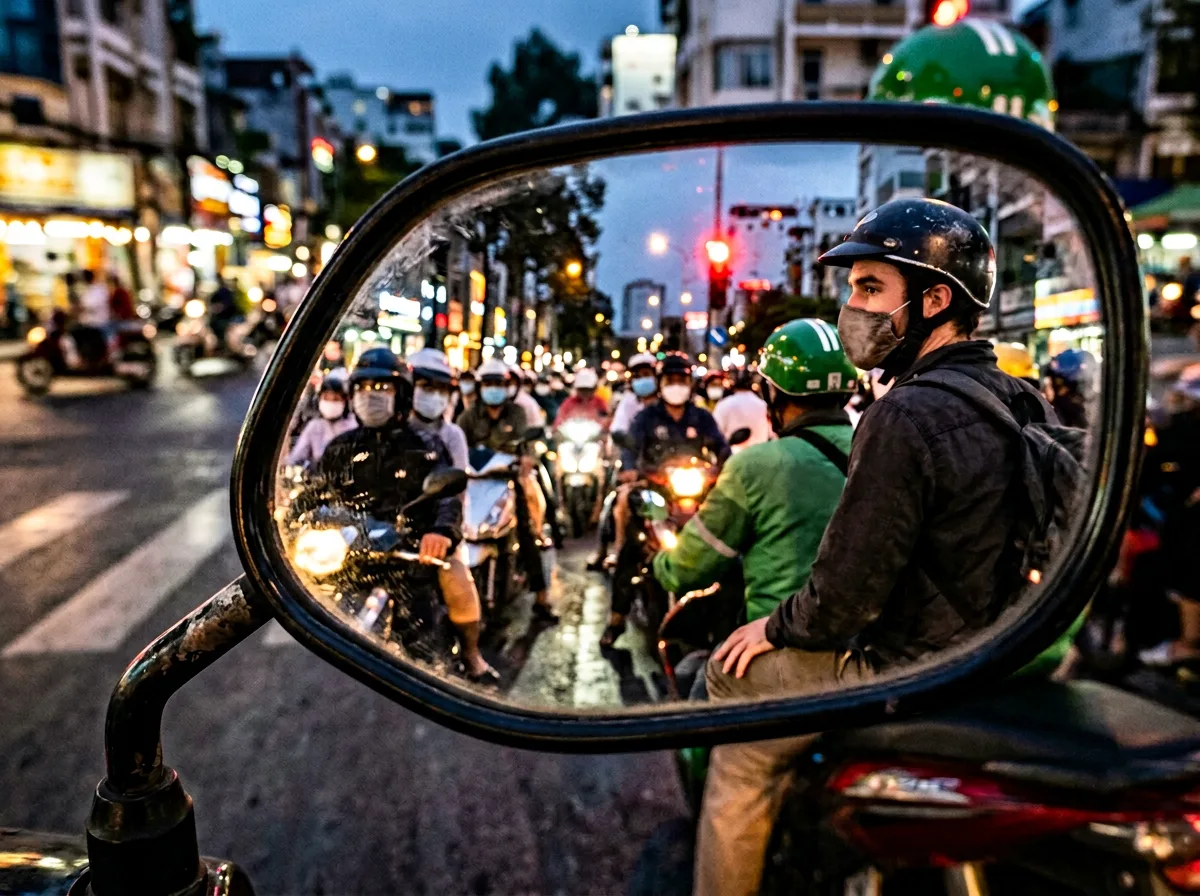

Vietnam is the program for teachers who want to actually save money. The pay is real, the cost of living is low, and the cities are some of the most alive places I've been. If you're choosing between Vietnam and Thailand, ask yourself how much you care about savings — that's the deciding question.
"It's 5:30 on a Wednesday evening. You're on your motorbike weaving through District 1 traffic on the way to the language centre. Your first class is teens — they'll laugh at your three Vietnamese words and teach you new ones. Your last class finishes at 9. By 9:15 you're on a plastic stool eating bún chả with two other graduates from your TESOL cohort. You've been here eight months. You signed for a second year last week."
A Wednesday in month eightTEFL Heaven vs doing it alone
An honest look at your three options for getting into a Vietnamese classroom.
- ✕No accredited TEFL certificate
- ✕No live teaching practice
- ✕Find your own school, navigate visa alone
- ✕No employer contacts
- ✕Arrival in Saigon = on your own
- ✕Support when things go wrong: none
- ~120-hour online cert
- ✕No live teaching practice
- ✕No visa support
- ✕No job guarantee
- ~Forum access / generic advice
- ✕No in-country team
- ✓120-hour accredited TESOL certificate
- ✓Real classroom teaching practice
- ✓Full visa & work permit guidance
- ✓Guaranteed paid placement + lifetime job network
- ✓Airport pickup + cohort community from day one
- ✓17 years of in-country experience behind you
What you get that a standalone Saigon school can't give you
The Vietnam course is run by our in-country partners — vetted by us across 17 years of placing teachers. But you get us behind it: a family-run global network built since 2007, with placements across Czechia, Japan, Spain, Mexico and more.
If Vietnam is your first teaching year but not your last, we've already placed your next move. And if things go sideways — visa hiccups, contract issues, anything — you've got a team you know, not a reception desk.
Teachers who pick Vietnam over Thailand tend to be…
✓ This fits
Savings-focused. Want $1,400–$1,600/month with low rent. Comfortable with big-city heat, motorbike traffic and language centre evening hours. Want a teaching market that's structured, fast-moving, and respectful. Open to either Hanoi or Ho Chi Minh.
✗ Pick a different program
You want public schools and weekends-only schedules (Thailand is friendlier). You want maximum savings (South Korea pays better still). You don't want evenings and weekends in your timetable. You want serious adult learners (Czechia or Japan).
Upcoming start dates
Vietnam orientation runs in-country, with the TESOL component held at our Thailand training centre. Apply ~4 months ahead so we have time for visa, work permit, and pre-placement.
Oct 26, 2026 is the next available intake · apply ~3 months ahead
Avoid February if you can — Tet (Lunar New Year) slows hiring for a fortnight. July/August are best for public school placements.
FAQ
Do I need a degree to teach in Vietnam?
Yes — Vietnam requires a Bachelor's degree (any subject) for the work permit. Native English proficiency is also required as a placement-relevant teaching skill. We'll review individual situations honestly. You'll also need to be aged 21–55 (56–59 case by case) and pass a health check — some medical conditions can affect eligibility, so tell us early and we'll check for free.
Language centre vs public school — what's the difference?
Language centres pay better ($1,400–$1,600/mo), have smaller classes (~15 students), include evening and weekend hours, and offer 2–4 weeks paid leave. Public schools pay slightly less, run Mon–Fri, have larger classes (40–50), and give you the long summer break (June–August, unpaid). About 90% of our graduates choose centres.
How much will I save?
$300–$800/month realistically. Vietnam's cost-to-salary ratio is one of the best in Asia. Tax is 5–20% depending on whether you spend over 183 days in country (the higher figure is the flat rate for shorter stays).
How much money should I bring for the first month?
About $1,500 USD for the Placement Program, or $2,000 if you're doing the In-class TESOL + Placement combo. Covers rent deposits, the visa run if needed, and the bridge to your first paycheck.
How does the visa work?
Pre-placed teachers get a Business Visa via their school — no visa run needed. Non-pre-placed teachers arrive on a Tourist Visa, do orientation/TESOL, then a 10–14 day visa run (about $500). Once working, your visa converts to a work permit.
Where do I live during and after the course?
TESOL course housing in Thailand is $250 shared / $425 private per month. Orientation week in Vietnam is $40 shared / $20 a night private. After placement, expect $200–$500/month rent, with first month + 1 month deposit upfront. We help you find your long-term place.
Can I bring a partner or pet?
No partners or kids on this program. Pets are technically possible but strongly discouraged — Vietnam's import rules are slow and expensive.
What about non-native English speakers?
European applicants with C1 English may apply (intro video required at signup). Native English proficiency is the placement-relevant skill; we'll assess your fit honestly within a day.
Can I teach in Hanoi specifically?
Yes — placements split roughly 50/50 between Hanoi and HCM. Tell us your preference at signup. If you don't mind either, we have more flexibility on cohort dates and school options.
What's not included?
Flights, medical insurance (must show coverage on arrival), visa fees, daily living costs, and long-term housing (we help you find it). We'll send you a full itemised breakdown when you enquire.
The Vietnam Full Program Pack
When you enquire, we'll send you the full Vietnam program pack — start dates, what's included, arrival logistics, visa checklist, monthly salary + cost breakdown, and a sample week in the classroom. Sent straight to your inbox.
Send me the Vietnam details →
Andy handles Vietnam enquiries
Andy replies within 24 hours — usually same day. He's helped place hundreds of teachers in Vietnam, and will give you the straight answer on whether Hanoi or HCM fits you.
Let's get you teaching in Vietnam.
We'll walk you through the next steps — start date, visa prep, flights, and everything else. Takes about 10 minutes.
Included free: Mike's Creator Course + $200 every time a friend books
No pressure, no commitment — we'll just answer your questions.
— Mike Maitland, Bangkok