
Teach English in Costa Rica:
Salary, Visa & Requirements (2026)
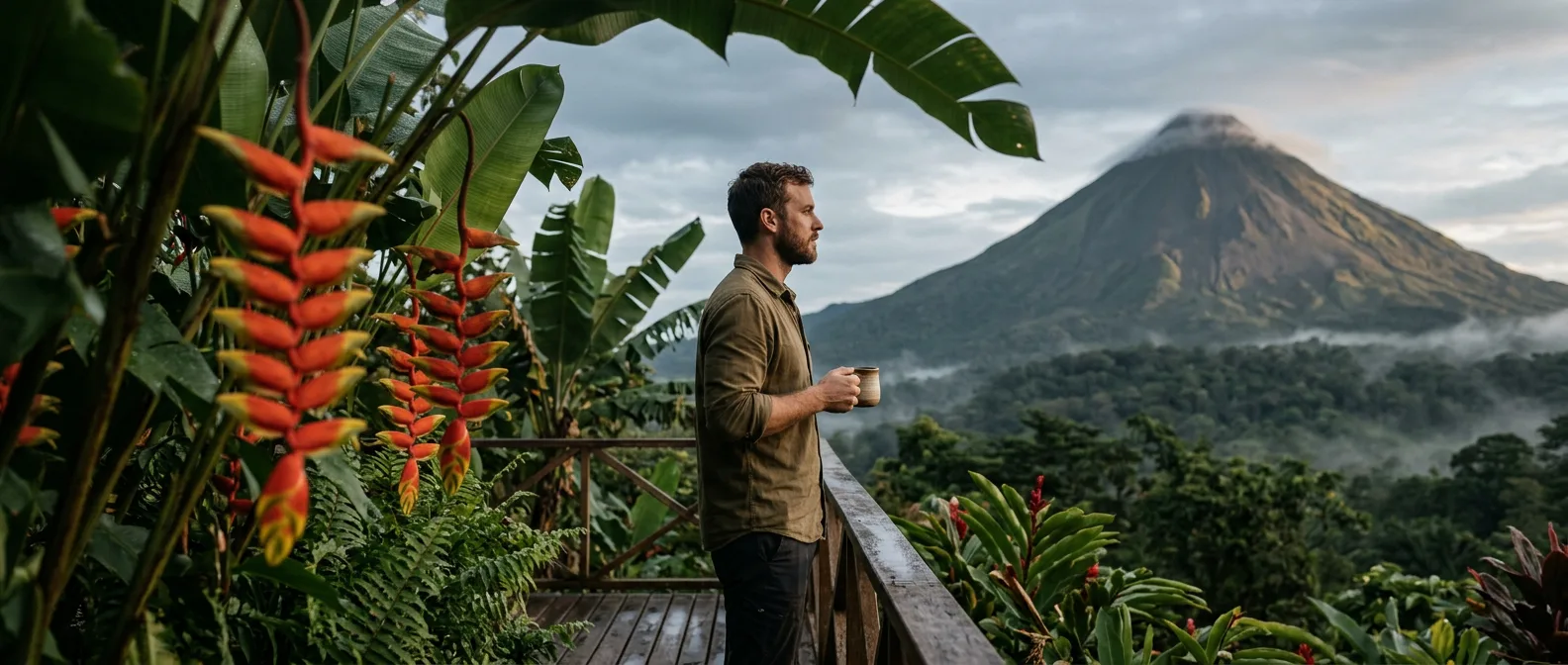
Rainforests, volcanoes, two coastlines, and a nation that consistently ranks as Earth's happiest. Costa Rica is Latin America's most stable TEFL market — with universal healthcare for legal teachers, a legally mandated 13th-month salary bonus, and a Pura Vida philosophy that keeps teachers returning year after year.
Costa Rica — quick facts 2026

What makes Costa Rica different from every other TEFL destination
Costa Rica occupies a unique position in the global TEFL market. It is not a high-salary destination — teachers here don't save the kind of money they might in South Korea or China. What it offers instead is harder to quantify: a lifestyle that doesn't feel like a compromise. Rainforests, volcanoes, two coastlines, year-round warmth, drinkable tap water, and a population ranked among the happiest on Earth.
The country has invested heavily in English education for decades. Tourism is Costa Rica's largest industry, and English is the language that powers it. This creates a durable, steady demand for English teachers at every level — from language academies serving hotel staff to corporate English programmes for banking and tech professionals in San José's growing business district.
The student profile is also distinctive: most English teachers in Costa Rica work primarily with motivated adult professionals — not reluctant schoolchildren. The market is driven by real economic need, which means higher classroom engagement than many other TEFL destinations.
The Aguinaldo — a 13th-month salary guaranteed by law
Costa Rican labour law mandates that all legal employees receive one extra month's salary (the aguinaldo) paid December 1–20 each year. On a $1,000/month salary, that's $1,000 before Christmas — every year. It's one of the most tangible financial advantages of working legally here. Teachers on informal arrangements don't receive it.
560×330px
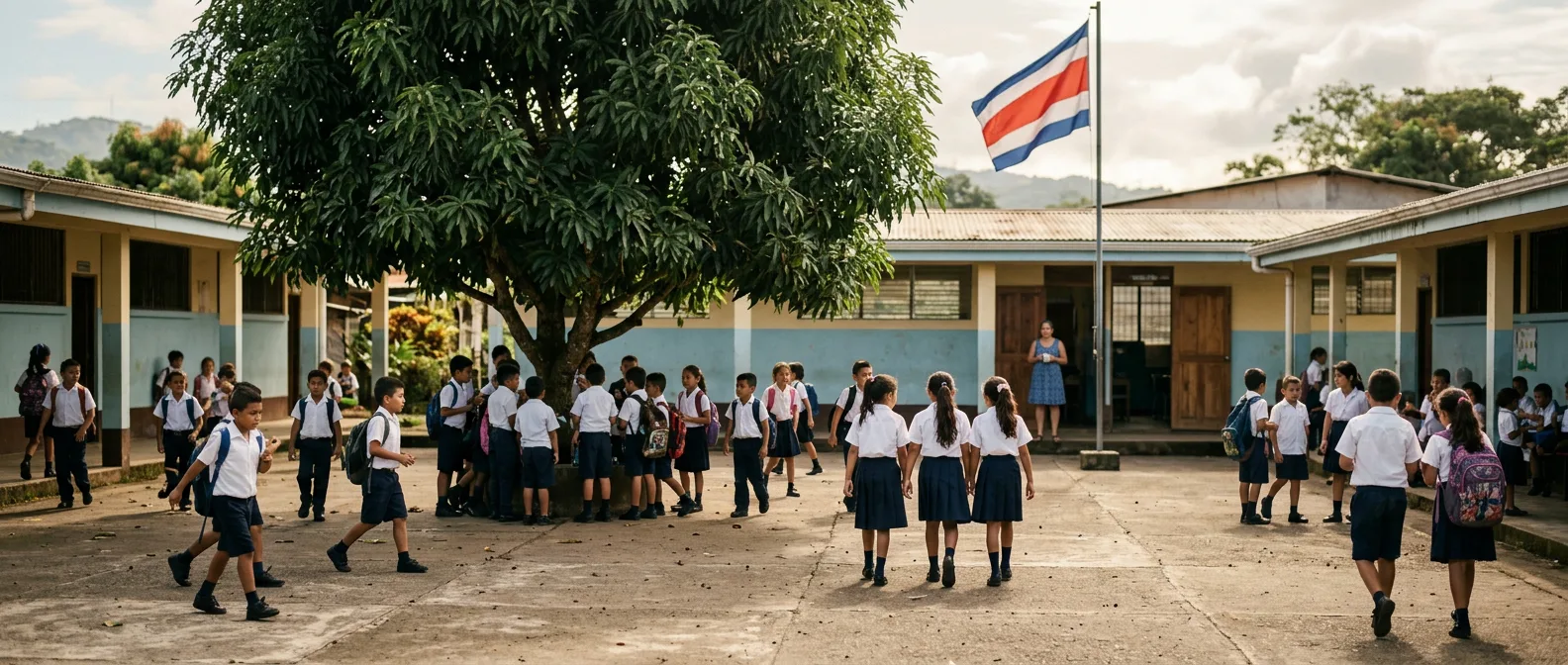
Motivated adult students
Tourism, tech outsourcing, banking, and manufacturing drive real English demand. Most Costa Rican students are adults improving for genuine career reasons — one of the most rewarding student profiles in TEFL.
Two coastlines, one teaching life
Pacific surfing on one side, Caribbean reef diving on the other. Most teachers reach either coast in under 3 hours from San José by bus or shuttle. Weekend adventure is genuinely built into the lifestyle.
Most stable country in Latin America
No military, 75+ years of stable democracy, drinkable tap water, and excellent roads. For first-time Latin America teachers, the stability removes a significant layer of practical stress.
World-class coffee country
Costa Rica produces some of the world's finest arabica coffee. The café culture in San José and the Central Valley is extraordinary — working from a café is a daily highlight, not a weekend treat.
Gateway to Central America
Guatemala, Panama, Nicaragua, Belize — all easily accessible from San José by budget flight or cheap bus. For teachers who want to explore the region, Costa Rica is the ideal base.
Business English demand
San José's growing tech sector and international business community generates strong demand for corporate English. Business English positions pay better and attract the most motivated students in the market.
What you need to teach in Costa Rica
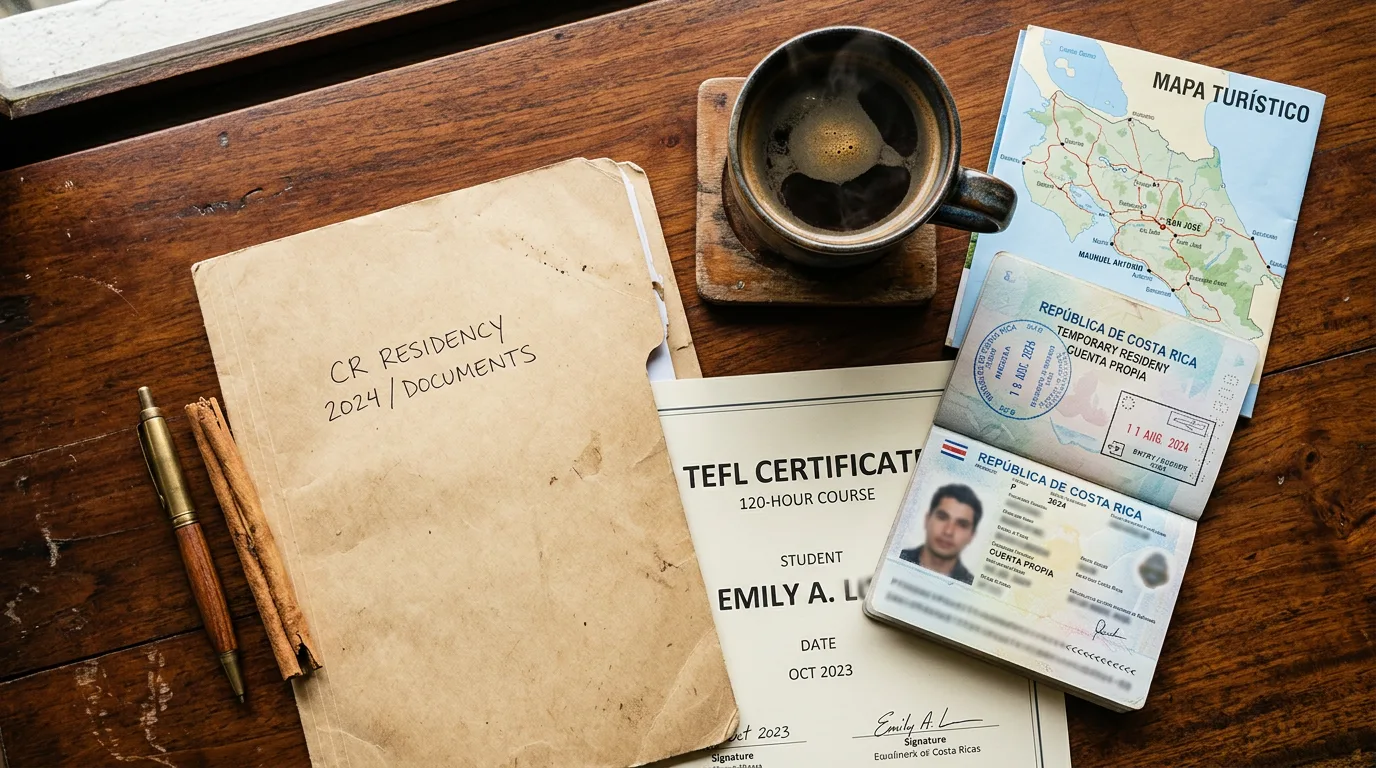
Costa Rica has one of the most accessible entry requirements in TEFL — a degree is not legally required (though it strongly improves your options). The one non-negotiable for any reputable school is a TEFL certificate.
TEFL certificate — 120 hours minimum
Required at all reputable language academies, private schools, and international schools. A Level 5 TEFL with in-class practicum is the strongest option and opens the best-paying positions.
Bachelor's degree (strongly preferred)
Not legally required for language academies, but required at international and bilingual schools. Degree holders earn 20–30% more and access the full range of positions. Without one, options are limited to smaller academies.
Native or near-native English proficiency
Required at most employers. Non-native speakers with IELTS 6.5+ and strong qualifications are considered at many schools, though some chains have native-speaker preferences.
Apostilled birth certificate & background check
Required for the sponsored work visa (Categoría Especial). If your school sponsors a work visa, you must bring these apostilled documents from home before you travel.
Costa Rica vs Thailand — requirements comparison
| Requirement | Costa Rica | Thailand |
|---|---|---|
| Degree required by law | No | Yes |
| TEFL required | Yes | Yes |
| Background check | Work visa only | Yes |
| Medical exam | No | Yes |
| Age limit | None | 60 |
| Universal healthcare | Legal teachers | Private insurance |
What teachers earn — and the honest picture
Costa Rica is best understood as a break-even lifestyle destination. Teachers who come for the culture, nature, and Spanish immersion leave raving about it. Teachers who come expecting to save $500/month are routinely disappointed. Set expectations correctly and the financial reality is workable.
| School type | Monthly salary (USD) | Hours/week | Degree needed | Best for |
|---|---|---|---|---|
| Private language academies | $700–$1,100 | 20–25 | Preferred | Most teachers |
| Bilingual / private schools | $900–$1,400 | 25–30 | Required | Degree holders |
| International schools | $1,000–$2,000 | Full-time | +Teaching licence | Experienced |
| Universities | $900–$1,200 | 15–20 | Required | Academic teachers |
| Corporate / Business English | $1,000–$1,500 | Variable | Preferred | Business background |
| Private tutoring (supplement) | +$200–$600 | Flexible | No | Supplementing |
💸 San José — monthly costs
🏘️ Heredia/Alajuela — monthly costs
🌊 Beach towns — monthly costs
Where teachers work in Costa Rica

Private Language Academies
Idioma Internacional, CCCN (Centro Cultural Costarricense-Norteamericano), Berlitz, Wall Street English, and dozens of independent academies across San José and the Central Valley. Most students are adult professionals. Curriculum usually provided. Evenings and some morning sessions — leaving afternoons free.
Bilingual Private Schools
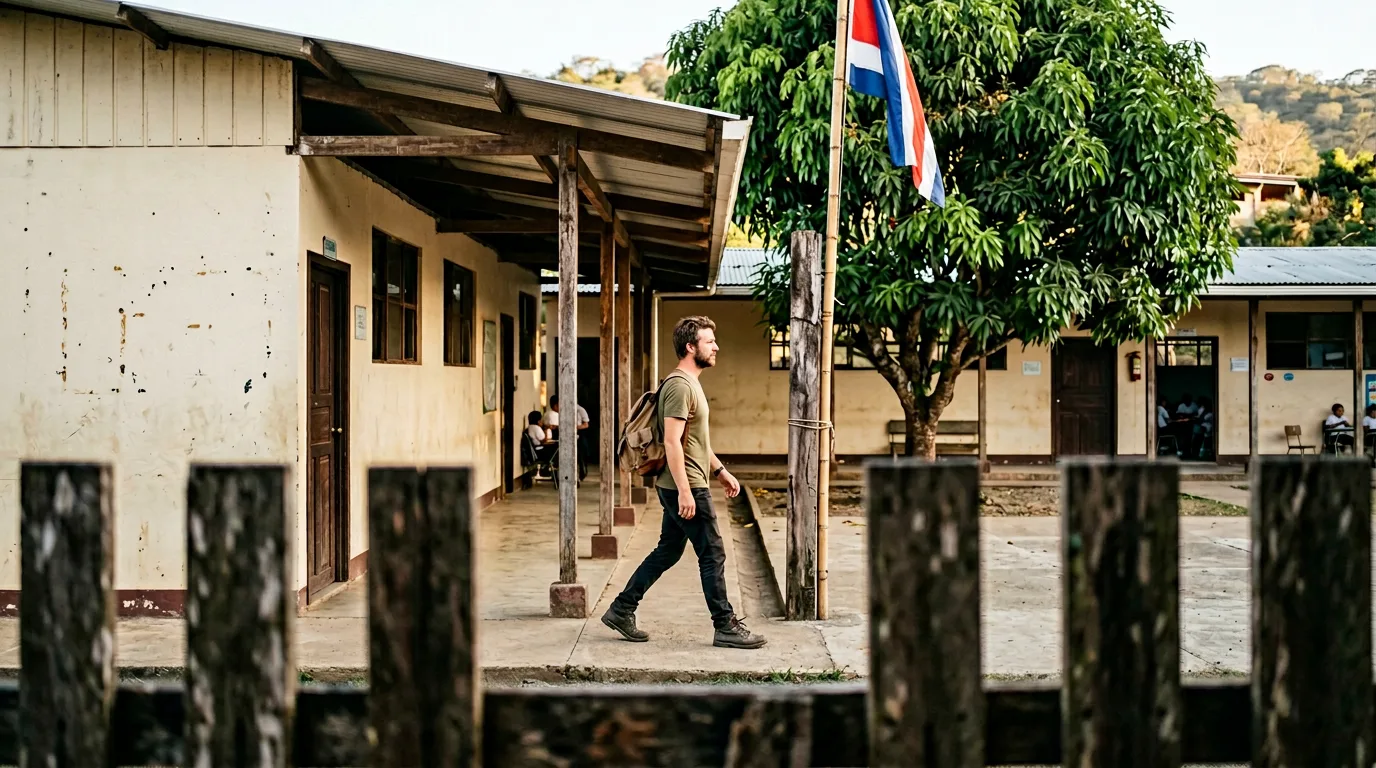
Costa Rica has a strong network of bilingual schools (colegio bilingüe) teaching subjects in Spanish and English. Degree required — but significantly better pay, structured hours, full benefits including the Aguinaldo. September and February starts aligned to the school calendar.
International Schools
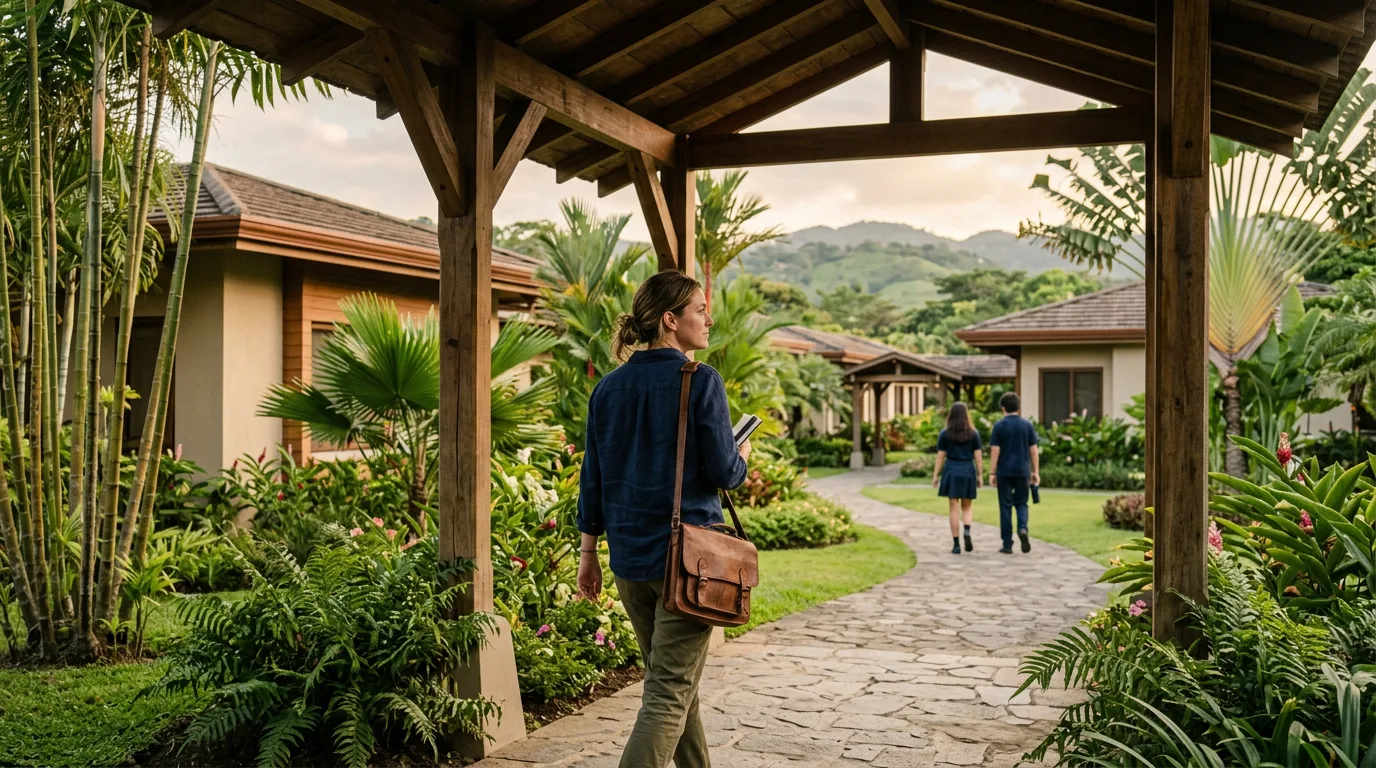
Country Day School, AISC (American International School), Blue Valley School. Teaching licence + experience required. Best salaries and most complete packages in Costa Rica. Highly competitive — usually filled through international recruitment networks well in advance of term start.
Corporate & Business English
San José's tech parks (Zona Franca), financial services, and medical device companies drive strong demand for in-company English training. Language academies hold these corporate contracts — teachers visit company offices or tech campuses. Better hourly rates, professional adult students, weekday daytime hours.
Costa Rica's teaching visa landscape — explained honestly
Costa Rica has the most nuanced visa situation for English teachers in Latin America. There are three routes — with very different legal standing, requirements, and consequences. Understanding which one your school is offering is the most important decision you'll make before you travel.
Sponsored Work Visa (Categoría Especial)
Employer sponsors you through the DGME. Requires apostilled birth certificate and criminal background check brought from home. Gives you full CCSS healthcare, Aguinaldo entitlement, and complete legal protection. Processing 2–6 months but you can work during the process once employer files.
Full legal protectionTourist Visa + Self-Employment
Many teachers work on 90–180 day tourist visas using self-employment registration (recibo) at the Tributación. Technically legal because teachers "sell professional services." Requires border runs to Nicaragua or Panama every 90–180 days. No CCSS healthcare. No Aguinaldo.
Legal grey areaInformal / Cash in Hand
Working without any registration. Technically illegal. No legal protection if terms change or pay is reduced. No healthcare. Deportation risk if caught at a crackdown. Any school suggesting this arrangement is transferring all legal risk to you, the teacher.
Do not useFor more detail on document preparation, timelines, and the step-by-step work visa process, see our complete Costa Rica visa guide.
Costa Rica's teaching cities and regions
The vast majority of English teaching jobs are in the Gran Área Metropolitana (GAM) — the Central Valley cluster around San José. But a growing number of teachers choose the beach town market for its lifestyle trade-offs.

San José
The capital and largest teaching market. Escazú, Santa Ana, and Rohrmoser are the most popular teacher neighbourhoods. All major language academies here. Best infrastructure, cultural life, and salary ceiling in the country.
San José guide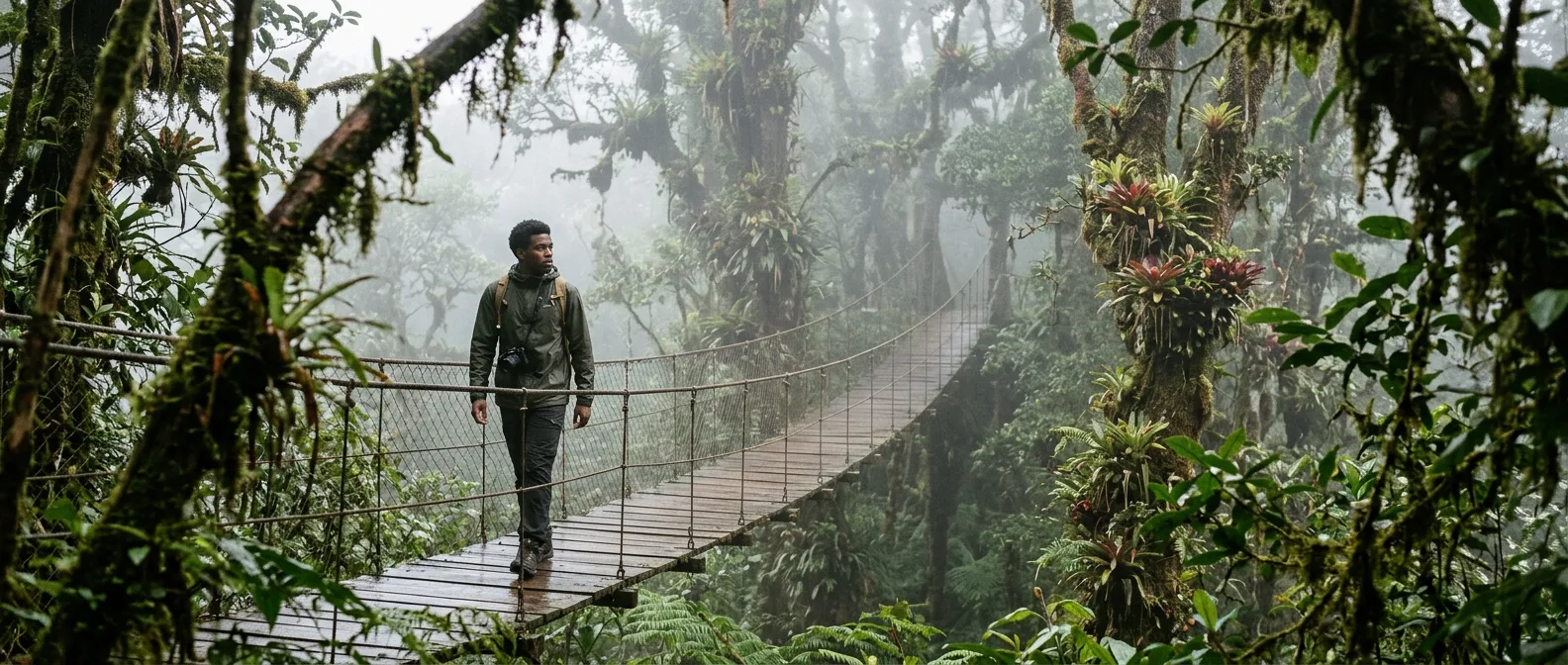
Heredia & Alajuela
The Central Valley cities. Lower rents (30–40% below San José), quieter pace, good bus connections to the capital. Most affordable base for teachers in the main market without paying San José prices.
Central Valley guide
Guanacaste & Pacific Coast
Tamarindo, Nosara, Jacó. Growing English market driven by tourism. Smaller supply of positions, higher living costs — best for teachers with experience who prioritise lifestyle over salary.
Pacific coast guide
Puerto Viejo
Caribbean coast laid-back vibes. Reggae culture, coral reefs, and a small but growing English teaching scene. Lower cost than Pacific towns, with a unique Afro-Caribbean culture unlike anywhere else in Costa Rica.
La Fortuna
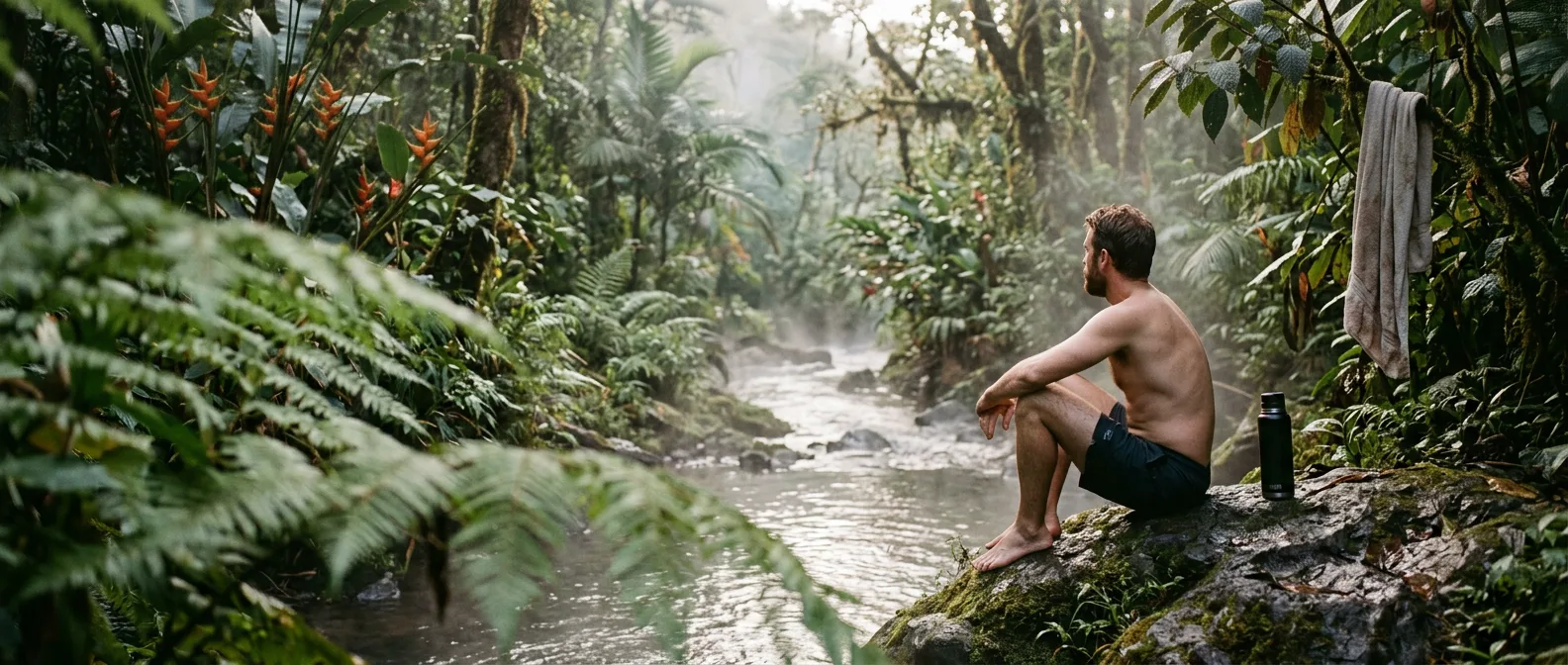
Gateway to Arenal Volcano and natural hot springs. Tourism-driven English demand in this adventure capital. A smaller teaching market, but ideal for teachers who want to live surrounded by rainforest and volcanic landscapes.
Manuel Antonio
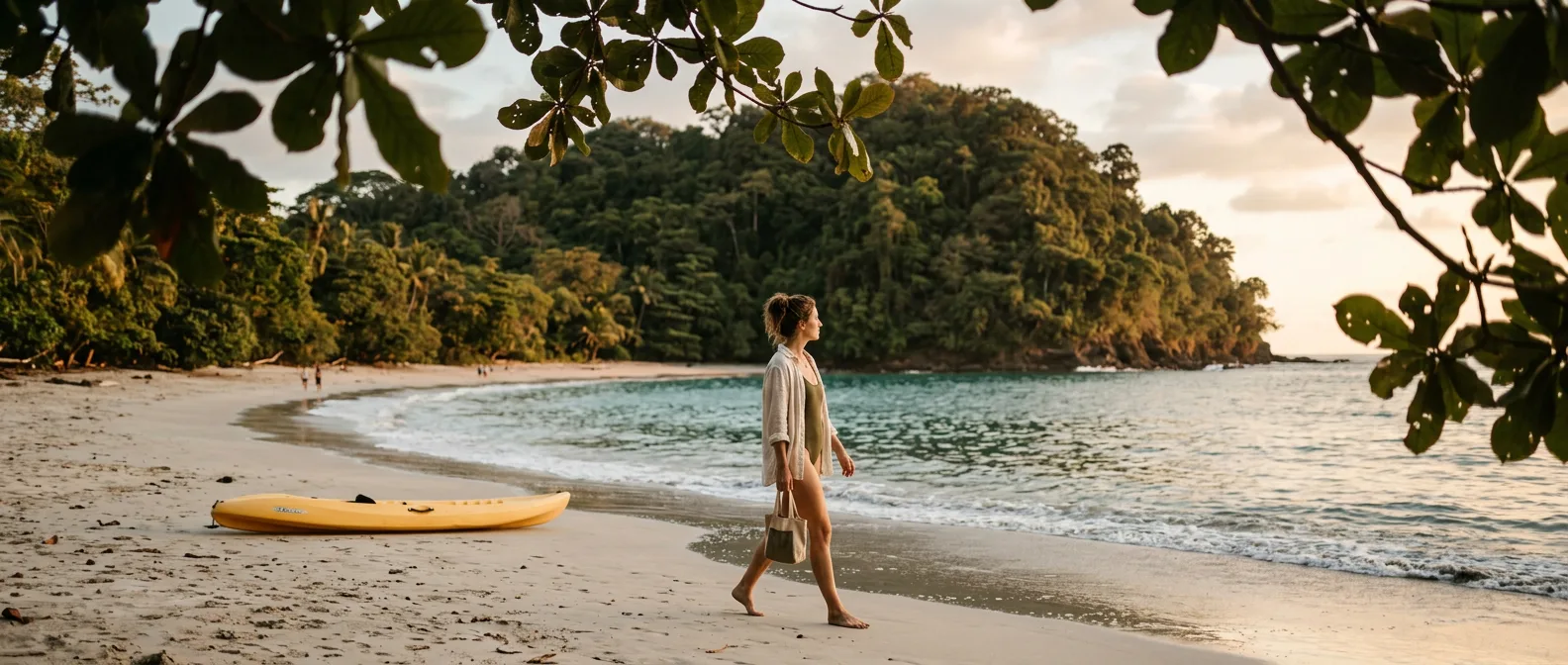
Home to Costa Rica's most popular national park. White-sand beaches meet dense jungle. Tourism English positions available in the hotel and hospitality sector. Higher living costs but an extraordinary natural setting for daily life.
What daily life actually looks like as a teacher in Costa Rica
Pura Vida — "pure life" — is more than a phrase here. It is a genuine daily operating philosophy: a deliberate, unhurried approach to life that permeates every interaction. It is the response to "how are you?", the sign-off on text messages, and the underlying reason why teachers who come for a year often stay for three.
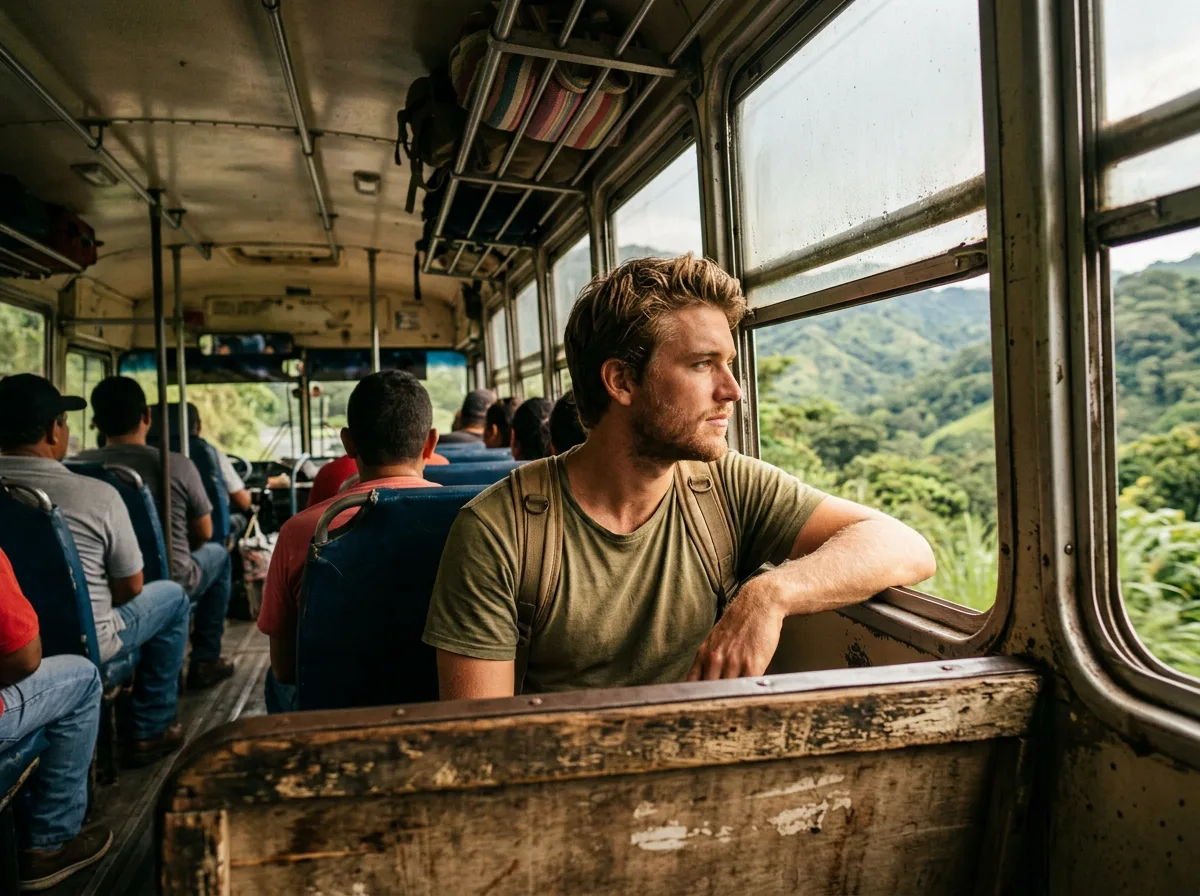
Most language academy teachers work evenings (5–9pm) and some weekend morning sessions — leaving weekday afternoons completely free. With volcanoes, cloud forests, Pacific surf, Caribbean reefs, and one of the world's most diverse wildlife systems all within a few hours of San José, filling those afternoons is not difficult.
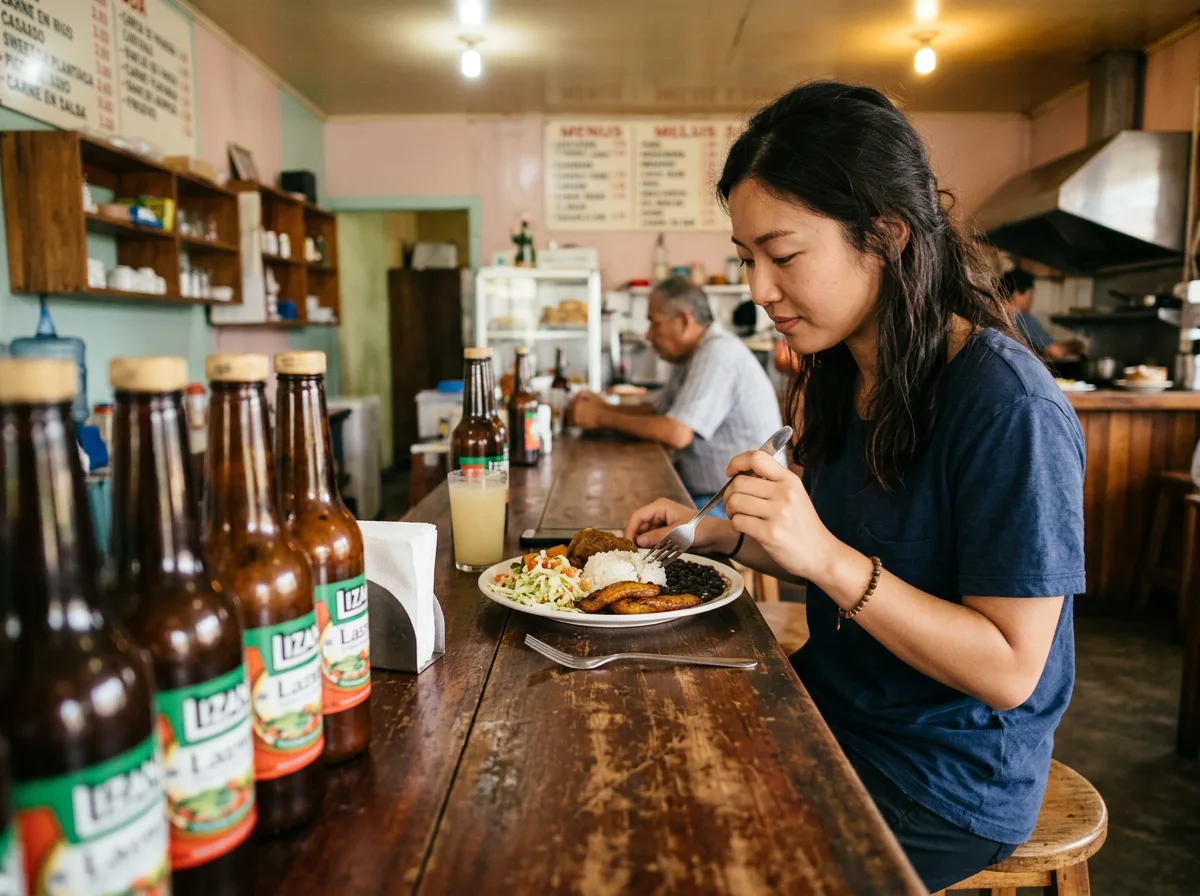
The food culture centres on the soda — the small, family-run Costa Rican diner serving gallo pinto (rice and black beans), casado (the national lunch plate with rice, beans, salad, plantains, and protein), and fresh tropical juices. Eating at sodas is the most affordable and most authentic daily food experience. The weekly feria (farmers' market) is where teachers find the best produce at the lowest prices.


Pacific surf — 3 hours away
Tamarindo, Jacó, Santa Teresa, Nosara. World-class surf breaks within bus or shuttle distance. Weekend surf trips are a standard fixture of teacher life in San José.
Volcanoes and hot springs
Arenal, Poás, Irazú. Active volcanoes with natural hot springs and cloud forest. Day trips or overnight from San José are easy and affordable.
Wildlife in the wild
Sloths, toucans, howler monkeys, and poison dart frogs — not in zoos. Manuel Antonio is the most accessible national park; Corcovado the most extraordinary.
When to look for work in Costa Rica
Best application window
Schools plan February intakes. Strongest window for bilingual school positions. Begin document prep for work visa during this time if needed.
Main school year start
Key start date for bilingual schools and most academies. Most positions for this cohort filled by December–January. Best corporate positions too.
Mid-year intake
Some academies hire mid-year as contracts end. Second strongest hiring window — especially at language academies with rolling intake.
Language academies
Major chains hire continuously. With TEFL and documents ready, there is usually a position available — but competition is strongest Feb and mid-year.
How to find English teaching jobs in Costa Rica
Direct applications
CCCN, Idioma Internacional, Berlitz San José, Wall Street English. Apply directly online — most do Zoom interviews before you travel. Confirm work visa sponsorship is included before accepting any offer.
In-country network
Many schools prefer in-country applicants for demo lessons. Facebook group "Teaching English in Costa Rica" and "Expats in Costa Rica" both post positions and employer reviews regularly.
Job boards
Dave's ESL Cafe, Teaching Nomad, and local Costa Rican site Computrabajo list TEFL positions. Always filter for "work visa sponsorship included" — the non-negotiable for legitimate placements.
Who thrives here — and who doesn't
✓ Costa Rica is a strong fit if you…
- Want Latin America for the lifestyle, culture, and Spanish immersion — not the salary
- Enjoy teaching motivated adult professionals more than reluctant schoolchildren
- Love nature, surf, hiking, and wildlife as weekly activities, not annual holidays
- Are North American and want the most accessible Latin America option (3–6hr flights, familiar systems)
- Want legal employment with CCSS healthcare and the Aguinaldo bonus
- Are comfortable with a break-even or modest savings picture and have funds before you go
- Want a politically stable, safe, English-friendly first international posting
→ Costa Rica is a harder fit if you…
- Want to save significant money — Korea, Japan, and China offer dramatically better financial returns
- Want to live on the Pacific coast — the beach town market is small and costs outpace salaries
- Expect to arrive and find work quickly without savings — the in-country hiring culture means 4–6 weeks buffer needed
- Don't have a degree — options without one are limited to smaller academies at the lower salary range
- Want a structured placement program with guaranteed employment before departure
What teachers say about life in Costa Rica
"I came for six months and stayed two years. The salary is modest but you truly live well — the nature, the food, the people. My students at the language academy were engaged adults who genuinely wanted to improve for their careers. That motivation makes teaching a completely different experience."
"The Aguinaldo in December is real and wonderful — an extra full month's pay. Getting the work visa took longer than expected but my school handled it well. The CCSS healthcare access alone made the paperwork worth doing. I've never felt so well-supported by a school system."
"Go in with honest expectations about money and you'll love it. I surfed Tamarindo on my birthday weekend, hiked Arenal the week after, and had real Spanish conversations within three months. It's not Southeast Asia — it's something completely different and genuinely special."
Costa Rica TEFL questions answered
Can I really teach legally on a tourist visa in Costa Rica?
This is the most debated question in Costa Rica's TEFL community. The "sell professional services" interpretation has historically allowed teachers to work on tourist visas with self-employment registration at the Tributación. Many teachers do this — and many schools encourage it to avoid the paperwork of sponsoring work visas. In practice, the legal standing is genuinely grey. The safest approach is a sponsored Categoría Especial work visa. It protects you legally, gives you CCSS healthcare, and entitles you to the Aguinaldo. Any school that cannot offer this route is asking you to accept legal risk on their behalf.
What is a border run and how often do I need to do one?
A border run is when teachers on tourist visas leave Costa Rica before expiry — typically crossing overland to Nicaragua (Peñas Blancas border) or Panama (Paso Canoas border) — and re-entering to get a fresh 90-day or 180-day stamp. The trip costs $20–50 including transport, takes a day, and is a routine for teachers on the tourist visa route. Many use it as an excuse for a weekend in Nicaragua or Panama. However, immigration officers can deny re-entry if they believe you are living rather than visiting — particularly after multiple consecutive border runs.
What is the Aguinaldo and when is it paid?
The aguinaldo is Costa Rica's legally mandated 13th-month salary bonus, paid to all legal employees between December 1–20. It equals one full month of your regular salary. For a teacher earning $1,000/month, this is a $1,000 bonus before Christmas, every year. It is a legal obligation on registered employers — not optional. Teachers working informally or on tourist visa arrangements without proper registration typically do not receive it. It is one of the most concrete financial reasons to pursue the formal work visa route.
Do I need to speak Spanish to live and teach in Costa Rica?
No — classes are taught entirely in English, and in San José and tourist areas English is widely spoken in the service industry. Daily life — bus navigation, dealing with landlords, building real relationships with Costa Ricans — is significantly better with Spanish. Most teachers pick up functional Spanish within a few months through daily exposure. Investing in a structured Spanish course ($150–$300/month in San José) early on is one of the most valuable things you can do in your first year.
Is Costa Rica safe for foreign teachers?
Costa Rica is the safest country in Central America by most metrics. San José has areas with higher petty crime and standard urban precautions apply — don't display expensive electronics, be aware at night, use official taxis or Uber. Teachers in established residential neighbourhoods (Escazú, Santa Ana, Rohrmoser, Sabana) generally feel entirely comfortable. Violent crime directed at foreigners is rare. The large, established expat community means local knowledge is always accessible.
Can I save money teaching in Costa Rica?
Modest savings are possible — particularly for teachers in Heredia or Alajuela, or those supplementing with private tutoring ($10–$20/hr). But Costa Rica is not a savings destination by TEFL standards. Teachers who come specifically to pay off debt or build a significant nest egg are almost universally disappointed. The country is best understood as a lifestyle destination where the currency is quality of life. If substantial savings are the primary goal, South Korea, Japan, and China offer significantly better financial returns.
Is Costa Rica good for teachers over 40?
Excellent. Costa Rica has no official age limit for teaching or work visa applications. The professional adult student market — which dominates Costa Rica's ESL demand — often responds especially well to teachers with life experience and professional backgrounds. Business English, corporate training, and conversational English for professionals are areas where older teachers with real-world work experience have a genuine competitive advantage over younger candidates.
How does Costa Rica compare to Thailand for a first TEFL placement?
They suit different teachers. Thailand (and TEFL Heaven's Thailand program) offers a guaranteed paid placement, higher salary relative to costs, and a more developed placement infrastructure — making it the stronger choice for first-time teachers who want security and structure. Costa Rica is better suited to teachers who specifically want Latin America, adult students, Spanish immersion, and the Pura Vida lifestyle — and who are comfortable with a more independent job search and a break-even financial picture. Both are excellent; the right choice depends on your priorities.
Build the teaching career that opens Costa Rica's doors
TEFL Heaven's Thailand program gives you the in-person TEFL qualification, guaranteed first placement, and real classroom experience that makes you competitive in Costa Rica's language academy and bilingual school market. Strong TEFL + classroom experience = your pick of placements in Latin America.