
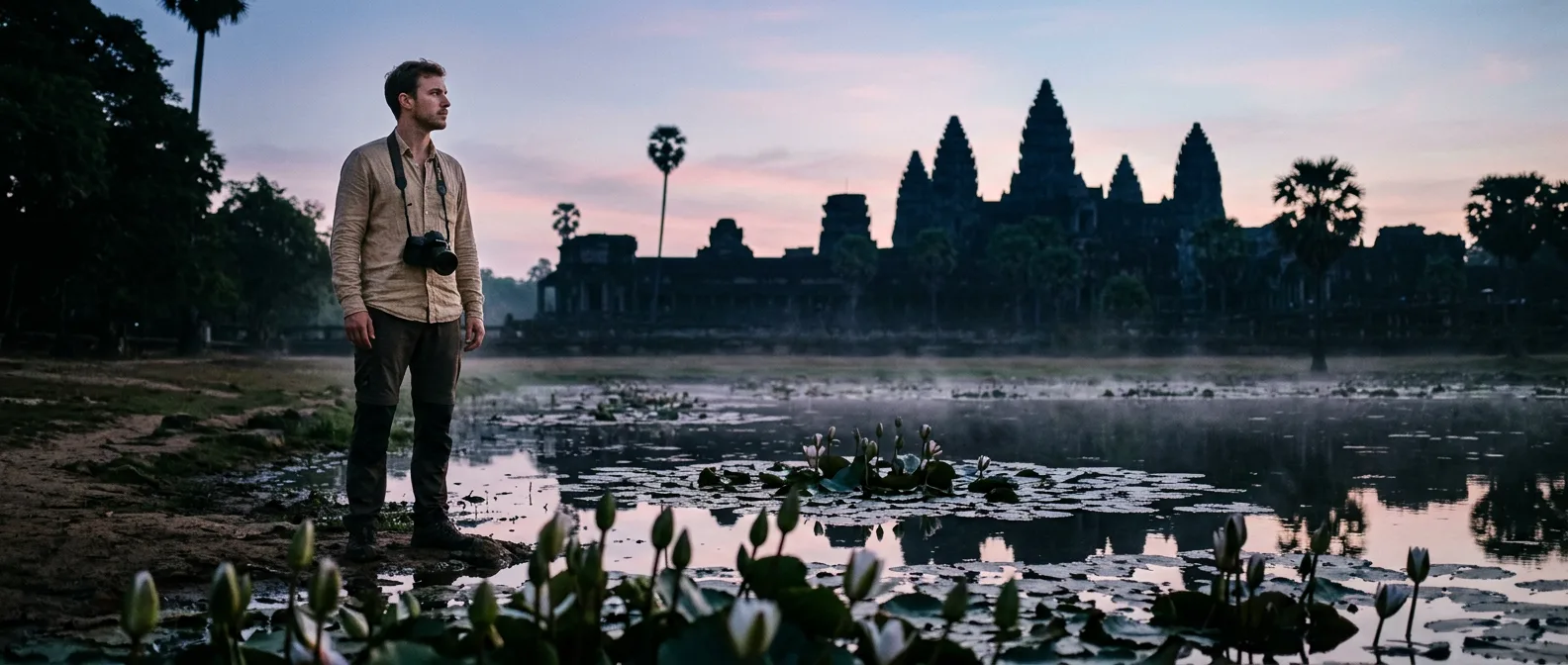
Teach English in Cambodia: Salary, Visa & Requirements (2026)
One of Asia's fastest-growing TEFL markets — low cost of living, no degree required at most schools, year-round hiring, and a genuinely adventurous life between Angkor Wat and the Mekong.
Cambodia's TEFL market in 2026
Cambodia has quietly become one of the most accessible English teaching destinations in Southeast Asia — and one of the most underrated. The country has a rapidly expanding private school and language centre sector, concentrated in Phnom Penh and Siem Reap, with year-round demand for qualified foreign teachers.
Unlike Thailand, Japan, or South Korea, Cambodia imposes relatively few bureaucratic barriers to entry. You don't need a degree to be hired at most language schools. You don't need to apostille stacks of documents before you fly. And the visa process — an E-class Ordinary Visa, extendable without leaving the country — is among the most straightforward in the region.
The trade-off is salary: Cambodia pays less than its neighbours on paper. But when you factor in that a comfortable expat lifestyle can be maintained for $500–$700 per month, the financial picture changes. Teachers consistently report saving $200–$500 per month even on entry-level salaries, while living well — eating out daily, travelling on weekends, and exploring one of the most historically rich countries in the world.
For teachers who want an adventure, meaningful work, and a genuinely low barrier to entry, Cambodia is a strong choice in 2026. The TEFL market has been one of the fastest-growing in Asia for several years, and that growth shows no sign of slowing.
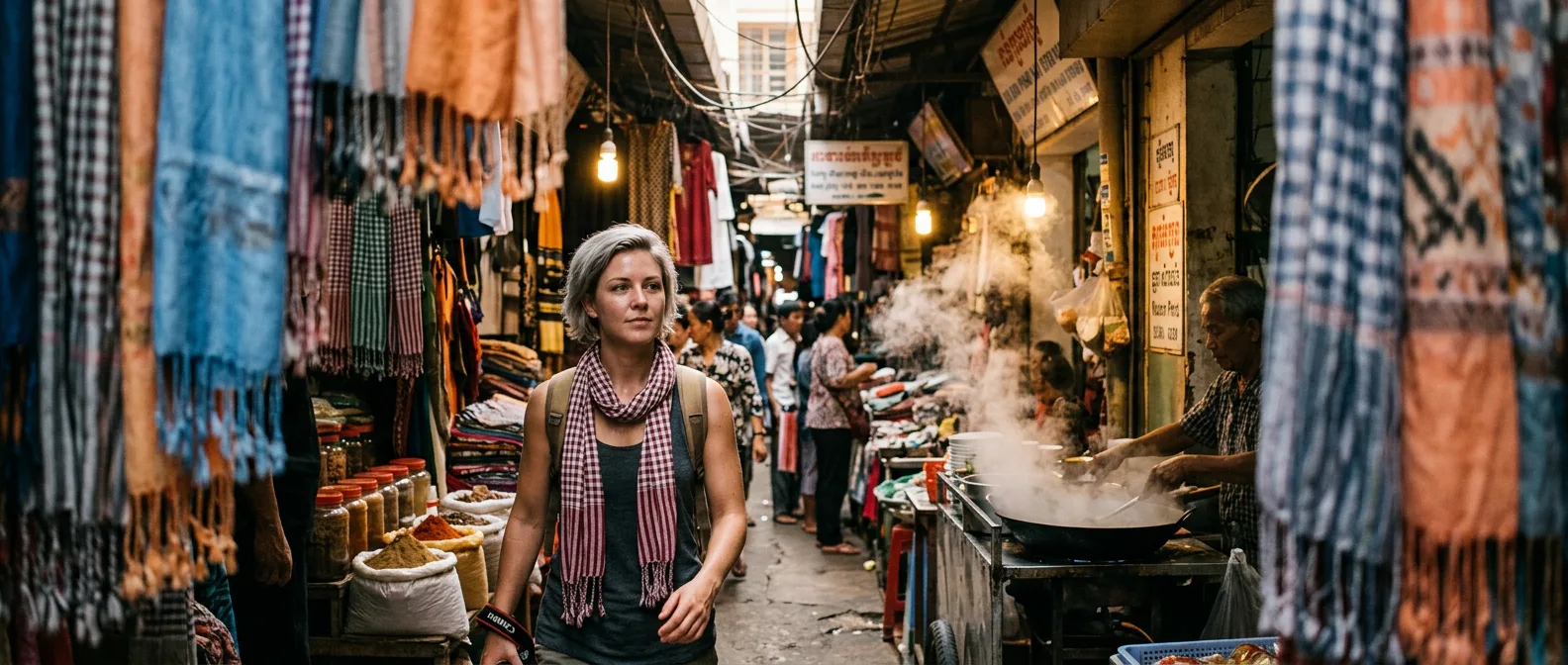
Six reasons teachers choose Cambodia
Cambodia isn't the highest-paying destination in Asia — but it consistently ranks among the best for first-time teachers, career-changers, and anyone who wants genuine adventure alongside their teaching contract.
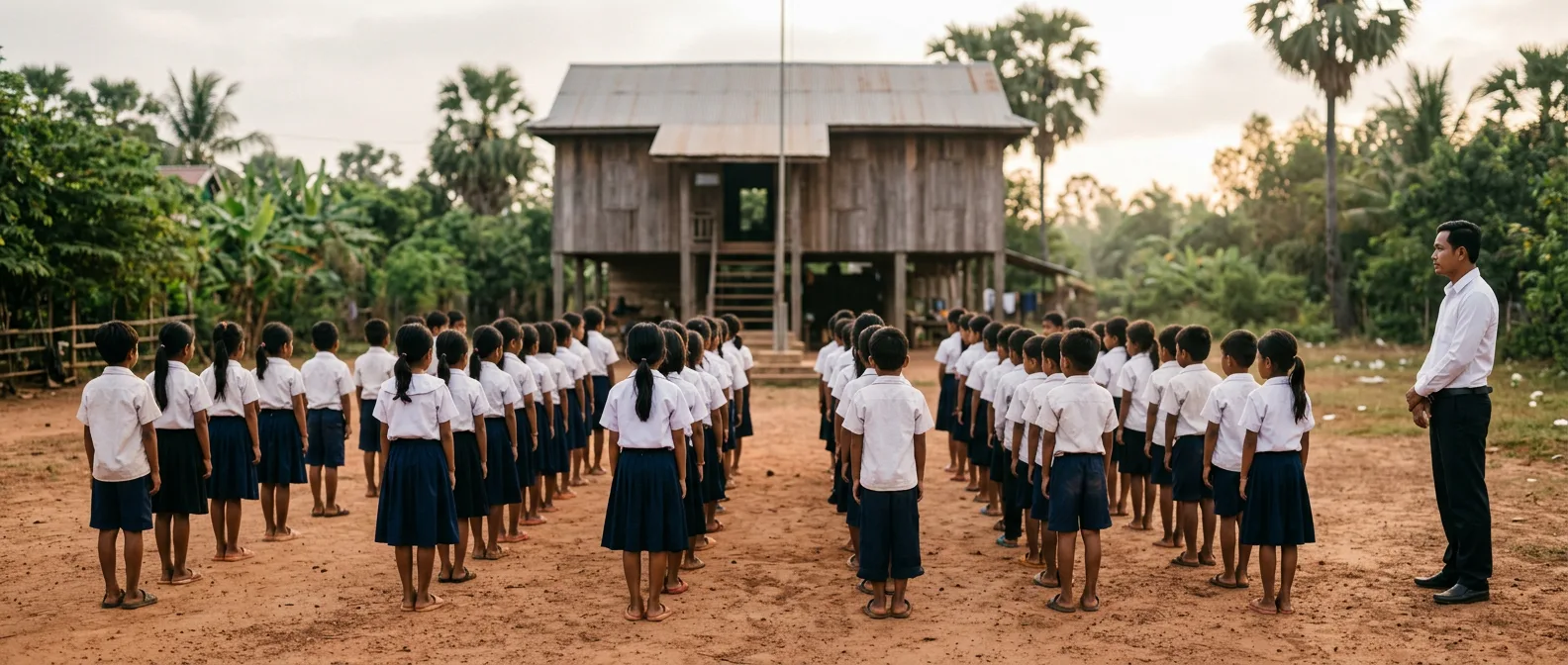
No degree required at most schools
Cambodia is one of the few Asian countries where a bachelor's degree is not a legal requirement for a work permit. A solid TEFL certificate and native-level English is enough to get hired at the majority of language centres and private schools.
Low cost of living, real savings
Living costs of $500–$700 per month are achievable even in Phnom Penh. On an $800–$1,000 salary, most teachers save $200–$500 monthly — considerably more than they could at home — while eating out daily and travelling freely.
Year-round hiring, fast process
Unlike countries with rigid academic-year hiring, Cambodia recruits year-round. Most schools expect candidates to interview in person, which means you can arrive in country and have a job within one to three weeks in most cases.
Easiest visa in the region
The E-class Ordinary Visa is available on arrival for $35 and can be extended for 3, 6, or 12 months without leaving Cambodia. No border runs. No complex pre-departure document authentication for most nationalities.
Unmatched history and culture
Angkor Wat. The Mekong. Kampot's river towns. The temples of Siem Reap. Cambodia packs extraordinary history and natural beauty into a small country, making it one of the most rewarding places to live while working as a teacher.
Gateway to Southeast Asia
Cambodia borders Thailand, Vietnam, and Laos, with affordable regional flights making it easy to explore the wider region on weekends and school holidays. It's a natural hub for teachers who want to travel while they work.
What you need to teach in Cambodia
Cambodia has some of the lowest barriers to entry in Asia. Here's what schools actually ask for — and what's officially required versus what gives you a competitive advantage.
TEFL/TESOL Certificate (120 hours minimum)
While technically possible to find work without one, nearly all reputable language centres and private academies require at least a 120-hour TEFL or TESOL certification. It's what signals to employers that you can actually manage a classroom — and it puts you ahead of unqualified applicants.
Native or near-native English proficiency
Cambodia is one of few markets that actively welcomes non-native English speakers — but you must demonstrate fluency at a native level. Schools prefer candidates from the US, UK, Canada, Australia, Ireland, New Zealand, and South Africa, but strong proficiency from any background is considered.
Passport valid for 6+ months
Required for visa issuance and extension. You'll also need one passport-sized photo for the Ordinary Visa application on arrival.
Criminal background check (recommended)
Not legally mandatory at most schools, but increasingly requested — especially by international schools and NGOs. Easier to obtain at home than overseas, so it's worth getting one before you leave.
Bachelor's degree (preferred, not required)
A degree is not a legal requirement for a work permit in Cambodia — making it genuinely accessible without one. However, a degree opens doors to international schools, which pay significantly more and offer better conditions. If you have one, bring it.
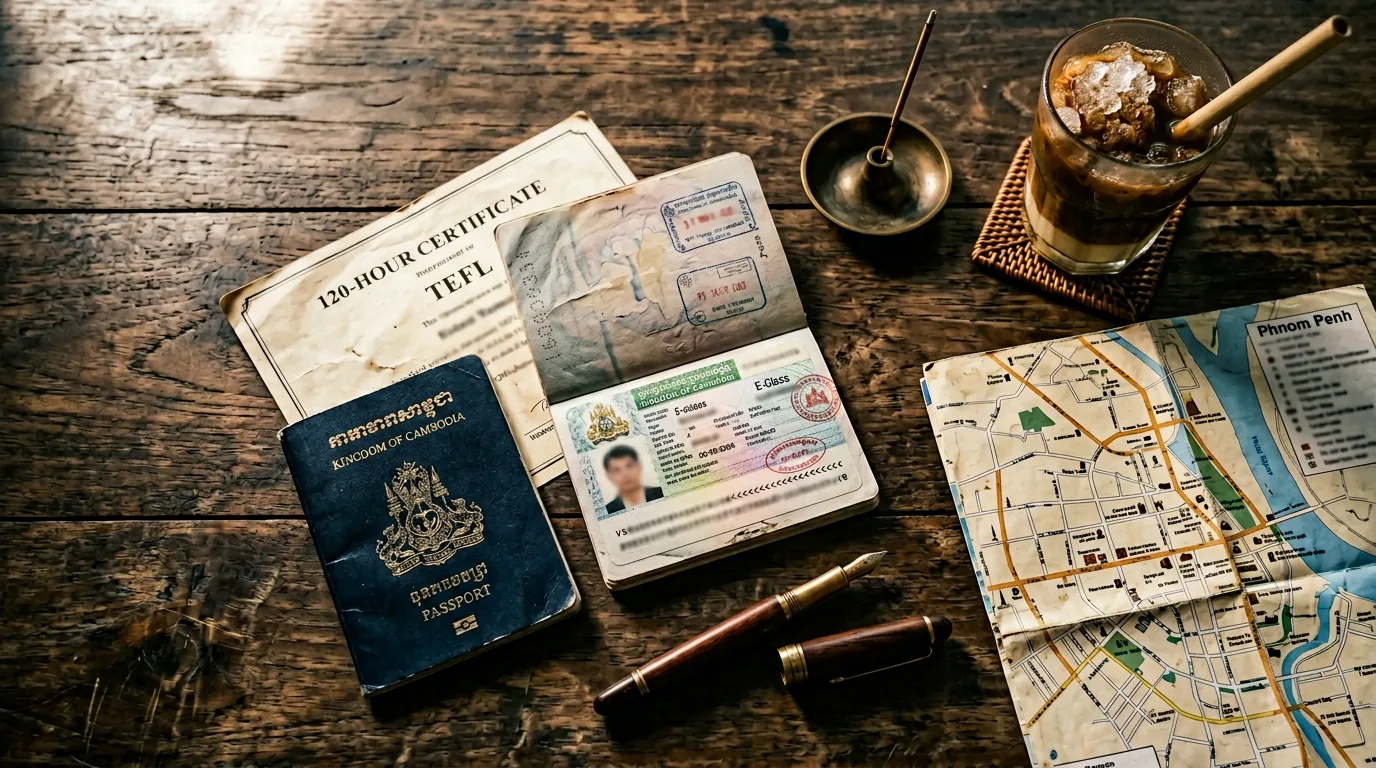
Cambodia's biggest advantage for first-timers: Most countries in Asia require a bachelor's degree before they'll issue a work permit. Cambodia does not. This makes it one of the only legitimate markets for qualified teachers who don't hold a four-year degree — and one of the most accessible first-steps into a TEFL career in Asia.
Interview on the ground: Cambodia is almost unique in requiring in-person interviews. Most teachers arrive, stay in a guesthouse, and spend 1–2 weeks visiting schools and interviewing. Having your documents printed, organised, and ready to hand over on the spot makes a significant difference.
Want guaranteed placement with full support?
TEFL Heaven's Thailand program includes placement, visa guidance, TEFL training, and in-country support — the most structured entry point into TEFL in Southeast Asia.
How much do English teachers earn in Cambodia?
Cambodia pays less than Thailand, Vietnam, or South Korea — but the cost of living is also significantly lower. Most teachers live comfortably and save money on salaries that would look modest on paper.
| School Type | Monthly Salary (USD) | Hourly Rate | Typical Hours/Week | Benefits | Best For |
|---|---|---|---|---|---|
| International Schools | $1,200 – $2,500 | — | 30–40 hrs | Health insurance, housing allowance, flights | Experienced teachers |
| Private Language Schools | $800 – $1,200 | $10–$14/hr | 20–25 hrs | Minimal — occasional housing | Most common route |
| Private Schools (non-international) | $700 – $1,000 | — | 20–30 hrs | Variable | First-timers |
| Kindergartens / Preschools | $1,000 – $1,600 | — | 20–25 hrs | Sometimes housing | Young learner specialists |
| Business English / Private Tuition | $800 – $1,500+ | $15–$25/hr | Flexible | None — self-employed | Experienced + networked |
| NGO / Volunteer Roles | Stipend or unpaid | — | 20–30 hrs | Often accommodation + meals | Experience builders |
Most teachers are paid by the hour, not on a salary. This is the norm at Cambodian language centres. An hourly rate of $10–$14 over 20–25 teaching hours per week typically delivers $800–$1,200 per month — enough to live comfortably given Cambodia's cost of living, though it means paid holidays and benefits are rarely included.
What does life actually cost in Cambodia?
Cambodia's affordability is genuine. Even in Phnom Penh, the most expensive city, most teachers live comfortably for $500–$800 per month — considerably less than equivalent lifestyles in Thailand or Vietnam.
🏠 Housing
🍜 Food & Drink
🛺 Transport
🎉 Lifestyle
Realistic monthly budget: Most teachers in Phnom Penh comfortably live on $600–$800 per month. In Siem Reap or smaller cities, $500–$650 covers a comfortable lifestyle. On an $800–$1,000 salary, saving $200–$400 per month is realistic — more if you teach at a higher-paying school or take on private tuition alongside your main job.
The Cambodia E-class Visa — how it works
Cambodia has one of the most teacher-friendly visa systems in Southeast Asia. The key rule: arrive on an Ordinary (E-class) Visa, not a tourist visa — only the E-class can be converted for employment.
Obtain your E-class Ordinary Visa on arrival
Available at Phnom Penh and Siem Reap international airports, Poipet land crossing, and other major entry points. Cost: $35 USD cash only. Bring one passport photo. Valid for 30 days initially. Do not opt for the tourist (T-class) visa — only the E-class can be extended for employment purposes.
Find a job and obtain a work permit
Most teachers interview and find employment within 1–2 weeks of arriving. Once you have a job offer, your employer is responsible for applying for your work permit through Cambodia's Ministry of Labour. You'll need your passport, E-class visa, and proof of employment. Your employer should guide this process — if they're unfamiliar with it, that's a red flag about the school.
Extend your E-class Visa (EB extension)
Once you have your work permit, apply for an EB (business) extension of your E-class Visa through the General Department of Immigration or via a licensed visa agent. Extensions are available for 1, 3, 6, or 12 months. The 12-month extension (approx. $285–$300) is multiple-entry, so you can travel in and out of Cambodia freely without needing a new visa each time.
Register on the FPCS system
Cambodia's General Department of Immigration requires all foreign nationals residing in Cambodia to register on the Foreigners Presence in Cambodia System (FPCS). Your employer or landlord typically assists with this — it's an administrative step, not an obstacle, but failure to register can cause issues.
Renew annually
Your E-class Visa and work permit are renewed annually through your employer. Many teachers renew for multiple years without any issues. Unlike Thailand's Non-B Visa, there's no requirement to leave the country to renew — the full process can be completed in Cambodia.
No border runs required. Cambodia's E-class Visa can be extended without leaving the country — a significant practical advantage over Thailand's Non-B Visa, which requires an embassy application before entry.
Visa extension costs
| Extension Period | Approximate Cost (USD) | Entry Type |
|---|---|---|
| 1 month | ~$45–$55 | Single entry |
| 3 months | ~$75–$95 | Single entry |
| 6 months | ~$155–$175 | Multiple entry |
| 12 months | ~$285–$300 | Multiple entry |
Fees include government charges and standard visa agent fee. Prices updated 2025 — verify with your employer or local agent before applying.
Use a visa agent for extensions. The extension process is manageable, but most experienced Cambodia teachers use a local visa agent (typically $20–$40 extra) to handle the paperwork. It saves significant time and avoids common mistakes in the application forms.
Where do English teachers work in Cambodia?
The Cambodian school landscape is dominated by private language schools and international schools in urban centres. Public schools rarely hire foreign teachers. Here's what each setting looks like in practice.
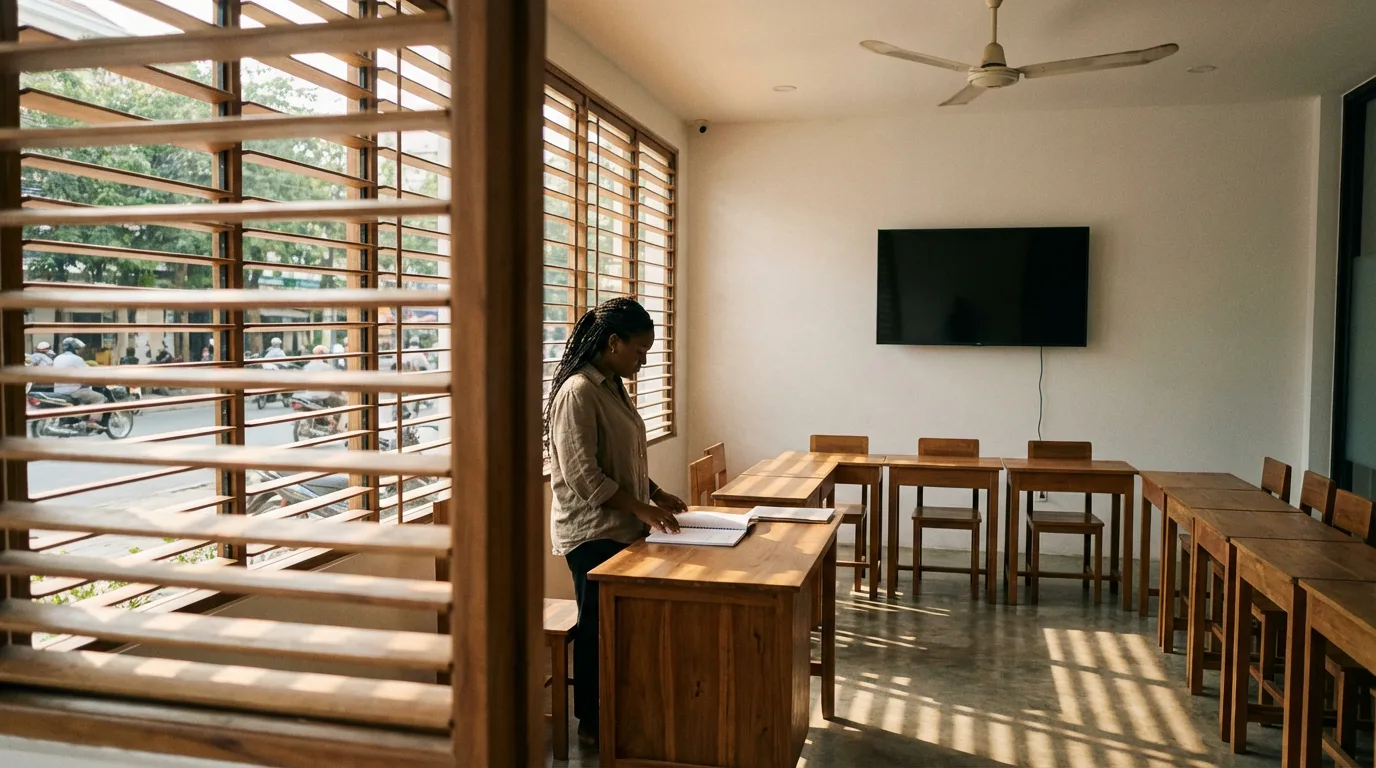
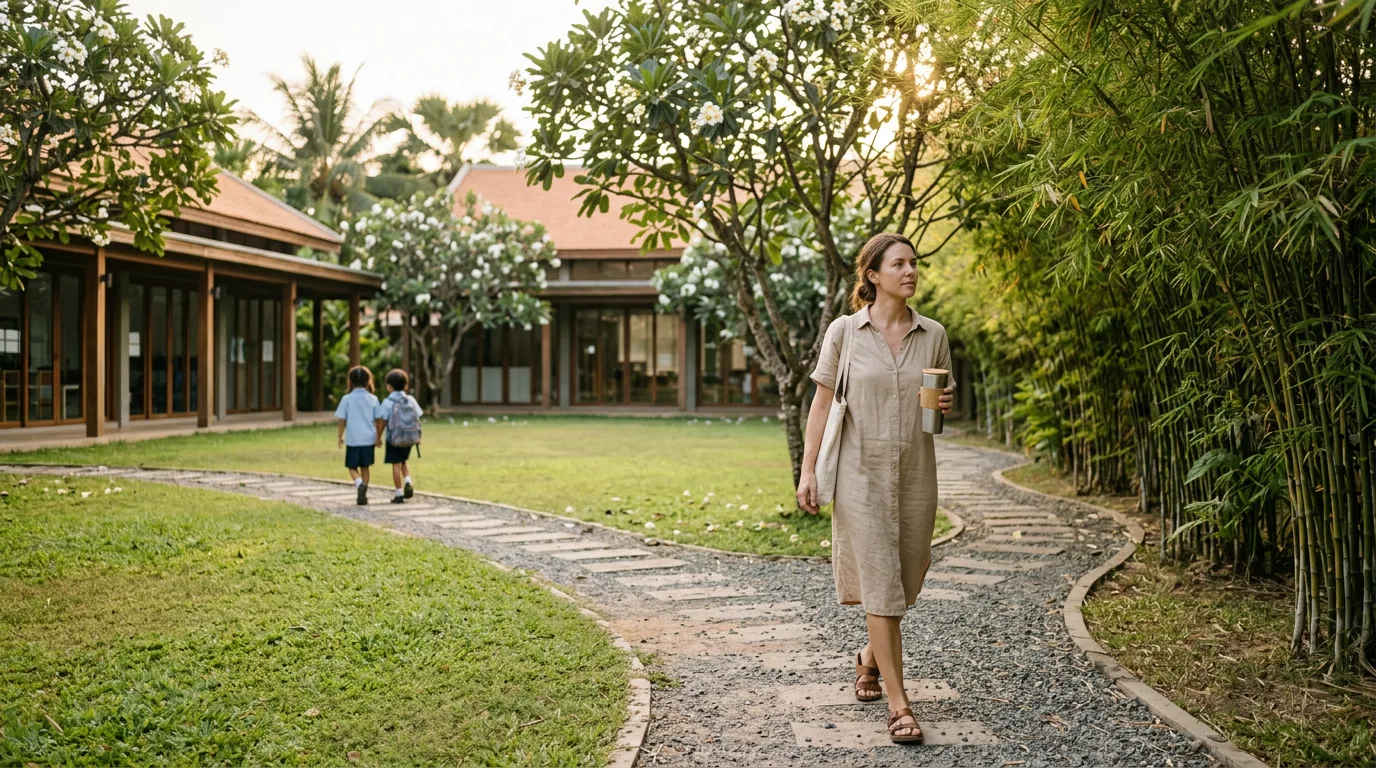
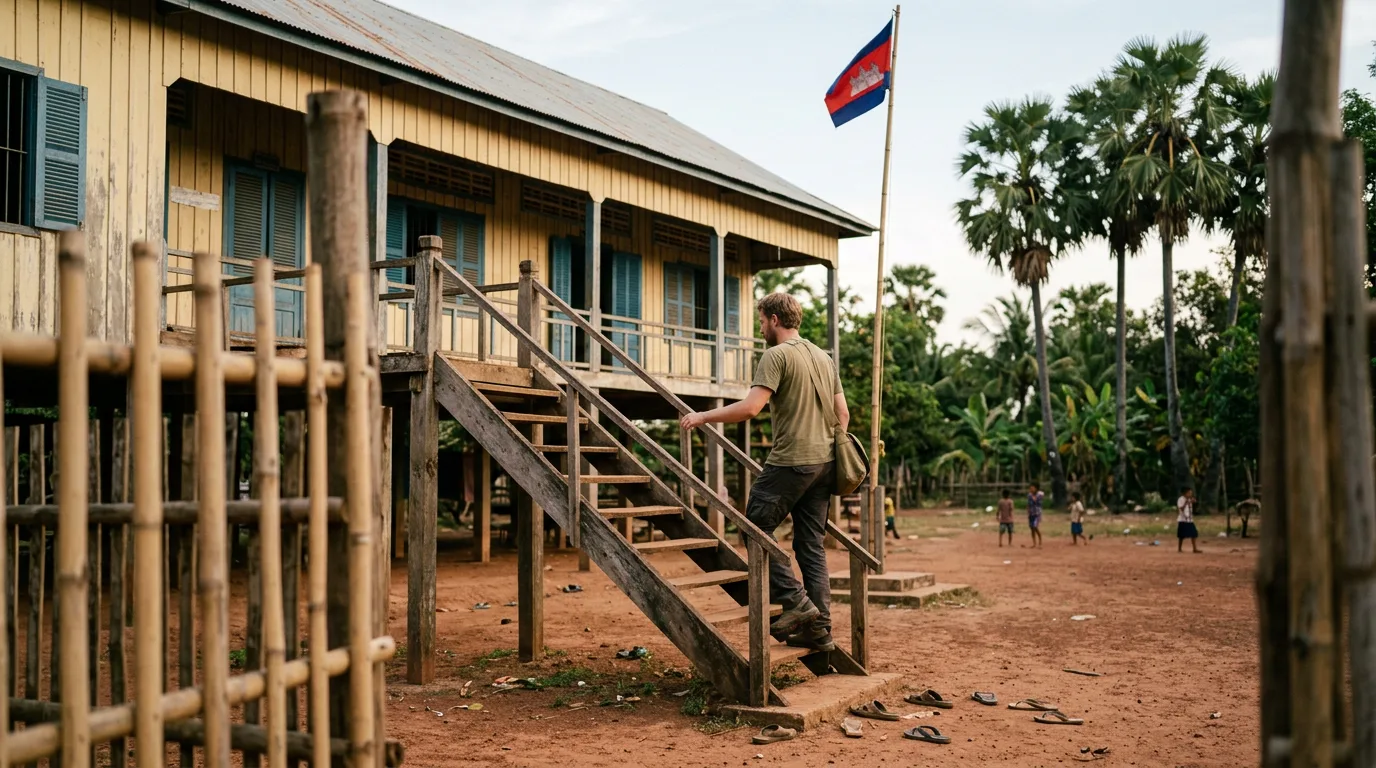
🏢 Business English
Cambodia's expanding economy — tourism, garment manufacturing, banking, and NGO sectors — creates steady demand for business English instruction. Private clients and corporate contracts pay the highest hourly rates, but require networking and are harder to secure without local connections.
Where to teach in Cambodia
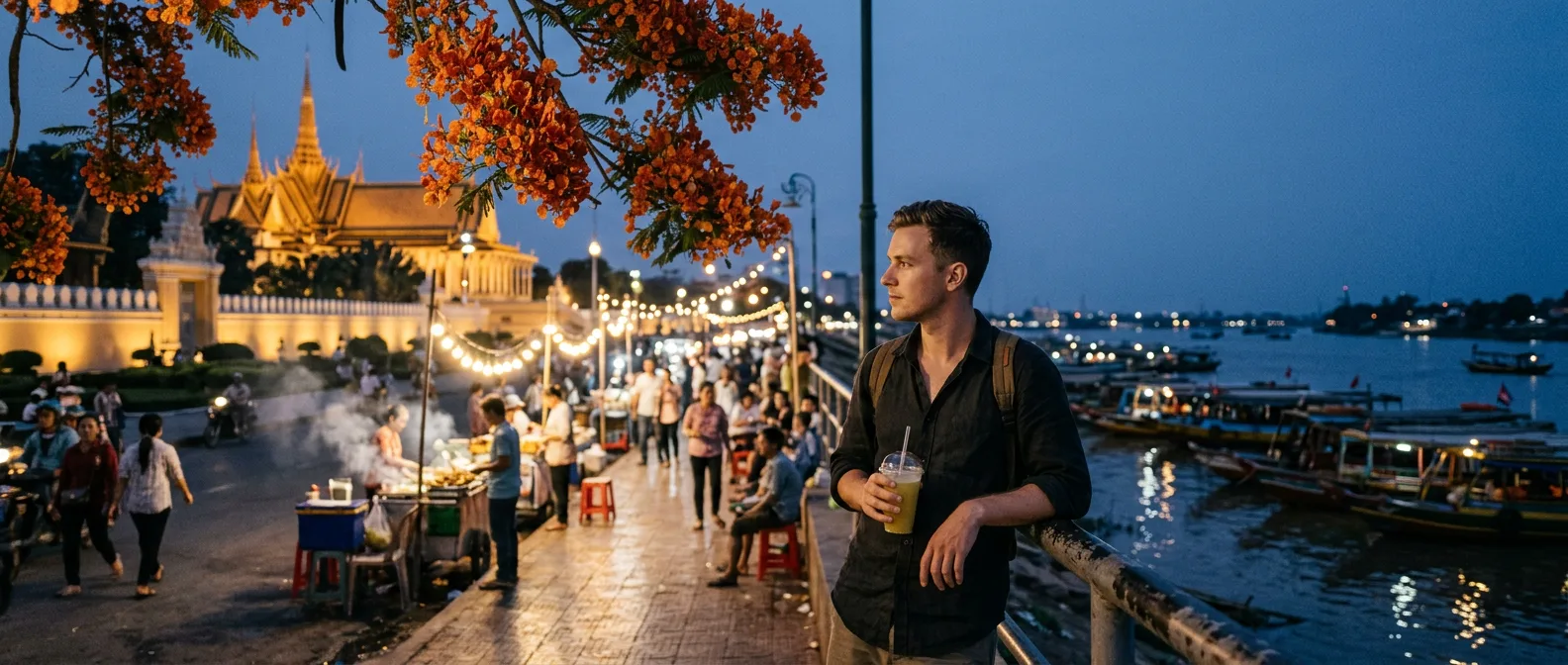
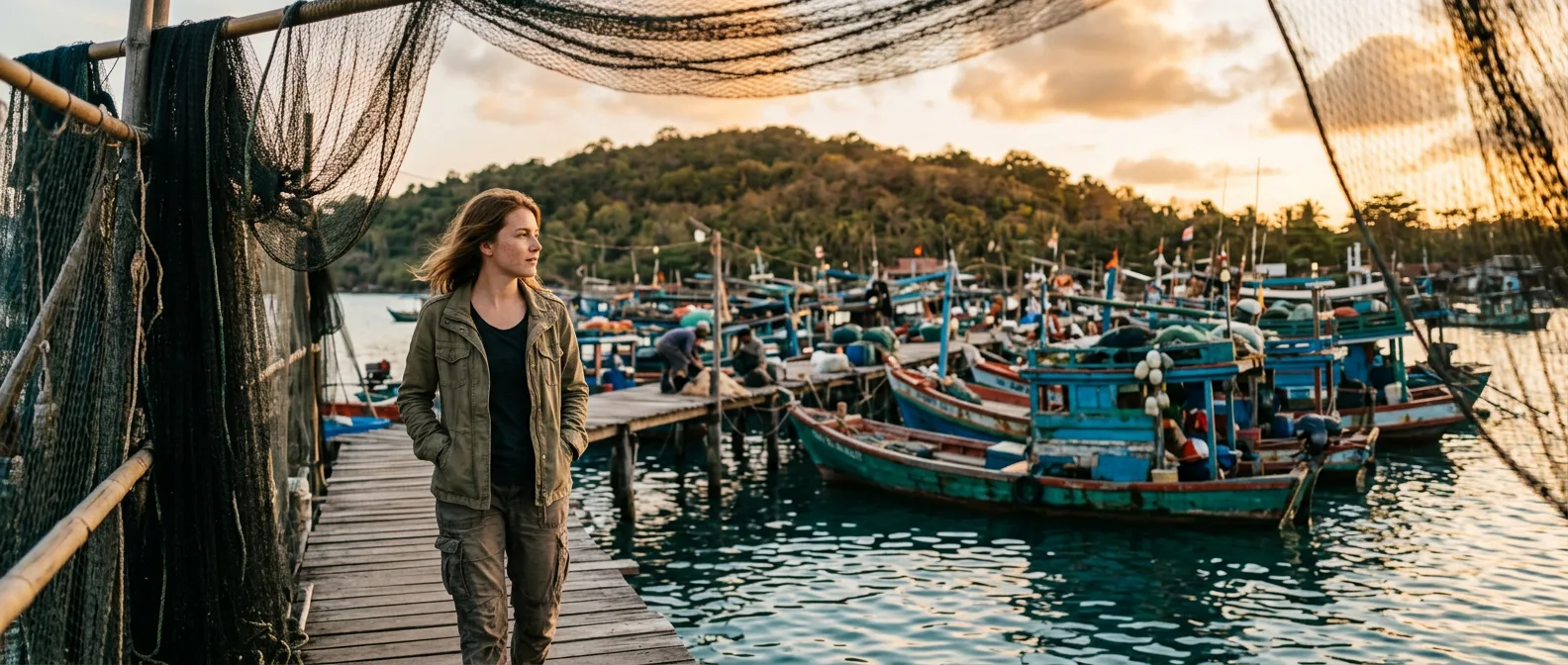
The vast majority of English teaching jobs in Cambodia are in Phnom Penh and Siem Reap. A small number of positions exist in Sihanoukville and Battambang, but for first-time teachers, the capital is the most reliable starting point.

Ready to teach in Southeast Asia?
TEFL Heaven has been placing teachers in Southeast Asia since 2007. Enquire about current programs and find out which destination best matches your goals.
What's it actually like to live and teach here?
Beyond the classroom, Cambodia offers a life that's hard to replicate elsewhere — historically extraordinary, genuinely affordable, and far more comfortable than its reputation might suggest.
Cambodia's recent history is a profound part of the experience of living here. The country is still rebuilding from the Khmer Rouge period, and that context is present in the warmth of the people, the pace of development, and the genuine enthusiasm for education that makes teaching here feel meaningful. Cambodians are widely described by teachers as some of the most welcoming, optimistic, and hospitable people in Southeast Asia.
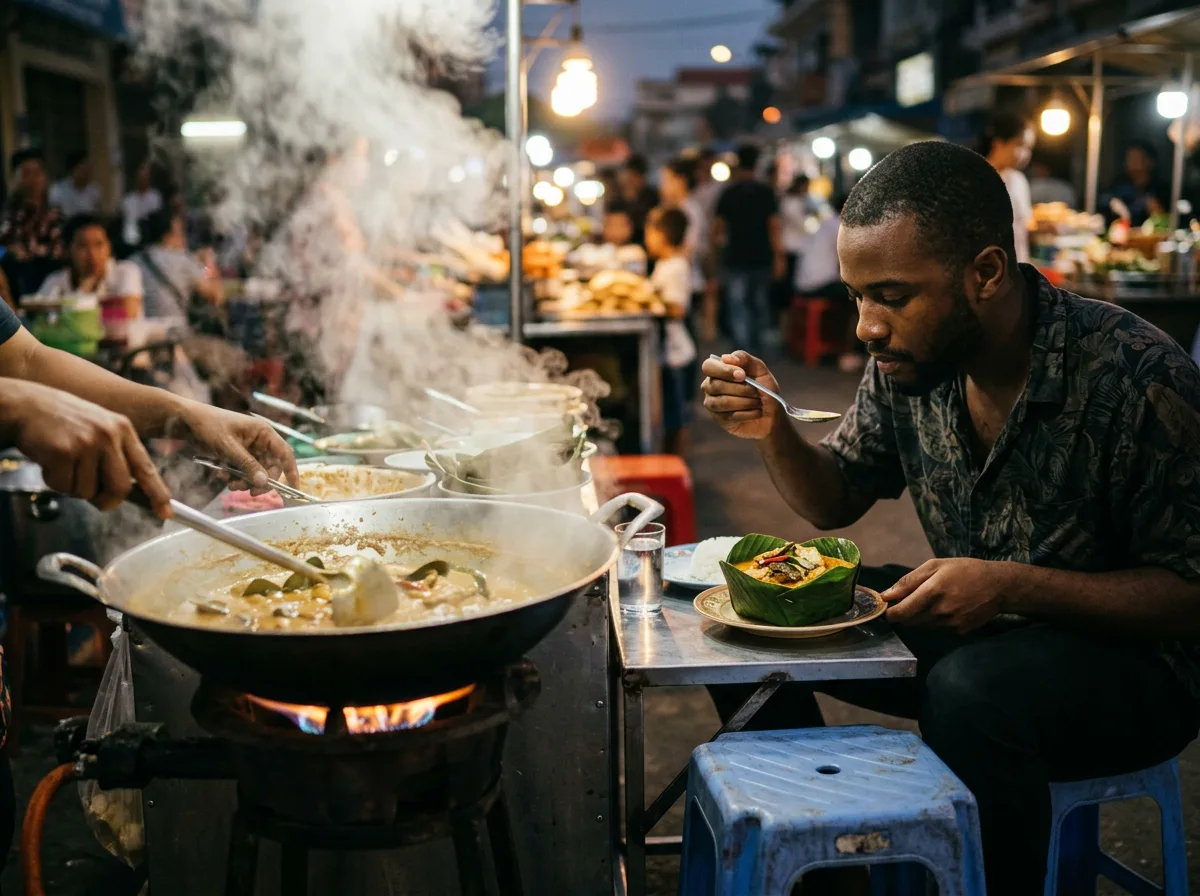
Phnom Penh is a city that surprises most teachers. There's a thriving café culture, a riverside night market scene, French colonial architecture, a strong expat community, and a food scene that spans excellent Khmer cuisine to international restaurants. The city is growing rapidly and feels full of energy in a way that is genuinely exciting to be part of.
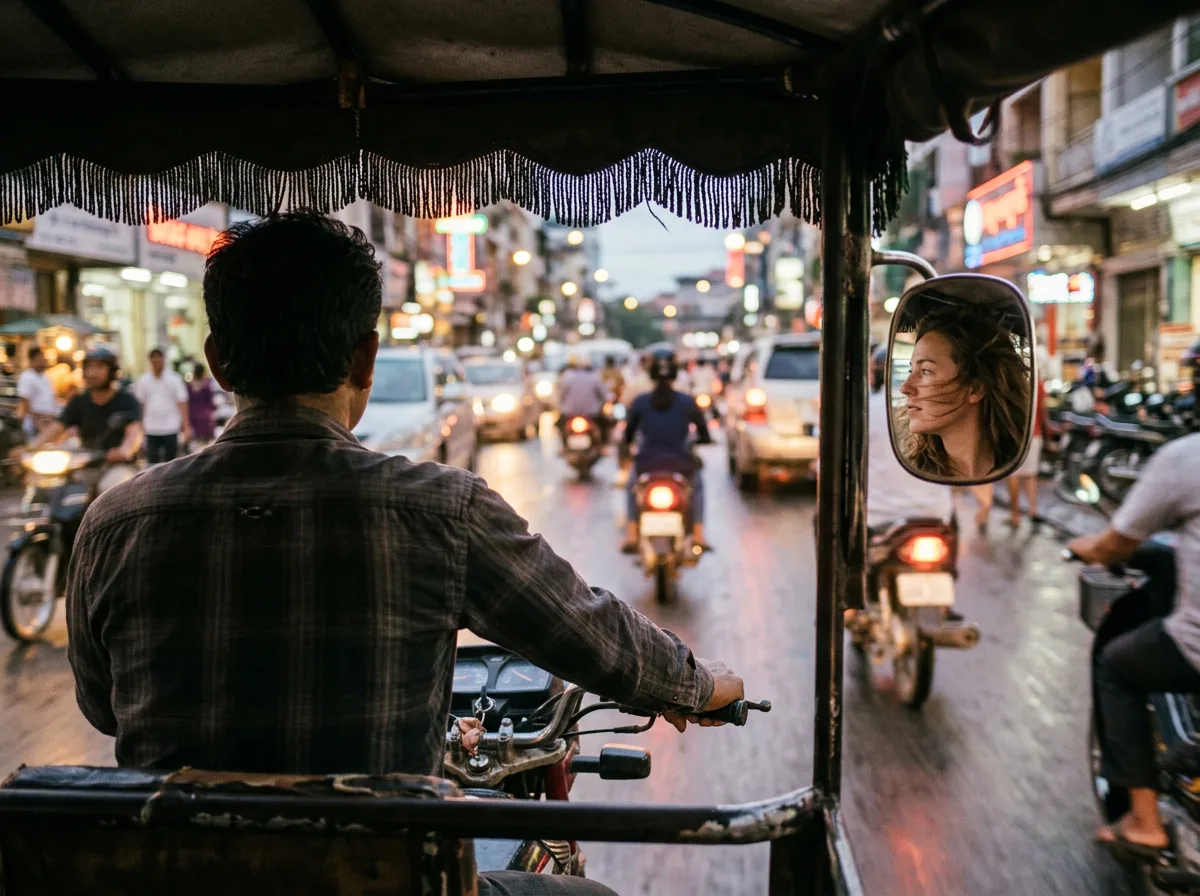
The school schedule works in teachers' favour. Most positions involve 20–25 teaching hours per week, leaving afternoons or mornings free depending on your timetable. Weekend trips are affordable and easy — a $7 bus to Siem Reap, a $20 flight to Bangkok, or a river boat along the Mekong to Vietnam. Teachers consistently note that Cambodia puts more of Asia within reach than any other single base.
Health insurance is rarely included at language schools, so factoring in the cost of private coverage ($50–$100/month for basic expat insurance) is important. Routine medical care is available in Phnom Penh and Siem Reap at international clinics. For serious conditions, most expats travel to Bangkok or Singapore.


Teaching in Cambodia — your questions answered
Do I need a degree to teach English in Cambodia?
No — and this is Cambodia's biggest differentiator. A bachelor's degree is not a legal requirement for a work permit or teaching job in Cambodia, making it genuinely accessible for teachers who don't hold a four-year degree. However, a degree significantly widens your options: international schools (the highest-paying employers) almost always require one. Without a degree, you'll be looking at language centres, private schools, and preschools, which is still a viable and rewarding path — particularly if you hold a strong 120-hour TEFL certification.
How do I find a teaching job in Cambodia?
Most Cambodia teaching jobs are filled through in-person interviews. The standard approach is to arrive on your E-class Visa with your documents printed and ready, stay in a guesthouse in Phnom Penh or Siem Reap, and spend 1–2 weeks visiting schools directly and interviewing. Online job boards like Bong Thom, TEFL.com, and Ajarn.com list Cambodia opportunities, but many positions are filled before they're posted. Showing up in person — with a professional CV, printed references, and your TEFL certificate — is still the most effective strategy in 2026.
Is Cambodia safe for foreign teachers?
Cambodia is considered a stable, safe destination for foreign teachers and has been for many years. Phnom Penh and Siem Reap both have large, established expat communities and are well-set-up for foreign residents. The main practical concerns are petty theft (bag snatching from motorbikes, particularly in Phnom Penh) and traffic safety — motorbike accidents are a real risk, particularly for teachers unfamiliar with Cambodian traffic conditions. For everyday life and work, the vast majority of teachers in Cambodia report feeling safe and welcomed.
Can non-native English speakers teach in Cambodia?
Yes — Cambodia is notably more open to non-native speakers than Thailand, Japan, or South Korea. What employers look for is fluency and confidence at a native level, regardless of background. You'll face more competition from native speakers for the same roles, and some schools specifically advertise "native speaker preferred," but it's genuinely possible to find teaching work as a non-native speaker with strong English and a solid TEFL certification. This is not the case in most other TEFL markets in Asia.
How much can I save teaching in Cambodia?
On a typical language school salary of $800–$1,000 per month, and with living costs of $500–$700 per month in Phnom Penh, most teachers save $200–$400 per month. Savings increase considerably if you take on private tuition alongside your main job (paying $15–$25 per hour), live frugally outside the tourist areas, or land a higher-paying international school position. Teachers at international schools on $1,500–$2,000 salaries regularly save $700–$1,000 per month, particularly if housing is provided. Cambodia's low cost of living is what makes the economics work — the salary figures look modest, but the purchasing power is considerably better than they suggest.
What's the best time of year to arrive and look for work?
Cambodia hires year-round, unlike countries with rigid academic-year cycles. That said, arrivals in September–October (start of the post-rainy season) and January–February (post-holiday) tend to see stronger hiring activity. The rainy season (May–October) is a fine time to arrive — it's quieter, cheaper for accommodation, and you'll find the same in-person interview process works equally well. Avoid arriving in the immediate run-up to Khmer New Year (April) and Water Festival (November), when school administrators are harder to reach.
Should I choose Cambodia or Thailand?
It depends on what you're optimising for. Cambodia wins on accessibility — no degree required, easier visa, lower barrier to entry, year-round hiring, and an in-country interview process. Thailand wins on salary (30–60% higher on average), job volume, a more regulated school sector, and a stronger infrastructure for foreign teachers. If you have a degree and want financial security with more structured support, Thailand is the stronger long-term base. If you don't have a degree, want to move fast, or want a rawer adventure alongside your teaching career, Cambodia is the better starting point. Many teachers do Cambodia first, build experience, and move to Thailand later.
What are the teaching hours like in Cambodia?
Most language centre positions involve 20–25 teaching hours per week, with prep time on top. Schedules often split between morning children's classes and evening adult classes, with a gap in the afternoon. International schools run more conventional 30–40 hour weeks with set daytime hours. The flexible schedule at language centres is one of Cambodia's genuine advantages — it leaves time for private tuition, exploration, and the kind of lifestyle that's the whole point of teaching abroad. Most teachers report feeling they have considerably more free time than they would working full-time at home.
From teachers who've taught in Southeast Asia
Perspectives from teachers who've gone through the TEFL Heaven program on what the experience of teaching in the region was really like.
"I came to Southeast Asia without a degree and Cambodia was the right starting point. Within two weeks I had a school, a visa sorted, and was teaching. Nobody back home believed how quickly it all came together."
"The cost of living is what makes Cambodia make sense financially. I earn less than I would in Thailand — but I spend less too, and I'm still saving every month while living better than I did at home."
"The students are genuinely enthusiastic about learning English in a way that's really motivating for a teacher. You feel the work matters. That's not something every teaching destination gives you."
"Siem Reap is the perfect base if you want to travel. Bangkok is an hour away by air, Vietnam is a bus ride. I spent two years teaching and felt like I'd explored half of Asia on weekends and holidays."
"The E-class Visa process sounds complicated until you actually do it. It took me less than a morning. My school handled the work permit. The whole thing was far more straightforward than I expected."
"I arrived in Phnom Penh knowing nobody. Three months later I had a school I loved, an apartment I was proud of, and more friends than I'd had in years. The expat community there is something special."
4.8 ★ based on verified reviews across GoOverseas, Google, and Facebook · 3,000+ teachers placed since 2007
Ready to take the next step?
Enquire about TEFL Heaven's Southeast Asia programs — training, placement, visa guidance, and in-country support included. No degree required for our Cambodia pathway.
Everything you need to know about teaching in Cambodia
Deep-dive guides on every aspect of teaching in Cambodia — from the visa process and salary breakdown to city guides and day-to-day expat life.
Requirements guide
TEFL cert, degree requirements, criminal check, documents — everything to prepare before you fly.
Salary & cost of living
What teachers actually earn by school type, what Phnom Penh costs to live in, and where savings come from.
E-class Visa & work permit
Step-by-step visa guide — from arrival to EB extension, with costs and agent tips.
Teaching in Phnom Penh
School types, neighbourhoods, salary rates, and what life in Cambodia's capital really looks like.
Teaching in Siem Reap
The Angkor Wat base — slower pace, tight-knit expat community, and a steady teaching market.
Finding jobs in Cambodia
How to job hunt in country, which boards to use, and what to look for when vetting a school.
Teaching with no degree
Cambodia's biggest advantage explained — what's open to you without a bachelor's degree, and what isn't.
Cambodia is one of Asia's most accessible teaching destinations.
The right support makes all the difference.
TEFL Heaven has been placing teachers across Southeast Asia since 2007. Enquire about current programs — training structure, visa guidance, salary expectations, and current intake dates sent straight to you. No hard sell. No pressure.
TEFL Heaven · Bangkok · Placing teachers abroad since 2007 · 3,000+ teachers placed worldwide