

English Companion in South Korea
Live with a Korean family and help their kids practice English. No degree required, no TEFL needed. Earn ₩1.2M–₩1.4M/month ($850–$1,000), often with a room in the family's home included. The most personal way to live in Korea.
Still researching? Read the South Korea country guide →
Change your life — and others' — through teaching abroad.
Bring meaning and fulfilment by helping a Korean family's kids find confidence in English. You'll grow in ways you never expected, and they'll remember you for years.
"The English Companion Program is the closest thing we offer to actually living inside Korean culture.
You're not standing in a classroom of 30 kids. You're sitting at a kitchen table with 1–3 children whose parents have invited you into their home. You help with homework. You eat meals with the family. You learn more Korean in 3 months than most TEFL teachers learn in a year.
It's not for everyone. But for the right person — someone curious, social, comfortable being a guest — it's one of the most quietly life-changing programs we run."

What's included in the Companion program
Everything you need to live with and help a Korean family's kids practice English.
Guaranteed family placement
Carefully matched to a Korean or international family in Korea. Usually 1–3 kids, mostly aged 3–12.
Some families include a room
Many families offer a private bedroom in their home — your salary may be adjusted accordingly. If they don't, we help you find your own place ($300–$450/mo).
Working Holiday (H-1) Visa
Apply yourself with our guidance. 1-year visa, no visa trip needed. You handle the application; we walk you through it step by step.
3-day in-country orientation
Korean lessons, cooking class, Hanbok experience, palace tour. You meet your fellow Companions and the country before you meet your family.
What your first weeks look like
Mapped out so you know exactly what you're walking into.
Online prep
40-hour Korean culture course before you fly. You arrive already knowing the basics of Korean etiquette and family expectations.
In-country orientation
Korean lessons, cooking class, Hanbok experience, palace tour. 4 nights' shared accommodation at our partner guesthouse, included.
Move in & settle
Meet your family. Move into their home (or your own place if you've chosen that route). Establish a routine: 1–2 hours mornings, 3–4 hours afternoons/evenings.
6-month placement
25 hours/week max (visa rule). Mon–Fri schedule. 1 paid day off per month from your second month. Weekends and Korean public holidays off.
Everything we include in your Companion program
We handle the friction so you can focus on the family.
Real teachers in South Korea, real reviews.
 Sara’s video reviewWatch on our reviews page
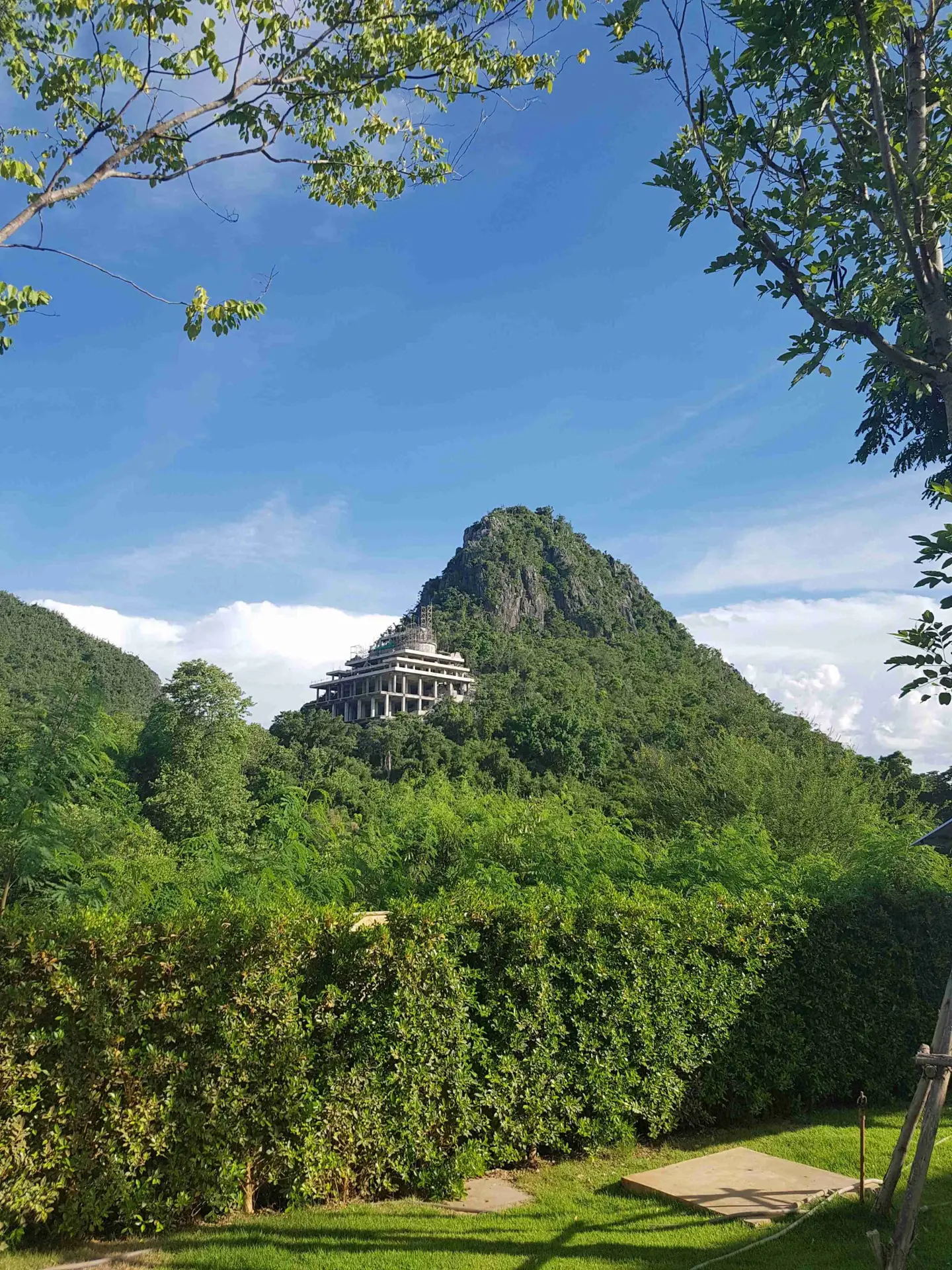 John · ThailandRead the written story
 Jemina’s video reviewWatch on our reviews page
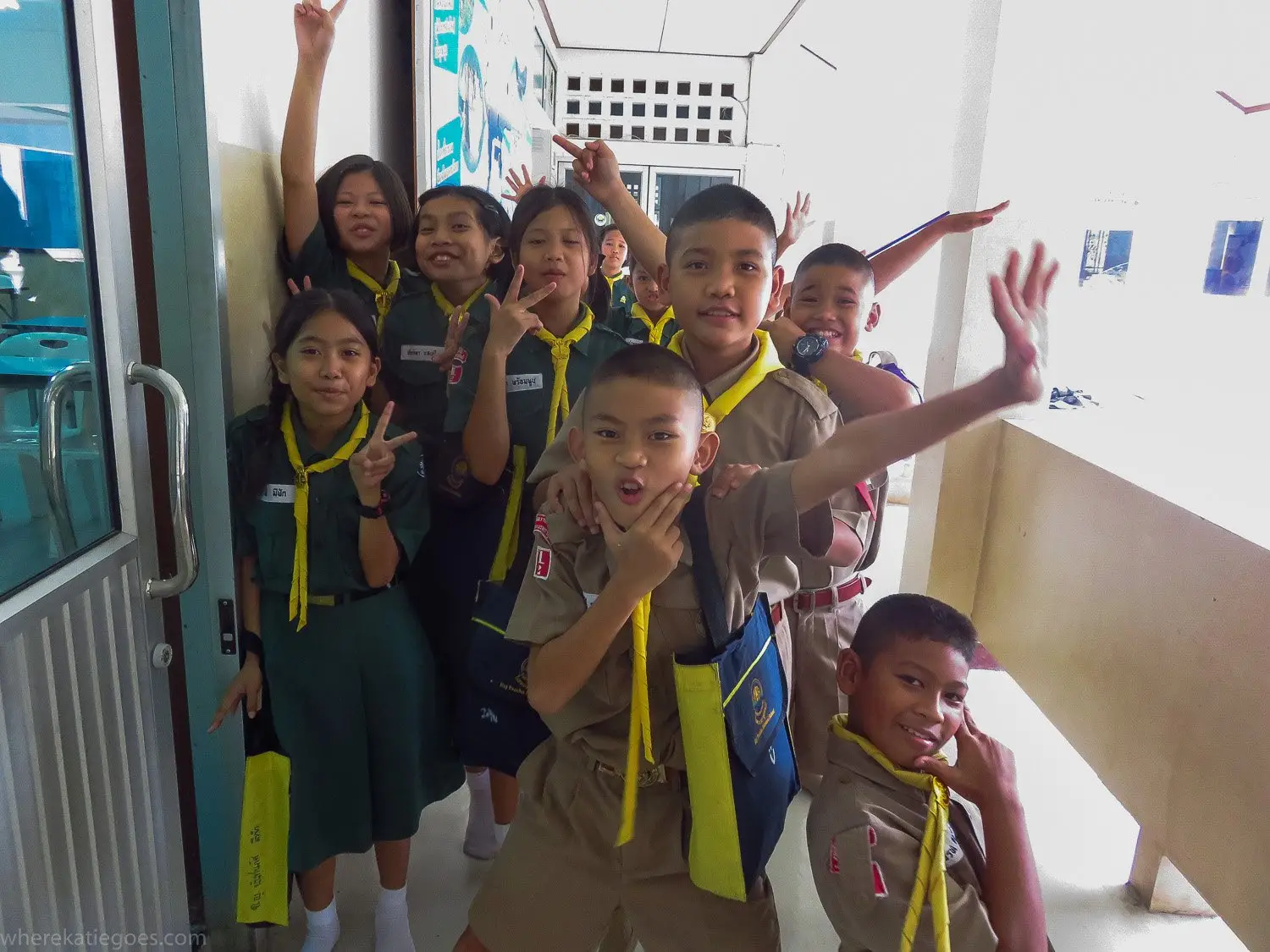 Katie · ThailandRead the written story
 Rachel’s video reviewWatch on our reviews page
 Kristen · ThailandRead the written story
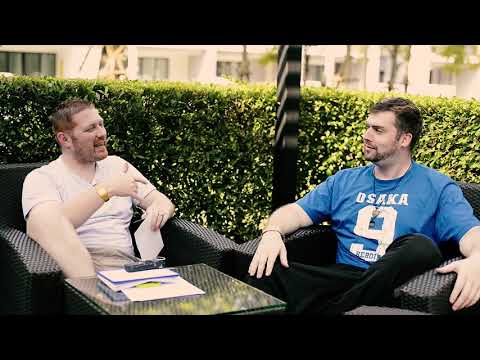 Peter’s video reviewWatch on our reviews page
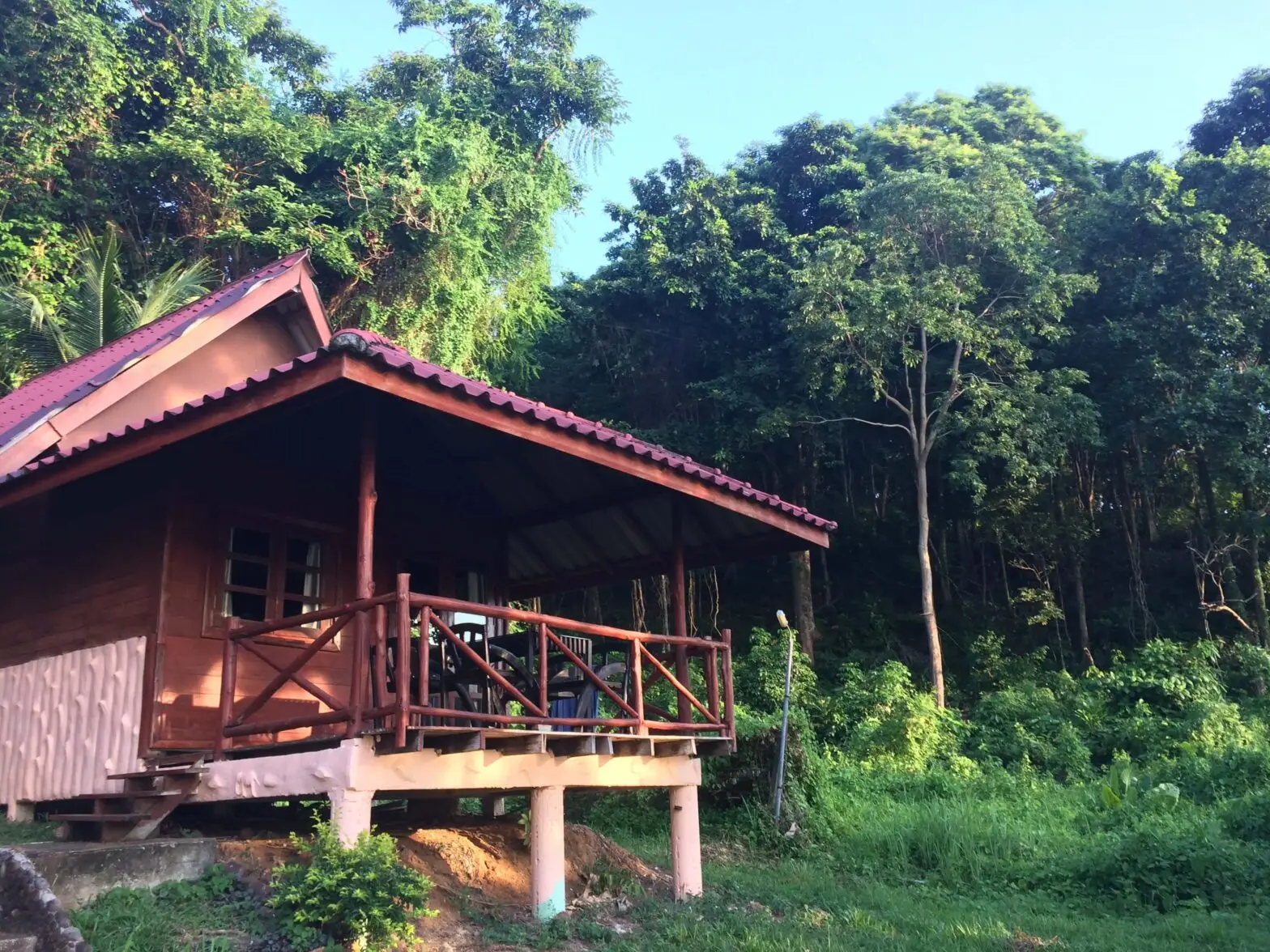 Siobhan · ThailandRead the written story
 Kaley’s video reviewWatch on our reviews page
 Stephanie · ThailandRead the written story
 Emily’s video reviewWatch on our reviews page
 Eva · VietnamRead the written story
 Michelle’s video reviewWatch on our reviews page
 Jamie · VietnamRead the written story
 Christina’s video reviewWatch on our reviews page
 Laura · VietnamRead the written story
100 video reviews and 67 written stories, all on our reviews page.
Sound like your kind of place?
Tell us you're interested and we'll send the full program pack.
Teach abroad. Get paid to create.
You're already going to post photos and stories from your year abroad. Mike will show you how to do it properly — and we'll pay you $200 every time a friend books a program through your personal link. Included free.
A 14-lesson Creator Course
Learn content creation and storytelling properly — our Creator Framework, audience-building, and the viral blueprint. Taught by founder Mike Maitland (Bangkok, since 2007). Included free.
$200 for every booking
Share your personal link with friends, classmates and followers. Every person who books a TEFL Heaven program through it puts $200 USD straight in your pocket — real cash while you teach.
A teacher-creator community
Swap what's landing with the other TEFL Heaven teachers abroad — content ideas, what's working, what flops. Real teachers, not influencers.
This isn't a sales gimmick — it's our way of saying thank you for telling your friends. We've been doing it for our alumni for years; we just made it official.
Why the Companion route
The Companion program is the most personal way to live in Korea. You're embedded in a Korean family's daily life, helping their kids find confidence in English while immersing in the language and culture yourself. No degree, no TEFL required — what matters is your English, your patience, and your willingness to be a great guest.
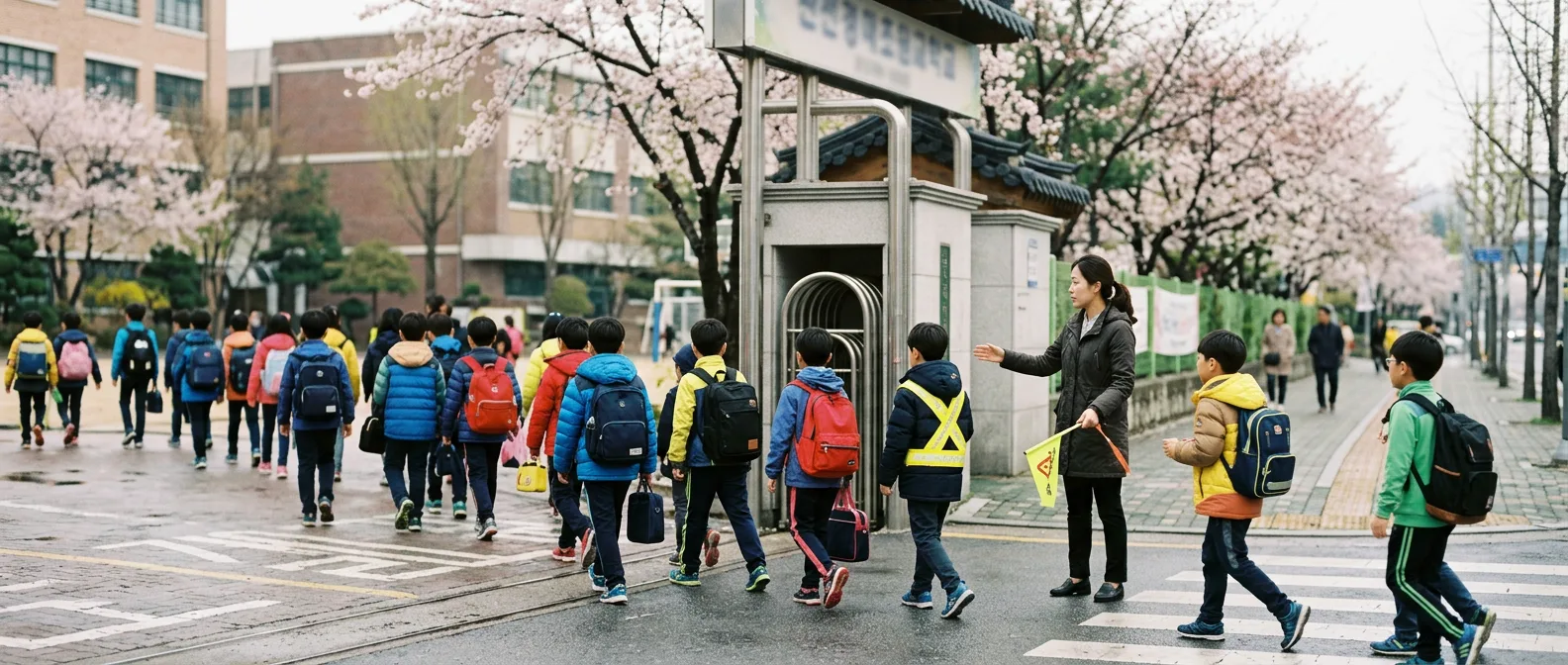
What being a Companion is really like
You'll work with 1–3 kids in one family, mostly aged 3–12. Your job isn't formal teaching — it's general English practice and homework help. Conversations at meals. Reading bedtime stories. Helping with tricky English homework after school.
Hours are capped at 25 a week by the visa (Canadians have no cap). Typical schedule: 1–2 hours in the morning (e.g. 7–9am breakfast and pre-school) and 3–4 hours in the afternoon/evening (e.g. 4–7pm after-school).
You get 1 paid day off per month from your second month, plus weekends and Korean public holidays. Tax is just 6% — one of the lowest of any TEFL Heaven program.

Where placements happen
Anywhere in Korea, depending on the family. Most families live in or around major cities.
 Seoul region
Most families are in or around Seoul — Gangnam, Songpa, Bundang. Excellent transport, English-speaking expat scene if you want it.
 Other major cities
Busan, Daegu, Daejeon, Incheon. Smaller foreigner communities, more authentic immersion, often stronger family bonds.
 Smaller cities & satellite towns
Where you'll learn the most Korean and feel the most like family. Quieter, less Western, more memorable.
This could be you in a few months.
We'll walk you through every step — visa, flights, family matching, and arrival.
What it really costs to live as a Companion in Korea
Honest numbers. If your family includes a room, your salary may be adjusted accordingly.
If your family includes a room, you may pay nothing. If not: $300–$450/mo with a $2,000–$3,500 deposit (refunded when you leave).
Many families share meals with you. If you're cooking for yourself: Korean food is cheap, imports cost more.
T-money card, subway, buses. Korea's transit is among the world's best.
Modest savings — Companion is more of a culture-immersion program than a savings program. Tax is just 6%.
We tell you this upfront — the ones who plan for it love their first year.
You're entering a family's home as a working guest. The first month is the adjustment. Some families want very structured English time; others want you to chat at meals. We help you set expectations early, but flexibility is key.
We recommend bringing $3,500–$4,500 USD to cover you until your first paycheck — including the housing deposit if your family doesn't include a room. The Working Holiday visa is your responsibility to apply for; we walk you through it.
US applicants must be in college or within 1 year of graduating, with proof. Other countries have higher age caps (Canada/UK 35, several others 34). Health requirements are similar to the other Korea programs but more relaxed.
What life is really like as an English Companion
It's not a job, exactly. It's a role. You eat with the family. You take the kids to soccer practice or piano. You sit at the kitchen table while the mum makes kimchi-jjigae. You learn how Koreans actually live — from the inside.
Your free time is genuinely free — weekends and one day mid-month. Use them for Seoul nightlife, Busan beaches, Jeju Island, hiking, or just deep dives into the city you're living in. Most Companions extend; many stay for a second 6 months with the same family.




The Companion program is the program for teachers who want to actually live inside Korean culture, not just teach in it. You'll learn more Korean in 3 months as a Companion than most TEFL teachers learn in a year.
"It's 7:15 on a Tuesday morning. You're at the kitchen table with the family's 9-year-old, going through her English vocabulary list before school. Her mum hands you a coffee and a piece of fruit. By 9 you're free — back in your room, off to the gym, or into the city. By 4pm you're back to help the older brother with his English essay. By 7 you're eating dinner with the whole family. By 10 you're reading on your bed, thinking about how you'll never quite be able to explain to anyone back home what this experience actually felt like."
A Tuesday in month fourTEFL Heaven vs doing it alone
An honest look at your options for living and working in Korea.
- ✕No family matching
- ✕No visa support (you'd self-apply blind)
- ✕No cultural orientation
- ✕No employer contacts
- ✕Arrival in Korea = on your own
- ✕Support when things go wrong: none
- ✕Not available — companion roles need in-person matching
- ✕No live cultural orientation
- ✕No visa support
- ✕No family matching
- ✕No in-country team
- ✕Generic forum advice only
- ✓Carefully matched family placement
- ✓3-day in-country culture orientation
- ✓Full Working Holiday visa guidance
- ✓Airport pickup + 4 nights' arrival accommodation
- ✓40-hour Korean culture & language course
- ✓17 years of in-country experience behind you
What you get that arranging this yourself can't give you
Companion placements depend on vetted family matching. Without that, you're trusting a stranger with your living arrangement and 25 hours of weekly contact with their kids. We've been doing this for 17 years and the family network is the entire program.
Behind it: a family-run global network built since 2007, with placements across Czechia, Japan, Spain, Vietnam, Mexico and more. If Korea is your first year but not your last, we've already placed your next move.
Companions tend to be…
✓ This fits
20–30 (some countries up to 35). Curious, social, comfortable as a guest in someone else's home. Drawn to cultural immersion over salary. Want to learn Korean from inside a family. No degree required — what matters is fluent English and patience with kids. US applicants in college or within 1 year of graduation.
✗ Pick a different program
You want a classroom (pick the Teach South Korea program). You want to maximise savings (Korea's TEFL program pays much more). You're uncomfortable living in someone else's home. You want full independence and your own apartment. You're over the age cap (it varies 30–35 by country).
Upcoming start dates
Companion intakes run roughly monthly. Apply 3 months ahead — family matching takes time, and the Working Holiday visa is your responsibility to apply for.
Oct 26, 2026 is the next available intake · apply ~3 months ahead
Family matching takes 6–8 weeks after signup. Tell us when you want to land in Korea and we'll work backwards through visa and family-matching timelines.
FAQ
Do I need a degree or TEFL?
No — a high school diploma is enough. No TEFL required. What matters is fluent English and the temperament to spend 25 hours a week with a family's kids. US applicants must be in college or within 1 year of graduating, with proof. US applicants must be in college or within 1 year of graduating, with proof.
How does the family matching work?
Once you sign up, we work with our partner network to match you to a family based on your preferences (city, kids' ages, household setup). Matching takes 6–8 weeks. You'll have an interview/intro call with the family before flying.
What does my day-to-day look like?
25 hours/week max (visa rule, Canadians excepted). Typical schedule: 1–2 hours in the morning (breakfast English, school prep) + 3–4 hours afternoon/evening (homework help, English chat at meals). 1 paid day off per month from your 2nd month. Weekends and Korean public holidays off.
How does the Working Holiday Visa work?
You apply yourself with our guidance. 1-year visa, no visa trip needed. We walk you through the paperwork. Move your start date free with 35+ days’ notice — inside that window a $250 change fee applies, and fees are non-refundable once booked. Eligible from one of 25 countries with bilateral agreements (USA, UK, Canada, Australia, NZ, Ireland, France, Germany, Italy, Spain, etc.).
Will I live with the family?
Some families include a room in their home — your salary may be adjusted accordingly. If your family doesn't include housing, we help you find a place yourself: $300–$450/mo rent, with a $2,000–$3,500 deposit (refunded when you leave).
How much will I save?
$100–$300/month. Companion is a culture-immersion program more than a savings program. Tax is just 6%. If your family includes a room and meals, your savings rate goes up because your costs drop.
Can I bring a partner, kids, or pets?
No — the Companion program is single-applicant only.
Are tattoos okay?
Small visible tattoos may be okay — case by case. Tell us at signup. The family's preference matters here as much as the visa rules.
Can I extend?
Yes — 6 months is renewable. Many Companions extend for a second 6 months with the same family. Some transition to a TEFL Heaven Teach South Korea contract afterwards.
What's not included?
Flights, medical insurance, long-term housing (if your family doesn't include it), visa fees, daily living costs (food/transport/fun if family doesn't cover meals). We'll send you a full itemised breakdown when you enquire.
The Companion Program Pack
When you enquire, we'll send you the full English Companion program pack — start dates, what's included, family matching process, Working Holiday visa checklist, and a sample week with a family. Sent straight to your inbox.
Send me the Companion details →
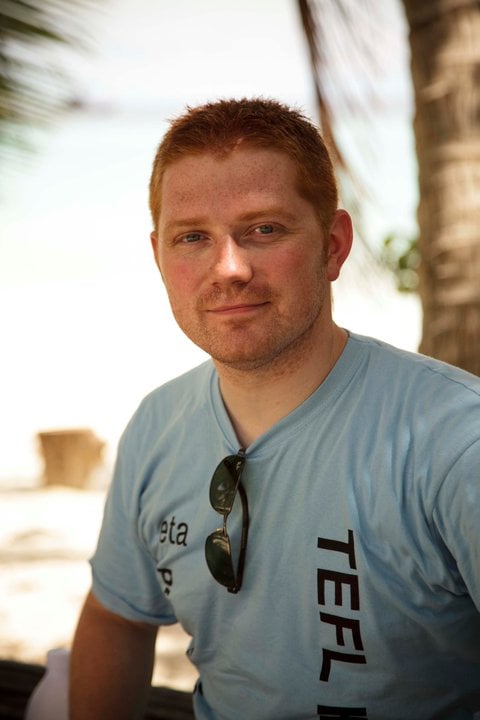
Andy handles Companion enquiries
Andy replies within 24 hours — usually same day. He'll be honest about whether the family-living setup fits your personality, and what realistic earnings look like.
Let's get you placed with a Korean family.
We'll walk you through the next steps — start date, visa, flights, and family matching. Takes about 10 minutes.
Included free: Mike's Creator Course + $200 every time a friend books
No pressure, no commitment — we'll just answer your questions.
— Mike Maitland, Bangkok